It turns out that choosing the wrong place to retire can drain your savings faster than you can pack a moving box.
Retirement is supposed to be your golden era, a time to trade in the corporate grind for golf, grandkids, or whatever fills your soul. After decades of saving and working, the idea of finally enjoying your nest egg is what keeps many Americans going. This is when you get to decide exactly where you want to spend the rest of your days.
However, location, location, location takes on a whole new meaning when you’re living on a fixed income. Moving for retirement is like a big game of chess, where every cost and quality-of-life factor is a move that either protects or exposes your savings. Before you pack the moving truck, it is worth a good, hard look at the financial and practical hurdles certain states place in the path of the average retiree.
Maryland

Maryland offers access to the coast, proximity to D.C., and a high concentration of excellent hospitals, but its tax situation is among the most punitive in the nation. It is one of the few states that imposes both an estate tax and an inheritance tax, a serious financial blow to your family’s next generation. The double tax on estates can be a difficult pill for families to swallow.
The cost of living in Maryland is also steep, with housing prices reflecting its desirable location near the capital and a state income tax that can be quite high. While the state provides a decent pension exclusion for some military and government pensions, most private retirement income is taxed at the full state rate. Seniors find themselves paying a lot to live in an area that offers many amenities but demands a high financial toll.
California

The Golden State glitters, but that shine comes with a hefty price tag. Housing costs are notorious, pushing homeownership out of reach for many living on a retirement budget. Everything from gas to groceries seems to cost a small fortune here. It is no wonder that the median home price in California routinely exceeds the national average by more than double, making it a financial tightrope walk for seniors.
Beyond daily expenses, California has one of the highest state income tax rates in the nation, taxing most retirement income except Social Security benefits. This high tax burden is the primary reason California experienced one of the largest outflows of retirement-age residents in recent years, with data showing it’s among the top states from which people retire. Many longtime residents discover that their cherished sunshine is just not worth the persistent financial worry.
New York

The Empire State is an incredible place to work and visit, but its reputation as a difficult place to retire precedes it. While Social Security and most public pensions are exempt from state tax, other retirement accounts, such as 401(k)s and IRAs, are subject to New York’s high income tax rates. This can significantly reduce the amount of discretionary income retirees have each month.
Affordability is the main hurdle, with housing prices, especially around the metropolitan area, being astronomical. New York consistently ranks among the highest in overall state and local tax burden, which eats into savings at a distressing rate. Many seniors realize that their savings simply don’t have the same purchasing power they would in a lower-cost state.
Connecticut

Known for its New England charm and picturesque towns, Connecticut is sadly not a friend to the budget-minded senior. The state’s cost of living is substantially above the national average, putting significant pressure on retirement funds from day one. The high price of living, especially for housing, can quickly deplete a retiree’s resources.
Connecticut’s tax situation is also notably burdensome; while Social Security benefits are partially exempt, a significant portion of other retirement income, including pensions, is subject to the state income tax. Furthermore, the property tax rate here is one of the highest in the country, with the median property tax bill exceeding $6,000 annually. It is a financial squeeze that makes the Nutmeg State a tough sell for those prioritizing fiscal comfort in retirement.
New Jersey

The Garden State has gorgeous shore towns and proximity to major East Coast cities, but it also has a famously unfriendly financial climate for retirees. New Jersey boasts some of the highest property taxes in the U.S., which can be a continuous and heavy drain on fixed incomes. This expense alone is enough to send many seniors across state lines to places like Delaware or Pennsylvania.
While the state offers a generous tax exemption on most retirement income, including pensions and 401(k) withdrawals, the high cost of goods and services is unavoidable. The overall burden means that retirees need a significantly larger nest egg to maintain their standard of living. It’s a place where you might be able to afford the house, but the property tax feels like an unwelcome, expensive guest.
Alaska

The Last Frontier offers unmatched natural splendor, but its unique challenges make it far from a retirement paradise. The frigid, dark winters are a primary quality-of-life concern, and the isolation of many communities means less access to specialized health care. Extreme climate can pose real difficulties for an aging population.
While Alaska has no state income tax, which initially makes it appealing, the cost of groceries and necessities is staggeringly high due to the high cost of shipping goods to the remote state. Alaska’s overall cost of living is roughly 25% higher than the national average, mainly due to transportation costs. That high cost of everyday goods can be a silent savings killer over the long term of a retirement.
Rhode Island

The smallest state packs a punch with its stunning coastline and historic towns, but it also delivers a heavy financial blow to retirees. The cost of living is high, and the state’s tax policies are complex and not overly friendly to seniors trying to stretch their dollars. Homeowners face high median property tax bills that strain monthly budgets.
Save this article
Rhode Island taxes Social Security benefits, though lower-income seniors can claim exemptions, which complicates matters for those with substantial retirement earnings. In fact, many retirees find the tax regulations a labyrinth, and the high-density living can make for a more hurried life than many envision for their relaxing retirement years. This combination of high costs and confusing tax rules makes the Ocean State a fiscal disappointment for many newcomers.
Illinois

The Land of Lincoln is a major population center in the Midwest, but its financial instability casts a long shadow over retirees’ futures. While Social Security and most pension income are exempt from state taxes, the local taxes and state financial issues raise red flags. Persistent state-level budget imbalances often create uncertainty about future tax changes.
The state also has one of the highest combined state and local tax burdens in the country, even without taxing the primary sources of retirement income. Furthermore, Illinois is not among the top states in overall health for seniors, a major concern for long-term care and healthcare access. Potential tax increases and mediocre health outcomes are enough to make many think twice before settling down here.
Massachusetts
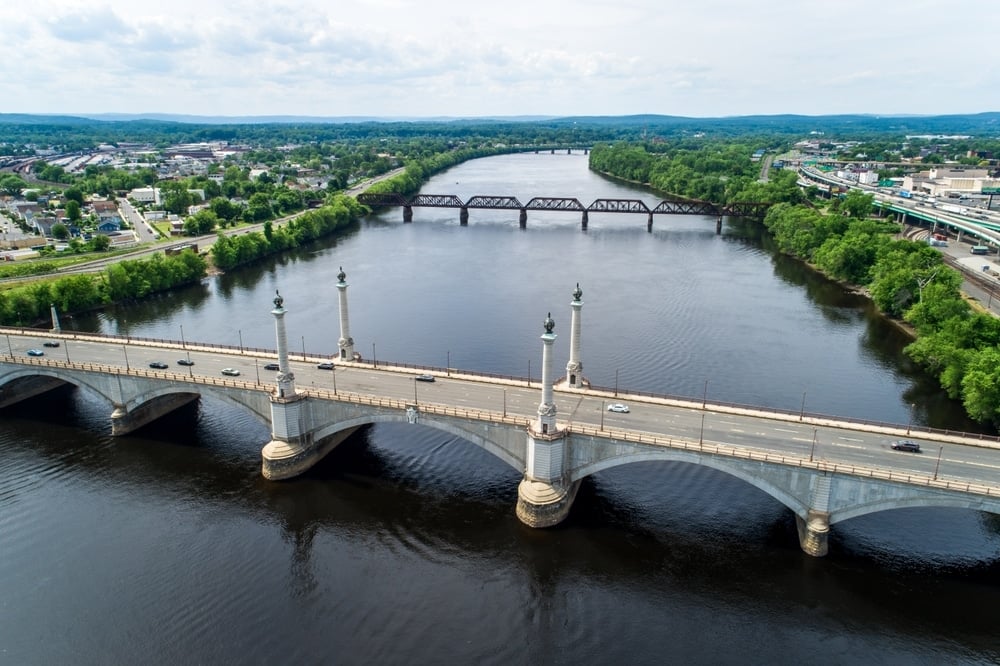
This historic state is rich in culture, education, and excellent healthcare, but it demands a premium for those benefits. The high cost of living is a major deterrent, with housing and transportation costs significantly above the national average. The Boston area, in particular, has prices that can make a fixed income feel very flexible, and not in a good way.
Massachusetts taxes most sources of retirement income, including pensions and 401(k) distributions, and its income tax is flat, which doesn’t favor lower incomes. While healthcare is top-notch, with the state ranking among the best for senior health outcomes, the financial burden is a significant trade-off. For retirees, sacrificing financial security for exceptional amenities is a calculation that often doesn’t pay off in the long run.
Vermont

Vermont’s rolling hills and cozy, rural atmosphere offer a tranquil retirement setting, but the high taxes and brutally cold winters can diminish the appeal. The small population centers mean that specialized services are often a long drive away, a factor that is not insignificant for older adults. The long, dark winters can isolate seniors and make travel challenging for months at a time.
The state taxes most retirement income, including Social Security, for residents whose income exceeds a certain threshold, making it less tax-friendly than many neighboring states. The effective tax rate on retirement savings can be surprisingly high, shrinking the value of a lifetime of saving.
New Mexico

The Land of Enchantment promises stunning Southwestern beauty and a milder climate than many northern states, yet it faces serious quality-of-life and financial challenges for seniors. High crime rates, especially violent crime, are a consistent problem that impacts community safety and well-being. This concern over public safety is a significant issue for those considering settling here.
Despite the natural appeal, New Mexico is not a particularly wealthy state, and it continues to have relatively high rates of senior poverty. While the state is currently phasing out its Social Security tax, it still ranks near the bottom in overall quality-of-life scores, suggesting weaknesses in infrastructure and community support. The combination of safety concerns and a lack of social infrastructure makes it a difficult choice for many.
Oregon

The Pacific Northwest gem offers fantastic scenery and a laid-back lifestyle, but it is one of the priciest spots on the West Coast, second only to California and Washington. Its high income tax rate is a major detractor for retirees whose main income is not Social Security, which is exempt from income taxes. The state income tax is among the steepest in the country, reducing pension and 401(k) withdrawals.
The cost of housing, particularly in the Portland metro area, has surged dramatically in recent years, making affordable housing difficult to secure. The state’s tax burden, combined with a cost of living roughly 17% higher than the national average, means a hefty retirement fund is required to tread water. The beautiful natural setting comes at a financial premium that few can comfortably manage on a fixed retirement budget.
Disclaimer – This list is solely the author’s opinion based on research and publicly available information. It is not intended to be professional advice.
Like our content? Be sure to follow us.
How Total Beginners Are Building Wealth Fast in 2025—No Experience Needed

How Total Beginners Are Building Wealth Fast in 2025
I used to think investing was something you did after you were already rich. Like, you needed $10,000 in a suit pocket and a guy named Chad at some fancy firm who knew how to “diversify your portfolio.” Meanwhile, I was just trying to figure out how to stretch $43 to payday.
But a lot has changed. And fast. In 2025, building wealth doesn’t require a finance degree—or even a lot of money. The tools are simpler. The entry points are lower. And believe it or not, total beginners are stacking wins just by starting small and staying consistent.
Click here, and let’s break down how.