
Air travel brings millions of strangers together in a confined space every day, making courtesy more important than ever. The International Air Transport Association reported that worldwide air travel climbed to 4.7 billion passengers in 2024, surpassing the pre-pandemic 2019 record of 4.5 billion travelers, according to projections released in late 2023.
With planes fuller than ever, flight attendants say passenger behavior plays a huge role in how smooth, or stressful, a flight can be. Airline professionals consistently emphasize that the most pleasant flights often involve passengers who show basic awareness and respect for the shared environment.
Aviation safety experts note that cabin crews juggle safety responsibilities, service duties, and time-sensitive procedures throughout every trip. When passengers cooperate and remain considerate, the entire cabin experience improves.
Frequent flyers who understand a few simple habits often make life easier for the crew, and usually enjoy a smoother travel experience themselves.
They Board Efficiently

Likable passengers help keep the boarding process smooth by staying organized before stepping onto the aircraft. Boarding delays often occur when travelers search for documents, rearrange bags, or block the aisle while preparing their seats.
Aviation analysts say organized boarding improves departure times and reduces stress for both crew and passengers. Frequent flyers often prepare their boarding pass, store smaller items inside their carry-on, and move quickly to their assigned seat.
That small level of preparation helps the entire boarding line move faster. Flight attendants often notice passengers who step aside briefly to organize themselves rather than holding up dozens of people waiting behind them.
They Respect Overhead Bin Space

Overhead storage remains one of the most contested spaces on an airplane. Industry surveys show that many travelers bring larger carry-on bags due to airline baggage fees, creating competition for limited storage.
When passengers place small personal items in overhead bins or spread belongings across multiple spaces, conflicts often arise. Experienced travelers typically follow an unwritten rule: larger carry-on bags go overhead, while backpacks and purses stay under the seat.
This simple habit helps everyone find room for their luggage. Flight crews often appreciate passengers who consider shared space rather than treating the bin above their seat as private storage.
They Listen During Safety Instructions

Safety briefings remain one of the most important moments before takeoff. Although frequent flyers may have heard the instructions dozens of times, aviation experts emphasize that listening carefully is essential.
Emergency procedures can vary depending on aircraft type and seating location. The Federal Aviation Administration emphasizes that safety briefings ensure passengers understand evacuation procedures, the use of oxygen masks, and emergency exits.
Attentive passengers make the crew’s job easier because they can respond more quickly during unexpected situations. Flight attendants often notice travelers who remove headphones and pause conversations during this critical announcement.
They Stay Patient During Delays

Flight delays remain an unavoidable part of air travel. Weather conditions, air traffic congestion, and mechanical checks often create schedule disruptions beyond the crew’s control.
Aviation data shows that even small delays can ripple through an entire airport’s flight schedule. Likable passengers recognize that flight attendants do not control these factors.
Instead of directing frustration toward the cabin crew, they remain calm and cooperative. That attitude creates a more positive atmosphere in the cabin and allows the crew to focus on solving problems rather than managing conflict.
They Use the Call Button Thoughtfully
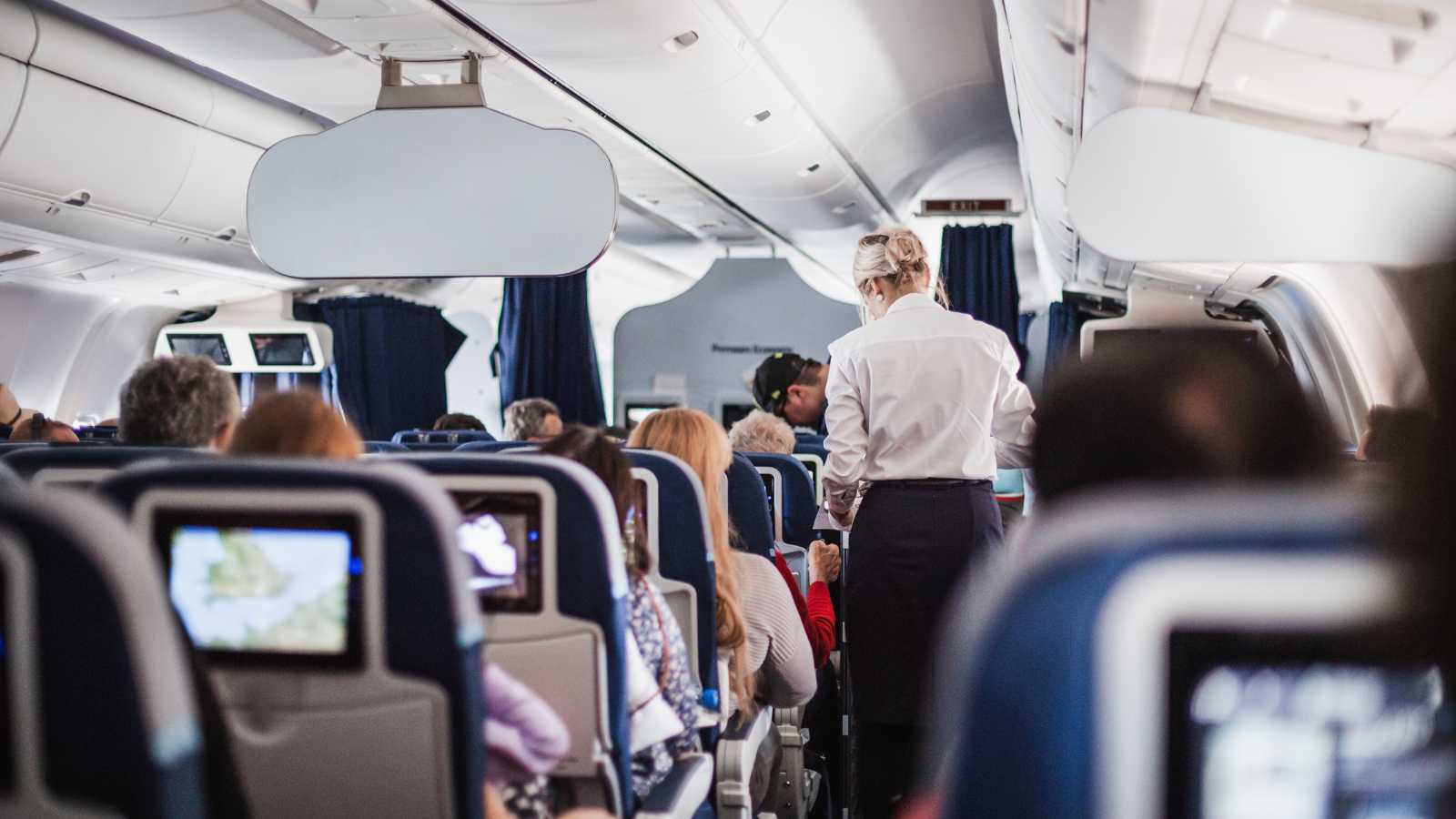
Flight attendants expect passengers to request assistance when needed. The call button exists for a reason. Problems arise when travelers repeatedly use it for minor requests that could wait during normal service rounds.
Passengers who understand timing often stand out as considerate. Waiting until attendants finish a safety task or service cart run shows awareness of the crew’s workload.
That level of patience allows flight attendants to respond more efficiently to passengers who genuinely need help.
They Follow Seatbelt Instructions

Seatbelt rules exist to protect passengers during unexpected turbulence. Aviation experts note that turbulence remains one of the most common causes of in-flight injuries. Even clear skies can produce sudden air movement.
Save this article
Passengers who keep their seatbelts loosely fastened while seated demonstrate awareness of safety practices. Flight attendants frequently mention that cooperative passengers who follow these instructions reduce the risk of injury and help maintain a safer cabin environment.
They Treat Flight Attendants With Respect
Flight attendants perform safety roles that go far beyond serving drinks. Cabin crew members receive extensive emergency training covering evacuations, medical incidents, and safety procedures.
Respectful passengers acknowledge this professional responsibility. Simple gestures like saying hello, using polite language, and showing patience during busy service periods can make a big difference.
Crew members often remember passengers who treat them as professionals rather than personal assistants.
They Keep the Aisle Clear

The aisle serves as a critical pathway for both passengers and crew. Blocking the aisle while reorganizing bags or stretching for long periods can slow service and delay movement throughout the cabin.
Experienced travelers typically step into their row or wait briefly near their seat instead of stopping in the middle of the aisle. This habit keeps traffic flowing smoothly and helps flight attendants move quickly with food carts or during safety procedures.
They Manage Personal Space

Airplanes offer limited space, making personal awareness especially important. Small gestures, keeping elbows within armrests, reclining seats slowly, and avoiding loud conversations, can make neighboring passengers more comfortable.
Travel behavior studies suggest that personal space conflicts remain one of the most common sources of tension during flights. Passengers who remain aware of how their actions affect those nearby often contribute to a calmer cabin environment.
They Stay Calm During Turbulence

Turbulence can make many travelers nervous. Flight attendants often notice that calm passengers help maintain a relaxed atmosphere in the cabin. Anxiety spreads quickly in confined environments, so composed behavior helps reduce tension.
Aviation safety experts emphasize that modern aircraft are built to handle turbulence safely. Passengers who follow instructions and remain seated during rough air allow the crew to manage the situation more effectively. Calm cooperation often reassures others around them.
They Clean Up Their Space

Likable passengers usually leave their seating area reasonably tidy before landing. Flight attendants handle multiple tasks during short turnaround times between flights.
Excessive trash or spilled items can significantly slow the cleaning process. Frequent travelers often gather wrappers, cups, and personal belongings before landing announcements.
These small habits show respect for the crew and the next passengers boarding the aircraft. A tidy seat also makes cabin service more efficient.
They Say Thank You When Leaving
A simple thank-you at the end of the flight often leaves a lasting impression on cabin crews. Flight attendants spend hours ensuring safety and comfort for hundreds of travelers. Recognition of that effort can brighten a long workday.
Courtesy during deplaning also keeps the exit process smooth. Passengers who wait their turn and allow the rows ahead to leave first help prevent aisle congestion.
Ending the flight with patience and gratitude creates a positive final moment for both crew and fellow travelers.
Key Takeaways

- Air travel works best when passengers show awareness of shared space and safety rules.
- Organized boarding, efficient luggage storage, and listening to safety instructions help flights run smoothly.
- Respectful communication with flight attendants improves the overall cabin experience.
- Small habits like keeping aisles clear and cleaning up seats reduce stress for both crew and passengers.
- Kindness and patience often make travelers stand out as the most pleasant passengers on board.
Disclaimer: This list is solely the author’s opinion based on research and publicly available information. It is not intended to be professional advice.
Like our content? Be sure to follow us