

Protein intake influences far more than muscle mass; it shapes vascular function and pancreatic insulin dynamics over time. The National Library of Medicine reports that replacing portions of animal protein with plant protein is associated with lower cardiovascular disease and type 2 diabetes risk. However, the evidence is rated as limited but suggestive.
One meta-analysis found an 8–12% lower risk of all-cause and cardiovascular mortality with higher plant protein intake. The Rotterdam Study linked higher animal protein intake to a 28% higher cardiovascular mortality risk between the highest and lowest quartiles.
Mechanistic research helps explain these patterns. Certain animal protein sources and amino acid profiles are associated with endothelial dysfunction, oxidative stress, and impaired insulin signaling. In contrast, plant and fish proteins typically come packaged with fiber, unsaturated fats, and anti-inflammatory compounds. Over decades, these differences can either increase or ease the workload placed on blood vessels and pancreatic beta cells.
Animal Proteins and Vascular Stress
Red and processed meats provide protein along with saturated fat, heme iron, sodium, and vessel-stressing cooking compounds. The National Library of Medicine shows that processed meat intake is strongly associated with coronary heart disease risk. More recent studies in older adults report that each additional daily serving of red meat is linked to a roughly 20–22% higher risk of atherosclerotic cardiovascular disease.
Gut microbiota–derived metabolites such as TMAO, along with oxidative products from cooked meats, impair endothelial function and promote arterial stiffness. Acute feeding studies show higher oxidative stress after processed meat meals compared with plant-based meals. Long-term diets rich in red and processed meats also raise blood pressure and LDL cholesterol. Together, these effects quietly increase cumulative vascular strain.
Branched-Chain Amino Acids and Insulin Signaling
Branched-chain amino acids (leucine, isoleucine, and valine) are abundant in many animal proteins and supplements and are consistently linked to insulin resistance. Metabolomic and longitudinal cohort studies show that higher circulating BCAA levels are associated with lower insulin sensitivity. They also link higher BCAA levels to a significantly greater future risk of type 2 diabetes, even after adjusting for body mass index.
Mechanistic models suggest that excess BCAAs and their metabolites disrupt insulin signaling and mitochondrial function in muscle, reducing glucose uptake. This increases insulin demand and forces pancreatic beta cells to work harder to maintain normal blood glucose. Chronic exposure from large amounts of red meat or supplements may therefore add to pancreatic strain, particularly in metabolically vulnerable individuals.
Processed Proteins and Pancreatic Load

Processed protein foods such as sausages, deli meats, and some protein bars combine protein with sodium, preservatives, refined fats, and added sugars. The National Library of Medicine shows that processed meat meals produce higher oxidative stress and unfavorable gut hormone responses compared with plant-based meals. These effects worsen insulin sensitivity and increase insulin requirements.
Observational data link higher processed meat intake to greater type 2 diabetes risk. Mechanistic reviews identify insulin resistance and beta-cell stress as key pathways. When protein is delivered with refined carbohydrates and inflammatory additives, pancreatic workload rises throughout the day. Over the years, this added demand may contribute to earlier beta-cell fatigue.
Plant Proteins and Vascular Protection
Plant proteins from legumes, nuts, seeds, and whole grains supply amino acids alongside fiber, potassium, and phytonutrients that support vascular health. Meta-analyses associate higher plant protein intake with about an 8% lower all-cause mortality risk and a 12% lower cardiovascular mortality risk. Substitution studies also suggest lower cardiovascular disease and diabetes incidence when plant protein replaces animal protein.
Save this article
These foods improve lipid profiles, reduce oxidized LDL, and support endothelial function, while their fiber content slows glucose absorption and blunts insulin spikes. Nuts, in particular, are linked to modestly lower blood pressure and reduced hypertension risk. Over time, these combined effects protect both blood vessels and pancreatic beta cells.
Fish Proteins and Anti-Inflammatory Effects
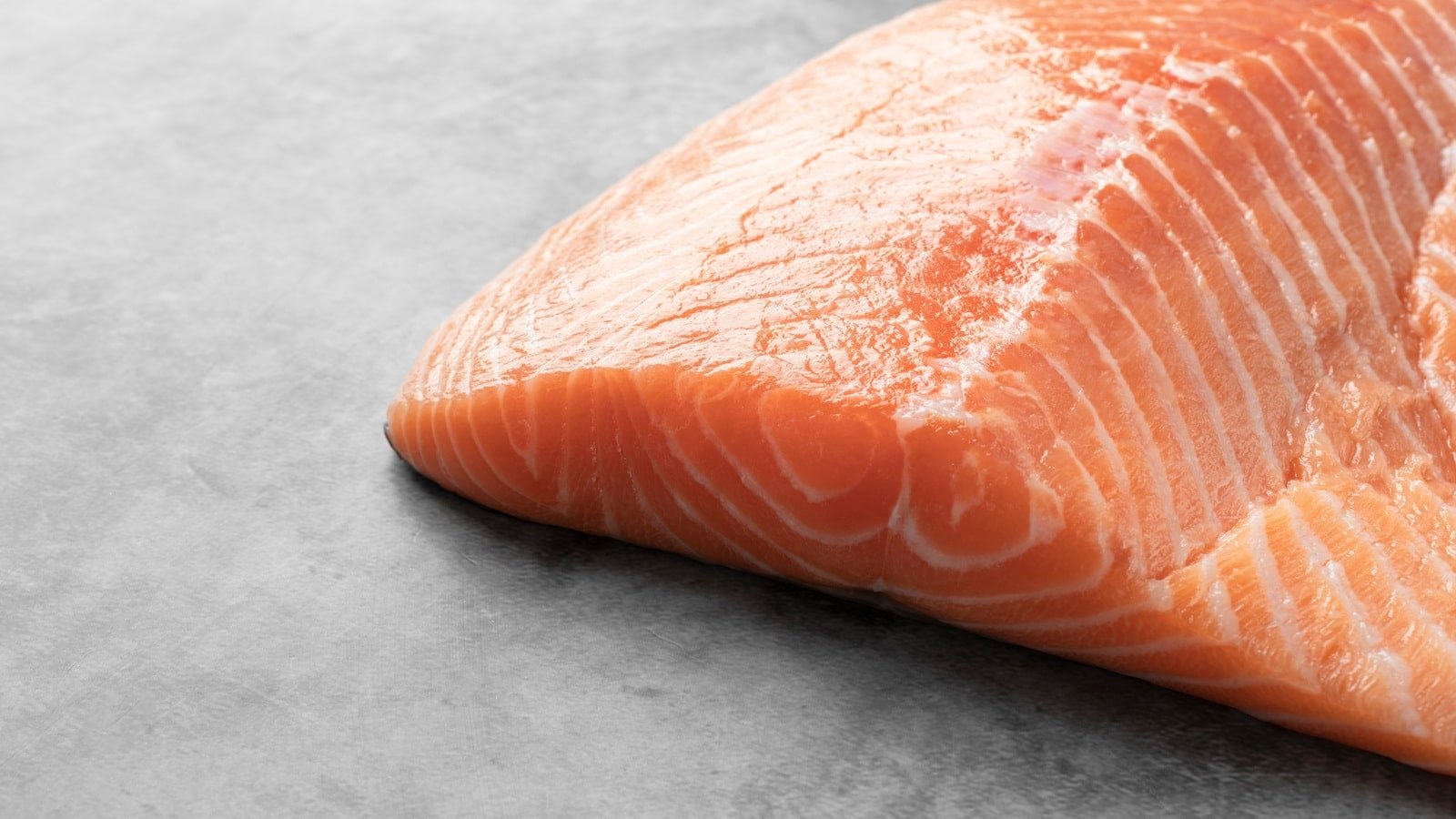
Fish provides high-quality protein together with marine omega-3 fatty acids that exert anti-inflammatory and vascular benefits. The National Library of Medicine shows that higher omega-3 status improves insulin sensitivity, lowers fasting glucose, and reduces hs-CRP.
Mediterranean-style dietary patterns that include fish several times per week are linked to lower cardiovascular disease risk and better endothelial function. Omega-3 fats also improve muscle and liver metabolism in insulin-resistant states, indirectly reducing pancreatic insulin demand. Choosing fish instead of processed or fatty red meats supports healthier vascular and glucose regulation.
Protein Quantity Versus Protein Context
Total protein intake appears less important than protein source and dietary context. In the Rotterdam Study, higher total protein intake, largely from animal sources, was associated with higher all-cause and cardiovascular mortality. In contrast, meta-analyses consistently link higher plant protein intake to lower mortality risk.
Substituting animal protein with plant protein shifts amino acid profiles and lowers dietary acid load. It also adds fiber and antioxidants that reduce inflammation and vascular stress. Distributing protein across meals from diverse sources appears metabolically safer than concentrating large portions of processed or red meat.
Long-Term Metabolic Implications
Over decades, protein choices influence vascular aging and the cumulative workload placed on pancreatic beta cells. Cohort and mechanistic evidence link higher red and processed meat intake to greater cardiovascular and diabetes risk. Key pathways include inflammation, endothelial dysfunction, and insulin resistance.
In contrast, higher intake of plant and fish proteins is associated with lower cardiovascular mortality, better insulin sensitivity, and lower inflammatory markers. Long-term mortality analyses show a higher risk in the top animal protein quintiles and a lower risk with greater plant protein intake. Emphasizing minimally processed plant and fish proteins provides a practical strategy to support vascular and pancreatic health across the lifespan.
Key Takeaway

Protein type and food context strongly influence vascular and pancreatic health, even when total intake appears similar. Diets high in red and processed meats and BCAA-heavy patterns are linked to greater cardiovascular and diabetes risk. In contrast, plant and fish proteins consistently show protective associations.
Replacing portions of animal protein with legumes, nuts, seeds, whole grains, and fish can reduce vascular stress. This substitution also eases pancreatic workload and supports long-term metabolic stability.
Disclosure: This article was developed with the assistance of AI and was subsequently reviewed, revised, and approved by our editorial team.
Disclaimer – This list is solely the author’s opinion based on research and publicly available information. It is not intended to be professional advice.





