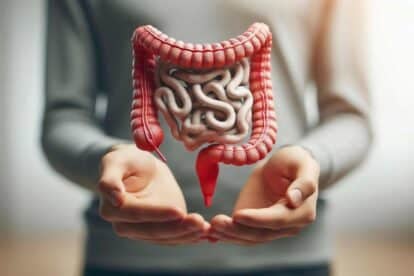
You might think those wild nights in your teens are long behind you, but your body never forgets them
The choices we make when we’re young can feel like they exist in a bubble, disconnected from the adults we’ll eventually become. That feeling of youthful invincibility can make grabbing a drink under the age of 21 seem like no big deal, just a rite of passage. But those early encounters with alcohol are more than just fleeting moments; they are laying the groundwork for your future health, relationships, and overall well-being in ways you might not expect.
What happens in your teens and early twenties doesn’t just stay there. Think of your body and brain as a construction project during those years; alcohol acts like a reckless contractor, making shoddy changes to the blueprint. These changes can create subtle cracks in the foundation that don’t become obvious until years later, leading to significant problems that could have been avoided. Let’s look at the long-term impact of underage drinking.
It Weakens Your Skeleton

Your body does most of its bone-building during your adolescent and young adult years, reaching peak bone mass by around age 30. Alcohol interferes with this critical process. It disrupts the hormones that regulate bone growth and limits your body’s ability to absorb calcium, a key building block for a strong skeleton. This means you might not build the strong foundation you’re supposed to.
This can have painful consequences later in life. Failing to reach your peak bone mass significantly increases your risk for osteoporosis, a condition where bones become brittle and fragile. Those beers you had at 19 could be the reason you suffer a debilitating hip fracture at 60.
It Stunts Your Brain’s Development
The human brain isn’t fully baked until you hit your mid-twenties, with the prefrontal cortex, your decision-making center, being one of the last parts to mature. Introducing alcohol during this critical growth period is like pouring water on a computer’s motherboard. It can interfere with the development of vital neural pathways, affecting everything from impulse control to problem-solving skills down the road. This isn’t a temporary fog; it’s a fundamental change in your cognitive hardware.
These developmental disruptions can lead to lasting cognitive deficits. You might find it harder to plan, organize, and manage your emotions as an adult. NIH researchers have found that alcohol use can shrink the hippocampus, the part of the brain crucial for memory and learning. Essentially, you’re robbing your future self of some of your full intellectual potential before it even has a chance to blossom.
It Greatly Increases Your Addiction Risk
Starting to drink early dramatically raises the stakes for developing alcohol use disorder (AUD) later in life. When an adolescent brain gets a taste of alcohol, its reward system can get hardwired to crave it. It’s like creating a shortcut for dependency that a fully developed brain would be more equipped to resist. This makes the transition from casual drinking to problematic dependency much faster and more likely.
The statistics on this are startling and precise. According to the National Institute on Alcohol Abuse and Alcoholism (NIAAA), people who start drinking before the age of 15 have a high risk of developing alcohol dependence. You are essentially giving addiction a massive head start by inviting it in during your most vulnerable developmental period.
It Wreaks Havoc On Your Liver
Your liver is the body’s primary filter, a tireless worker that processes toxins, and alcohol is one of the biggest toxins it has to handle. When you drink heavily in your youth, you put your liver into overdrive, forcing it to work much harder than it was designed to. This constant stress can lead to inflammation and fatty liver disease, even in young people. Think of it as putting too many miles on a brand-new car; the engine will wear out much sooner.
Over time, this early damage can accumulate and lead to irreversible conditions. The initial harm might not show symptoms, but it sets the stage for serious problems like alcoholic hepatitis and cirrhosis in your 30s, 40s, and beyond. Every binge drinking session in your youth is a deposit into a bank account of future liver failure.
It Sets Your Heart Up For Failure

While we often associate heart problems with old age, the habits that cause them start much earlier. Binge drinking in your teens and twenties can lead to high blood pressure and damage your heart muscle. This early strain weakens the heart over time, making you more susceptible to conditions like arrhythmias and even heart attacks in middle age. It’s like intentionally fraying a rope that you’ll need to rely on for the rest of your life.
This isn’t just a hypothetical risk; the damage is measurable. A News Medical report found that teen drinkers showed signs of arterial stiffening, a key precursor to cardiovascular problems. You are literally aging your arteries faster, setting a course for heart disease long before you’re thinking about retirement.
It Can Trigger Lifelong Mental Health Issues
There is a strong and complicated link between early alcohol use and mental health disorders. Many people start drinking to self-medicate for anxiety or depression, but alcohol is a depressant and ultimately makes these conditions worse. Starting this cycle early can create a deep-seated pattern of using a substance to cope, preventing the development of healthier strategies.
Furthermore, heavy drinking can alter brain chemistry in a way that makes you more vulnerable to mental illness. Research from the American Addiction Centers shows that early and heavy alcohol use is a significant risk factor for developing major depressive disorder later in life. Instead of easing your emotional pain, you are creating a chemical imbalance that can haunt you for decades.
It Shapes Your Future Relationships
The way you interact with others while under the influence of alcohol can set the tone for your future social life. If your formative social experiences all involve drinking, you may struggle to connect with people in sober settings. This can lead to a social life that revolves around bars and parties, making it difficult to form deep, meaningful connections. You learn to associate fun and friendship with alcohol, a link that can be very hard to sever.
Save this article
This can also impact your romantic relationships. Patterns of poor communication, jealousy, and conflict that emerge during drunken arguments can become normalized. You might subconsciously seek out partners who enable your drinking habits, leading to a cycle of unhealthy and codependent relationships.
It Derails Your Career Path
The consequences of youthful drinking can easily spill over into your professional life. Poor academic performance in high school or college due to hangovers or partying can limit your career options from the start. Missed classes and failed exams can close doors to opportunities you might not even know you’ve lost. This isn’t just about a bad grade; it’s about a lower starting point on the ladder of success.
This impact can follow you into the workforce. A history of DUIs or other legal trouble related to alcohol can make you a less attractive candidate to employers. According to the U.S. Drug Test Centers, drug testing costs businesses in America roughly $81 billion in lost productivity annually. A youthful drinking problem can become a permanent stain on your resume, affecting your earning potential for life.
It Increases Your Overall Cancer Risk
Many people are unaware that alcohol is classified as a Group 1 carcinogen, putting it in the same category as tobacco and asbestos. The link between alcohol and various cancers, including those of the mouth, throat, esophagus, liver, and breast, is well established. Every drink you take increases that risk, and the damage starts accumulating from your very first sip. The earlier you start, the more time the damage has to build.
The numbers are sobering. The National Cancer Institute reports that alcohol use is one of the most important preventable risk factors for cancer, after tobacco use and excess body weight. Thinking of cancer as an “old person’s disease” is a dangerous mistake when your choices today are actively increasing your odds of getting it.
It Impairs Your Memory, For Good
Frequent blackouts from binge drinking in your youth are not just a funny story for later; they are signs of serious neurological distress. Alcohol directly impacts the hippocampus, the brain region responsible for forming new memories. Repeatedly overwhelming this system can cause long-term damage, impairing your ability to learn and recall information as you age. You are essentially eroding your brain’s ability to create a record of your life.
This isn’t just about forgetting a wild night out. This damage can contribute to a faster cognitive decline in your later years. Those lost memories from your youth could be an early warning sign of a future where you struggle to remember the names of your loved ones.
It Weakens Your Immune System

Chronic alcohol consumption suppresses your immune system, making you more vulnerable to getting sick. When you drink heavily, particularly in your formative years, you’re compromising your body’s primary defense network. This means more colds, more flu, and a slower recovery time from illnesses and injuries. Your body is too busy processing the alcohol to fight off invading germs effectively.
This weakened immunity can have lasting effects. A compromised immune system is less effective at identifying and destroying abnormal cells, which can increase the risk of infections and, over time, certain cancers. You are essentially taking your body’s security guards off duty, leaving you exposed to a host of health threats for years to come.
Disclaimer – This list is solely the author’s opinion based on research and publicly available information. It is not intended to be professional advice.
Like our content? Be sure to follow us.
How Total Beginners Are Building Wealth Fast in 2025—No Experience Needed

How Total Beginners Are Building Wealth Fast in 2025
I used to think investing was something you did after you were already rich. Like, you needed $10,000 in a suit pocket and a guy named Chad at some fancy firm who knew how to “diversify your portfolio.” Meanwhile, I was just trying to figure out how to stretch $43 to payday.
But a lot has changed. And fast. In 2025, building wealth doesn’t require a finance degree—or even a lot of money. The tools are simpler. The entry points are lower. And believe it or not, total beginners are stacking wins just by starting small and staying consistent.
Click here and let’s break down how.