

After years of post-pandemic growth, Las Vegas is confronting a reality that even record events and luxury spending can’t fully offset.
Las Vegas has long sold itself as a destination that never slows down, built on constant reinvention and spectacle. Yet signs of strain have become harder to ignore. Data from the Las Vegas Convention and Visitors Authority shows that visitation has struggled to consistently return to its 2019 peak of more than 42 million visitors. Fewer tourists may not sound alarming at first, but for a city powered by foot traffic, even small declines ripple quickly.
Tourism does not fall off for a single reason, especially in a place as complex as Las Vegas. Shifts in travel costs, changing entertainment habits, competition from other destinations, and evolving traveler expectations all play a role. Together, these pressures reshape how people decide where to spend their time and money. Understanding the forces behind declining tourism helps explain not just what is happening in Las Vegas, but how the travel industry itself continues to change.
Vegas Isn’t Dying. It’s Coming Down.
Las Vegas is still crowded, still loud, still capable of dazzling excess. But beneath the neon, the city is easing out of a once-in-a-generation high. The Las Vegas Convention and Visitors Authority reports that about 41.7 million people visited in 2024, roughly 2 percent more than in 2023 but still shy of the 42.5 million who came in 2019, before the world shut down. The surge that followed COVID felt euphoric, a rush of pent-up demand released all at once.
Tourism analysts have described 2023 and 2024 as the peak of revenge travel, supercharged by the Super Bowl, blockbuster concert residencies, and a calendar thick with sports spectacles. A 2025 hospitality outlook from CBRE framed the moment plainly, calling the current slowdown not a collapse but a shift. Las Vegas is not falling apart. It is stepping back from an unusually strong spending cycle.
The Numbers Are Starting to Slip
From January through June 2025, Las Vegas welcomed about 19.55 million visitors, according to monthly counts published by the Las Vegas Convention and Visitors Authority. That figure represents a 7.3 percent decline from the same period in 2024, a meaningful retreat that suggests the year will not match last year’s pace.
The consumer travel site Las Vegas Advisor calculates that 2025 is tracking roughly 1.5 million visitors behind 2024 at midyear. Monthly data underline the trend. In September 2025, LVCVA figures show visitation down 8.8 percent year over year, hotel occupancy at 78.7 percent, and revenue per available room nearly 9 percent lower. The Strip still looks packed. The math tells a quieter story.
Midweek Is Feeling the Absence
Conventions are the city’s circulatory system, moving people through hotel rooms on days leisure travelers tend to avoid. In September 2025, convention attendance fell 18.7 percent, according to LVCVA convention statistics. One major reason was the absence of MINExpo, which draws roughly 45,000 attendees and did not take place that year, along with other shows that shifted dates.
A Clark County tourism performance report noted a roughly 9 percent decline in convention center rental revenue, alongside pressure on monorail revenues. Local officials have acknowledged publicly that Las Vegas leans heavily on leisure tourists during the summer, and that a lighter convention schedule makes seasonal dips sharper. When the badges vanish, thousands of room nights go with them.
A More Cautious Traveler
Economic unease is quietly shaping travel decisions. An audit of the Las Vegas Convention and Visitors Authority for fiscal year 2025 found a 2.4 percent decline in its revenue, tied to softer visitation, lower room tax collections, and reduced airport passenger counts. These are not abstract numbers. They reflect fewer bookings and shorter stays.
Industry analysts have linked the slowdown to inflation, job uncertainty, and a broader cooling in construction and consumer confidence. A 2025 commentary from the hospitality analytics firm STR noted a growing preference for shorter, purpose-driven trips over longer, free-spending vacations. When everyday costs feel heavier, indulgence becomes more selective.
When Vegas Stops Feeling Like a Deal
Prices are part of the story. Local reporting from the Las Vegas Review-Journal shows that April 2025 visitation was down more than 6 percent from the prior year, even as crowds appeared thick. During the same month, Nevada Gaming Control Board data show Strip gaming revenue fell nearly 3 percent year over year.
Travel writers and analysts have increasingly criticized Las Vegas marketing for sidestepping affordability. Many visitors still expect a city built on bargains, not resort fees and premium pricing at every turn. Analysts at JLL have warned that a deliberate tilt toward affluent visitors can preserve tax revenue even as total visitor counts fall. The risk is that budget-conscious travelers feel priced out and quietly choose somewhere else.
The Missing International Crowd
Before the pandemic, international travelers were a significant pillar of Las Vegas tourism. LVCVA estimates show that about 5.7 million overseas visitors came in 2019, roughly 13 percent of total visitation. These guests tend to stay longer and spend more, amplifying their economic impact.
Recent audits and market analyses from the LVCVA have pointed to weaker international demand through 2025, contributing to softer hotel occupancy and room tax receipts. Global economic uncertainty and shifting airline capacity have made overseas travel more fragile than domestic trips. When fewer Canadians, Europeans, and Asian high rollers arrive, the Strip notices.
Big Events Can Hide Small Weaknesses
Part of the contrast between perception and reality lies in timing. Tourism economists note that 2024 was unusually rich in demand drivers. The Super Bowl, March Madness exposure, championship sports runs, and even election year traffic pushed Las Vegas into the national spotlight, inflating numbers beyond what a typical year would deliver.
Without those anchors, 2025 has exposed a thinner baseline. Even so, the power of events remains clear. LVCVA convention data show that April 2025 convention attendance rose 14 percent year over year, boosted by WrestleMania and a dense trade show calendar. These spikes are real. They are also temporary.
Save this article
Shorter Stays, Tighter Wallets

Visitor behavior is changing in subtle ways. Hospitality analysts at PwC have described a shift away from weeklong, open-ended vacations toward shorter trips tied to specific events. That change reduces the number of nights stayed, even if headline visitor counts remain respectable.
A tourism outlook published by the University of Nevada, Las Vegas International Gaming Institute points to political and economic instability as drivers of this caution. Travelers still come. They just commit less. Fewer nights mean less spent on rooms, tables, shows, and everything in between.
The Balance Sheets Tell the Story
Behind the scenes, the financial signals are clearer than the crowds. An LVCVA audit found that room tax receipts in the first quarter of fiscal year 2026 were about 14 percent lower than the same period a year earlier. That drop suggests not only fewer guests, but also lower effective nightly rates.
The same report noted continued pressure on convention and monorail revenues, evidence that the slowdown extends beyond weekend leisure travelers. Industry data from STR shows declines in revenue per available room and average daily rates in the first half of 2025, as hotels discounted more aggressively to fill beds. The spreadsheets are less forgiving than the casino floor.
A Downturn, Not an Unraveling
Local leaders have been careful with their language. The LVCVA’s chief executive has described the current moment as a downturn for a period of time, not a replay of the Great Recession or the pandemic collapse. Nevada Gaming Control Board figures support that view, showing that Strip gaming revenue remains historically strong, even with fewer visitors.
Analysts argue that this resilience reflects a business model increasingly reliant on higher spending guests. Looking ahead, officials point to a stronger convention pipeline and a packed sports calendar in 2026 as reasons for optimism. Still, the softness of 2025 has underscored a vulnerability. Las Vegas has tied much of its growth to big-ticket events and affluent travelers. When either wobbles, the city feels it.
Key Takeaway
Las Vegas continues to draw tens of millions of visitors a year, but the data from the Las Vegas Convention and Visitors Authority, state gaming regulators, and independent hospitality analysts show that 2025 marked a clear cooling after the post-pandemic boom.
Visitor counts, room revenues, and several core tourism indicators are trending down, signaling not a collapse, but a sobering return to a more fragile normal.
More articles:
- 11 charming Southern cities where you can retire on $1,400 a month
- Top 12 worst cities in America
- These 12 U.S. cities are growing so quickly residents feel overwhelmed
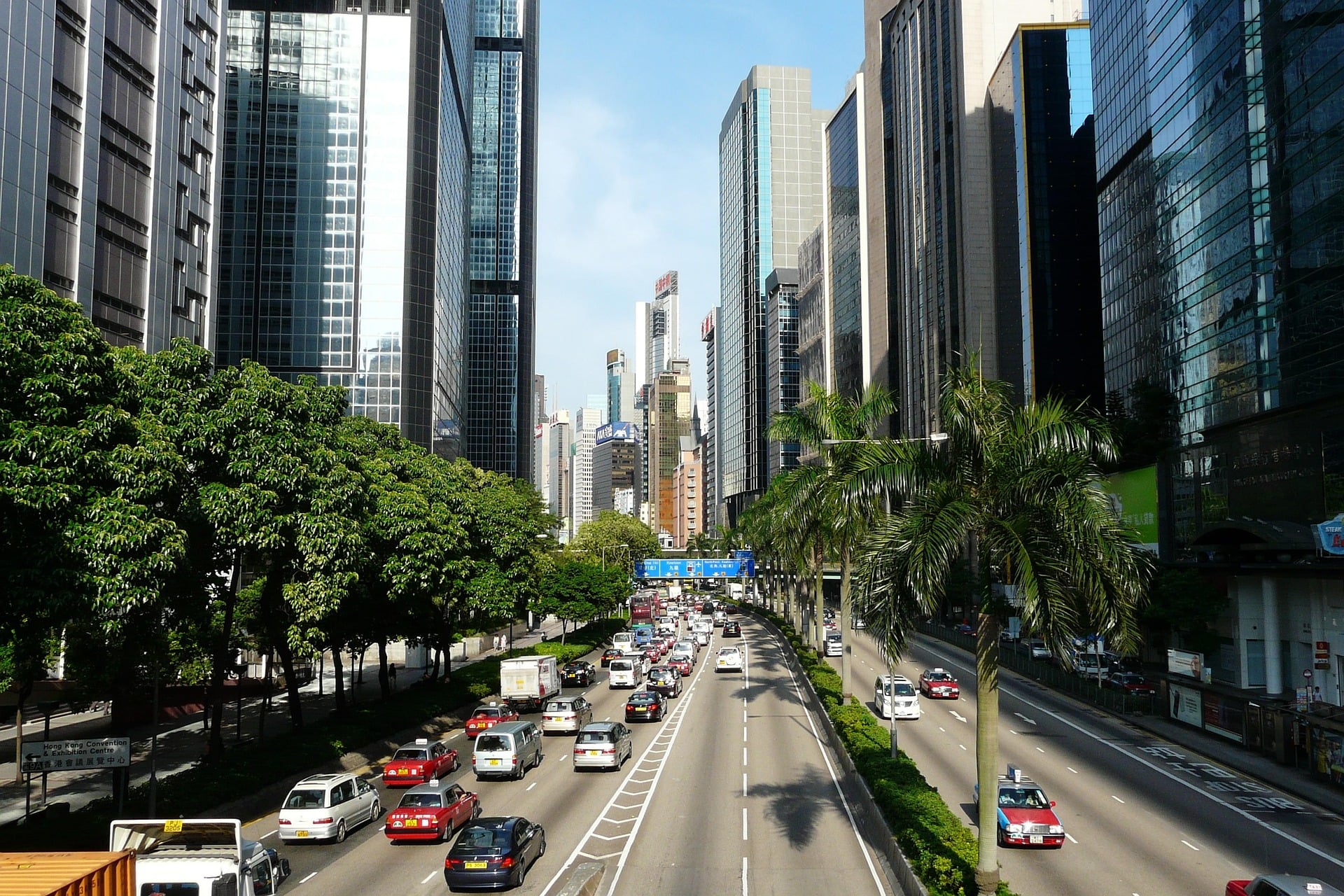
The most expensive cities to live in the world
ElmaNuffic/Pixabay
As inflation bites worldwide, a new ranking reveals the cities where simply getting by now costs a small fortune.
Curiosity about the cost of living often leads us to wonder just how far our paychecks would stretch in different corners of the globe. With inflation tightening its grip globally, the price of essentials like housing, transport, and even a simple morning espresso has skyrocketed in major metropolitan hubs. For many American families, watching these financial trends offers a fascinating, if somewhat shocking, glimpse into the global economy. Learn more.
12 Most Tourist-Friendly Cities Around the World

Alex Agrico/Pexels
Data from Statista shows that Istanbul welcomed over 20 million international visitors in 2023 and London nearly 19 million, yet newer traveler surveys suggest the cities people remember most are the ones where locals actively help, smile, and make strangers feel at home.
When it comes to travel, some cities go above and beyond to make visitors feel welcome and comfortable. Whether it’s their easy public transport, friendly locals, or top-tier hospitality, these cities stand out as tourist-friendly destinations. Learn more.





