

Texas brands itself as fiercely pro‑life on abortion. But with hundreds of executions, wrongful‑conviction scandals, and theological dissent on the death penalty, critics say its moral logic doesn’t add up.
A “pro‑life” state with the most executions
Texas is one of the most reliably conservative, “pro‑life” states in the U.S., with a dominant Republican Party that has pushed some of the strictest abortion policies in the country and openly aligns itself with pro‑life identity politics, as outlined in overviews of the politics of Texas.
At the same time, Texas has executed more people than any other state by a wide margin since the modern era of the death penalty began in 1976. According to the Texas Coalition to Abolish the Death Penalty (TCADP), Texas has executed 600 people since 1982, more than any other state by far, as detailed in its Texas Death Penalty Facts. Earlier tallies from the Texas Moratorium Network likewise noted that Texas “leads the nation by far” in executions, based on data compiled on its Quick Facts page.
Even as overall executions have declined nationwide, Texas has long remained part of a small cluster of states that carry out most of the country’s death sentences. TCADP’s annual report, Texas Death Penalty Developments in 2025, confirms that Texas remains among the most active death‑penalty states, even as many others have stopped using it or abolished it altogether, as summarized in the 2025 year‑in‑review report.
In recent years, states like Florida have at times surpassed Texas in annual executions, but news coverage still routinely describes Texas as the historic leader in capital punishment, as reflected in reporting such as “Texas, once the national leader in capital punishment, ranks far behind Florida” from KERA/TCADP‑based coverage. That history raises an obvious question: how does a state that calls itself pro‑life justify leading the nation in putting people to death?
The numbers behind Texas’ death penalty record
The basic math is stark. TCADP’s fact sheet notes that, as of mid‑2025, Texas had carried out 600 executions since resuming the death penalty, more than the next several states combined, according to Texas Death Penalty Facts. Earlier data compiled on the Quick Facts page by the Texas Moratorium Network emphasized that Texas alone accounted for roughly one‑third of all U.S. executions in the decades after the Supreme Court reinstated capital punishment.
While annual execution numbers have fallen from their peak, Texas continues to sentence people to death and to carry out executions at a rate that would be unthinkable in many other democracies, as documented across TCADP’s 2025 year‑end report. Those reports also note that most executions in the U.S. are now concentrated in a handful of states, with Texas consistently among them.
For a state that has passed near‑total abortion bans in the name of protecting life from conception, those figures are hard to square with a consistent “pro‑life” ethic.
Wrongful convictions and exonerations: can Texas be sure it’s not executing the innocent?
Supporters of the death penalty often argue that it is reserved for the “worst of the worst.” But Texas’ record on wrongful convictions suggests the system is far less reliable than that slogan implies.
TCADP’s earlier fact sheet, based on national data compiled by the Death Penalty Information Center (DPIC), reported 12 individuals released from Texas’ death row, including Anthony Graves, who spent 18 years in prison—12 of them on death row—before prosecutors dropped all charges and declared him innocent, as detailed in the group’s 2013 Texas death penalty fact sheet. More recent DPIC analysis in The Innocence Epidemic identifies 16 death‑sentenced people exonerated in Texas, placing the state near the top nationally for wrongful capital convictions; that summary is discussed in TCADP’s write‑up of the report, “The Innocence Epidemic”.
A broader DPIC‑summarized study, “Convicting the Innocent: Texas Justice Derailed” by The Justice Project, examined 39 innocent Texans who collectively spent more than 500 years in prison for crimes they did not commit, many of them in serious or capital cases. DPIC’s page on factors in wrongful convictions in Texas highlights eyewitness misidentification, flawed forensic science, false confessions, withheld exculpatory evidence, and incentivized informant testimony as recurring problems.
High‑profile cases like that of Cameron Todd Willingham—whom the Innocence Project and independent fire experts argue was likely executed for a fire that was not arson at all—have become symbols of Texas’ fallibility. The Innocence Project’s overview, “Cameron Todd Willingham’s Wrongful Execution Gains New Attention”, describes how modern fire science undermined the original arson findings only after he had already been executed. For critics, that combination of volume and documented error makes the state’s “pro‑life” branding ring hollow: a state that may have executed innocent people cannot plausibly claim to hold life as sacred in all circumstances.
Conservative theology: is the death penalty compatible with being “pro‑life”?
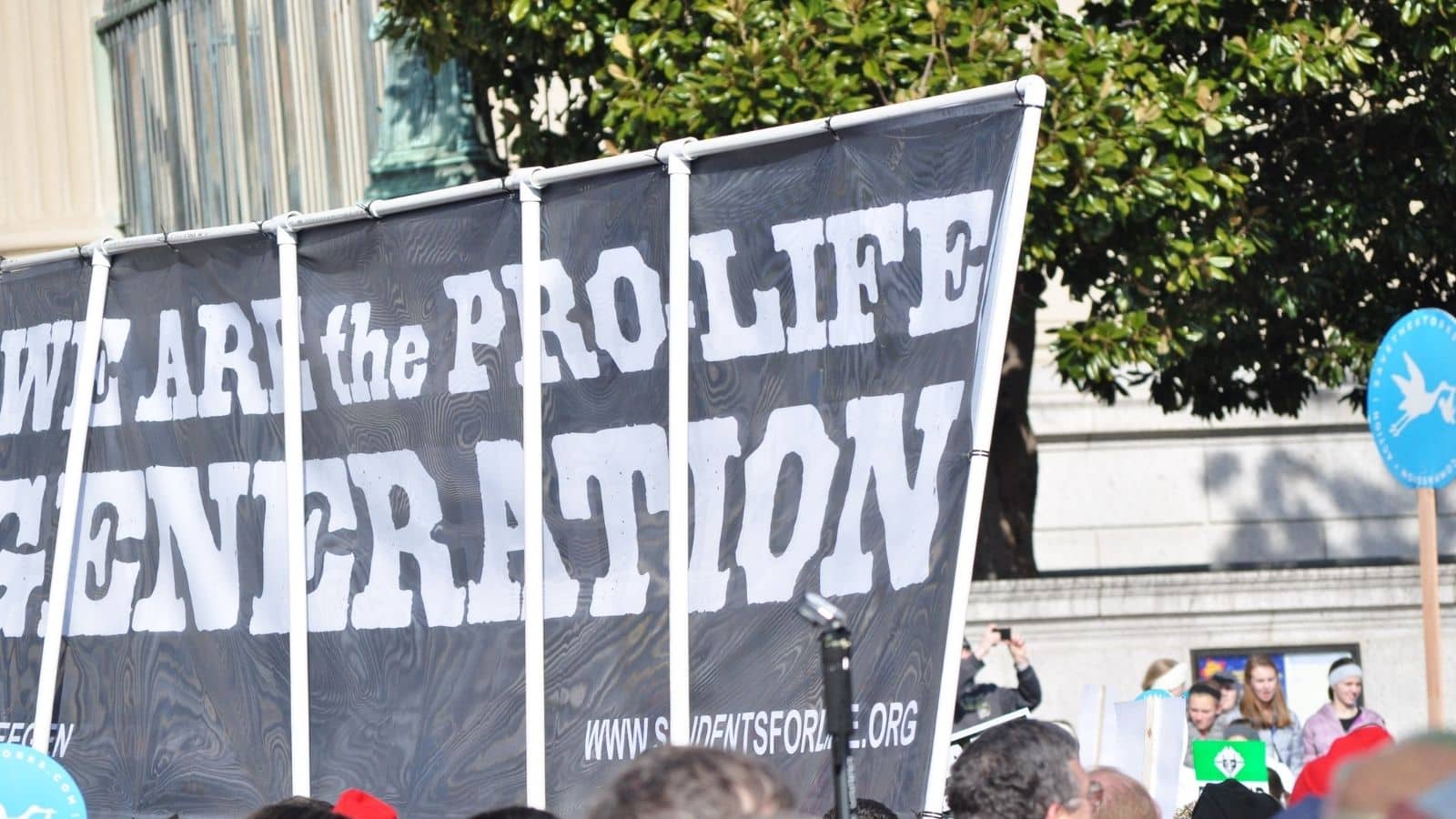
Inside conservative and religious circles, especially among Catholics and evangelicals, the death penalty debate has become more intense as pro‑life politics have hardened around abortion. The Catholic Church now teaches that the death penalty is “inadmissible” in all cases, and many Christian ethicists argue that a genuinely pro‑life stance must oppose both abortion and capital punishment.
Save this article
In a widely discussed essay on Texas politics and pro‑life ethics, theologian Charles Camosy argued that “just because a state is anti‑abortion does not mean that it is fully and truly pro‑life,” pointing to Texas as “one of the most aggressive supporters of the state’s alleged right to kill its citizens via the death penalty.” He lays out this argument in “Two Texan Anti‑Abortion Approaches (One of Them Is Pro‑Life)” in Notre Dame’s Church Life Journal, available here.
The Texas Coalition to Abolish the Death Penalty likewise frames the issue explicitly in its general fact sheet, noting that “all life is precious—from conception until the moment of natural death; the death penalty is a direct contradiction to pro‑life values,” a position outlined in its 2025 Texas Catholics Against the Death Penalty fact sheet.
At the same time, some Texas lawmakers who identify as pro‑life have doubled down on capital punishment, even trying to extend it into the abortion debate. In 2021, for example, a Texas legislator introduced a bill that would have made abortion homicide and opened the door to the death penalty for patients and providers—a move critics described as the logical endpoint of a punitive, not truly pro‑life, worldview, as reported in Truthout’s coverage of the bill. In 2024, the Texas GOP platform entertained language calling for homicide charges, potentially including capital punishment, for some abortion providers, according to reporting in The Guardian.
These debates expose a fault line: is “pro‑life” about protecting every human life as a matter of principle, or is it primarily a political brand focused narrowly on abortion?
Limited government, maximum punishment?
There is also a tension with another pillar of Texas conservatism: limited government. Capital punishment is among the most expansive uses of state power—the government’s decision to take a person’s life after a process that, Texas’ own record shows, is far from infallible.
Critics argue that a truly limited‑government approach would hesitate to grant the state irreversible power over life and death, especially in a system marred by racial disparities, prosecutorial misconduct, and flawed forensic practices documented in Texas‑specific wrongful‑conviction studies like DPIC’s “Convicting the Innocent: Texas Justice Derailed” summary and its broader Innocence Epidemic analysis. TCADP and DPIC also point out that capital cases are expensive, often costing more than life‑without‑parole sentences once lengthy appeals and heightened security are factored in, a point underscored in TCADP’s general fact sheets.
Supporters respond that the death penalty provides justice for victims and deters the worst crimes, sometimes invoking biblical arguments about the state’s authority to wield the sword; this line of reasoning appears, for example, in essays like James Nuechterlein’s “Forgiveness & the Death Penalty” in First Things, available here. But as more conservative theologians, Catholic leaders, and pro‑life advocates call for a consistent ethic of life, Texas’ aggressive execution record is increasingly hard to defend on purely pro‑life or small‑government grounds.
The core question for a “pro‑life” Texas
Texas is still, in many ways, the face of the American death penalty: a state that has executed hundreds of people, exonerated multiple death‑sentenced prisoners after years on death row, and continued to defend capital punishment even as most of the developed world has abandoned it, as reflected in TCADP’s Texas Death Penalty Facts and DPIC’s innocence reporting. At the same time, it has positioned itself at the forefront of anti‑abortion legislation, presenting that stance as proof of its deep commitment to protecting human life, a tension explored in Camosy’s Church Life Journal essay and in coverage of Texas GOP platform debates in The Guardian.
For Texans who identify as pro‑life, that creates a difficult moral calculus. If life begins at conception and remains sacred until natural death, can the state’s continued use—and documented misuse—of the death penalty be squared with that principle? Or is Texas clinging to a punishment that looks less like justice, and more like a holdover from a harsher era, dressed up in the language of law and order?
Readers, the question almost writes itself:
Can a state that leads the nation in executions truly call itself pro‑life—or is it time for Texas conservatives to rethink what being pro‑life really means when the state itself holds the power of life and death? We’d love to hear your thoughts in the comments.





