It’s 3 a.m. The house is silent. And you’re wide awake. Again.
As per the National Institutes of Health, 50 to 70 million Americans are right there with you, struggling with some sleep disorder. But here’s something you might not know. While we often discuss the struggle to fall asleep, a bigger problem is quietly brewing after the lights go out.
According to data from the U.S. Centers for Disease Control and Prevention, while 14.5% of adults had trouble falling asleep, a larger group—17.8%—had trouble staying asleep. This isn’t a minor annoyance; it’s a significant public health issue that costs the U.S. economy an estimated $411 billion annually in lost productivity, as per RAND.
This inability to stay asleep has a name: maintenance insomnia. And it’s more than just a ruined night. It’s a vital sign that something in your lifestyle, environment, or health is out of balance.
So, why does this keep happening? Let’s start with the basics

Let’s cut to the chase: stress is the number one reason you’re staring at the ceiling at 3 a.m.
Dr. Julia Kogan, a health psychologist and insomnia specialist, says high stress and anxiety are the most common culprits behind maintenance insomnia. It’s a vicious cycle. You might wake up for a perfectly normal reason, like the end of a sleep cycle. But then, your brain kicks into high gear.
“It’s not necessarily what wakes people up, but what happens after with their mind that keeps them up,” Dr. Kogan explains. Your to-do list, a work deadline, or a family worry suddenly feels urgent. Then comes the second wave of anxiety: stressing about not sleeping. This worry creates a frustrating cycle of wakefulness that keeps you from drifting back off.
Your racing mind: Stress and anxiety
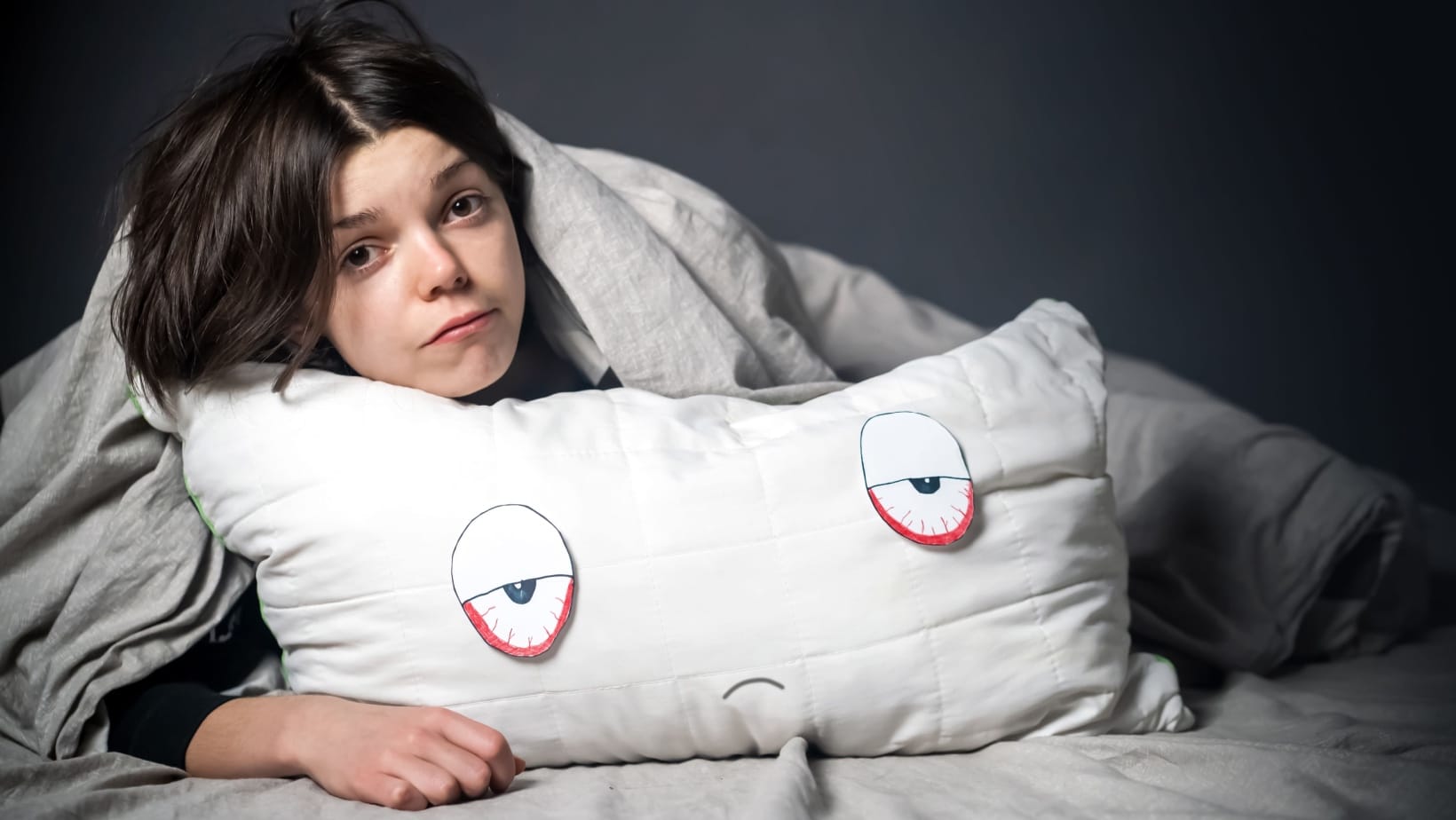
Biologically, this makes perfect sense. Stress releases cortisol, your body’s primary “alert” hormone. Typically, cortisol levels are lowest at night and peak in the morning to help you wake up. But when you’re chronically stressed, your cortisol can spike at the wrong time, jolting you awake and keeping you on high alert.
This creates a self-perpetuating nightmare. Anxiety ruins your sleep, and then the sleep deprivation makes you even more anxious the next day. It’s a feedback loop that can feel impossible to escape.
Your bedroom might be the culprit

Sometimes, the problem isn’t in your head; it’s in your room.
Sleep physician Dr. Olabimpe Fashanu notes that your sleep environment plays a significant role. Things like noise, light, a room that’s too hot or cold, an uncomfortable bed, or even a snoring partner can all be enough to disrupt your sleep.
Our modern bedrooms are often working against us. The median U.S. household has five electronic devices, and the blue light they emit disrupts the body’s production of melatonin, the hormone that signals it’s time for sleep.
It could be something you did (or didn’t) do

That 3 p.m. coffee you rely on to get through the afternoon? It could be the very thing waking you up at 3 a.m.
Caffeine is a powerful stimulant, and its effects can linger in your system for up to 8 hours. For some people, even a cup after noon is enough to cause nighttime awakenings.
And what about that glass of wine to “unwind“? It’s one of the biggest sleep myths out there.
Alcohol is a sedative, so that it might knock you out faster. But as your body metabolizes it, it triggers an “alerting effect” that disrupts your sleep in the second half of the night. This rebound effect fragments your sleep and prevents you from getting the deep, restorative rest you need.
Late-night meals and snacks

Eating a big, heavy, or spicy meal too close to bedtime can be a recipe for a sleepless night.
Your digestive system is supposed to be winding down, not working overtime. A late meal can lead to indigestion and acid reflux, which are notorious for causing discomfort that wakes you up.
These habits—the late coffee, the after-work drink, the midnight snack—aren’t just isolated choices. They’re often ingrained in the lifestyle of a busy professional. It’s a routine that helps you power through the day but may actively sabotage your sleep at night.
Your body’s internal clock is trying to tell you something

Your sleep isn’t just one long, solid block of rest. Instead, your brain moves through different stages in a predictable pattern, known as sleep architecture.
Throughout the night, you cycle between lighter and deeper stages of non-REM (NREM) sleep and the dreaming stage, known as REM sleep. Each complete cycle lasts about 90 to 120 minutes.
Here’s the surprising part: it’s completely normal to have brief “mini-awakenings” between these cycles. In fact, it can happen up to 20 times an hour, and you usually don’t even remember them.
The science of the 3 a.m. wake-up
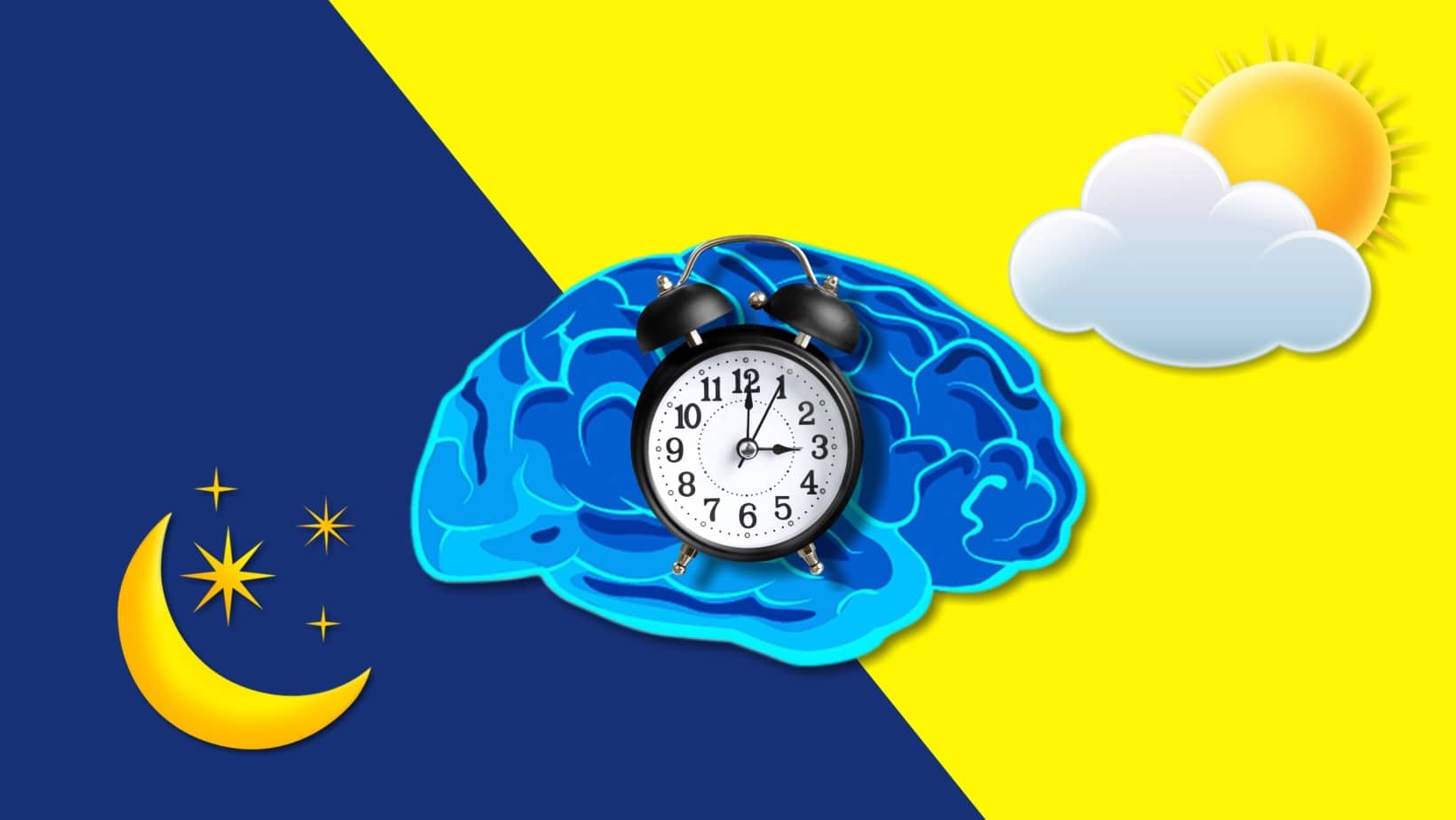
So if waking up is normal, why do you feel so alert at the same ungodly hour every night? The answer lies in your body’s master clock.
Deep inside your brain is a tiny region called the suprachiasmatic nucleus (SCN). Think of it as the central command for your body’s 24-hour internal clock, also known as the circadian rhythm.
This clock regulates the release of key hormones, including melatonin (which promotes sleepiness) and cortisol (which stimulates alertness).
When your circadian rhythm is healthy and well-aligned, melatonin levels rise in the evening, and cortisol levels surge in the morning. However, if your rhythm gets thrown off by stress, an inconsistent schedule, or excessive late-night light, your body may start releasing cortisol hours earlier than usual.
That jolt of alertness you feel at 3 a.m. could be your body’s wake-up call

Interestingly, Traditional Chinese Medicine offers another perspective. Its “Body Clock” theory suggests that your body’s energy, or qi, focuses on repairing different organs at specific two-hour intervals throughout the night. Waking consistently between 1 a.m. and 3 a.m., for example, is thought to be linked to an imbalance in the liver.
This reframes the entire problem. The goal isn’t to never wake up at night—that’s a normal biological process. The goal is to figure out why you can’t easily fall back asleep. The awakening isn’t the problem; it’s the signal.
When waking up is a severe health alert

Sometimes, that middle-of-the-night wake-up is more than just a sign of stress or a bad habit. It can be your body’s early warning system for a serious, underlying medical condition.
Sleep apnea: More than just snoring
Save this article
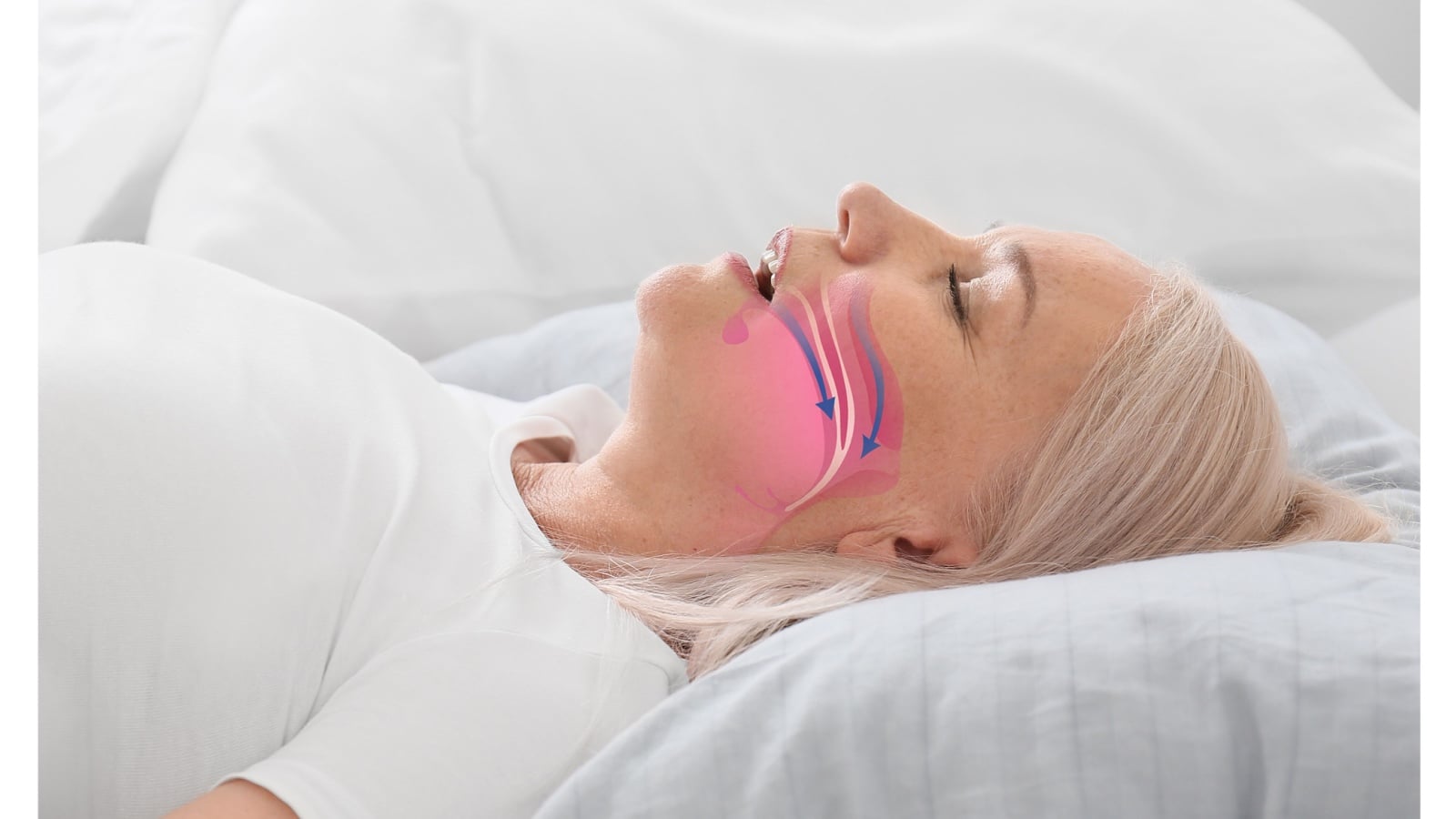
Sleep apnea is a condition where you repeatedly stop breathing for short periods during sleep because your airway becomes blocked.
Here’s what happens: as you stop breathing, the oxygen level in your blood drops. Your brain senses this danger and sends out a panic signal, briefly waking you up so you can gasp for air. This can happen five, ten, or even thirty times every hour.
You may not recall these awakenings, but they can significantly impact your sleep quality, leaving you feeling exhausted during the day.
The most alarming statistic? While obstructive sleep apnea affects about 20% of U.S. adults, a staggering 90% of them are undiagnosed. They just think they’re “bad sleepers.”
Restless legs syndrome: That uncontrollable urge to move

This neurological disorder causes an irresistible urge to move your legs, often accompanied by strange and uncomfortable sensations, such as aching, itching, or a creepy-crawly feeling.
The symptoms are triggered by rest and are almost always worse at night, making it incredibly difficult to fall asleep and stay asleep. The constant need to move your legs in search of temporary relief prevents you from ever reaching the deep, restorative stages of sleep.
Acid reflux (GERD): The burn that wakes you up

Gastroesophageal reflux disease (GERD) is another common sleep thief.
When you lie down, gravity is no longer on your side to keep stomach acid where it belongs. If the muscular valve between your esophagus and stomach is weak, acid can flow back up, causing painful heartburn, coughing, or a choking sensation that can abruptly wake you from a deep sleep.
Red flags for your heart, liver, and kidneys

Persistent nighttime symptoms can sometimes be the first sign of trouble in your body’s major organs.
According to medical research, you shouldn’t ignore these patterns:
- Heart: Waking up with chest pain, a racing heart, or palpitations could signal heart strain or an arrhythmia that’s more pronounced at rest.
- Liver: If you’re waking up with intense, persistent itching all over your body, it could be a sign of liver disease. A struggling liver can cause bile salts to build up in the skin.
- Kidneys: Needing to get up to urinate more than once a night (nocturia) can be an early sign that your kidneys are having trouble concentrating urine, a key part of their job.
These aren’t just isolated sleep issues; they are part of a dangerous domino effect. Untreated sleep apnea puts immense strain on your cardiovascular system, dramatically increasing your risk for high blood pressure, heart failure, and stroke. Ignoring these nightly signals is like ignoring the check engine light on your car—eventually, something will break down.
How to get back to sleep (and stay there)

Okay, so you understand the problem. Now, what can you actually do about it?
You can significantly improve your sleep by establishing a better sleep routine, often called “sleep hygiene.”
- Stick to a Schedule: Dr. Matthew Walker, a leading sleep scientist, says, “Regularity is king!” Go to bed and wake up at the same time every single day—yes, even on weekends. This anchors your circadian rhythm.
- Get Morning Light: Expose yourself to natural sunlight for 10-15 minutes shortly after waking to help set your internal clock for the day.
- Exercise Smart: Aim for at least 150 minutes of moderate exercise per week, but try to complete your workout at least two hours before you plan to go to bed.
- Create a Wind-Down Ritual: Allow yourself 30-60 minutes before bed to unwind and de-stress. Turn off the screens, dim the lights, take a warm bath, read a physical book, or do some light stretching. This signals to your body that it’s time to prepare for sleep.
- Make Your Bedroom a Cave: Your bedroom should be cool (around 65°F or 18°C), completely dark, and quiet.
What to do when you wake up tonight

What you do in the middle of the night can either help you get back to sleep or guarantee you’ll be awake for hours.
Here’s the best advice, straight from Dr. Matthew Walker:
Rule #1: Don’t Look at the Clock. Seriously. Hide it, turn it around, take it out of the room. Dr. Walker explains that knowing it’s 2:45 a.m. does nothing to help you. It only creates an “anxiety trigger” about how little time you have left to sleep, which makes everything worse.
Rule #2: Follow the 25-Minute Rule. If you’ve been trying to fall back asleep for about 25 minutes and it’s just not happening, get out of bed.
Why? Lying in bed, tossing and turning, teaches your brain that your bed is a place for anxious wakefulness. You need to break that association.
You’d never sit at the dinner table waiting to get hungry, so why would you lie in bed waiting to get sleepy?
Go to another room, keep the lights as dim as possible, and do something calm and relaxing—like reading a boring book (no thrillers!). Only return to bed when you feel sleepy again. This trains your brain to associate your bed with one thing and one thing only: sleep.
When it’s time to call a professional

You don’t have to live with poor sleep. If you’ve tried these lifestyle changes and you’re still struggling, it’s time to get professional help.
Here are the signs that you should make an appointment with your doctor:
- Your sleep problems are persistent. This means they occur at least three nights a week and have been ongoing for a month or more.
- It’s affecting your daily life. You’re constantly exhausted, your mood is suffering, you’re irritable, or you’re having trouble concentrating at work or while driving.
- You’re experiencing red flag symptoms. If you or your partner notice you’re gasping for air at night, or if you’re dealing with issues like intense nighttime itching or frequent urination, don’t wait. Get it checked out.
A doctor can help identify the root cause of your sleep disruption. They may suggest additional lifestyle changes, recommend a sleep study to evaluate conditions such as sleep apnea, or refer you to a sleep specialist for more targeted treatment.
Key Takeaway

- Waking up at night is common, but an inability to fall back asleep is a potential health signal. Your body is trying to tell you something is off.
- Stress, anxiety, and lifestyle habits (like late caffeine or alcohol) are major culprits. These common aspects of modern life can disrupt your internal clock.
- Underlying medical conditions like sleep apnea, RLS, and GERD are serious and often undiagnosed causes. These are not just “sleep problems” but can have severe consequences for your overall health.
- Enhance your sleep with consistent routines and a well-optimized bedroom. If you wake up, get out of bed instead of tossing and turning to retrain your brain.
- If sleep problems persist and affect your daily life, see a doctor. Don’t ignore the message your body is sending. A good night’s sleep isn’t a luxury; it’s a fundamental pillar of your health.
Disclaimer – This list is solely the author’s opinion based on research and publicly available information. It is not intended to be professional advice.
Disclosure: This article was developed with the assistance of AI and was subsequently reviewed, revised, and approved by our editorial team.
Like our content? Be sure to follow us.
10 Simple Habits to Recharge Your Mind and Body

10 Simple Habits to Recharge Your Mind and Body
Feeling drained doesn’t always come from significant events like a sleepless night or an intense workout — often, it’s the small daily choices that leave us running on empty. The good news is that science shows simple, consistent habits can help restore balance. From mindful breathing to nourishing foods, these practical routines recharge both mental clarity and physical stamina.
Here are 10 simple habits to recharge your mind and body, backed by research and easy enough to start today.