

A 2019 study by tech care company, Asurion, found that the average person checks their phone 96 times per day, roughly once every 10 minutes.
We all treat our smartphones like an extension of ourselves, tossing them onto random surfaces or stuffing them into tight pockets. But while they’re amazing devices, they’re not indestructible, and many of the common places we store them are prime spots for bacterial growth or hardware damage.
We’ve all done it: plopped our expensive smartphones onto a random surface or tucked them into a tight pocket without a second thought. Our phones have become our digital shadows, following us from the breakfast table to the gym and everywhere in between.
But while these devices are marvels of modern engineering, they aren’t invincible. In fact, some of the most common places we store our phones are essentially high-speed lanes for bacterial growth or hardware failure.
The lifestyle of a modern smartphone is hazardous. If you want your device to last longer than your last Netflix binge, it’s time to stop treating it like a rugged brick. We’ve rounded up the 12 absolute worst places to stash your tech that will make you reach for the disinfectant immediately.
The kitchen counter

Cooking a new recipe is exciting, but have you ever thought about what’s happening on your kitchen counter while you’re chopping veggies or handling raw meat? Tiny, invisible germs are having a field day, and your phone is right there, picking up every last one.
It’s not just about flour or sauce splatters; these little microbes thrive in the spots we think are “clean.” Research shows that about 68% of mobile phones are contaminated with microbes, more than two out of every three devices tested worldwide. That’s a lot of germs for something you press against your face dozens of times a day.
Your phone isn’t just a device; it’s basically a tiny petri dish. Leaving it on your cutting board or near raw food? That’s like inviting a biological disaster into your meal prep, and no hand sanitizer can completely save it.
The dashboard of your car
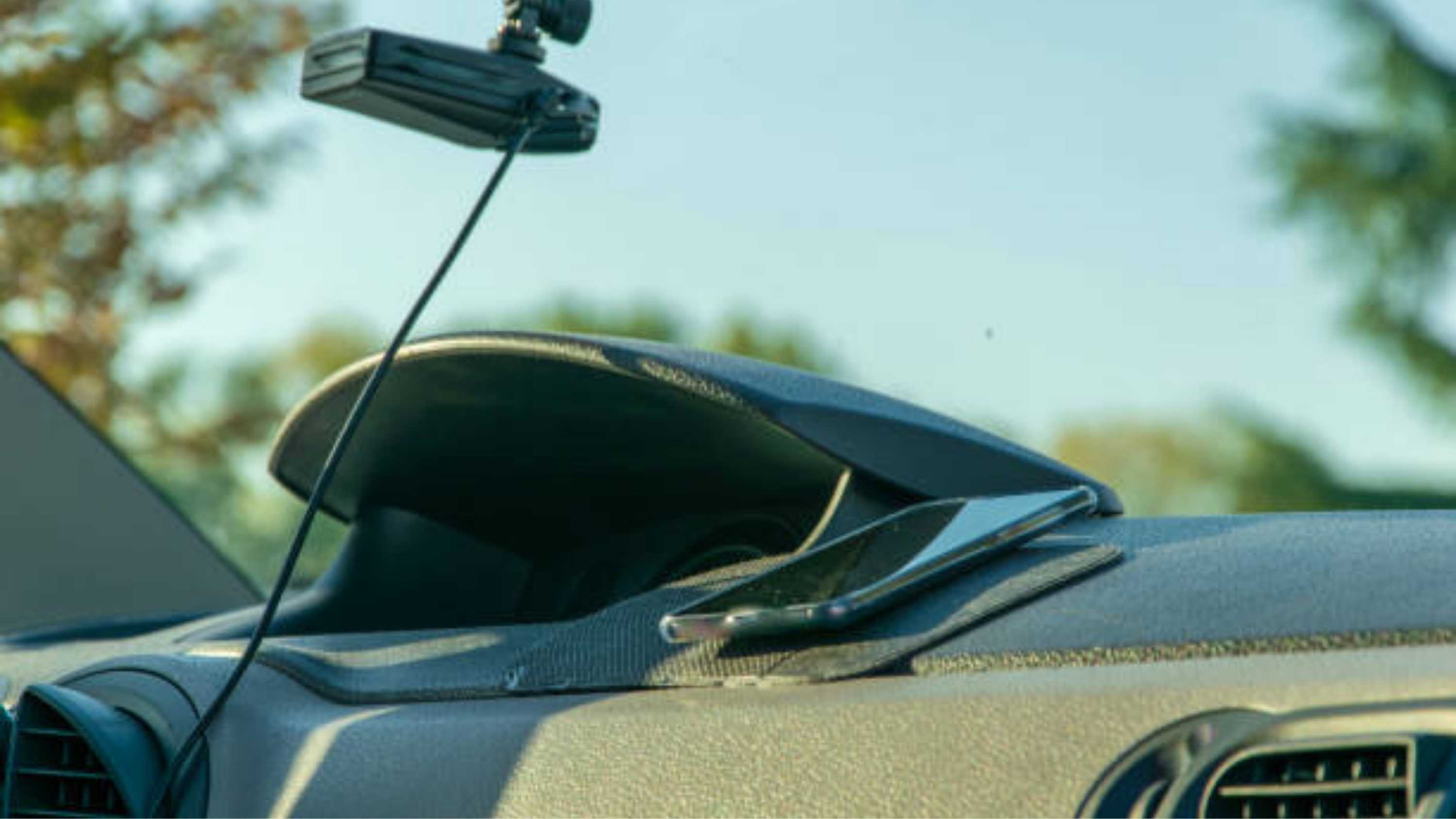
Leaving your phone on the dashboard while you run into the store is a silent killer for your battery. Your car acts like a greenhouse, trapping heat and radiating it directly into your device’s delicate internals. While we worry about cracked screens, the real danger is the battery’s internal chemistry warping in the sun.
Most iOS and iPadOS devices are specifically designed to operate between 0°C and 35°C, and a parked car can easily double that upper limit in minutes. Exceeding these temperatures can lead to permanent capacity loss or even a “swollen battery” that pops your screen right out of the frame.
If you want to keep your finance apps and contacts accessible, keep the phone in the shade. It’s a simple habit that prevents a very expensive trip to the repair shop. Your phone prefers the AC just as much as you do during a summer heatwave.
The bathroom sink
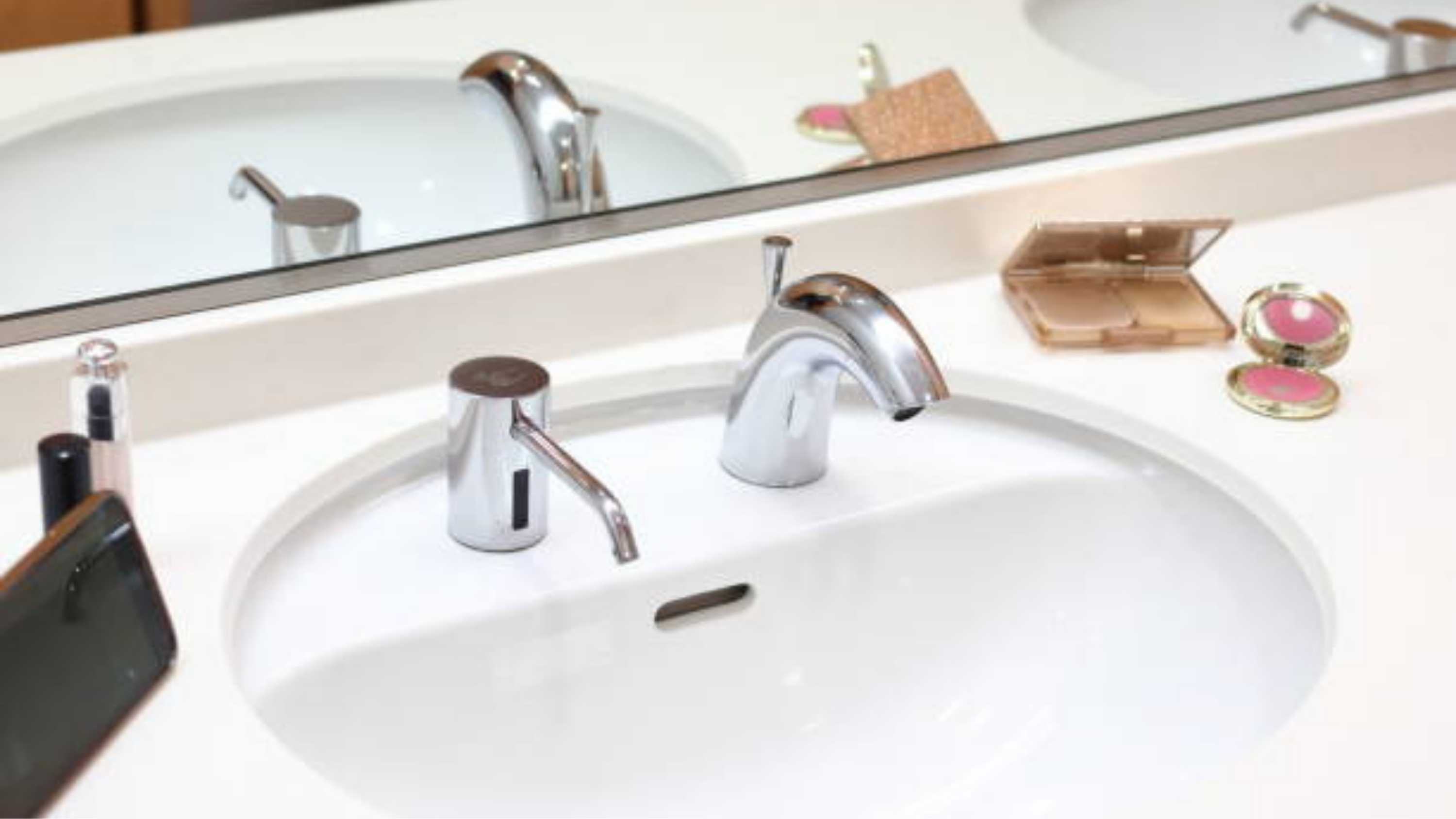
We’re a generation that can’t even sit with our thoughts for five minutes, and this digital dependency has created a hygiene crisis in the smallest room of the house. Most of us don’t realize the risk when we set our devices down near the tap.
In a survey of 268 people from various occupational groups, 67.54% admitted to carrying their phones into the toilet, and 60.07% said they used their devices while in the toilet. Taking your tech into the restroom is essentially inviting every airborne particle to settle on your glass screen.
When you wash your hands but immediately grab your “dirty” phone, you’ve completely defeated the purpose of the scrub. If you need a distraction while you’re busy, maybe try an old-fashioned magazine instead of your expensive, germ-trapping glass slab.
Next to the toilet flush handle
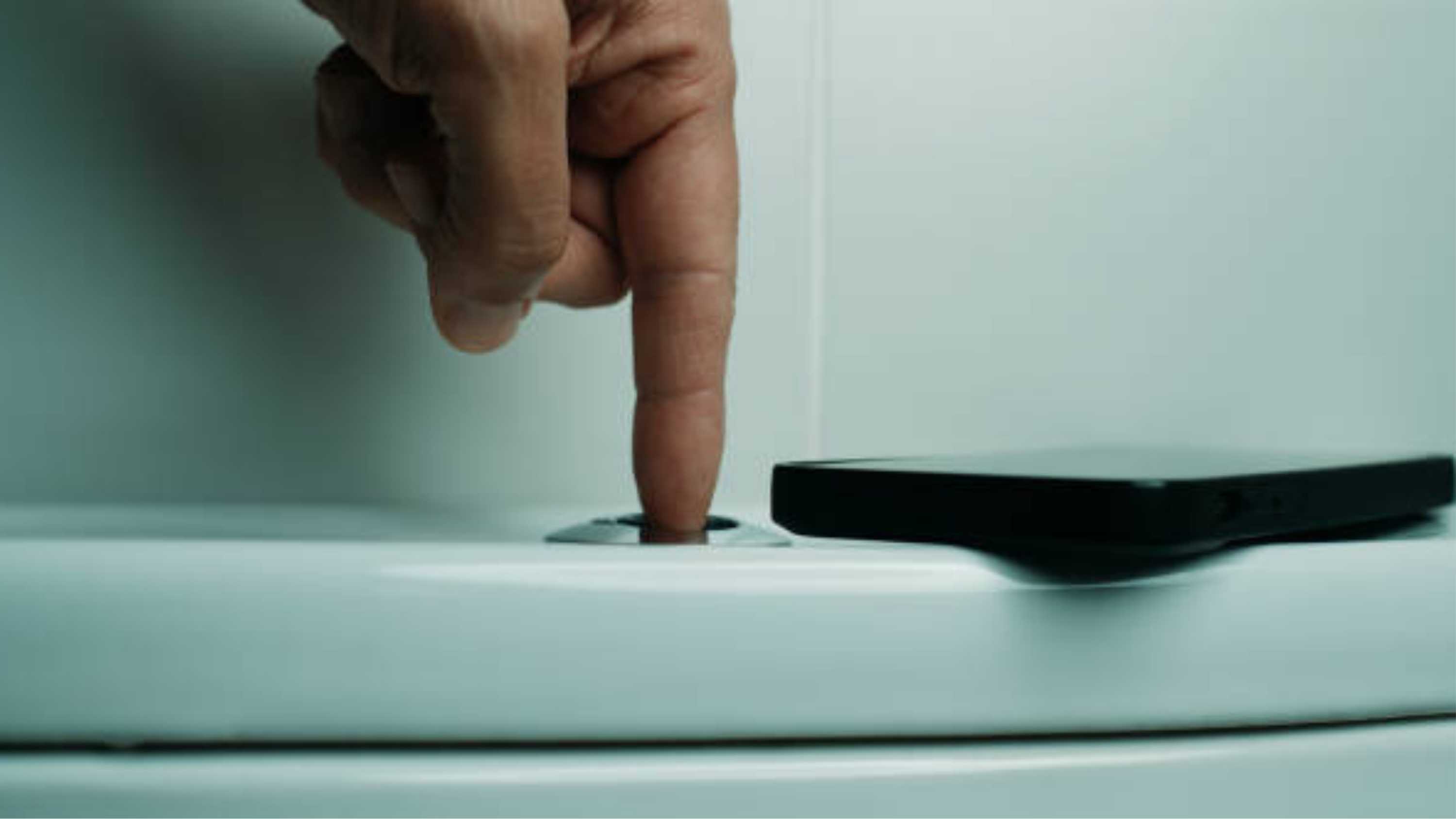
This is the “zone of no return” for hygiene. Many people have a habit of resting their phone on the back of the toilet or on a nearby shelf while they finish up. This puts your device in the direct path of “toilet plume,” the invisible mist that travels when you flush.
It turns out that phones can carry up to 10 times more bacteria than a toilet flush handle, making them significantly filthier than the hardware you actually use to clean up. By storing your phone here, you are essentially marinating it in a biological soup.
It’s a hard truth to swallow, especially since we often use these same phones while eating or lying in bed. To keep your health in check, make the bathroom a “no-phone zone.” Your device will be much cleaner, and your hands will thank you for the break from the constant scrolling and swiping.
Your back pocket
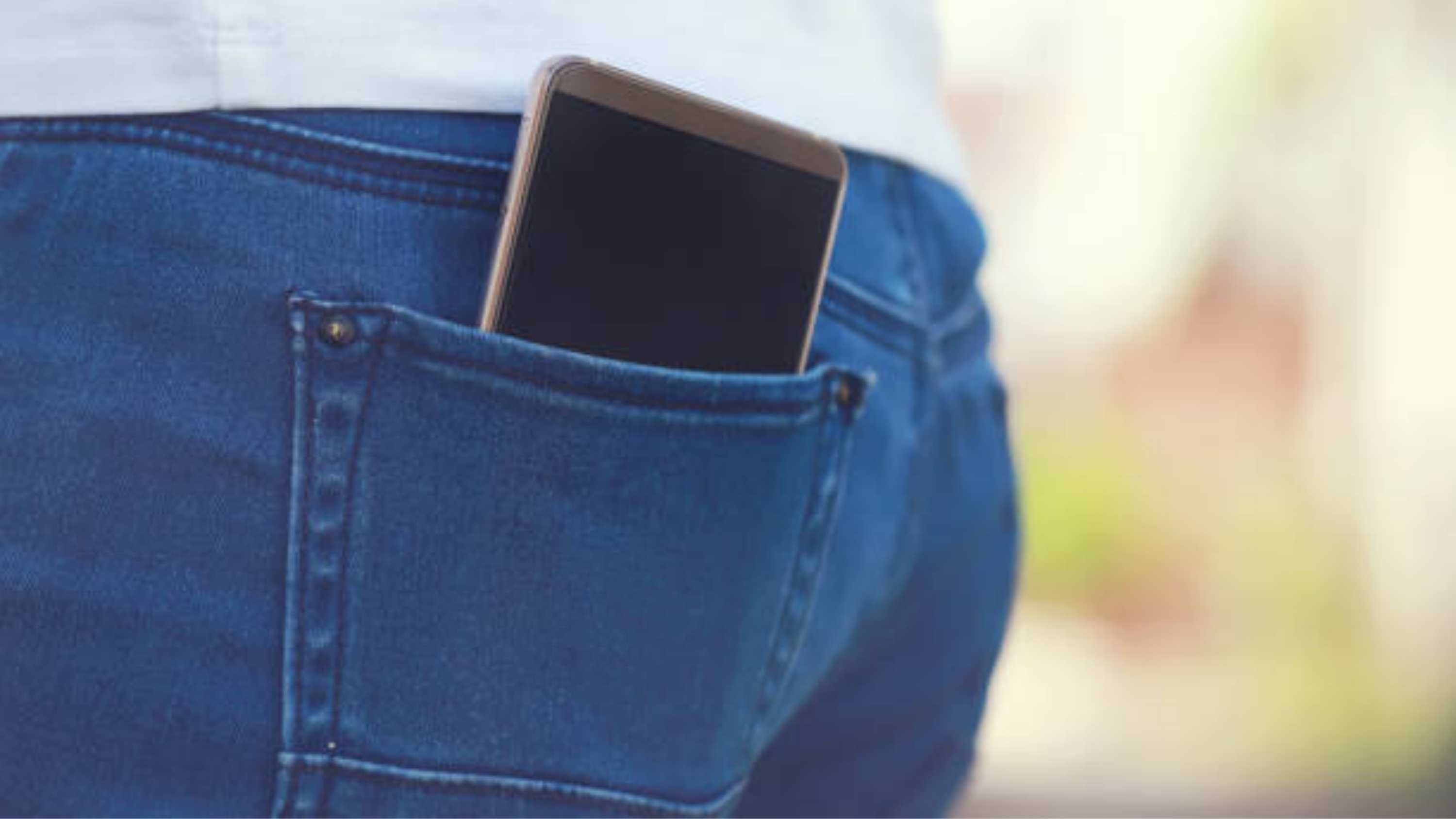
Sliding your phone into your back pocket is a classic move, but it’s a nightmare for your device. Beyond the obvious risk of sitting down and bending your expensive tech, it’s also a hotspot for accidents. In fact, in 2023, 78 million Americans reported damaging their smartphones, contributing to billions of dollars in repair and replacement costs.
The warmth of your body combined with the fabric of your jeans only increases the risk, making your phone more vulnerable to drops, bends, and scrapes. The back pocket is also the main spot for “drop-ins,” those accidental plunges into the toilet bowl when you pull your pants down.
If you care about your budget this year, avoid this storage spot. One wrong move, and you could end up with a water-damaged device and a very awkward trip to the repair shop. For better safety, keep your phone in a jacket pocket or a bag instead.
The “long-stay” bathroom break

It’s not just where you put the phone, but how long you stay there because of it. Taking your phone to the restroom often turns a three-minute task into a fifteen-minute scrolling session. This isn’t just gross; it’s physically damaging to your body. Research shows that using phones on the toilet is linked to a 46% higher risk of hemorrhoids due to the prolonged, unsupported sitting and increased pressure on your lower half. Your body wasn’t meant to sit in that specific position for the duration of a YouTube documentary.
By leaving the phone at the door, you’re protecting your health and your device’s cleanliness. It might be the only time in your day when you aren’t connected to the grid, and your anatomy will certainly appreciate the shorter transit time. Keep the “scrolling” for the sofa, where the seating is much more ergonomic.
Under your pillow
Save this article
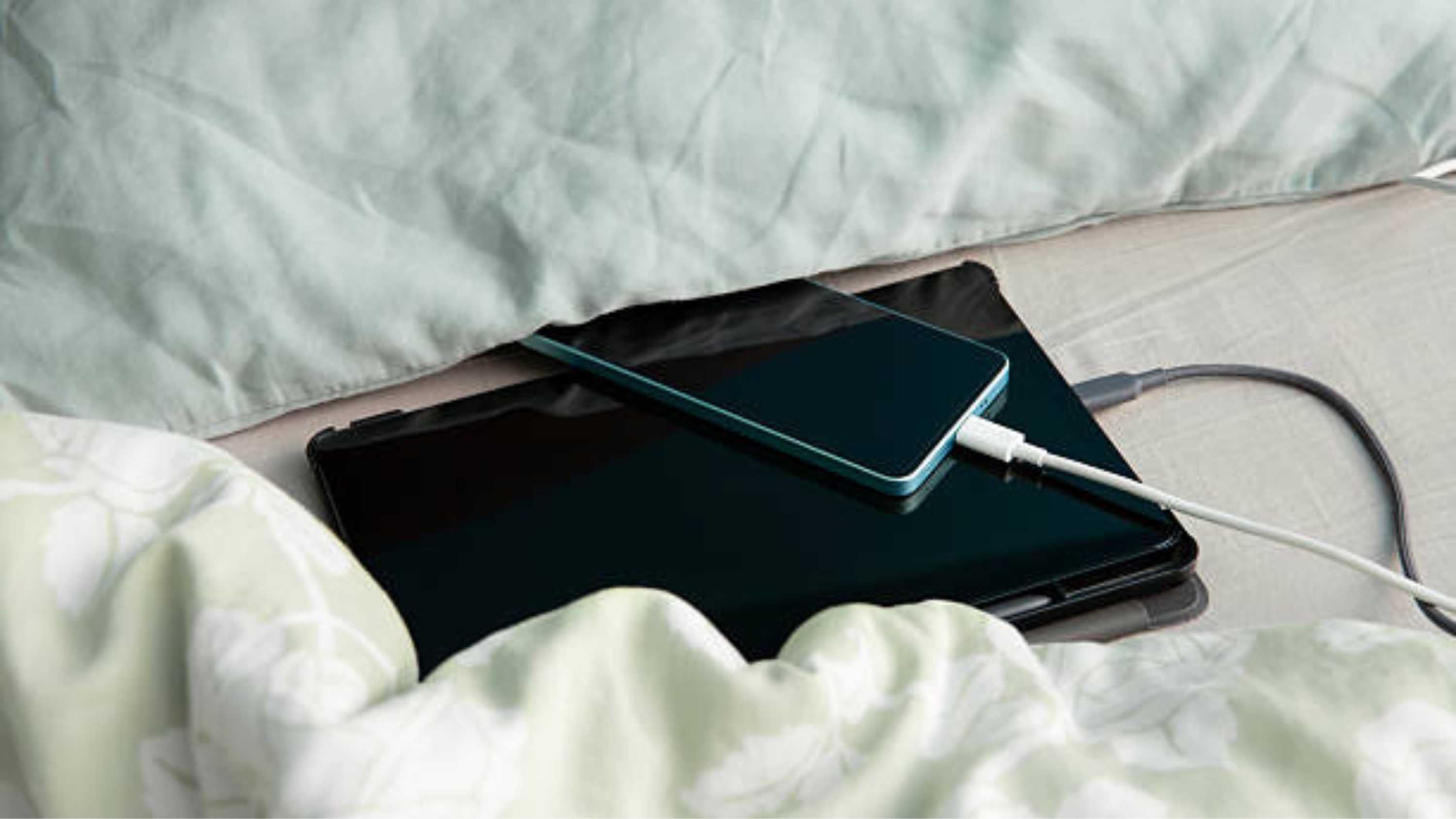
Sleeping with your phone tucked under your pillow is a recipe for a midnight meltdown, literally. Phones release heat while they search for signals or run background updates. When muffled by a pillow and a mattress, that heat has nowhere to go.
This can cause the battery to degrade rapidly or, in extreme cases, lead to a fire hazard. Your bed should be a sanctuary for rest, not a charging bay for high-performance electronics. Furthermore, the blue light emitted from late-night checking can ruin your sleep quality.
If you want to find some travel ideas for your next vacation, do it an hour before you hit the hay. Storing the phone on a nightstand at least 3 feet away is the best way to ensure both you and your device wake up feeling refreshed. Give your brain and your battery a chance to cool down properly overnight.
The gym floor

Dropping your phone on the gym floor while you smash out a set of squats is a disaster waiting to happen. Not only are they prime targets for dumbbells to fall on, but gym floors are notoriously filthy.
Between sweat, outdoor shoe dirt, and inconsistent deep cleaning, you’re exposing your device to a cocktail of environmental grime. It is the absolute opposite of a clean, pet-free environment. If you are using your phone for music, get a dedicated armband or a secure pocket.
Leaving it on the floor makes it invisible to other gym-goers who might accidentally step on it. A cracked screen is a high price to pay for a “convenient” spot to check your reps. Protect your tech by keeping it off the ground and away from the heavy iron where accidents are most likely to occur.
In the glove box
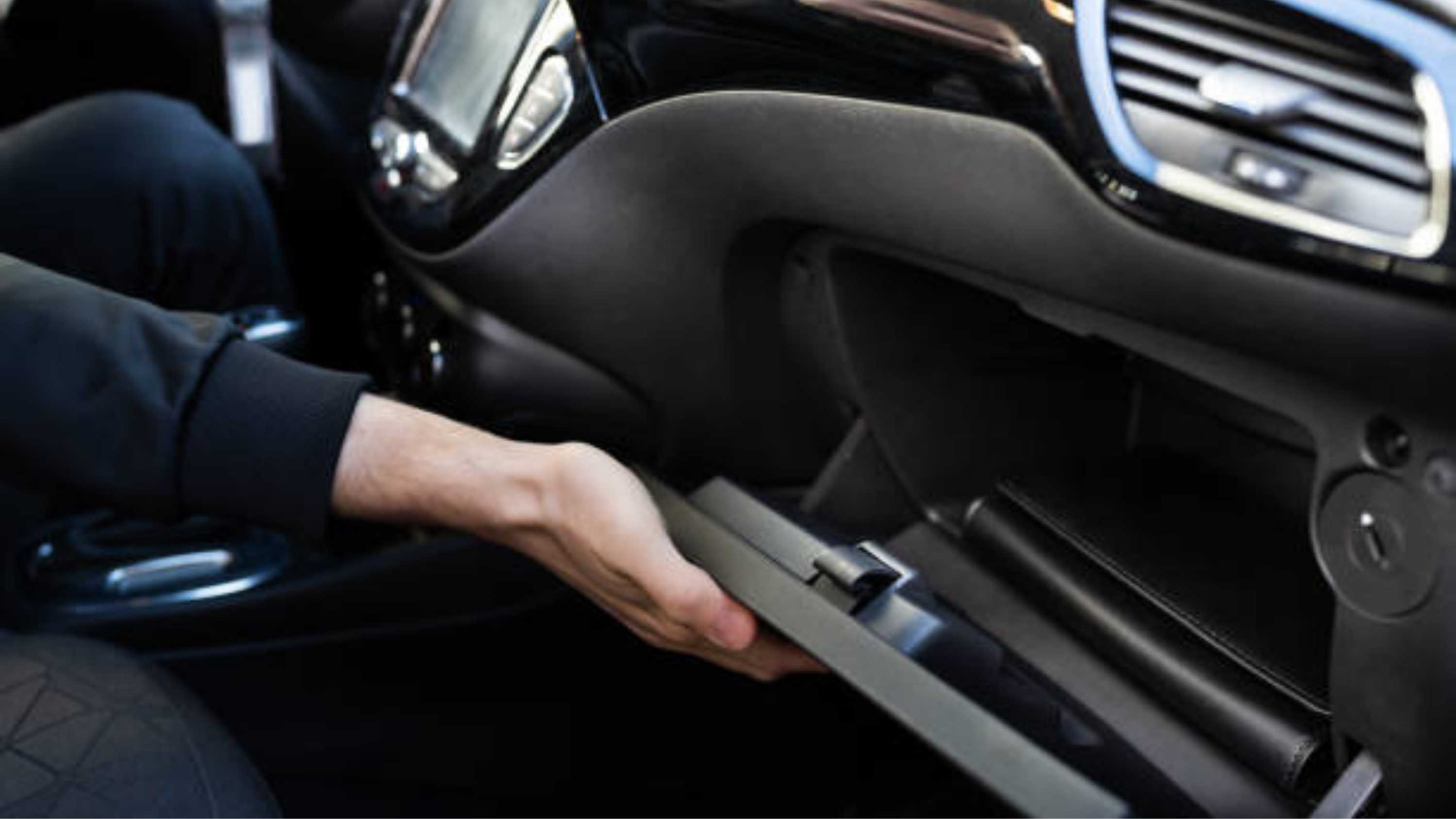
Many people think the glove box is a “safe” place to hide a phone from thieves, but it’s actually a tiny oven. During the summer, the internal temperature of a car can skyrocket, and the glove box has no airflow to dissipate heat.
This can lead to the “black screen of death,” where the phone refuses to turn on until it reaches a safe temperature. It’s a quick way to kill your battery’s longevity. If you must leave your phone in the car, try placing it under the seat where it is shielded from direct sunlight and the air is slightly cooler.
However, the best move is to take it with you. Your phone is a delicate instrument, not a spare tire. Treating it with a bit of environmental respect will save you a lot of money and hassle in the long run, since you won’t have to replace it early.
Near the bathtub edge

We all love a relaxing soak with some music, but the edge of the tub is a high-risk zone. Even if your phone claims to be “water-resistant,” that rating is usually for fresh water, not hot, soapy bathwater. Steam can also penetrate the seals over time, leading to internal corrosion that you won’t notice until the phone starts glitching.
It’s a gamble that usually ends with a bag of rice and a lot of regret. The humidity alone is enough to trigger the internal liquid contact indicators, which can void your warranty. If you really need your tunes, use a dedicated Bluetooth speaker designed for wet environments.
Keep the phone on a shelf far away from the splash zone. Your relaxing lifestyle shouldn’t involve the stress of watching your $1,000 device teeter on the edge of a watery grave.
In a tight front pocket
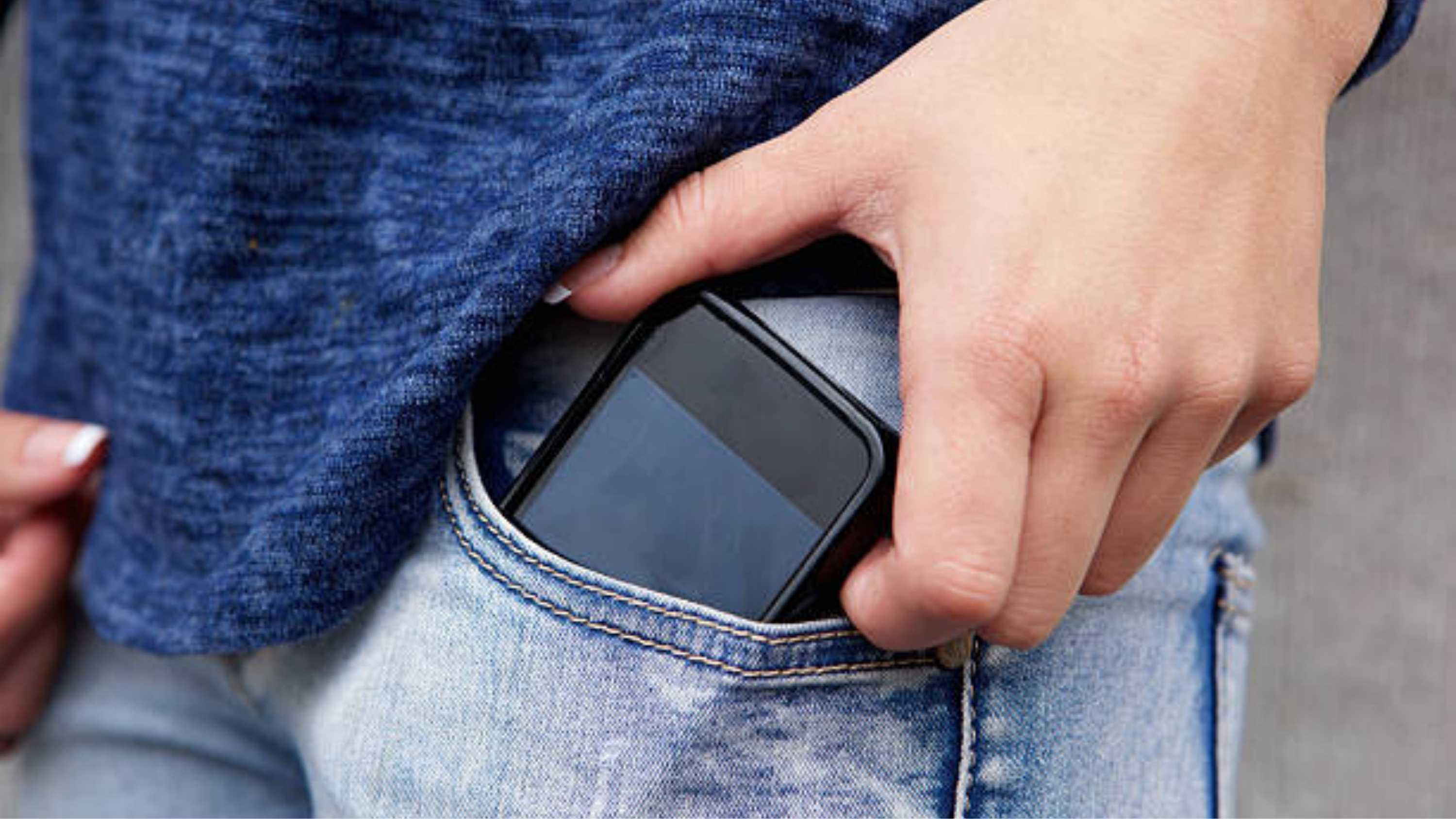
While safer than the back pocket, a tight front pocket still puts unnecessary pressure on the phone’s frame. Modern phones are getting thinner and larger, making them more susceptible to “micro-bending.” Over months of walking and sitting, or even a long dinner, this pressure can loosen internal connections or cause the screen to delaminate.
It’s a slow-motion break that most people don’t notice until it’s far too late to fix. Tight clothing also traps moisture against the device, which can lead to lint buildup in the charging port. This is why your charger might suddenly feel “loose” or stop working altogether.
If your pants are so tight that you can see the outline of the camera bump, it’s time to find a new spot for your tech. A small belt pouch or a loose jacket pocket provides a much better environment for your device.
The bottom of a heavy bag

Tossing your phone into a backpack or a large purse is like putting it in a rock tumbler. Between your keys, loose coins, and that heavy laptop, your phone is constantly being scratched and pressed. The screen might be “Gorilla Glass,” but a stray set of keys can still leave permanent gouges.
It’s the least dignified way to treat a device that holds your entire digital life and the digital backup for your car keys. Use a dedicated, padded sleeve or a specific internal pocket in your bag to keep it isolated. This prevents “connector lint” from clogging up your ports and keeps the glass looking pristine.
When you treat your phone like the high-end computer it actually is, it will serve you much longer. A little bit of organization goes a long way in preserving the resale value and functionality of your favorite piece of tech.
Key takeaways

Protect your hardware and your health by keeping your smartphone out of high-temperature environments and germ-heavy bathroom zones. Stop using your device as a distraction during restroom breaks to prevent physical strain and unwanted microbial contamination. Always store your tech in padded, ventilated spaces to prevent internal heat buildup and physical wear from nearby objects.
Disclaimer: This list is solely the author’s opinion based on research and publicly available information. It is not intended to be professional advice.
Like our content? Be sure to follow us





