

Most people focus on getting more energy during the day and better sleep at night, but one key nutrient plays a role in both.
Magnesium supports muscle function, nerve signaling, and sleep regulation, yet many people don’t get enough of it through their daily diet. Health experts note that even mild deficiencies can affect rest, recovery, and overall well-being.
While nutrients like calcium often get the spotlight for bone health, magnesium works alongside them to support strength and balance in the body. Making a few simple changes to what you eat can help increase your intake and support better sleep over time.
Avocado
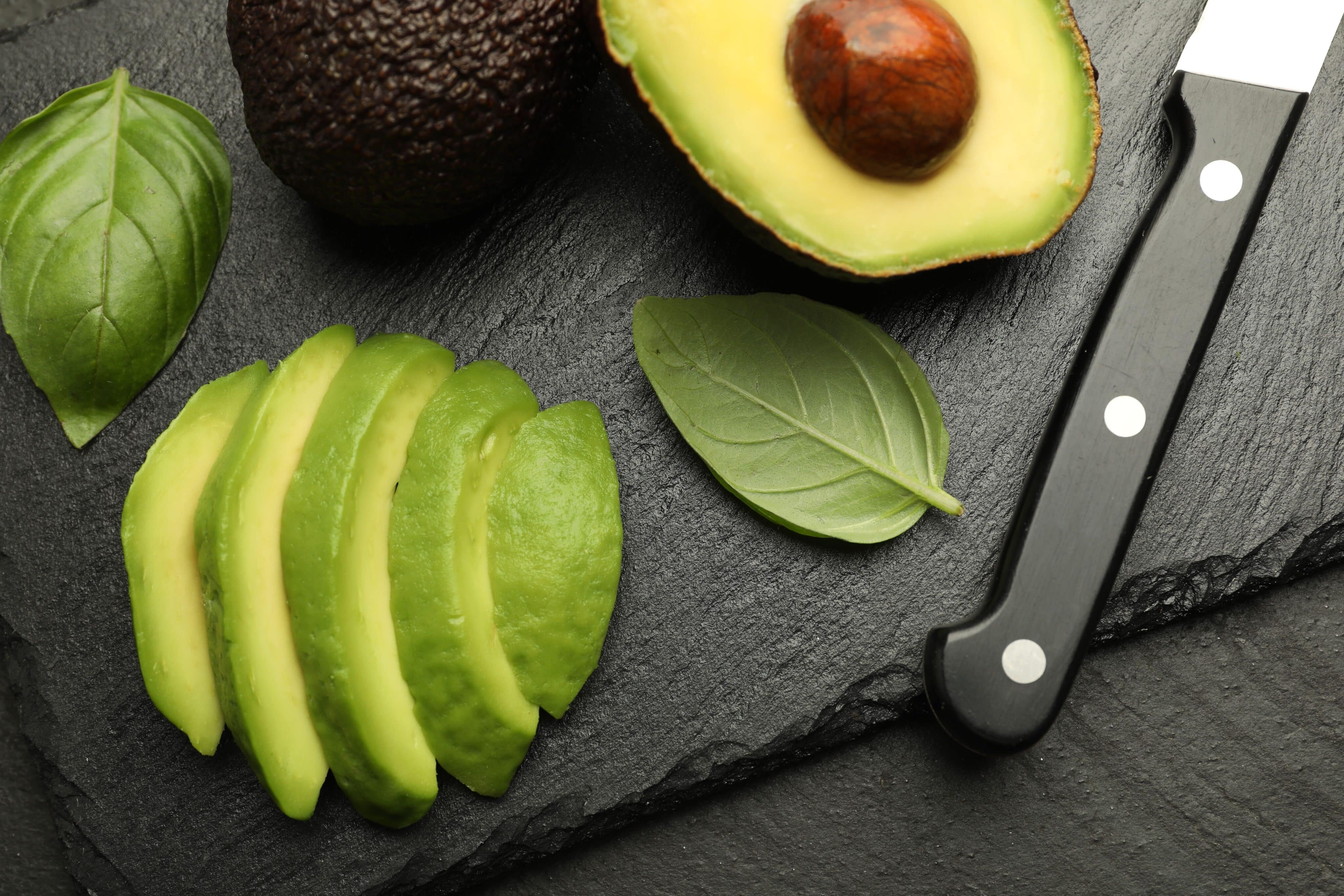
The avocado is more than just a trendy toast topper; it is a nutrient-dense fruit that loves your heart. Its creamy texture works well in salads, grain bowls, or even blended into smoothies for extra richness. It feels indulgent while still delivering meaningful nutrition.
One whole avocado contains about 58 milligrams of magnesium, along with plenty of healthy fats and fiber. Those fats help your body absorb fat-soluble vitamins and support hormone balance. Adding a few slices to meals can leave you feeling more satisfied and less likely to reach for late-night snacks.
Pumpkin Seeds
These tiny green seeds are absolute powerhouses when it comes to mineral density and overall nutrition. They slip easily into salads, oatmeal, or trail mix, making snacking feel more intentional rather than mindless. That makes them an ideal option when you want to improve your health without overhauling every meal.
Analyses of common snacks show that one ounce of roasted pumpkin seeds can provide around 150 milligrams of magnesium, which is well over a third of many adults’ daily needs.
Think of them as tiny batteries for your cells, keeping your heart and muscles humming along smoothly. They provide a satisfying crunch that feels much better for your body than the processed snacks found in vending machines.
Spinach
Leafy greens like spinach are the heavy hitters of the vegetable aisle, packed with more than just iron. It is easy to toss a big handful into soups, pastas, and smoothies without really noticing it is there. That subtle addition can add up over the course of the week and quietly support long-term well-being.
Nutrition researchers note that one cup of cooked spinach contains about 157 milligrams of magnesium, a huge boost toward your daily target in a very small serving.
Eating your greens is classic advice for a reason, since this one ingredient can do so much heavy lifting for your bones and nerves. It is an affordable way to make sure your body has the raw materials it needs to recover while you sleep.
Almonds
Almonds are the reliable old friend of the snack world, providing a great mix of healthy fats and minerals. They are easy to keep in your bag or desk drawer so you always have something nourishing within reach. That makes them a smart upgrade from sugary options that can wreck your budget and your energy at the same time.
According to the Cleveland Clinic, an ounce of roasted almonds offers roughly 80 milligrams of magnesium, along with fiber and heart-healthy fats. That combination helps keep your blood sugar steadier between meals. Snacking on almonds is a delicious way to maintain steady energy rather than riding the roller coaster of quick highs and hard crashes.
Dark Chocolate
Yes, you have permission to indulge in a little chocolate, as long as it is dark. The higher the cocoa content, the more minerals and the fewer added sugars. When enjoyed in small portions, it can feel like both a treat and a tool.
A recent nutrition breakdown found that a one-ounce piece of 70% dark chocolate contains about 64 milligrams of magnesium, along with beneficial antioxidants. That makes it a surprisingly useful dessert choice when you are trying to support your nerves and muscles. A small square after dinner can satisfy your sweet tooth while still fitting into a thoughtful approach to food and sleep.
Black Beans
Black beans are a staple for a reason; they are incredibly versatile and very easy on your monthly budget. They fit just as well in tacos, salads, or simple rice bowls and can stretch a meal without feeling like filler. For anyone trying to cook more at home, they are an easy win.
A nutrition profile of cooked black beans shows that a one-cup serving provides around 120 milligrams of magnesium, nearly a third of many adults’ daily requirement.
That is a lot of support from such a humble pantry ingredient. You can buy them canned or dry, making them a flexible base for many quick meals that keep you full and satisfied.
Quinoa
While it is often treated like a grain, quinoa is actually a seed that is packed with complete protein. It cooks quickly and soaks up flavors from broth, herbs, and sauces, which makes it easy to customize. Swapping it in for white rice can be a simple upgrade on busy weeknights.
Save this article
Medical News Today notes that one cup of cooked quinoa contains about 118 milligrams of magnesium, which is a substantial chunk of the recommended daily amount. That means a single serving at dinner can pull a lot of weight for your mineral intake. It provides steady fuel without the crash that often follows more refined carbohydrates and sweets.
Cashews
Cashews are the buttery members of the nut family that feel almost like candy when you snack on them. Their softer bite can be easier on your teeth than harder nuts, which some people appreciate. They work well in both savory stir fries and sweet snack mixes.
The Cleveland Clinic reports that an ounce of cashews provides roughly 74 milligrams of magnesium, along with other important micronutrients. That makes a small handful surprisingly powerful for your bones and nervous system. Keeping a bag on hand can help you steer clear of less nourishing options when you need something quick.
Tofu

For those looking to eat more plant-based meals, tofu is an incredible source of several key minerals. It soaks up sauces and seasonings, so it can swing from crispy and savory to soft and comforting in a single menu. That flexibility makes it easy to fold into your existing routine.
Nutrition data shows that one cup of firm tofu contains just over 73 milligrams of magnesium, along with impressive amounts of calcium and protein. That combination is excellent for bones and muscles working together. Building tofu into a few dinners each week can quietly help you maintain your health while you experiment with new flavors.
Bananas
Bananas are the ultimate convenience snack, arriving in their own natural wrapper. They are sweet, portable, and easy to digest, which explains why they show up from kids’ lunches to post-workout snacks. Most of us can find a way to work them into our day.
Health writers note that one large banana contains around 37 milligrams of magnesium, along with potassium and vitamin B6. That mix supports both muscles and nerves when you are active or winding down. A banana with a handful of nuts can be a simple combo that steadies energy in the afternoon or before bed.
Edamame
These young soybeans are a common sight at sushi spots, but they deserve a place in your home kitchen too. Popping them from the pods turns snacking into a small ritual that slows you down. They can easily replace chips when you want something salty but nourishing.
Healthline’s rundown of magnesium-rich foods notes that one cup of cooked edamame provides nearly 100 milligrams of magnesium, along with plenty of protein and fiber. That makes them a surprisingly filling side dish or snack. Just a quick steam and a sprinkle of salt is all you need for a bowl that supports both digestion and calm.
Key Takeaway

Boosting your magnesium intake does not require a total lifestyle overhaul; it just takes a few smart choices at your local market. By folding foods like seeds, nuts, beans, and leafy greens into your day, you give your body the tools it needs for deeper sleep, steadier energy, and stronger bones.
You may want to read:
- Are You Lactose Intolerant? Here’s How to Tell (And What to Do About It)
- How Does Sleep Impact IBS?
- Why Your IBS Might Not Be About Food at All
Disclosure: This article was developed with the assistance of AI and was subsequently reviewed, revised, and approved by our editorial team.
Like our content? Follow us on Newsbreak.
Dietitians & Nutritionists: What’s the Difference?

Learn The Important Differences Between Dietitians & Nutritionists
What are the differences between a Registered Dietitian and a nutritionist? This is a common question and so often these titles are used interchangeably. It is important to understand the difference, especially when selecting a FODMAP expert to seek professional advice and assistance in navigating the low FODMAP diet. Learn more.





