

The deadliest animals on Earth aren’t just lurking in jungles or oceans; sometimes, they’re buzzing, crawling, and slithering right beside us.
When you picture a “dangerous animal,” what comes to mind? Maybe it’s the razor-sharp teeth of a shark or the roar of a lion. Those are certainly scary, but you might be surprised by what tops the list. The world’s deadliest creatures are often not the ones we see in horror movies.
In fact, the most lethal animal on Earth is probably buzzing near your ear right now. Size doesn’t matter when it comes to danger; sometimes the smallest critters pack the biggest punch. We’re counting down the animals that pose the biggest threat to human life, from the obvious to the shockingly mundane.
Lion

The “King of the Jungle” has a fearsome reputation for a reason. As apex predators, lions are among the few animals that actively hunt humans. This behavior is rare, but specific prides have been known to develop a taste for human prey. The infamous “Tsavo Man-Eaters” in 1898 are a terrifying historical example.
Most attacks occur near villages bordering nature reserves, where lions may be old, sick, or have lost their usual prey. While exact numbers are hard to pin down, lions are thought to kill 200 or more people per year. They are a potent symbol of the conflict between growing human populations and wild spaces.
Mosquito
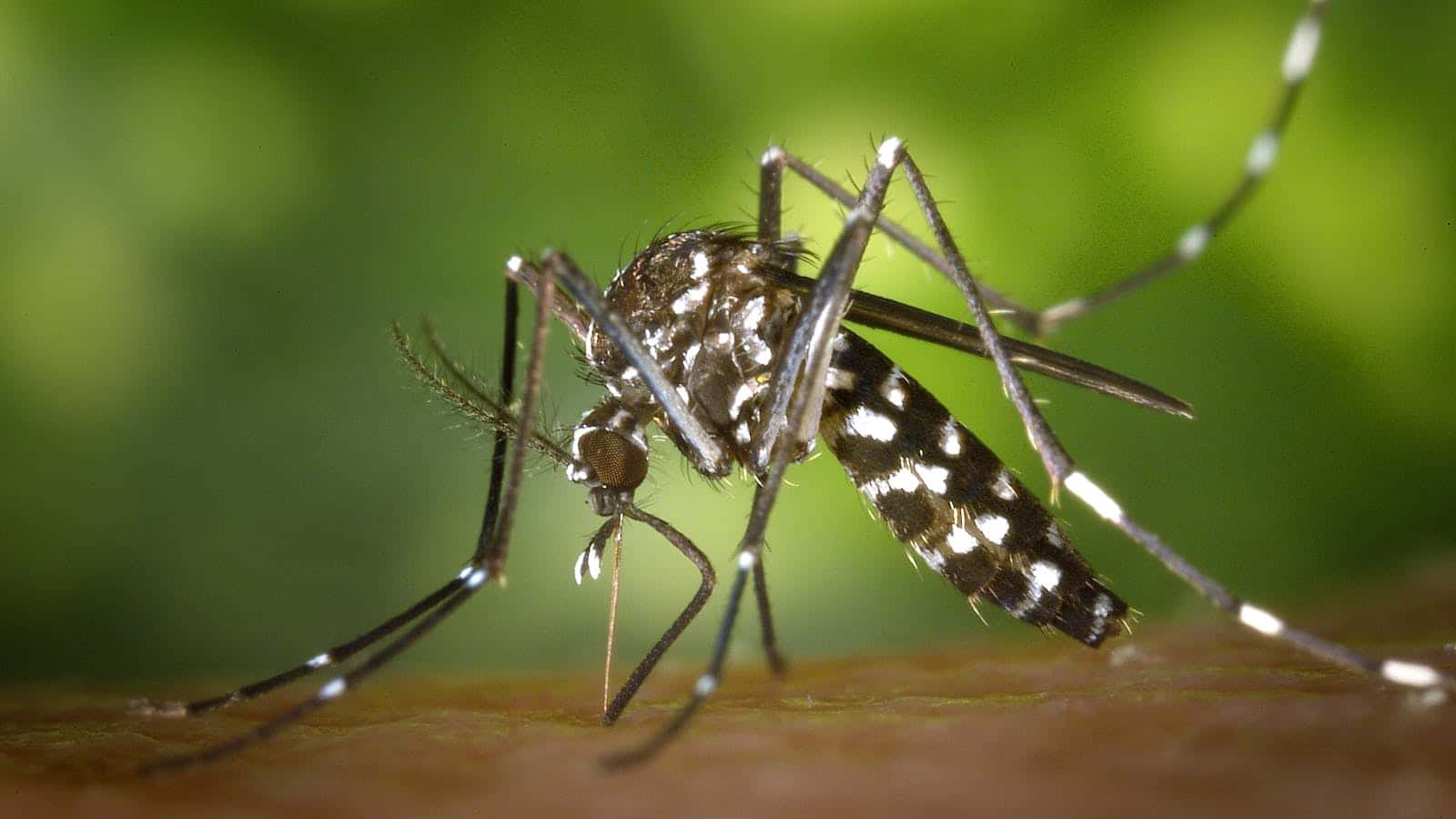
This tiny insect is the undisputed world champion of human misery, acting as a flying delivery system for deadly diseases. They don’t kill you directly, but they transmit malaria, dengue fever, Zika, and West Nile virus. The World Health Organization (WHO) attributes over 700,000 deaths annually to mosquito-borne illnesses. It’s a staggering number that dwarfs all other animals combined.
You might think of them as an itchy summer nuisance, but in many parts of the world, a single bite is a life-or-death gamble. Nets and repellents are critical tools in the global fight against this tiny vector. Their ability to breed in just a small amount of stagnant water makes them incredibly difficult to control, which is why they remain at the top of this list.
Freshwater Snail

This might be the biggest shocker on the list, but these slow-moving mollusks are responsible for a horrifying disease. They don’t bite or sting, but they host parasitic worms that cause schistosomiasis. The WHO reports that this devastating illness infects nearly 240 million people worldwide. The parasites leave the snail and enter the water, where they burrow into the skin of people swimming or bathing.
Once inside the body, the parasites can live for years, causing severe damage to internal organs, such as the bladder and liver. The Task Force for Global Health estimates that schistosomiasis causes more than 200,000 deaths per year. It’s a silent killer, primarily affecting poor and rural communities that lack access to clean water and sanitation.
Snake

Now here’s an animal that fits the scary mold, slithering into our nightmares and ancient myths. While most snakes are harmless, the venomous ones are incredibly efficient killers. Venomous snake bites are a major, yet often neglected, public health issue in many tropical countries. They strike quickly, and the complex toxins can shut down the nervous system or cause massive tissue death.
Getting to an anti-venom clinic in time is a race against the clock, one that many people in rural areas unfortunately lose. The WHO estimates that between 81,000 and 138,000 people die each year from snake bites. Many more survivors face permanent disabilities, like amputations, making snakes a genuine, everyday threat for millions.
Dog

This one hurts. How can man’s best friend be on this list? It’s not because they are malicious, but almost entirely due to one virus: rabies. While dogs in the U.S. are overwhelmingly safe, in other parts of the world, dog bites are the primary source of human rabies infections. Rabies is nearly 100% fatal once symptoms appear.
The key to survival is immediate vaccination after a bite, but access to this treatment isn’t available to everyone. The WHO reports that 99% of all human rabies transmissions come from dogs, leading to 59,000 deaths annually. It’s a tragic reminder of how a preventable disease can turn a companion into a vector.
Tsetse Fly

Found in sub-Saharan Africa, this fly looks like a slightly larger, tougher housefly. Its bite, however, transmits a parasite that causes African Trypanosomiasis, better known as “sleeping sickness.” This disease is notoriously difficult to diagnose in its early stages. The symptoms start mild, with fever and headaches, but they worsen significantly.
If left untreated, the parasite crosses the blood-brain barrier, leading to confusion, personality changes, and severe sleep disturbances. Eventually, the patient falls into a coma and dies. While cases have dropped significantly thanks to control efforts, the fly remains a serious threat in 36 countries.
Assassin Bug

This insect has a deceptively gentle nickname: “the kissing bug.” It gets its name because it often bites people on the face, near the lips, while they sleep. The real danger isn’t the bite, but what it leaves behind: feces. When a person scratches the itchy bite, they can accidentally rub the parasite-infected feces into the wound.
This causes Chagas disease, a condition that can remain hidden for decades before causing serious heart or digestive problems. The disease affects millions in Central and South America and is slowly appearing in the southern United States. It’s estimated to kill about 10,000 people every year.
Crocodile

Save this article
Finally, a predator that looks the part. Whether it’s the Nile crocodile in Africa or the Saltwater croc in Australia and Asia, these are perfect killing machines. They are masters of the ambush, waiting patiently for anything to come too close to the water’s edge. Their bite force is the strongest in the animal kingdom.
Once they grab their prey, they perform the “death roll” to dismember it, and survival is almost impossible. It’s estimated that crocodiles kill about 1,000 people per year, though many attacks in remote areas go unreported. They are territorial, powerful, and see humans as just another item on the menu.
Hippopotamus

Don’t let their comical, tubby appearance fool you; hippos are arguably the most dangerous large animal in Africa. They are incredibly territorial and surprisingly fast on land, easily capable of outrunning a human. They spend their days in the water but come ashore at night to graze.
Most attacks occur when boats get too close or when someone accidentally gets between a hippo and its water. With huge jaws and tusk-like teeth, they can bite a human in half or capsize a small boat with ease. They are responsible for hundreds of human deaths each year.
Elephant

Elephants are renowned for their intelligence, strong family bonds, and gentle nature, but they also possess a dangerous side. An adult elephant is the largest land animal on Earth, and it knows it. They are generally peaceful, but a male in “musth” (a period of high testosterone) or a mother protecting her calf is extremely dangerous.
When an elephant decides to charge, not much can stop it. They can trample people, flip cars, and tear down structures when they feel threatened. While they are often victims of human conflict, across Africa, elephants still kill an estimated 100 to 500 people annually.
Cape Buffalo

Known to African big-game hunters as “The Black Death” or “Widowmaker,” this is not an animal to trifle with. Unlike the domestic cow, the Cape Buffalo is unpredictable and known for its incredible memory. It has been reported to ambush hunters who have wounded it, even days later.
They are massive, powerful, and protected by thick bosses on their horns that can stop a bullet. When threatened, they charge head-on at speeds up to 35 miles per hour. They are responsible for killing more hunters on the continent than any other large animal, goring or trampling people.
Box Jellyfish

This gelatinous creature from the Indo-Pacific region is considered the most venomous animal in the ocean. Its tentacles are covered in thousands of stinging cells (nematocysts) that fire toxins upon contact. The sting is excruciatingly painful and can cause immediate cardiac arrest.
The venom is so potent that it can kill a human in under five minutes. Many victims drown from shock and pain before they can even get back to shore. While exact death tolls are debated, in the Philippines alone, they are estimated to cause dozens of deaths annually.
Pufferfish

This animal is dangerous not because it attacks, but because people choose to eat it. Known as “fugu” in Japan, the pufferfish is a high-end delicacy that can be deadly if prepared incorrectly. Its organs, skin, and blood contain tetrodotoxin, a poison 1,200 times more powerful than cyanide.
Chefs must be specially licensed to prepare the fish, carefully removing the toxic parts. Despite this, accidents occur each year, some of which are fatal. There is no known antidote.
Cone Snail

This small, beautifully patterned sea snail looks like a harmless souvenir you’d pick up on the beach. That mistake could be your last. Hidden inside its shell is a harpoon-like tooth (a radula) that it fires to inject a complex cocktail of neurotoxins into its prey.
Some species, particularly the geography cone, have venom potent enough to kill a human. There is no antivenom, and the sting is often painless at first, leading people to ignore it until it’s too late. Symptoms progress from numbness to paralysis and, eventually, respiratory failure.
Disclaimer – This list is solely the author’s opinion based on research and publicly available information. It is not intended to be professional advice.
Like our content? Be sure to follow us.
How Total Beginners Are Building Wealth Fast in 2025—No Experience Needed

How Total Beginners Are Building Wealth Fast in 2025
I used to think investing was something you did after you were already rich. Like, you needed $10,000 in a suit pocket and a guy named Chad at some fancy firm who knew how to “diversify your portfolio.” Meanwhile, I was just trying to figure out how to stretch $43 to payday.
But a lot has changed. And fast. In 2025, building wealth doesn’t require a finance degree—or even a lot of money. The tools are simpler. The entry points are lower. And believe it or not, total beginners are stacking wins just by starting small and staying consistent.
Click here and let’s break down how.





