
We are all guilty of buying the latest gadget that promises to revolutionize our cooking routine. However, most of these specialized tools end up gathering dust and cluttering our counters. A streamlined kitchen is not just about aesthetics but also about efficiency and hygiene.
By eliminating unnecessary items, you can reclaim your workspace and make cooking enjoyable again. Here are ten kitchen tools that are likely wasting your space and money, along with the science to back it up.
Margarita Glasses

Specialized glassware is fragile and hard to stack. Margarita glasses are particularly top-heavy and prone to breaking.
You can serve almost any cocktail in a standard rocks glass or tumbler. Sticking to versatile glassware saves space and prevents the heartbreak of shattered crystal.
The Germy Knife Block

That heavy wooden block sitting on your counter might look professional, but it is often a breeding ground for bacteria. The deep slots are dark and damp, which creates the perfect environment for yeast and mold to grow.
A study by NSF International found that the knife block is one of the germiest kitchen items because it is difficult to clean properly.
Electric Juicers

Juicing lets you drink your fruits, but it strips away the most important part: fiber. Fiber is essential for digestion and helps regulate blood sugar levels.
Mayo Clinic experts note that whole fruits offer greater health benefits because the edible skin and pulp are lost during juicing.
Plastic Cutting Boards
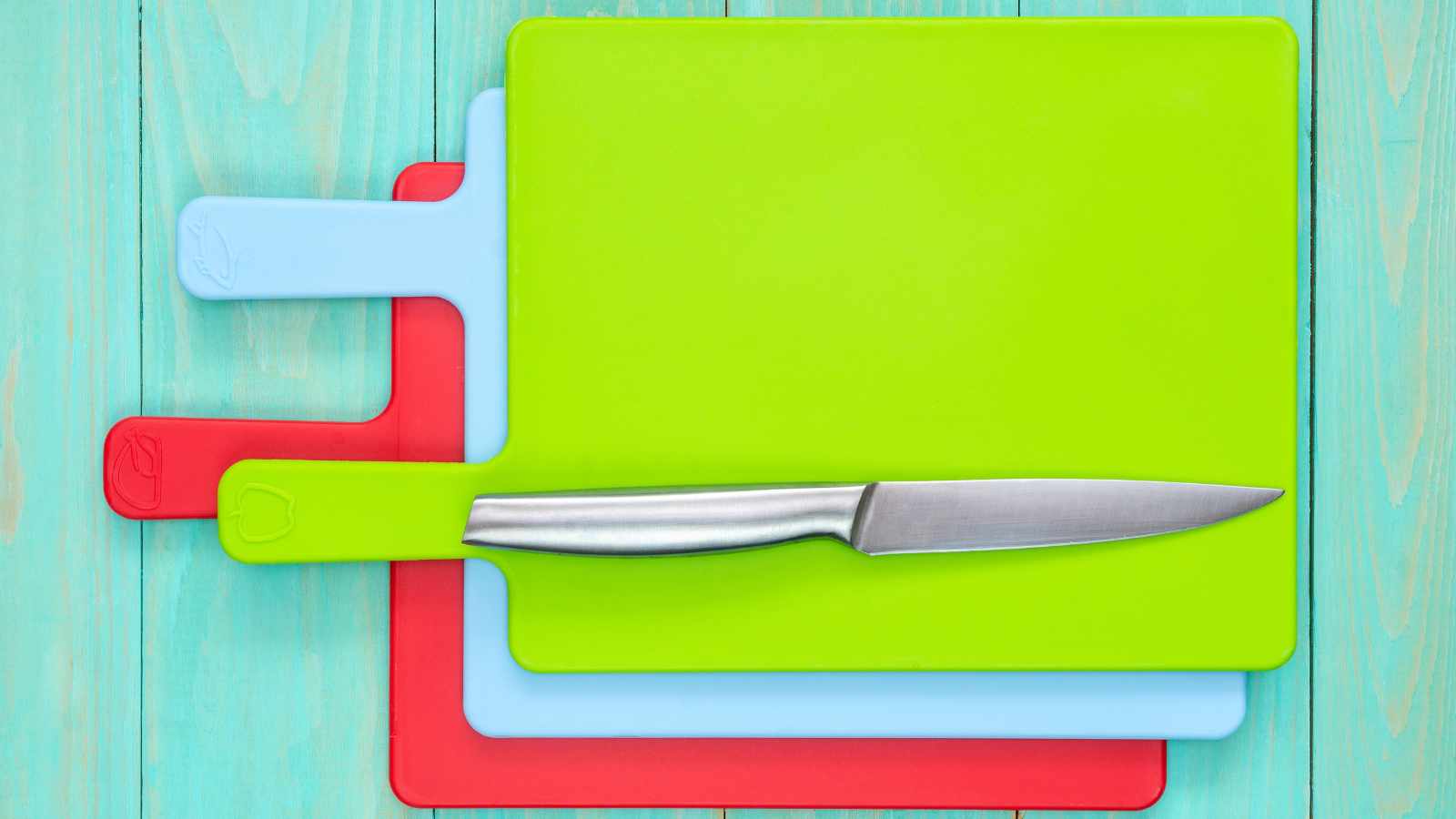
Many people believe plastic is safer than wood because it can go in the dishwasher. However, research from UC Davis revealed that plastic boards develop deep grooves from knife cuts that trap bacteria, which cannot be washed away.
Wooden boards naturally halt bacterial growth and are actually safer for food preparation in the long run.
Popcorn Makers

Air poppers and theater-style machines are bulky unitaskers that do only one thing. You can make excellent popcorn on the stove with a simple pot and a lid.
Using a stovetop with a good recipe lets you control the oil and seasoning without storing a massive appliance you only use once a month.
Fondue Sets

Save this article
Fondue sets are often bought as a reminder of European travel or received as wedding gifts. In reality, they involve a lot of setup and cleanup for a meal that is rarely eaten.
Unless you host 70s-themed dinner parties weekly, this item is likely just occupying valuable real estate in your pantry.
Deep Fryers

Home deep fryers require gallons of oil and are a pain to clean. More importantly, they pose a significant safety risk in the home.
The National Fire Protection Association reports that cooking is the leading cause of home fires and burns and the second-leading cause of home fire deaths.
Single-Use Coffee Pod Machines

These machines are convenient, but they are terrible for your wallet and the environment. The cost per pound of coffee in pods is significantly higher than buying ground beans.
A report by The New York Times highlights that using these machines can wreck your budget over time compared to traditional brewing methods.
Bread Machines

The idea of waking up to fresh bread is appealing, but the reality often involves a dense loaf and a machine that takes up a lot of counter space.
Most people stop using them after the initial novelty wears off. You can achieve better results with a standard oven and a little patience.
The Avocado Slicer

Specialized slicers are the definition of clutter. They are typically made of cheap plastic and only work on avocados of a specific size.
A study by the UCLA Center on Everyday Lives of Families found that managing the volume of possessions in a home is a major cause of stress and drains your creative inspiration.
Key Takeaway

A functional kitchen is defined by the tools you actually use. Clearing out these space wasters not only makes your kitchen look better but also makes it safer and more efficient. Stick to versatile, high-quality basics and let the gadgets go.
Disclaimer: This list is solely the author’s opinion based on research and publicly available information. It is not intended to be professional advice.
Like our content? Be sure to follow us.





