

From the outside, a relationship can look flawless, but underneath, a woman may be starving in ways no one sees.
This is the pain of modern love: what is shared versus what is hidden. Good Housekeeping reported in April 2026 that a 2025 Relationship Wellness Institute survey found 72% of single women were tired of emotionally mentoring the men they date.
Paired’s relationship trends report, from nearly 5,000 users, found 17% were unhappy with non-sexual touch. Of those who never discuss touch, 59% were women. Kathy Caprino’s research found 77% of women struggle to ask for what they need. This isn’t about women asking too much, but about basic needs buried under silence, guilt, and wanting to seem easy to love.
This subject hits harder than most people expect. To show the gap, Bumble’s 2025 dating trends report found that 52% of women globally still call themselves romantics, and 37% said a lack of romance has hurt their dating lives. Ipsos reported in February 2026 that 82% of people in relationships say they’re satisfied with their partner or spouse.
Both facts can be true at once. A relationship can be stable and loving on paper, yet leave a woman with an ache she can’t name without seeming needy, difficult, or ungrateful. That quiet ache is where this story begins.
To Feel “Chosen”

Many women are not secretly waiting for fireworks, diamond-sized declarations, or a movie-scene speech in the rain. They want the quieter proof, the kind that shows up in remembered details, in steady effort, in a partner who does not make care feel like a last-minute favor.
Bumble’s 2025 report found that 52% of women describe themselves as romantics, and 37% say a lack of romance has negatively affected dating. Laura Doyle’s 2025 State of Marriage survey adds that 41.9% of women named emotional distance and loneliness as major relationship hurdles.
Put those two findings together, and the picture sharpens. The desire is not for drama. It is to feel deliberately loved, not merely worked into somebody else’s schedule like a calendar alert that keeps getting snoozed.
A True Emotional Equal

A surprising number of women are doing relationship work that feels part partner, part therapist, part social director, part emergency responder. Good Housekeeping’s April 2026 reporting on “mankeeping” said a 2025 Relationship Wellness Institute survey found 72% of single women were exhausted from emotionally mentoring the men they date.
Pew Research adds real social context here. In its 2025 survey on emotional support, 54% of women said they would turn to a friend for support, compared with 38% of men, and 44% of women said they would turn to another family member, compared with 26% of men. That difference helps explain why some women feel emotionally surrounded outside the relationship but emotionally overworked inside it.
Psychotherapist Sanya Bari said it plainly: “What often gets mislabeled as ‘relationship problems’ is actually burnout from carrying too much of the emotional load.” That line lands because it names the ache so many women live with before they ever dare complain about it.
Explicit Reassurance

There is a tender difference between being loved and feeling securely loved, and many women live in that gap longer than they admit. Laura Doyle’s 2025 survey found that 41.9% of women cited emotional distance and loneliness as a central pain point, even though roughly half said shared experiences mattered deeply in maintaining love’s strength.
Ipsos then provides the contrast that makes this sting a little more, noting that 82% of partnered people worldwide still say they are satisfied with their spouse or partner. Satisfaction is not the same as emotional ease.
A woman can be in a stable relationship and still wish someone would say the thing out loud, confirm the feeling, and offer the extra warmth without being dragged there by conflict. What often goes unsaid is not a demand for constant praise. It is a longing for reassurance to arrive before the breaking point, not after it.
More Intentional Non-Sexual Touch

This one is smaller on the surface and bigger in the body. Paired’s survey found 17% of people are unhappy with the amount of non-sexual touch in their relationship, 22% rarely talk about physical touch needs, and among those who never talk about them, 59% are women.
It also found that 77% of people who believe they are not meeting their partner’s touch needs are women, which hints at a familiar pattern: women often feel responsible for closeness while still feeling shy about asking for it themselves. The same Paired data found that 51% say their desire for non-sexual touch has grown since 2020, and 64% say cuddling makes them feel closest to a partner.
That is not trivial. It is a quiet case for hand-holding in the kitchen, a kiss that does not negotiate for anything, an arm around the shoulders that lets tenderness stay tender.
A Sexual Playground Where She Can Lead

There is still a strange cultural script that tells women to be attractive, responsive, adventurous, and grateful, but somehow less direct than the moment actually requires. Research on women’s sexual communication keeps exposing that script.
A U.S. probability-sample study summarized by the University of Arizona found that 55.4% of women had wanted to talk with a partner about sex but decided not to, with 42.4% saying they did not want to hurt a partner’s feelings, 40.2% saying they did not feel comfortable going into detail, and 37.7% naming embarrassment.
A 2024 review in the Journal of Positive Sexuality also found that sexual communication plays a strong role in desire and sexual satisfaction. So the hidden desire here is not wildness for its own sake. It is the freedom to steer, to speak, to say more of this and less of that, and to do it without shame, walking into the room first.
To Say “No” Without Being Punished

One of the deepest desires in many women is so basic it should not feel brave at all. It is the desire for a “no” that does not cost safety, affection, mood, or respect. UNFPA reported in 2020 that about a quarter of women in surveyed countries could not refuse sex or make their own decisions about health care, and its 2024 State of World Population report still described women’s bodily autonomy as painfully incomplete.
More recent 2025 research on gender norms and sexual and reproductive autonomy reached the same broad conclusion, showing that harmful norms still shape how comfortable women feel asserting sexual boundaries. That is why this item matters.
A woman may not be craving something more dramatic than trust itself. She may be craving the settled knowledge that a boundary will be received as information, not defiance, and that love will not go cold simply because she protected her own skin.
Help Naming Their Own Needs

Save this article
Silence is not always repression. Sometimes it is foggy. Kathy Caprino’s published work says 77% of women struggle with reluctance to ask for what they want and deserve, and that number matters because it pushes this issue beyond romance into a broader pattern of self-editing.
Many women do not stay quiet because they want more from love, work, family, or daily life. They stay quiet because they have practiced translating their needs into softer language for so long that the original sentence gets harder to hear. By the time dissatisfaction reaches the surface, it can sound vague even to the person feeling it.
What is missing may be rest, support, appreciation, room, help, or plain honesty. The hidden desire here is not always for a partner to read minds. It is for enough inner permission to stop apologizing for having a mind in the first place.
Shared Mental and Emotional Labor

Many women are not asking for rescue. They are asking to stop being the unpaid operating system of the relationship. University of Bath researchers reported in late 2024 that mothers handle 71% of household tasks requiring mental effort, compared with 45% for fathers. The same study found that mothers take on 79% of daily tasks, such as childcare and cleaning, while fathers handle 37%, though fathers are more likely to take on episodic tasks, such as finances and home repairs.
Those numbers explain why “just tell me what to do” can land like another chore instead of an offer. Invisible labor becomes exhausting because it keeps one person permanently awake to birthdays, appointments, feelings, family politics, groceries, and all the tiny bolts holding domestic life together.
What many women long for here is not applause. It is shared anticipation, shared remembering, and the relief of not having to be the relationship’s unpaid project manager.
Affection Without “Performance” Pressure

Affection changes shape when it starts to feel like an entry fee to something else. That is part of what makes this desire so easy to miss. Paired’s relationship survey found 17% of people are unhappy with non-sexual touch, and 22% rarely talk about those needs at all.
Indiana University’s Kinsey Institute added important context, noting that studies repeatedly find couples who touch each other more tend to be happier, and that non-sexual physical contact has unique benefits for connection and relaxation. In one study of 180 married different-sex couples highlighted by the institute, partners who touched more and felt happier with the amount of touch they received were also more sexually satisfied and happier in their relationships.
That matters because many women are not asking for less closeness. They are asking for closeness that remains soft, generous, and unscored.
Central Sexual Pleasure
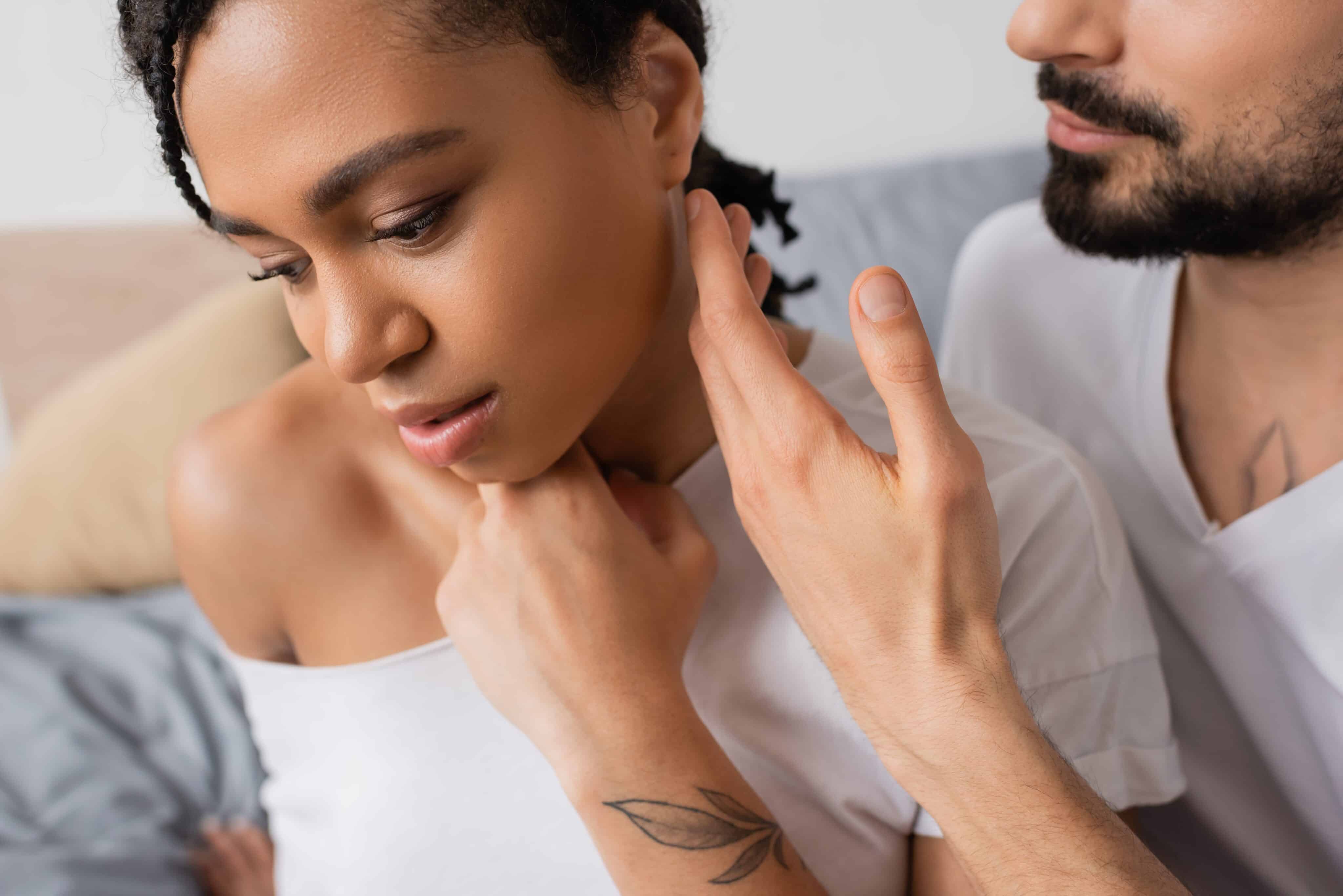
Female pleasure still gets treated like a side note in far too many intimate lives, and the data is blunt about that. A 2024 Kinsey Institute report on orgasm rates found men’s orgasm rates in partnered sex ranged from 70% to 85%, while women’s ranged from 46% to 58%, leaving a gap that age did not erase.
Indiana University’s earlier nationally representative pleasure research adds the detail that makes this even clearer: nearly 75% of women said clitoral stimulation was either necessary for orgasm during intercourse or made it better, while only 18% said penetration alone was enough.
Debby Herbenick, who led that work, said, “There had been little known at the population level about detailed aspects of sexual pleasure and orgasm of women.” That sentence says a lot. It hints at a culture that has often centered women’s desirability more than women’s delight, and many women are still carrying that imbalance quietly into bed.
Space to Grow Without Guilt

Love can become cramped when a woman begins to feel that every private ambition must defend itself before it is allowed to breathe. The numbers around autonomy are telling. Forbes, citing Virtuoso’s 2025 travel trends report, said women now make up 71% of solo travelers, and Hostelworld’s 2025 State of Solo Travel found 60% of solo travelers identify as female.
That does not mean women are drifting away from love. It means many are moving toward fuller versions of themselves, and they do not want that movement mistaken for rejection. This desire may show up as time for therapy, a hobby, a side business, a trip, a class, a friend group, or a Saturday morning that belongs to no one else. The ache underneath it is simple and surprisingly tender: to be allowed to grow wider without being accused of growing away.
Invitation to “Ask For More” Back
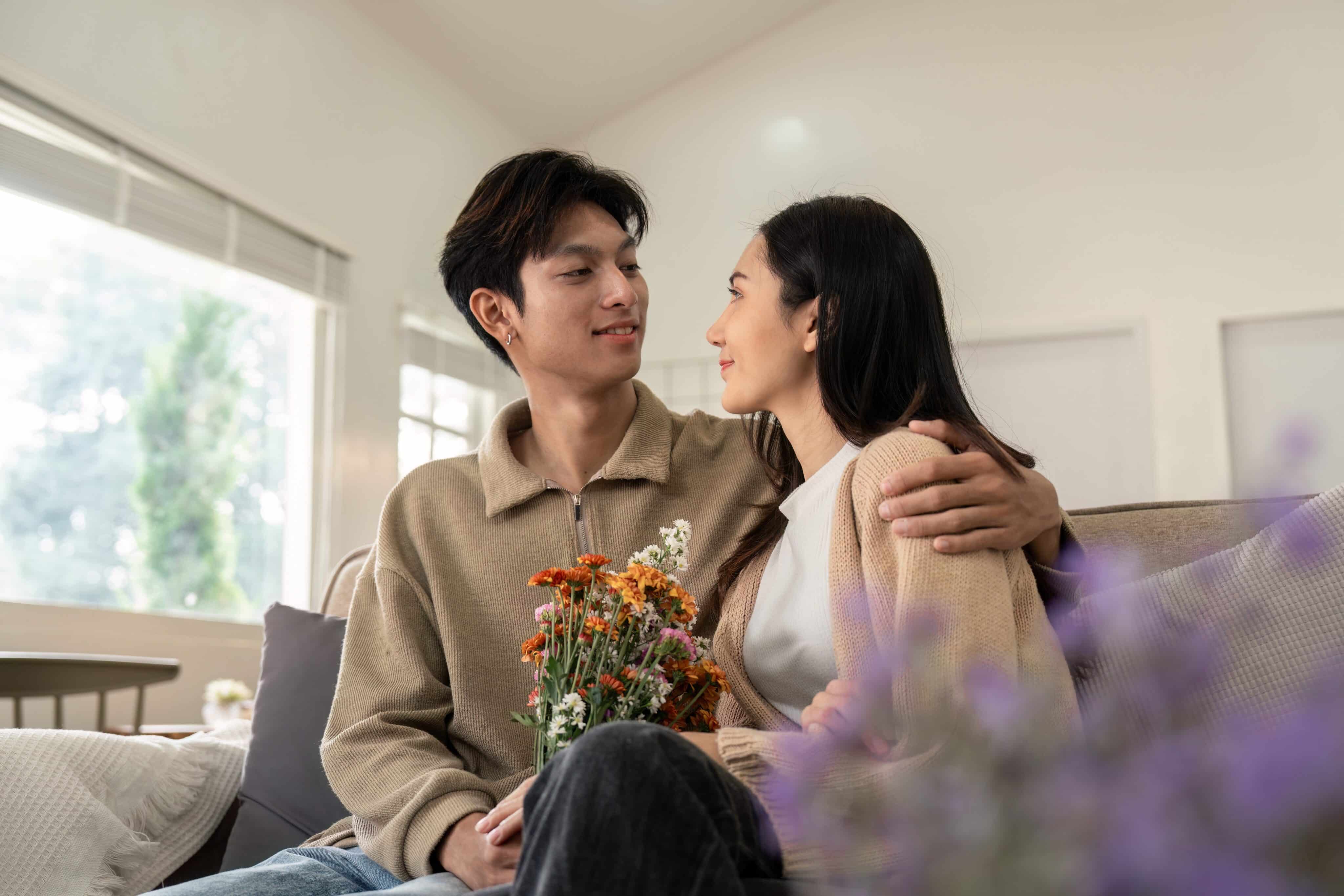
Under all the other desires sits one last one, quieter than the rest and maybe more important than all of them. Many women want to be explicitly welcomed into honesty. Caprino’s research says 77% of women struggle to ask for what they want and deserve, and her own language cuts straight through the fear: “It’s time now to recognize more clearly what you want, and ask for it, even through your doubts and fears.”
That line matters because it speaks to something larger than negotiation. Plenty of women have learned that asking for more care, more effort, more romance, more help, more touch, more pleasure, or more room can make them sound difficult before anyone even answers. So the final unsaid desire is not just for the thing itself. It is for an atmosphere where wanting more does not make love feel suddenly less safe.
Reflective Close

So much of this comes down to a strange old habit in modern clothing. Women are encouraged to be expressive, self-aware, and empowered, only to be quietly penalized when their honesty asks anything of another person.
The numbers in this story keep pointing to the same truth: 72% tired of emotional mentoring, 17% unhappy with non-sexual touch, 77% reluctant to ask for what they need.
None of those figures describes greed. They describe ordinary longing, trying not to sound expensive. And that may be the saddest part of all. Many women are not asking for the moon. They are asking for warmth, fairness, clarity, rest, and room to breathe.
Key Takeaways

The desires on this list may sound private, but the pattern is public. Bumble’s 2025 data shows women still want romance, Paired’s survey shows many still go quiet about touch, Bath’s research shows women still carry far more mental load, and Kinsey data shows women’s pleasure still gets less centered in heterosexual intimacy.
Put together, the message is hard to miss. A lot of women are not failing to communicate because they are confused or because they are impossible to please.
They are staying quiet because they have been taught, in a hundred small ways, that asking clearly can cost them softness, approval, or peace. That is why the most radical gift in a relationship may still be this one: making it safe for the truth to enter the room.
Disclaimer –This list is solely the author’s opinion based on research and publicly available information. It is not intended to be professional advice.
**Like our content? Be sure to follow us on Newsbreak.





