

From corn and wheat to coffee and almonds, scientists say climate change is quietly reshaping where—and whether—some of our favorite foods can be grown.
Why some crops are at higher risk than others
Not all crops face the same level of climate risk. Scientists say the most vulnerable are those that depend on very specific temperature ranges, water conditions, and growing seasons, criteria that are now shifting as the planet warms. An overview from MIT’s Climate Portal notes that crops needing “highly specific conditions” are most likely to struggle as climate change advances, even as relatively resilient staples like wheat, corn, and rice start to feel the strain.
The Intergovernmental Panel on Climate Change (IPCC) and multiple global studies find that climate change has already reduced yields for major cereals in many regions, and that losses are expected to grow as warming continues. One large global dataset published in Scientific Data shows projected yield impacts for maize, rice, soybean, and wheat across 91 countries as temperatures rise. Heat waves, erratic rainfall, and more frequent extremes don’t just chip away at average yields—they increase the odds of sudden, large crop failures when several key growing regions are hit at once, as illustrated in Carbon Brief’s mapping of extreme weather and crops.
That’s why experts are increasingly focused on a handful of crops that the world depends on, both as global staples and as high‑value specialty foods.
Staple grains: corn, wheat, and rice
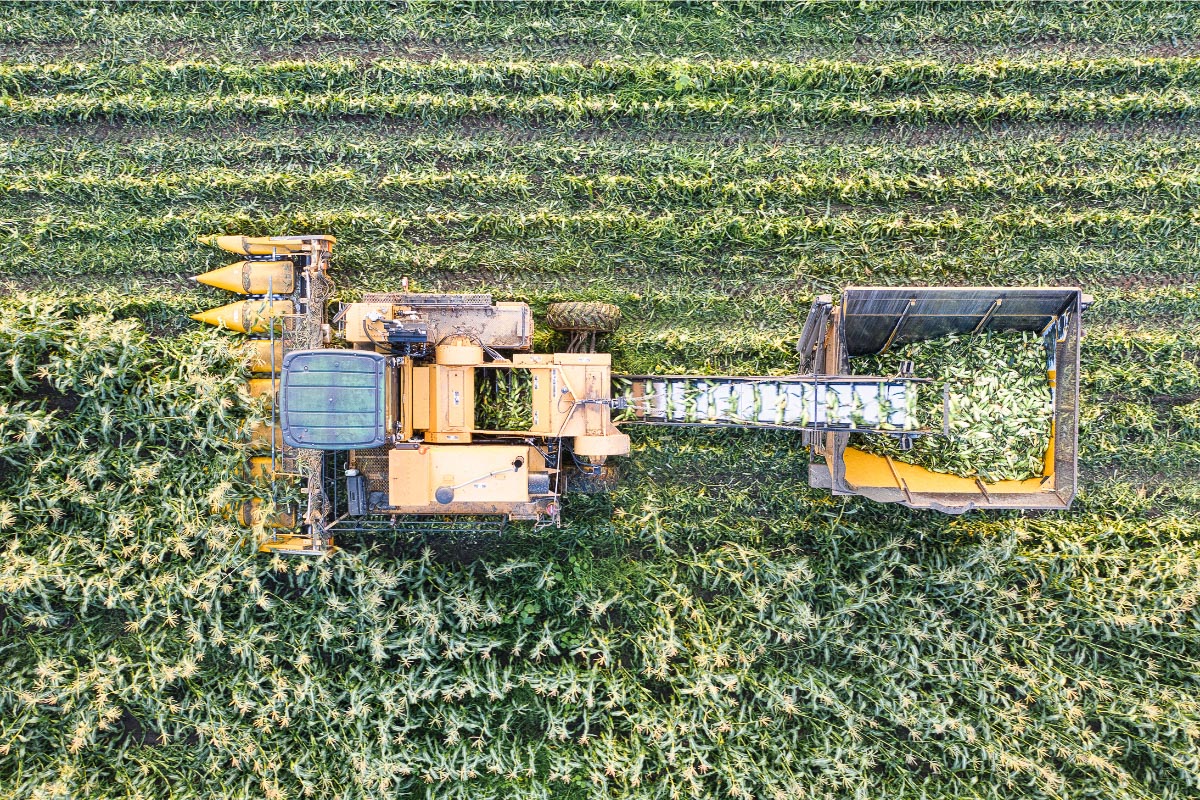
Few crops worry scientists more than corn. A NASA‑affiliated modeling study, widely summarized in a 2021 explainer on global agriculture and climate, found that with high greenhouse gas emissions, global corn yields could drop about 24% by the end of the century, with declines becoming apparent as early as the 2030s. Research highlighted by PBS NewsHour / NASA climate briefings suggests that hotter temperatures and shifting rainfall patterns could make some current corn‑growing regions, especially in the tropics and warmer mid‑latitudes, much less suitable over time. In the U.S., analysis by Environmental Defense Fund shows that climate change is already expected to slow or reverse yield growth in key corn‑producing states by 2030.
Wheat is somewhat more complex. NASA’s modeling work suggests wheat yields may increase in some cooler regions as warming lengthens the growing season, but other research indicates that extreme heat can cut yields sharply, especially during critical growth stages. A review in Frontiers in Plant Science on the impact of climate change on crops estimates that wheat yields may fall about 6% for every 1°C rise in temperature if other factors remain unchanged. Global meta‑analyses compiled in the Nature Scientific Data dataset on projected crop impacts and summarized by the IPCC also report net negative impacts on wheat in many regions as warming intensifies, even when farmers adapt.
Rice, the staple for billions of people, is also on the worry list. The same Nature dataset shows that rice yields have already been pushed downward in several regions by higher temperatures and climate extremes. The IPCC’s Working Group II report on impacts and adaptation notes that staple crops such as rice, maize, and wheat are projected to see growing yield losses as global warming levels increase, particularly in vulnerable regions like parts of Africa and Asia (see IPCC AR6 WG2 figures on crop yields).
Soybeans and other row crops
Soybeans are often seen as relatively tough, but they are not immune. The multi‑model studies that examine maize and wheat find that soy yields also tend to decline as temperatures rise and heat and water stress increase, though the impacts can vary region by region, according to the global crop impact dataset in Scientific Data.
Environmental Defense Fund’s U.S. analysis suggests that by 2030, many Minnesota counties could see soybean yields more than 5% lower than they would have been without climate change, with some counties experiencing double‑digit declines, based on their assessment of climate change and U.S. crop yield growth.
Experts also worry about other major row crops grown at large scale, such as potatoes. The IPCC’s earlier assessments and newer impact summaries have highlighted potatoes as sensitive to both heat and water stress, raising concerns about how much of today’s production can be maintained in current growing areas as warming continues, as discussed in the IPCC’s Third Assessment Report section on crop production and later updates.
High‑value specialty crops: fruits, nuts, coffee, and cocoa
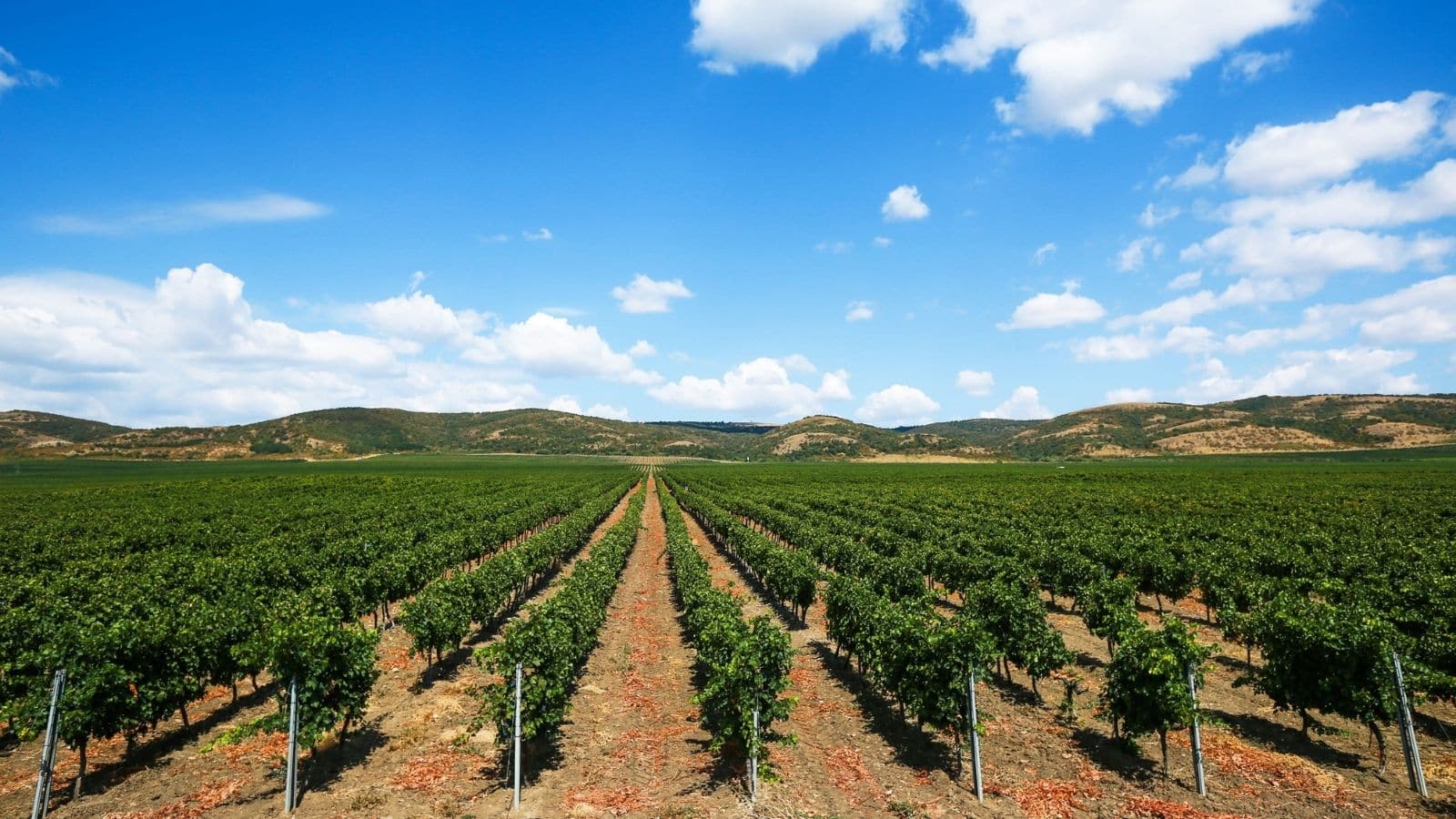
While staple grains get most of the attention, high‑value specialty crops are also high on expert risk lists. The USDA’s regional Climate Hubs warn that specialty crops—such as fruits, nuts, and wine grapes—are generally more sensitive to climate stressors and require more precise management than traditional row crops.
The USDA Midwest Climate Hub notes that increasingly variable weather and heavier spring rainfall are already disrupting planting, increasing disease pressure, and complicating field work for specialty crop growers. In the Southwest, the USDA Southwest Climate Hub highlights that perennial crops like grapevines and nut trees represent long‑term investments that cannot simply be abandoned in a bad year, making them especially vulnerable to extended droughts and heat waves.
Tree nuts and stone fruits depend on “chill hours”—cool winter periods needed for proper flowering—which are declining in some regions as winters warm. USDA experts warn that warmer conditions could prevent crops like peaches, cherries, and some nuts from getting the chilling they need, shrinking suitable growing zones over time, a concern discussed in resources on specialty crops and climate change in the Midwest and related technical summaries.
Save this article

Tropical favorites like coffee and cocoa are also under pressure. Global humanitarian and research organizations point to studies suggesting that key coffee‑growing regions, including parts of East Africa and South America, could lose large shares of suitable land this century as temperatures rise and rainfall patterns shift.
For example, Action Against Hunger outlines several at‑risk crops, including coffee and cocoa, in its overview of crops endangered by climate change. That could make it harder and more expensive to grow the beans that fuel the global coffee industry, particularly for smallholder farmers with limited resources to move or replant.
What makes a crop especially vulnerable
Across all of these examples, experts tend to point to the same risk factors. Crops are especially vulnerable when they:
- Need narrow temperature or rainfall ranges
- Rely on consistent seasons or winter chill that are now changing
- Are grown in regions already close to heat or water limits
- Represent long‑lived investments (like orchards and vineyards) that can’t be quickly moved
A large global dataset on projected climate impacts finds that, on average, climate change reduces yields for major crops like maize, rice, soybean, and wheat, even after accounting for adaptation, according to the Nature Scientific Data compilation of crop projections.
The median projected impacts without adaptation are negative for all four staples, and the IPCC’s latest reports warn that adaptation potential declines as warming increases, as reflected in AR6 Working Group II figures on crop yield impacts and adaptation. That doesn’t mean these crops will suddenly disappear, but it does mean that growing them in the same places, with the same methods, will get harder.
The takeaway: Our food system will need to move and adapt
For consumers, the big takeaway is that some of the crops we take for granted—corn, wheat, rice, soybeans, potatoes, coffee, cocoa, fruits, nuts, and wine grapes—are likely to face more stress in the coming decades.
A 2025 analysis from Stanford University found that rising global temperatures are dampening the world’s capacity to produce food from most staple crops, even when farmers adjust practices. Combined with visual evidence of extreme weather damage summarized in Carbon Brief’s crop and weather mapping project, the picture is one of a steady squeeze: lower yields in some regions, shifting growing zones, more frequent bad years, and higher costs for farmers.
For farmers and policymakers, the message from experts is clear: adaptation needs to accelerate. That could include breeding more heat‑ and drought‑tolerant varieties, improving irrigation efficiency where water is available, shifting planting dates and locations, protecting specialty crops with better risk‑management tools, and, in some cases, helping growers transition to more climate‑resilient crops. T
hese types of strategies are emphasized in guidance from the USDA Climate Hubs on specialty crops and climatic variability and in broader discussions of agriculture and climate risk from organizations such as Concern Worldwide.
How quickly those changes happen will help determine whether these at‑risk crops remain everyday staples—or become harder, and more expensive, to grow and buy.
You may want to also read:
- The History of the Pistachio: From Royal Treat to California Cash Crop
- Black Grapes vs. Green Grapes: Which one should you choose for better health?
- 13 animals on the brink of extinction that could disappear in your lifetime
The U.S. States Most at Risk of Drinking Water Shortages

When Americans picture water shortages, they usually think of parched Western landscapes and shrinking reservoirs. But new federal assessments suggest drinking water risk is far more widespread, driven by a mix of climate stress, aging infrastructure, rising demand, and limited capacity to adapt, according to the U.S. Geological Survey’s National Water Availability Assessment and related work on water limitations across the lower 48 states
READ: The U.S. States Most at Risk of Drinking Water Shortages





