

The future is looking increasingly uncertain for future generations. As technology advances at breakneck speed, challenges such as economic instability, climate change, and job displacement loom. A 2020 McKinsey & Company report predicts that by 2030, up to 800 million jobs worldwide could be replaced by automation.
With these shifts already underway, future generations will face a reality where traditional career paths, financial security, and environmental stability may no longer be guaranteed. The question is: How will they adapt to a world that is changing faster than ever before?
Economic Pressures: The Strain of Rising Debt
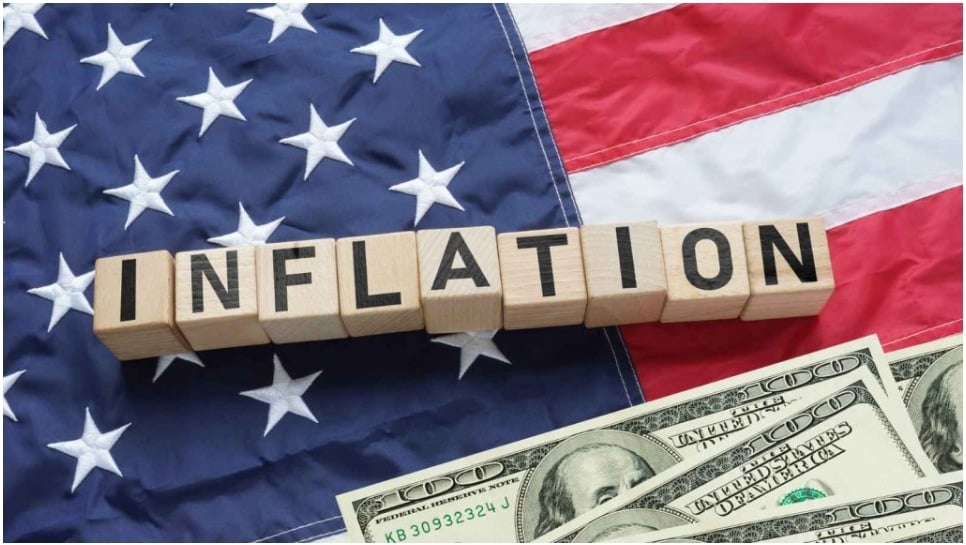
One of the most significant challenges for future generations is the economic burden created by rising national debt. In the United States, the national debt surpassed $31 trillion in 2023, a record high, and it continues to grow. As the debt increases, the government may need to raise taxes or cut spending on social services, impacting younger generations who will likely bear the financial burden.
Additionally, inflation has been a persistent issue, further eroding purchasing power. According to the U.S. Bureau of Labor Statistics, inflation reached 9.1% in mid-2022, the highest in four decades, and while it has decreased since, it remains a concern for long-term economic stability.
For future generations, these factors could result in a lower standard of living, fewer economic opportunities, and a lack of financial security. The cost of living is expected to continue rising, while wages may not keep pace with inflation, making it harder to save for milestones such as buying a home or preparing for retirement.
Mental Health Challenges in a Hyper-Connected World
The future generations will also face mounting mental health challenges exacerbated by social media, constant connectivity, and a fast-paced world. A 2023 report by the World Health Organization (WHO) highlighted that young people, particularly those in high-income countries, are experiencing increased rates of anxiety, depression, and other mental health issues.
The pressure to succeed, the prevalence of online bullying, and the constant comparison with others can contribute to a sense of inadequacy and loneliness. With the world constantly evolving and providing new sources of stress, future generations may face even greater mental health struggles than previous ones, with fewer resources available to address them.
Climate Change and Environmental Degradation
Perhaps the most significant long-term challenge is climate change. The Intergovernmental Panel on Climate Change (IPCC) has repeatedly warned that the world is on track for catastrophic temperature increases unless serious action is taken. If global temperatures rise by 2°C or more by the end of the century, future generations will face extreme weather events, rising sea levels, food insecurity, and the displacement of millions of people.
In addition to these direct environmental impacts, the economic cost of mitigating and adapting to climate change will fall heavily on future generations. A report from the U.S. National Oceanic and Atmospheric Administration (NOAA) estimates that climate change could cost the U.S. economy up to $1.8 trillion annually by the end of the century if substantial measures are not taken. This represents a significant strain on the resources that future generations will need to ensure their survival and prosperity.
Education and the Skills Gap

Access to education has improved globally, but the increasing complexity of the job market and the demand for highly specialized skills create challenges for future generations. The evolution of technology, along with the changing nature of work, means that future generations will need to continuously update their skills throughout their lives.
Most employees will need to be reskilled due to advances in automation and technology.
However, not all future generations will have equal access to quality education. Inequalities in education systems, particularly in low-income countries, could limit opportunities for many individuals, leaving them unprepared for the demands of the future economy.
Technological Displacement and Job Uncertainty
Automation, artificial intelligence (AI), and robotics are transforming industries at an unprecedented rate. These technologies create new opportunities, but they also pose a threat to many traditional jobs. According to a 2020 McKinsey & Company report, up to 800 million jobs worldwide could be displaced by automation by 2030, disproportionately affecting low-wage workers in industries such as manufacturing, retail, and transportation.
For future generations, this technological shift could lead to increased job insecurity. Although new industries will emerge, they may require specialized skills that not everyone can easily access. Moreover, as automation and AI continue to replace human labor, wealth inequality could worsen, with the richest individuals and corporations benefiting the most while the rest of the population struggles to find stable work.
Political and Social Instability
Political and social instability is another growing concern. In recent years, we’ve seen a rise in polarization, both in the U.S. and globally, with increasing divisions between political groups and social unrest becoming more common. Climate change, economic inequality, and job displacement could exacerbate these divisions, creating environments of political instability that future generations will have to navigate.
Moreover, the erosion of democratic institutions in some parts of the world could lead to the rise of authoritarian regimes or a decline in human rights protections, further complicating the prospects for future generations.
The Need for Action

The future may look challenging, but it’s not without hope. By addressing issues like climate change, economic inequality, and the need for better mental health resources, future generations can still thrive.
However, without significant intervention, these challenges will only continue to grow. The choices made today will determine whether the future is one of hardship or opportunity for those who come after us. It is essential that governments, businesses, and individuals act now to lay the groundwork for a more sustainable and equitable future.
Disclaimer – This list is solely the author’s opinion based on research and publicly available information. It is not intended to be professional advice.
Disclosure: This article was developed with the assistance of AI and was subsequently reviewed, revised, and approved by our editorial team.