

Watching entire groups of young people priced out of their own communities raises challenging questions about what cities are becoming.
Generation Z is facing an economic buzzsaw when it comes to housing. This is the generation that grew up online, entered the workforce during a pandemic, and is now trying to build a life while staring down apartment costs that eat up most of their paychecks. The old advice to “just move to the city” for a good job has turned sour.
For young adults, the math just isn’t working. They are being squeezed by student loan payments, stagnant wages, and rental markets that have become completely unaffordable. The dream of a cool downtown apartment is being replaced by the reality of moving back home or relocating to cheaper, more remote areas, leaving these cities to wonder where all the young people went.
Nashville, Tennessee

Music City is singing a sad tune for Gen Z renters. The bachelorette parties and non-stop nightlife have made Nashville one of the hottest tourist destinations, and the rental market has followed suit. Young musicians and graduates are finding they can’t afford to live in the city that powers their careers.
The cost of a one-bedroom has exploded, pushing young people out. It’s a classic story of a city’s success leading to the displacement of the very people who made it cool. Good luck finding an apartment that doesn’t cost an arm and a leg.
New York City, New York

The Big Apple is still the city of dreams, but affording a shoebox apartment is a nightmare. Gen Z workers, seeking to launch careers in media, fashion, or finance, are discovering that their entry-level salaries fall short of covering the cost of admission. It’s a tough pill to swallow when the city you love doesn’t love your bank account back.
Roommate situations that look like a sitcom script are the only way to survive. The average rent for a one-bedroom apartment in New York is a staggering $4,017 per month, according to data from Apartments.com as of November 2025. Many are simply giving up, trading the subway for a U-Haul headed literally anywhere else.
Los Angeles, California

If you want to be a star in Los Angeles, you might have to live in your car first. The city’s infamous sprawl is matched only by its sky-high rental prices, creating a crushing affordability crisis for young residents. They are trapped between terrible traffic and rents that would make a movie producer blush.
This isn’t just a feeling; it’s a fact. A 2023 Polygon Research analysis found that Los Angeles is where Gen Z renters are the most cost-burdened in the nation. This group spends an average of 42.2% of their income just on housing, leaving almost nothing for gas, food, or savings.
Miami, Florida

Miami has transformed from a vacation spot to a high-cost, permanent headache for renters. The influx of tech and finance jobs has driven prices to levels that are unsustainable for young people working in the service and tourism industries, which keep the city running. The sunny skies are little comfort when you’re paying a fortune for a tiny space.
The party is over for many young locals who are being priced out of their own neighborhoods. They are watching luxury high-rises go up while their own rent triples, forcing them to move inland or out of state entirely. It’s a sunshine squeeze, and Gen Z is feeling the burn.
Austin, Texas
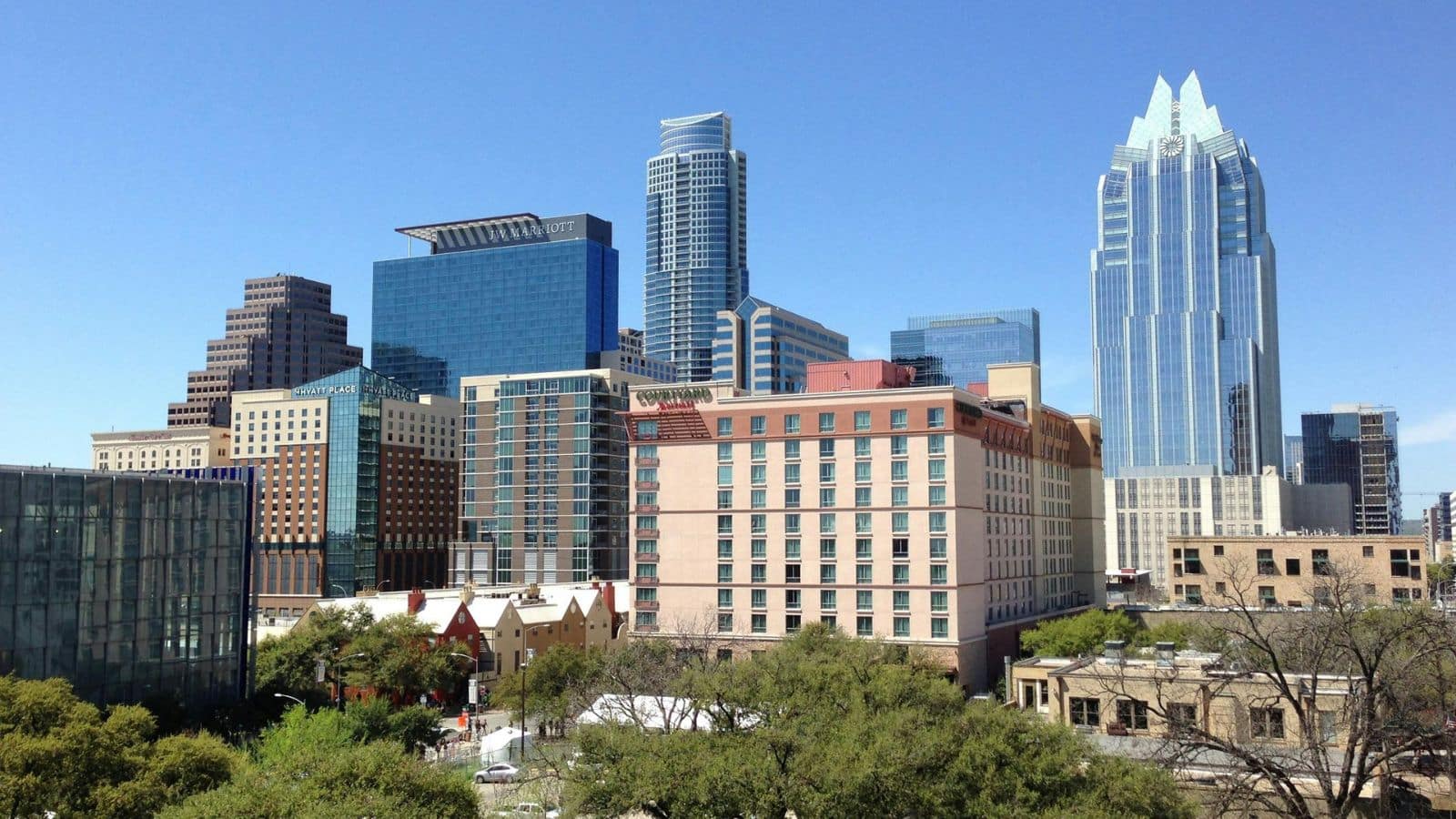
The city that begged people to “Keep Austin Weird” is now just keeping it expensive. What was once a funky college town and music haven has become a casualty of the tech boom. Gen Z moved here for the vibe but is now leaving due to the high bills. The city’s growth has been explosive, but housing supply hasn’t kept up.
The jobs are here, but the affordable apartments are not. Young professionals who flocked to Austin for opportunity are now finding that the cost of living cancels out the higher pay. They are being forced to the suburbs, further and further from the city’s core, wondering where the “weird” has gone.
Boise, Idaho

Save this article
Boise is probably the biggest shock on this list, but it’s a prime example of pandemic-era migration gone wrong. As remote workers fled the coasts, they brought their high salaries with them and completely broke the Boise housing market. This once-affordable mountain town is now out of reach for the kids who grew up there.
The numbers are genuinely alarming. A report from Construction Coverage projected that median rents in Boise could increase by 32.1% in 2025 alone. That kind of jump isn’t just an inconvenience; it’s an eviction notice for an entire generation.
San Diego, California

San Diego has always been pricey, but “always” looks different these days. It offers perfect weather and a laid-back lifestyle, but Gen Z is discovering that “sunshine tax” is no joke. The competition for any decent apartment is fierce, with application fees and deposits piling up.
It’s more than just a tight budget; it’s a national problem. Across the United States, nearly three in five Gen Z renters spend more than 30% of their income on housing, according to a Zillow analysis. In San Diego, that figure is often much higher, pushing them to the financial brink.
Phoenix, Arizona

The Phoenix metro area was supposed to be the affordable alternative to California. That reputation is evaporating in the desert heat as rent prices climb relentlessly. The population is booming, but the new apartment complexes are primarily aimed at luxury renters, rather than young people just starting.
The disconnect between pay and housing is stark. Over the last decade, rent for a two-bedroom apartment in Arizona increased by nearly 66%, while median incomes rose by only 24%. That gap is why Gen Z is packing up and heading out.
Denver, Colorado

The Mile High City now comes with mile-high rent. Young people drawn to the outdoor lifestyle and booming economy are finding that they can’t afford to stay. The squeeze is so tight it’s forcing people to make impossible choices.
How bad is it? A recent Redfin survey revealed the heartbreaking sacrifices young renters are making. It found that more than one in five (22%) young renters report skipping meals completely to make their monthly payments. That’s not a budget; that’s a crisis.
Boston, Massachusetts

Boston is a city powered by students and young professionals, but it seems determined to kick them out. The cost of living in this historic, education-focused city is punishing. Graduates who want to stay and build their lives here are hit with a wall of impossible rents.
Unless you land a six-figure job straight out of college, you’ll struggle. The “brain drain” is becoming a real problem as Gen Z takes their new degrees to more affordable cities like Charlotte or Chicago. They came for the education but can’t afford to stick around for the career.
Disclaimer – This list is solely the author’s opinion based on research and publicly available information. It is not intended to be professional advice.
Like our content? Be sure to follow us.
How Total Beginners Are Building Wealth Fast in 2025—No Experience Needed

How Total Beginners Are Building Wealth Fast in 2025
I used to think investing was something you did after you were already rich. Like, you needed $10,000 in a suit pocket and a guy named Chad at some fancy firm who knew how to “diversify your portfolio.” Meanwhile, I was just trying to figure out how to stretch $43 to payday.
But a lot has changed. And fast. In 2025, building wealth doesn’t require a finance degree—or even a lot of money. The tools are simpler. The entry points are lower. And believe it or not, total beginners are stacking wins just by starting small and staying consistent.
Click here and let’s break down how.





