
Just last Tuesday, my friends and I sauntered into our local Starbucks, poised for our usual medium roast, and discovered that the espresso machine had a handwritten sign taped on it: “Temporarily out of coffee beans due to supply problems.” Day after day, this picture is re-enacted across America, as the luxuries we have taken for granted continue to vanish.
Most people, however, are unaware that rising costs, climate change, and supply chain issues are affecting the American way of life. According to the Bureau of Labor Statistics, prices for goods and services rose by 7% from December 2020 to December 2021. However, the tale is not only about what costs more, but also about what has ceased to exist entirely in our lives.
The array of resigned luxuries is becoming longer and longer, ranging from familiar meals to necessary, everyday items. This article examines 13 of these changing comforts, from particular meals and goods to practices, that are gradually being erased from the American way of life.
Affordable Homeownership

The American dream of affordable homeownership is quickly becoming difficult as median home prices hit record levels. According to the National Association of Realtors, the median existing home price stood at $404,500, representing a 3% year-over-year increase.
As a result, first-time homebuyers are finding it increasingly difficult to get their foot in the door, leaving many with no choice but to rent for an extended period. Moreover, rising mortgage rates and stagnant wages exacerbated the situation, leading to frustration among those who aspired to own property at affordable rates.
Affordable Fresh Produce

As the cost of groceries has risen, it has gradually led to fresh fruits and vegetables being out of reach for a lot of families. With the average standard price of produce rising by 11.4% from 2022 to 2024, organic produce prices have climbed even higher, according to the USDA.
As prices have surged, several households have since taken to the frozen or canned portions. Although these alternatives offer some nutritional value, fresh produce is irreplaceable.
Cheap Gas Prices

As energy costs continue to reshape the nation’s driving habits, those days of $ 2-gallon gasoline are becoming a memory. According to the American Automobile Association, gas prices in October 2024 averaged $3.13 per gallon, and analysts expected them to rise soon.
The increase in fuel prices has prompted some drivers to reassess their vehicle usage, with many opting for public transportation and carpooling. Furthermore, with the spike in fuel prices, consumers have been flocking to electric vehicles as a longer-term solution to high gasoline costs.
Traditional Cable Television

Cable television subscriptions are declining, as streaming services break down entertainment into more affordable pieces. According to the Federal Communications Commission, from 2019 to 2024, the number of traditional pay-TV subscribers declined as 86.7% of people dropped cable TV due to high prices. Families struggling with economic uncertainties discovered they could pay more than for single-channel consumer cable packages.
Affordable College Education

Tuition soars out of the reach of the middle class, and higher education becomes not an investment but a financial albatross. For the 2023-24 academic year, the College Board reported that the average tuition and fees were $41,540 at private four-year colleges and $29,150 at public institutions. Nationally, student loan debts are at $1.73 trillion.
This divide is growing, and it threatens to deepen the inequalities in our economy, locking millions of families out from the possibility of reaching higher education. Unless action is taken to rein in these escalating costs, the college degree for many will remain a fading dream.
Reliable Internet Service

Aging infrastructure buckling under the weight of increased demand causes Internet outages and slowdowns for households across the U.S. Investors report that the average broadband bill has risen from about $77 to $89 in the past year.
More expensive internet is simply widening the already existing digital divide, with low-income communities being hit the hardest. In today’s competitive environment, good internet is essential for education and work.
Chain Restaurant Dining

American communities lose their favorite restaurants as chains vanish, triggering massive closures. Family-dining concepts were hardest hit, with 33% of the top 500 chain restaurants experiencing net location losses this year, following 2023 closures that continued into 2024.
The cost of labor rose by 30% due to supply chain issues across the entire industry, as wages continued to increase following the implementation of minimum wage hikes.
Save this article
Overnight Shipping

Last-mile delivery fee schedules are evolving as logistics companies begin to charge by the delivery unit, rather than just by the mile. Next-day delivery is now a premium service, rather than a default, and logistics corridors are beginning to monetize last-mile supply chain opportunities fully.
Retailers have been impacted by increased shipping costs resulting from rising fuel prices, which are further exacerbated by tight labor markets that make it more challenging to attract and retain drivers. Digital Commerce 360 reports that “shipping margins fell slightly considering fuel costs increased and delivery drivers became scarcer, ”adding to the cost pressures on sellers.
This has prompted a reevaluation of how many retailers manage shipping, often by offering customers discounts to opt for slower, less expensive shipping options. More consumers are also becoming savvier about such costs, altering their expectations and behaviors in the process.
Paper Money and Coins

In American commerce, physical currency is increasingly replaced by digital payments. According to the Federal Reserve, cash transactions have declined. In 2024, only 83% of consumers used cash at least once in the prior 30 days, down from a peak of 87% in the previous year.
The decline in cash usage reflects the growing adoption of contactless payments and mobile payment applications, driven by convenience and advancements in technology. Therefore, more and more businesses are switching to ensure they can provide these digital payment methods in line with consumer behavior.
Privacy in Digital Life

Over time, a significant aspect of American digital life has been the erosion of personal privacy. In 2022, data breaches affected 422 million Americans, with financial and health information being most frequently compromised.
Most users are unaware of how much data is being collected, stored, and shared by companies and third parties. This lack of transparency raises significant concerns regarding consent and ownership of data to a considerable extent. There are mounting calls for stronger privacy laws and enhanced data protection to ensure the protection of individuals’ rights in the digital era.
Key Takeaways

The dissolution of Familiarities, lessening the accessibility of comforts, implies considerably more than minor burdens—it is symptomatic of an altering American way of life. Economic stress, infrastructure decay, and climate change converge to erode the affordable luxuries our forebears would have taken for granted.
The middle class is caught in the crossfire: costs continue to rise while wages barely budge, forcing them to forgo experiences their parents could take for granted. Americans adapt, living with less ease at a higher price and with reduced expectations. American households will not have a choice about whether these changes continue, but rather how soon they will need to adapt their lifestyle to this new norm.
Disclaimer – This list is solely the author’s opinion based on research and publicly available information. It is not intended to be professional advice.
16 Grocery Staples to Stock Up On Before Prices Spike Again

16 Grocery Staples to Stock Up On Before Prices Spike Again
I was in the grocery store the other day, and it hit me—I’m buying the same things I always do, but my bill keeps getting higher. Like, I swear I just blinked, and suddenly, eggs are a luxury item. What’s going on?
Inflation, supply-chain delays, and erratic weather conditions have modestly (or, let’s face it, dramatically) pushed the prices of staples ever higher. The USDA reports that food prices climbed an additional 2.9% year over year in May 2025—and that’s after the inflation storm of 2022–2023.
So, if you’ve got room in a pantry, freezer, or even a couple of extra shelves, now might be a good moment to stock up on these staple groceries—before the prices rise later.
6 Gas Station Chains With Food So Good It’s Worth Driving Out Of Your Way For
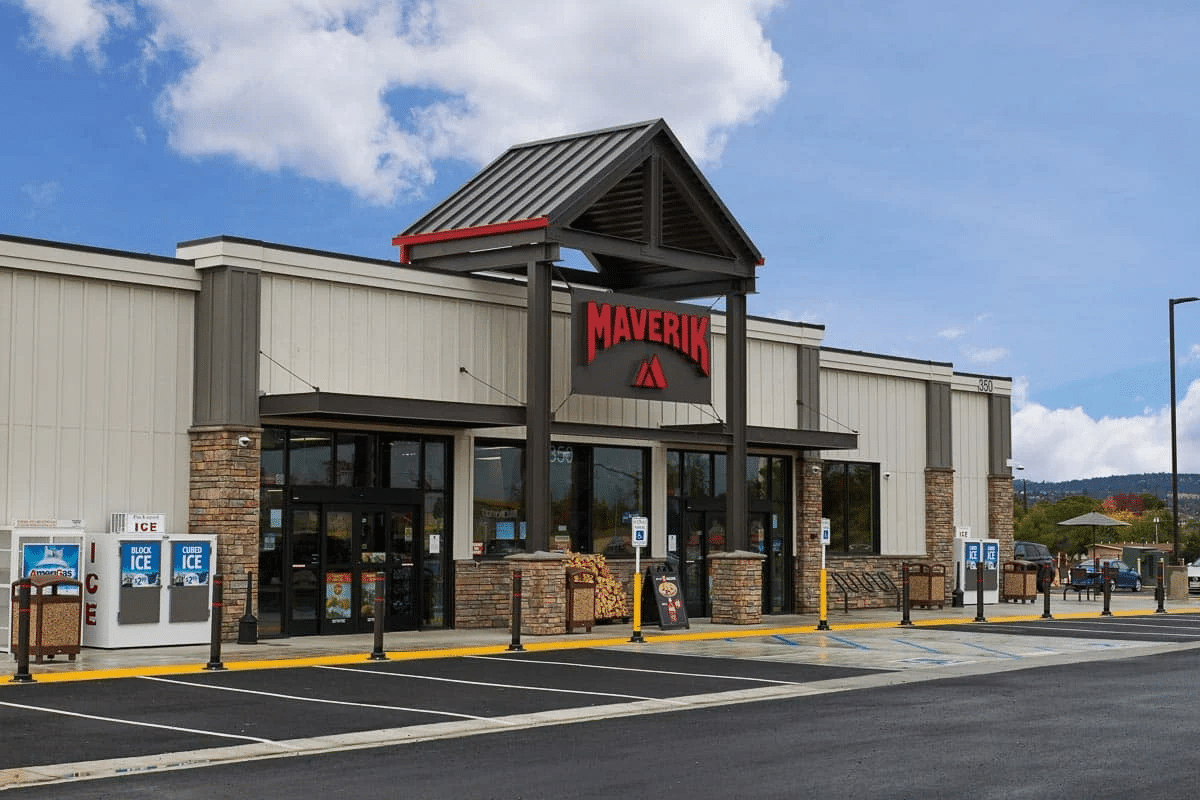
6 Gas Station Chains With Food So Good It’s Worth Driving Out Of Your Way For
We scoured the Internet to see what people had to say about gas station food. If you think the only things available are wrinkled hot dogs of indeterminate age and day-glow slushies, we’ve got great, tasty news for you. Whether it ends up being part of a regular routine or your only resource on a long car trip, we have the food info you need.
Let’s look at 6 gas stations that folks can’t get enough of and see what they have for you to eat.





