

Have you ever driven down a dusty two-lane road and seen the driver of an oncoming pickup truck lift a single finger from the steering wheel? Not that finger. Just a quick, subtle index finger. Or maybe a full hand raised in acknowledgment. That’s the “rural wave.” It’s a small thing, but it speaks volumes about a way of life that’s often misunderstood. It’s a gesture that says, “I see you,” in a place where you might not know everyone, but you know you’re part of the same community.
It’s easy to think of rural America as a small, forgotten corner of the country. But the numbers tell a much bigger story. We’re talking about a massive part of the nation; roughly 97% of the U.S. landmass is classified as rural by the U.S. Census Bureau.
So, what does “rural” actually mean? The Census Bureau defines it pretty simply: it’s any territory, population, or housing that isn’t in an urban area. For the record, an urban area is defined as a place with at least 5,000 people or 2,000 housing units. It’s a technical definition that paints a picture of wide-open spaces and smaller, tight-knit communities.
Life in these communities is built on a powerful paradox. It’s a world of incredible social strength, where neighbors genuinely help one another and community bonds are strong and enduring.
The “rural wave”: speaking a language without words

The “rural wave” isn’t just a quirky habit; it’s a social contract. It’s the simple, almost unconscious act of acknowledging every single car you pass on a country road. It doesn’t matter if you know the person. You wave because, in a landscape where people are a scarcer commodity, every person counts.
This silent language has its own dialects. There’s the full-hand lift from the steering wheel, friendly and open. There’s the working man’s two-finger salute—index and middle finger raised together—often seen from the driver of a dusty work truck, a gesture of solidarity that keeps a firm grip on the wheel. And then there’s the minimalist classic: a simple lift of the index finger, a nod that says “I see you” without any fuss.
A ResearchGate study found that rural residents report a greater willingness among neighbors to help each other and perceive their communities as more “close-knit and trusted”. The wave is the physical manifestation of that data point, a constant, low-stakes reinforcement of community bonds.
Friday Night Lights is more than just a game

In thousands of small towns across America, Friday nights in the fall are sacred. The entire community—from grandparents clutching blankets in the bleachers to toddlers running around in tiny jerseys—gathers under the stadium lights. The high school football game isn’t just a sporting event; it’s a town-wide ritual. It’s the social hub, the de facto town square, and the absolute center of collective pride.
This isn’t just a feeling; it’s a structural reality that shapes community decisions. High school sports are so central to rural identity that towns will fight tooth and nail to keep them. Research shows that communities often resist full school consolidation, specifically to protect their sports teams. As one researcher, Graves, stated, “To lose a school and its colors would relinquish one’s identity”. The team’s mascot and colors are not just logos; they are symbols of the town’s very existence.
The county fair is the biggest event of the year

For one week a year, a dusty fairground transforms into the vibrant heart of the county. The air fills with the smell of funnel cakes and grilled corn, while the sounds of carnival rides mix with the announcements from the livestock barn. Generations of families come together for what is, for many, the biggest event of the year. The county fair is an annual homecoming, a tradition that connects the present to a deep agricultural past.
But don’t let the cotton candy and Ferris wheels fool you. The county fair is a serious economic powerhouse. In Pennsylvania, a study found that for every dollar the state’s Department of Agriculture invested in its fairs, the commonwealth saw an economic impact of $286. In Illinois, fair attendees spent an estimated $80 million in local communities on items outside the fairgrounds, such as gas, food, and lodging. A study of two counties in Minnesota found that their local fairs generated around $1 million in economic activity, with every dollar invested yielding a return of $4.43 in local spending.
The fair, in essence, is a temporary, highly condensed representation of the entire rural economy. You see agriculture showcased in livestock shows, small business entrepreneurship in food stalls and artisan booths, and a surge in local tourism that benefits hotels and restaurants for miles around. The challenges that fairs face, such as rising costs and a shift in interest from livestock shows to demolition derbies, mirror the broader economic evolution of rural America itself.
Knowing your neighbors is non-negotiable

In rural America, anonymity is a luxury you can’t afford. Everyone knows who you are, who your parents are, and probably what you had for breakfast. This isn’t about being nosy; it’s about survival and interdependence. It’s knowing exactly who to call when a tree falls across your driveway or your tractor breaks down mid-harvest. And it’s the unspoken understanding that you’ll be there to return the favor.
This isn’t just a folksy stereotype; it’s a social dynamic backed by hard data. Research consistently shows that rural communities have higher levels of what sociologists refer to as “social cohesion.” A National Institutes of Health study involving older adults in the mid-Atlantic region found that rural participants had demonstrably higher social cohesion scores than their urban counterparts, with a mean score of 61.7 versus 60.6 for urban residents.
Battling the “digital divide” is a daily reality

For many Americans, a slow internet connection is a fleeting annoyance. For millions in rural America, it’s a fundamental barrier that shapes daily life. It’s the frustration of a perpetually buffering video, a Zoom call that drops right before your big presentation, or driving ten miles down the road just to find a spot with enough signal to send an email. This is the “digital divide,” and it’s very real.
The numbers paint a stark picture of two different Americas. A 2018 Pew Research Center survey found that nearly a quarter (24%) of rural adults called access to high-speed internet a “major problem” in their community. That’s almost double the rate of urban adults (13%) who said the same. While the Federal Communications Commission (FCC) reports that 99% of U.S. households have access to some form of broadband, that number is inflated by the inclusion of satellite internet. When you remove satellite—a common but often slower and less reliable option for rural areas—broadband availability drops to 94% nationwide.
The real gap is in infrastructure. Fiber internet, the gold standard for speed and reliability, is available to 49% of households in urban areas but only 37% of those in non-urban areas. This isn’t just about having access; it’s also about adoption. Rural adults are less likely than their urban and suburban peers to own the devices necessary to access the internet, including smartphones, tablets, or traditional computers.
A “quick trip” to the store can take all day

In the city, a “quick trip” to the grocery store might take 20 minutes. In the country, it can be an all-day affair. The concept of “access” takes on a whole new meaning when the nearest supermarket, doctor’s office, or hardware store is an hour’s drive away. Life becomes a constant calculation of time, gas, and logistics just to meet basic needs.
This reality is most acute in two critical areas: food and healthcare. The U.S. Department of Agriculture (USDA) has a specific term for areas with limited access to affordable, nutritious food: “low-income, low-access” tracts. For rural areas, this can mean living more than 10 or even 20 miles from the nearest full-service grocery store. According to one USDA measure, an estimated 17.1 million people in the U.S. live in tracts that are both low-income and more than 20 miles (for rural areas) or 1 mile (for urban areas) from a supermarket. This “food desert” problem is especially hard on children, with one report finding that 84% of the counties with the highest rates of childhood food insecurity are rural.
The healthcare landscape is just as barren. Since 2010, 182 rural hospitals have closed their doors, and a recent analysis by Chartis found that another 432 are at risk of closure. This leaves massive gaps in care. There are only 39.8 primary care physicians for every 100,000 people in rural areas, compared to 53.3 in urban centers. And if you need a specialist? Good luck. A staggering 64% of rural clinic staff report having difficulty finding specialists to refer their patients to.
Hunting and fishing aren’t just hobbies—they’re an economic engine

Save this article
For millions of rural Americans, the rhythm of the year is marked by the opening days of deer, turkey, or fishing season. It’s a tradition passed down through generations—a way to connect with the land, spend time with family, and put healthy, locally sourced food on the table. It’s a profound, cultural connection to the outdoors —a way of life that extends far beyond a simple hobby.
But what many people don’t realize is that these pastimes are also a massive economic force, particularly for rural communities. The numbers are staggering. The 2022 National Survey of Fishing, Hunting, and Wildlife-Associated Recreation, a comprehensive study by the U.S. Fish and Wildlife Service, found that 39.9 million people fished and 14.4 million hunted that year. Together, these activities contributed a jaw-dropping $145 billion to the U.S. economy. That spending supports over 1.5 million jobs and generates billions in federal, state, and local taxes that fund schools, roads, and other public services.
This economic activity is a lifeline for many small towns. As a report from the National Wildlife Federation points out, the money brought in by hunters and anglers during their respective seasons “can be enough to keep small businesses operational for the whole year”. They fill up at local gas stations, eat at small-town diners, stay in local motels, and buy gear from Main Street shops.
Your town’s economy runs on small businesses

Walk down the main street of any small town, and you’ll see the lifeblood of the rural economy. It’s the family-owned hardware store where the owner greets you by name, the independent auto shop you trust with your truck, and the local diner that serves as the unofficial town hall. In rural America, small business isn’t just a part of the economy; for the most part, it is the economy.
The data couldn’t be clearer. Small businesses account for a stunning 84.8% of all business establishments in rural counties and provide 54.3% of all jobs in those areas. In total, there are 4.1 million rural small businesses that employ 7.5 million people. This extends to agriculture as well, where 88.1% of all farms are classified as small family farms.
But these cornerstones of the community are facing immense pressure. A 2024 report revealed that a shocking 94% of all rural small businesses were facing financial constraints, a significant increase from just over half in 2016. Their top concern is the rising cost of goods, services, and wages. Compounding this, they struggle to hire and retain workers, a challenge that is even more severe in rural areas than in cities.
This reveals a fragile, symbiotic relationship between a rural town’s population and its small business economy. They are completely interdependent. When a town experiences “brain drain” and young people leave for cities, the local talent pool for businesses shrinks, making it harder to hire. This out-migration also shrinks the customer base, putting financial pressure on local shops.
Watching the “brain drain” happen in real time

It’s one of the most bittersweet moments in rural life: the high school graduation party. There’s cake, celebration, and pride. But underneath it all, there’s often a sense of farewell. It’s the moment you watch the brightest, most ambitious young people in your community—the valedictorians, the star athletes, the future leaders—pack their bags for college, knowing that many of them will never come back to live.
This phenomenon, known as “brain drain,” is a well-documented and painful reality for rural America. The gap in college attainment between urban and rural areas has widened dramatically, from just five percentage points in 1970 to 14 points by 2016.
The motivation for this exodus is painfully clear: opportunity. College graduates working in big cities earn, on average, around $71,000 per year. Their counterparts who remain in rural areas earn about $50,000. It’s a rational economic decision. Data from the 2022 American Community Survey confirms the trend continues, with states like Nebraska, Iowa, and Wyoming showing a net loss of college graduates. Matt Dunne, founder of the Center for Rural Innovation, has called this “the greatest opportunity gap between rural and urban places in history.”
You have a deep, unspoken connection to the land

This last experience is less about a single data point and more about a fundamental feeling that underpins everything else. It’s the quiet satisfaction of watching a sunset paint the sky over a field your family has worked for generations. It’s the sense of history and permanence that comes from living in a place where your roots run deep into the soil.
It’s a connection that’s hard to quantify but easy to see in the words of those who live it. Writer Amanda Radke describes it as a place where “it’s hard not to see God’s handiwork in a beautiful sunset painting the sky across the prairie.” Author Susan Orlean captures the feeling of living in a rural setting, which “exposes you to so many marvelous things – the natural world and the particular texture of small-town life, and the exhilarating experience of open space”.
This connection to the land is foundational. It shapes a mindset characterized by a deep appreciation for hard work, self-reliance, and an agricultural heritage. It’s what former Agriculture Secretary Tom Vilsack was getting at when he said, “…if you grow up in rural America, you know you can’t just keep taking from the land. You’ve got to give something back”.
Key takeaway
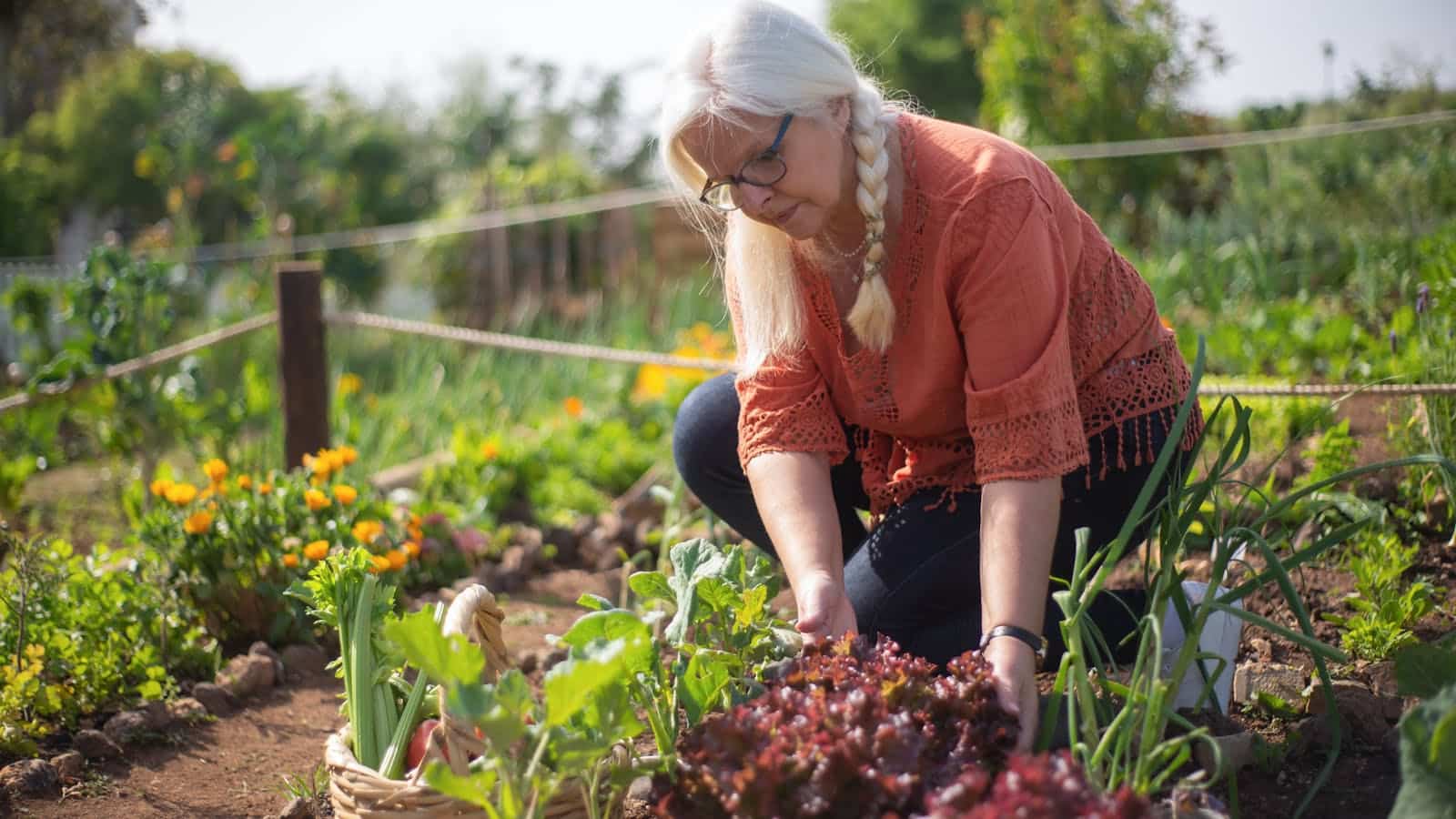
Life in rural America is a story of navigating a powerful duality. It is a world defined by profound community strength, where social cohesion is a lived reality seen in the simple “rural wave” and the communal pride of “Friday Night Lights.” This resilience is built on a foundation of self-reliance, the grit of small business owners, and a deep, cultural connection to the land.
However, this strength is constantly tested by significant structural disadvantages. The “digital divide” that limits access to the modern economy, the hidden “time and mileage tax” required to access basic services like healthcare and food, and the persistent “brain drain” of young talent are not isolated problems. They are interconnected challenges that create a cycle of disadvantage. The experiences of rural America are ultimately a story of celebrating the unique strengths of community and place while fighting for a fair shot at the opportunities and infrastructure that all Americans deserve.
Disclaimer – This list is solely the author’s opinion based on research and publicly available information. It is not intended to be professional advice.
16 Grocery Staples to Stock Up On Before Prices Spike Again
16 Grocery Staples to Stock Up On Before Prices Spike Again
I was in the grocery store the other day, and it hit me—I’m buying the exact same things I always do, but my bill just keeps getting higher. Like, I swear I just blinked, and suddenly eggs are a luxury item. What’s going on?
Inflation, supply-chain delays, and erratic weather conditions have modestly (or, let’s face it, dramatically) pushed the prices of staples ever higher. The USDA reports that food prices climbed an additional 2.9% year over year in May 2025—and that’s after the inflation storm of 2022–2023.
So, if you’ve got room in a pantry, freezer, or even a couple of extra shelves, now might be a good moment to stock up on these staple groceries—before the prices rise later.
6 Gas Station Chains With Food So Good It’s Worth Driving Out Of Your Way For
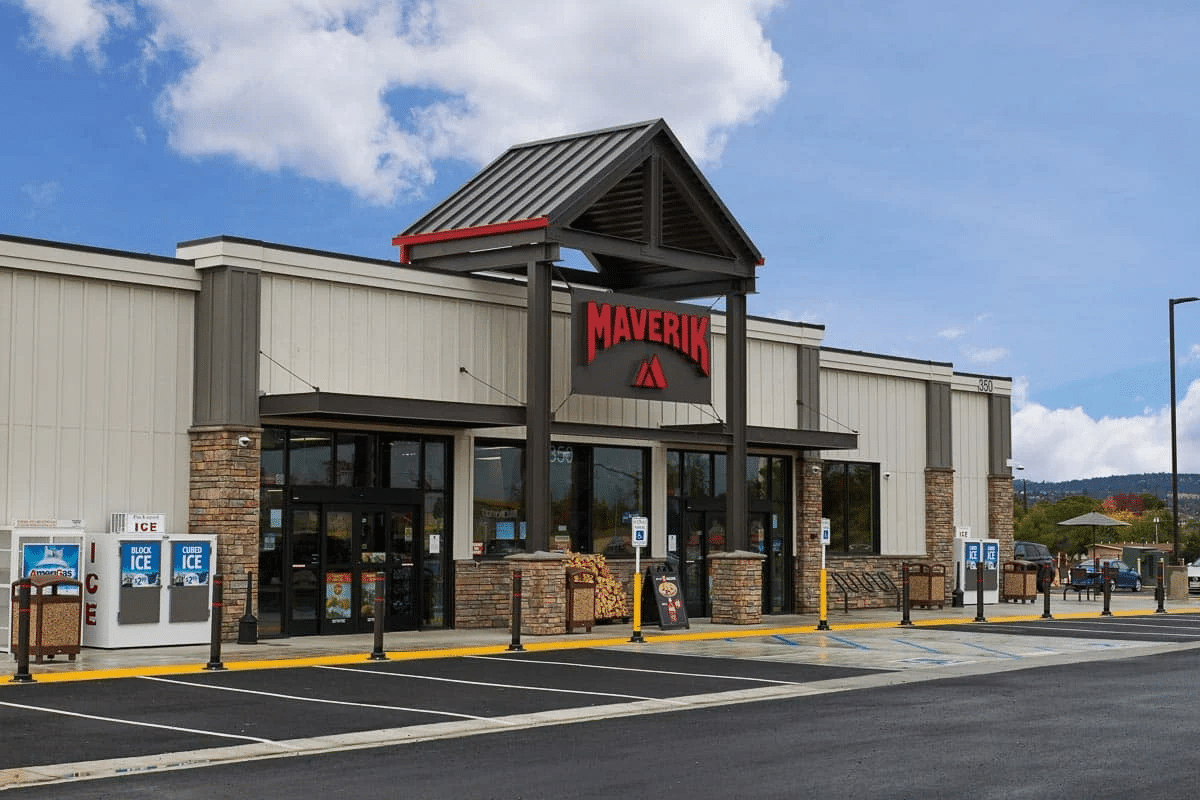
6 Gas Station Chains With Food So Good It’s Worth Driving Out Of Your Way For
We scoured the Internet to see what people had to say about gas station food. If you think the only things available are wrinkled hot dogs of indeterminate age and day-glow slushies, we’ve got great, tasty news for you. Whether it ends up being part of a regular routine or your only resource on a long car trip, we have the food info you need.
Let’s look at 6 gas stations that folks can’t get enough of and see what they have for you to eat.





