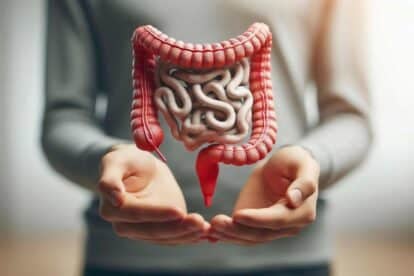
The foods you choose each day can influence more than energy levels and weight. They can also affect long-term cancer risk. According to the World Cancer Research Fund, around 30 to 40 percent of cancers are linked to modifiable lifestyle factors, including diet, according to the World Cancer Research Fund.
This strong connection has led researchers to focus on food groups such as fruits, vegetables, whole grains, and legumes that provide fiber and antioxidants. Understanding these food groups can help you make informed dietary choices that support overall health and may reduce cancer risk over time. Here are 10 food groups that may help prevent cancer.
Cruciferous Vegetables

Cruciferous vegetables like broccoli, cabbage, kale, and Brussels sprouts supply glucosinolates that your body converts into anti-cancer compounds. According to Examine.com, a meta-analysis found that people who ate more cruciferous vegetables had about a 4–5% lower overall cancer risk.
These vegetables show particular protective effects for lung, colorectal, and some hormone-related cancers. Compounds such as sulforaphane and indole-3-carbinol help neutralize carcinogens and support detoxification enzymes in the liver. Adding simple servings like broccoli in stir-fries or arugula in salads makes it easier to benefit from their wide range of plant compounds.
Berries

Berries deliver vitamin C, fiber, and polyphenols that help reduce oxidative damage linked to cancer development. According to the National Library of Medicine, berry extracts can slow cancer cell growth and promote programmed cell death.
These effects stem from anthocyanins, ellagic acid, and other phytochemicals that act on multiple pathways. Berries also support healthy weight and gut function, two important factors in cancer prevention. Using frozen berries in smoothies, yogurt, or oatmeal makes regular berry intake easy and affordable.
Leafy Green Vegetables

Leafy greens like spinach, kale, and collards provide folate, carotenoids, vitamin C, and fiber that help protect cells from DNA damage. ScienceDirect reports that research links higher leafy-green intake to lower risks of several cancers, including lung cancer in some cohorts.
When eaten properly, leafy greens remain valuable components of a balanced diet. Their fiber supports gut health, which may influence colon cancer risk. Including both raw and cooked greens throughout the week helps spread their protective benefits.
Tomatoes and Tomato Products

Tomatoes and tomato products supply lycopene, a carotenoid associated with lower cancer risk. According to ResearchGate, people with higher lycopene status showed a 35% lower risk of lung cancer mortality (RR 0.65; 95% CI 0.45–0.94).
Lycopene helps protect DNA and modulates pathways involved in tumor growth. Cooking tomatoes increases lycopene absorption by breaking down cell walls, and pairing them with healthy fats boosts uptake further. Regular servings of tomato sauces, soups, and juices provide an easy way to increase lycopene intake.
Citrus Fruits

Citrus fruits contain vitamin C, flavanones, and phytochemicals that protect cells from oxidative stress. Observational studies link higher citrus intake with lower risk of esophageal cancer, especially esophageal squamous cell carcinoma. A meta-analysis of 25 studies found significantly reduced total esophageal cancer risk among frequent citrus consumers.
Compounds like hesperidin and folate may help neutralize carcinogens and support normal cell repair. Citrus fruits also replace sugary snacks with fiber-rich, nutritious options. Eating whole citrus segments provides more fiber and steadier blood sugar than juice alone.
Save this article
Whole Grains

Whole grains like oats, brown rice, and quinoa supply fiber, vitamins, minerals, and phytochemicals that refined grains lack. The World Cancer Research Fund concludes there is strong evidence that whole grains lower colorectal cancer risk. Their report showed that eating 90 g (three ounces) daily is associated with reduced colorectal cancer risk.
Data cited by the American Institute for Cancer Research notes that about six ounces of whole grains per day may cut colorectal cancer risk by roughly 21%. Fiber in whole grains speeds gut transit and dilutes carcinogens. Replacing refined grains with whole grains at most meals steadily builds long-term protection.
Legumes
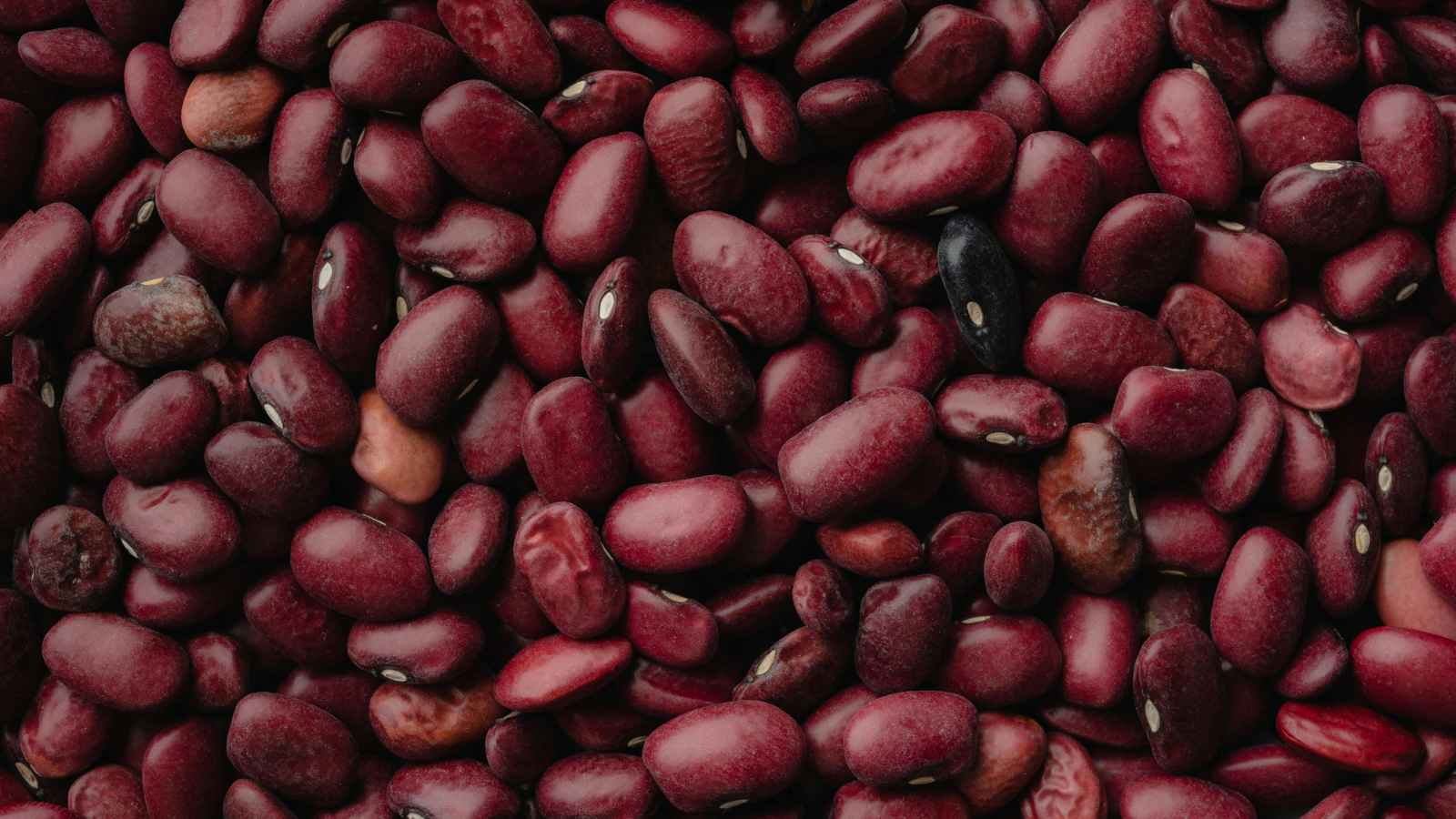
Legumes like beans, lentils, and chickpeas provide fiber, plant protein, and phytochemicals linked to lower colorectal cancer risk. According to the National Library of Medicine, a meta-analysis of 14 prospective studies found that people who consumed more legumes had about a 9% lower risk of colorectal cancer (RR 0.91; 95% CI 0.84–0.98).
Soybeans and legume fiber were especially beneficial in the review. Legumes also help replace red and processed meats, which further reduces colorectal cancer risk. Their affordability and versatility make it easy to include them in soups, stews, salads, and grain bowls.
Nuts and Seeds

Nuts and seeds offer healthy fats, fiber, protein, and antioxidants that contribute to cancer prevention. An umbrella review reported an 11% lower risk of cancer mortality with a daily 28 g serving (RR 0.89; 95% CI 0.83–0.94).
These benefits may come from improved insulin sensitivity, reduced inflammation, and protective compounds like tocopherols. Choosing unsalted, minimally processed nuts keeps the nutrient profile intact. Adding nuts or seeds to salads, yogurt, or oatmeal is a simple way to boost daily intake.
Spices and Herbs

Spices and herbs such as turmeric, garlic, ginger, oregano, and rosemary provide concentrated phytochemicals that may interrupt cancer-related pathways. Laboratory and animal studies show compounds like curcumin and garlic organosulfur compounds can slow tumor growth and promote apoptosis. They also deliver antioxidants that neutralize free radicals from metabolism and environmental exposures.
Using herbs and spices regularly helps reduce reliance on salt and sugar while boosting flavor. Many traditional cuisines naturally incorporate several spices in each meal, offering an easy model to follow. Though human evidence is more limited, their low risk and potential benefits make generous use in cooking worthwhile.
Green Tea

Green tea provides catechins such as EGCG, which demonstrate anti-cancer activity in cell and animal studies. Population research in some Asian countries suggests regular green tea consumption may lower risks for certain cancers, though results vary by dose and lifestyle. EGCG appears to reduce tumor growth, limit angiogenesis, and encourage programmed cell death.
Green tea also adds polyphenols that support metabolic and antioxidant defenses. Reviews emphasize that it complements (not replaces) standard cancer screening and treatment. Making unsweetened green tea a daily habit adds another layer of long-term dietary protection.
Disclaimer – This list is solely the author’s opinion based on research and publicly available information. It is not intended to be professional advice.
Like our content? Be sure to follow us.