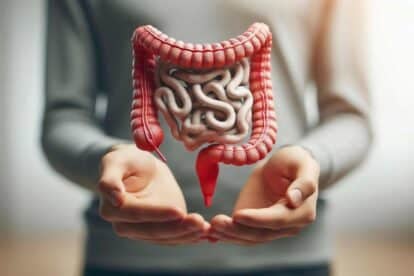

Proper nutrition plays an essential role in supporting healthy thyroid function, which helps regulate metabolism, energy levels, and many bodily processes. Certain foods provide key nutrients (like iodine and selenium) that the thyroid needs to make and activate hormones.
MDPI highlights that micronutrients from food influence thyroid hormone synthesis and regulation throughout life. This shows that diet quality can affect thyroid function and overall well-being.
Many nutrient-rich foods also help reduce inflammation and support the gut–thyroid connection, which further supports hormone balance. Including a variety of thyroid-friendly foods in your meals is a simple and natural way to help maintain optimal thyroid health and metabolic function. Here are 10 foods that support thyroid function.
Seaweed (Kelp, Nori, Wakame)

Seaweed is one of the richest natural sources of iodine, which the thyroid needs to produce T3 and T4 hormones. The National Library of Medicine shows that nori contains about 37 mcg of iodine per gram, wakame around 139 mcg per gram, while kombu (kelp) can exceed 2,500 mcg per gram. Surveys confirm that small servings of nori meet iodine needs, while kombu can exceed safe upper limits if eaten freely.
Clinical studies show that iodine from seaweed is bioavailable and significantly raises urinary iodine after meals. Iodine deficiency impairs thyroid hormone synthesis and can lead to goiter and hypothyroidism. Using modest amounts of nori or wakame regularly supports iodine sufficiency without excessive intake.
Brazil Nuts

Brazil nuts are among the most concentrated food sources of selenium, a mineral essential for thyroid enzyme activity. One nut typically provides 68–91 mcg of selenium, often exceeding the adult daily requirement of 55 mcg. Selenium is required for enzymes that convert inactive T4 into active T3.
Selenium also protects thyroid tissue from oxidative damage during hormone production. ScienceDirect reports that clinical trials using Brazil nuts as a selenium source show improvements in thyroid hormone patterns, though they do not always achieve full normalization. Eating one or two Brazil nuts a few times per week safely supports selenium status and thyroid function.
Eggs

Eggs provide iodine, selenium, and high-quality protein in a compact form that supports thyroid health. One large egg supplies about 16% of daily iodine needs and roughly 20% of daily selenium, with much of these nutrients found in the yolk. This is significant given that iodine insufficiency remains common worldwide.
Iodine and selenium work together in thyroid hormone production and activation. Eggs also provide tyrosine-rich protein, the amino acid backbone of thyroid hormones. Including whole eggs in meals helps maintain daily nutrient reserves that the thyroid depends on.
Fatty Fish (Salmon, Sardines, Mackerel)

Fatty fish support thyroid function by providing iodine, selenium, and omega-3 fatty acids. Selenium protects thyroid tissue and supports the conversion of T4 to T3 through selenoproteins. Many populations obtain a large share of these nutrients from fish.
Omega-3 fats help regulate inflammation, which is especially relevant in autoimmune thyroid conditions. Regular fish intake also supports cardiovascular and metabolic health, which is often affected by thyroid disorders. Eating fatty fish two to three times per week helps cover key thyroid-related nutrients.
Dairy Products (Milk, Yogurt)

Dairy products are a consistent iodine source in many countries due to farming and processing practices. A single cup of milk can provide roughly 59–116 mcg of iodine, covering about 40–77% of the adult daily requirement. Yogurt and cheese also contribute meaningful amounts, though levels vary.
Dairy additionally supplies protein and zinc, which support thyroid hormone production. Adequate iodine intake from foods like dairy is linked to lower rates of goiter and better thyroid markers. Regular milk or yogurt intake helps stabilize iodine intake, especially for people who eat little seafood.
Shellfish (Shrimp, Oysters)

Save this article
Shellfish provide iodine, zinc, and selenium—three minerals essential for thyroid hormone synthesis and regulation. A 3-oz serving of shrimp delivers about 35 mcg of iodine, or roughly 23% of the daily value. Oysters also supply substantial zinc and selenium.
Selenium helps protect the thyroid from oxidative stress, while zinc supports TSH signaling and hormone metabolism. Deficiencies in any of these minerals can impair thyroid function. Including shellfish once or twice weekly meaningfully supports thyroid micronutrient needs.
Beef

Beef supports thyroid function by providing heme iron and zinc in highly bioavailable forms. Iron deficiency reduces thyroid peroxidase activity, limiting the incorporation of iodine into thyroid hormones. Zinc is involved in TRH and TSH regulation.
The National Library of Medicine shows that correcting iron deficiency can improve thyroid hormone profiles, particularly in women. Beef delivers these minerals more efficiently than many plant sources. Lean cuts consumed in moderation support thyroid health without excessive saturated fat.
Pumpkin Seeds

Pumpkin seeds are a valuable plant-based source of zinc, a mineral essential for thyroid hormone metabolism. Zinc deficiency has been linked to altered TSH levels and hypothyroid-like symptoms. Zinc also helps regulate immune activity, which is relevant for autoimmune thyroid conditions.
Pumpkin seeds also provide magnesium, healthy fats, protein, and fiber. A small handful supplies several milligrams of zinc. Using them as snacks or toppings adds thyroid-supportive minerals without relying on animal foods.
Legumes (Lentils, Beans)
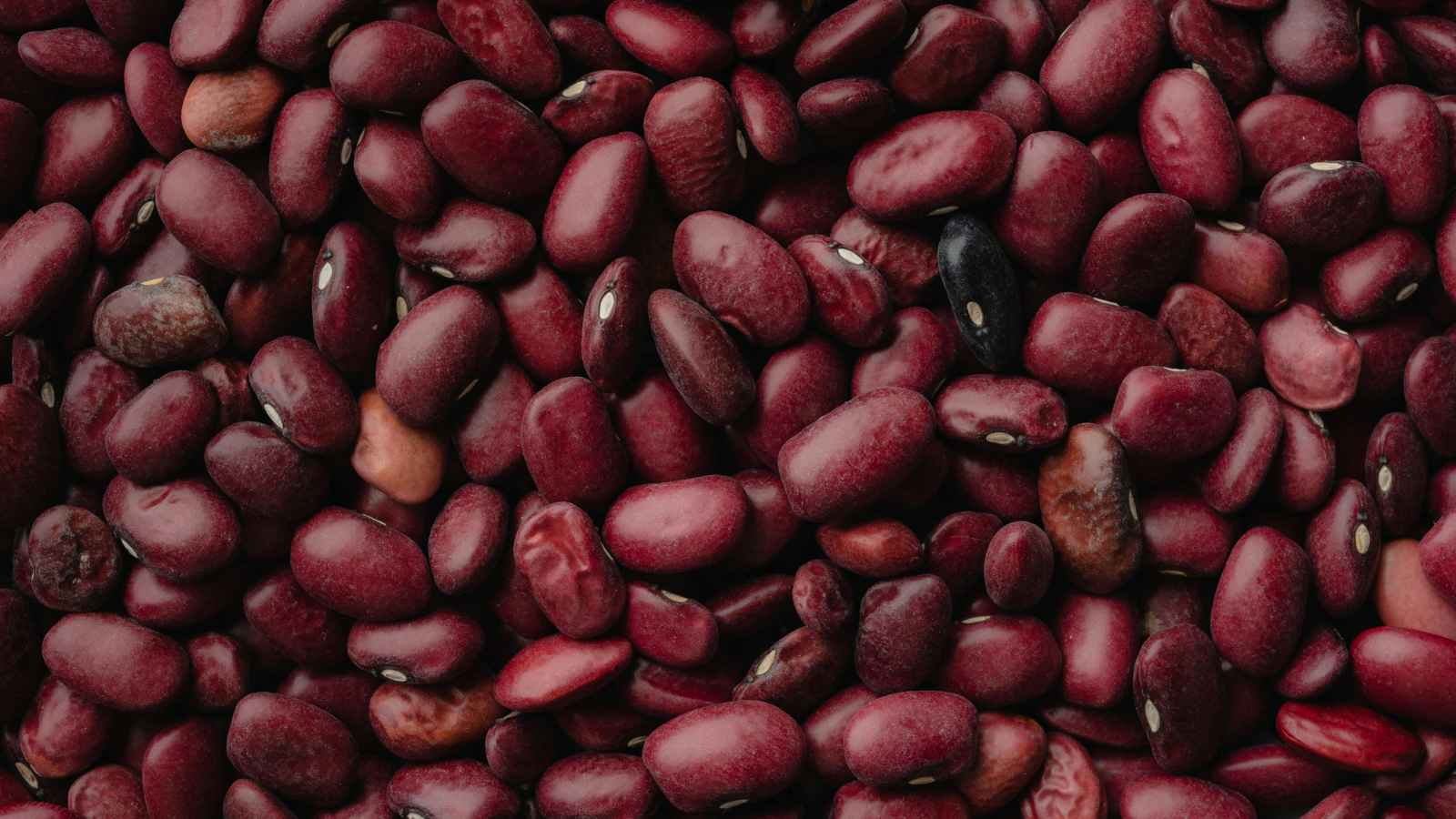
Legumes support thyroid health indirectly by improving iron intake and stabilizing blood sugar. Low iron status can impair thyroid hormone production until corrected. Lentils and beans provide non-heme iron, which is better absorbed when paired with vitamin C.
Legumes also promote steady glucose levels, reducing metabolic stress linked to fatigue and weight changes. Thyroid-friendly diets often include beans and lentils as fiber-rich protein staples. Regular use supports overall endocrine balance alongside iodine-rich foods.
Berries

Berries support thyroid health by supplying antioxidants that counter oxidative stress during hormone synthesis. Thyroid hormone production generates free radicals, making antioxidant defenses important. Anthocyanin-rich berries consistently reduce markers of oxidative stress and inflammation.
The National Library of Medicine reports that berry intake is linked to lower C-reactive protein levels and improved lipid and glucose markers. These effects may help reduce inflammation that worsens autoimmune thyroid disease. Adding berries daily complements iodine- and selenium-rich foods in a thyroid-supportive diet.
Disclosure: This article was developed with the assistance of AI and was subsequently reviewed, revised, and approved by our editorial team.
Disclaimer – This list is solely the author’s opinion based on research and publicly available information. It is not intended to be professional advice.
12 Laws And Rules About Food In Other Countries

12 Laws And Rules About Food In Other Countries
Food is more than just nourishment; it’s a reflection of culture, tradition, and, in many cases, the law. Around the world, various countries have established distinct food regulations that may surprise travelers and food enthusiasts alike.
These laws reveal how deeply societies value what ends up on their plates. Here are 12 fascinating food laws and rules from around the globe that show just how diverse and sometimes unexpected our relationship with food can be.