

Cold weather changes how food tastes and how the body responds to it. Lower temperatures sharpen cravings for rich, warm, and comforting flavors, which is why stews, roasted vegetables, and baked treats feel especially satisfying in winter. Taste perception also shifts when it is cold, making certain foods seem deeper and more indulgent than they do in warmer months.
“Cold environments can heighten the appeal of fat and carbohydrate rich foods because they provide warmth and energy,” says Dr. Dana Hunnes, a clinical dietitian at UCLA Health. That sensory boost explains why some foods taste better in winter and also why they can feel heavier or more intense afterward. Understanding this seasonal shift helps explain why familiar foods can hit differently once temperatures drop.
Mac and Cheese and Creamy Pasta

Dietitians writing for winter nutrition guides consistently note that cold weather heightens cravings for high-fat, high-carbohydrate comfort foods. Cheesy pasta, casseroles, and creamy sauces are often cited because they deliver quick energy and physical warmth when the body is under thermal stress.
Psychologists studying food reward explain that carb and fat combinations stimulate dopamine pathways tied to pleasure and comfort. In January, that creamy bowl feels like emotional insulation. But paired with lower activity and slower metabolism, the same meal is more likely to lead to sluggishness and gradual weight gain.
Hot Chocolate and Sweet Winter Drinks

Seasonal food coverage regularly names hot chocolate as a top winter craving. Food and Home Magazine reports that colder months push people toward sugar-rich drinks that feel more rewarding when daylight is scarce and stress is higher.
Dopamine-focused research helps explain why these drinks become sticky habits. Sugary warmth provides fast reward when mood dips, reinforcing repetition. Over weeks, nightly mugs quietly stack calories and sugar, influencing blood sugar regulation and sleep quality.
Spicy Chili, Curries, and Fiery Foods

Morning AgClips reports that demand for chili, curry, and hot sauce rises in cold months. Capsaicin research explains why. The compound triggers chemesthetic heat signals that the brain interprets as warmth, making spicy foods feel especially satisfying when it is cold.
According to SNAC International, spicy snack and sauce sales grew 12 percent between 2018 and 2022, with winter emerging as a peak season. That internal furnace feels welcome in January, though for some people the added spice, fat, and legumes mean reflux, irritation, or disrupted sleep.
Soup and Ramen, Especially Salty Versions

Warm savory foods deliver both heat and satiety, which is why soups dominate winter comfort lists. Brothy meals feel restorative when hands are cold and sinuses are dulled.
According to DergiPark, cold conditions increase perceived saltiness thresholds. Combined with other sensory research, this suggests that hot foods can carry large sodium loads before tasting overly salty. Frequent winter soups can therefore contribute to bloating and elevated blood pressure without obvious warning.
Braised Meats and Stews
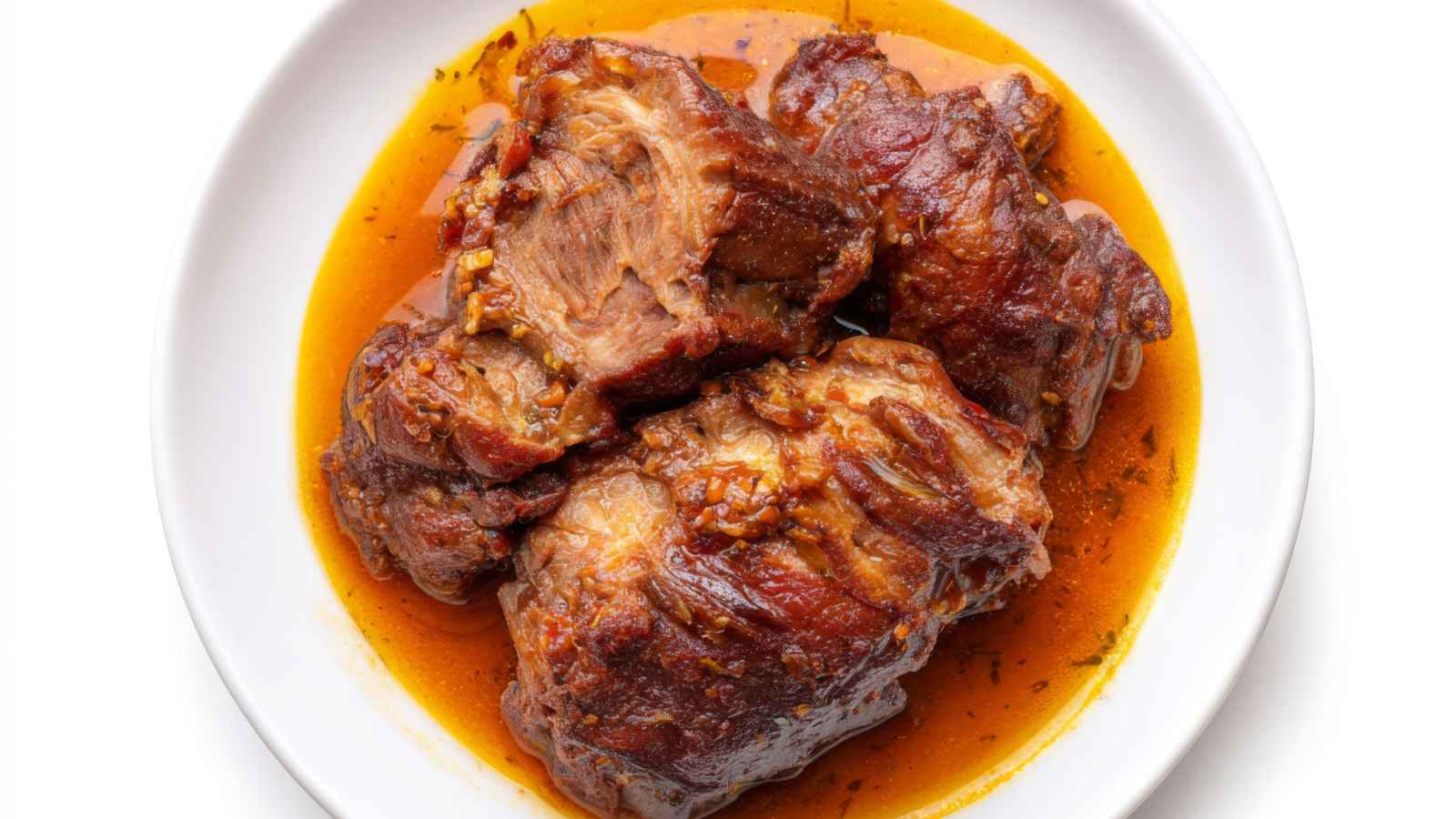
Cold weather prompts people to seek out energy-dense foods like stews and braised meats. Fat and protein signal survival and fullness when the environment feels demanding.
At the same time, physical activity drops in winter. Public health studies consistently show that reduced movement, rather than cold alone, drives seasonal weight gain. Rich stews that feel perfect in January can quietly tip calorie and cholesterol balance when vegetables and steps decline.
Baked Goods, Pies, and Morning Pastries

Save this article
Winter craving explainers often point to dark mornings as a driver of sweet bakery foods. Warm pastries provide fast glucose and emotional comfort when energy is low and the day feels long.
Sugar-dense, low-fiber breakfasts spike blood sugar and insulin, followed by crashes that increase fatigue and hunger. In winter, those highs and lows are more likely to surface as afternoon slumps and renewed cravings.
Cheese Boards, Fondue, and Gooey Grilled Cheese
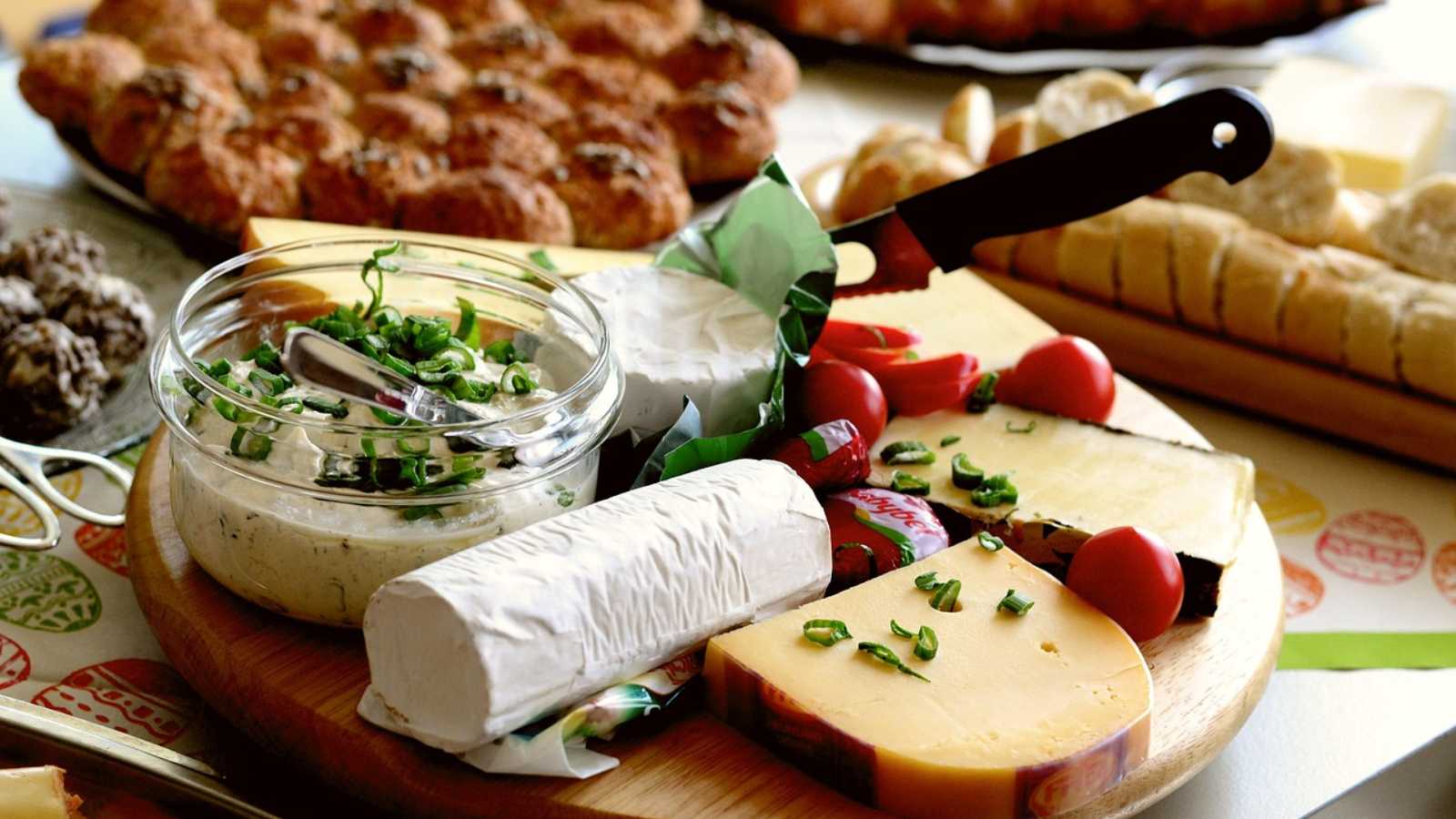
Cheese-heavy dishes surge in winter. Melted cheese offers fat, salt, and warmth, a trio that feels luxurious when the world outside is bleak.
Pairing saturated fat with refined carbohydrates strongly activates reward circuits. In a season already associated with higher cholesterol and blood pressure, these foods pack more metabolic impact than their cozy image suggests.
Hot Sweet and Spicy Snacks
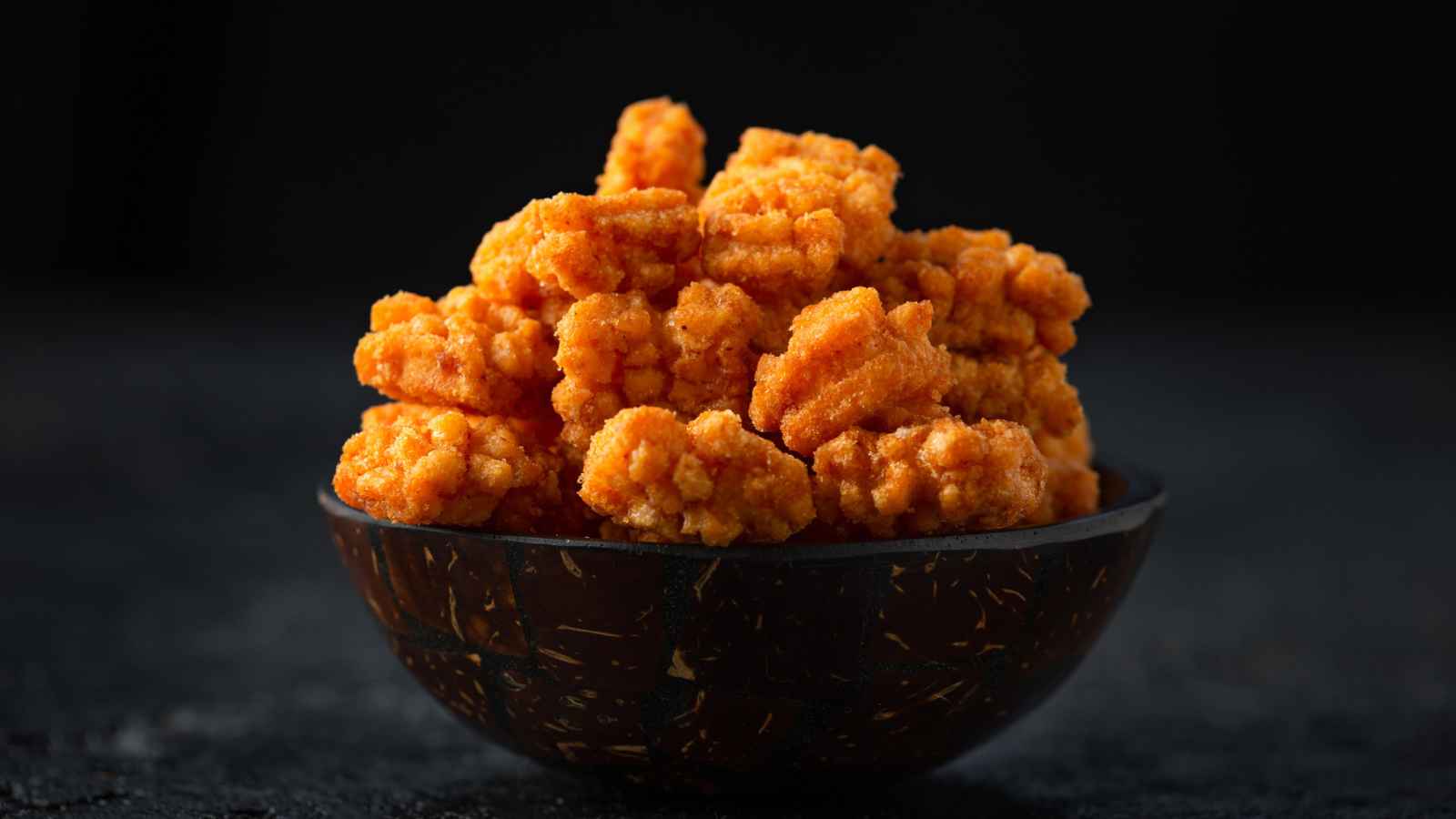
Food trend reports for late 2024 and winter 2025 highlight sweet-and-spicy flavor profiles as a dominant draw for cold weather. Industry data show double-digit growth in spicy snacks, with hot sauce purchases spiking sharply during winter events like the Super Bowl.
Sensory scientists explain that sugar, salt, and spice amplify each other. On a cold evening, these snacks taste electric. Later came the heartburn, bloating, and the realization that an entire bag disappeared without resistance.
Rich Coffee Drinks and Seasonal Lattes

Behavioral nutrition researchers describe winter as a period of chronodisruption, when circadian rhythms are misaligned by darkness. People feel sleepier and reach for caffeine and sugar to compensate.
Seasonal lattes combine warmth, sweetness, and creaminess, a sensory trio shown to enhance perceived reward in beverage studies. What feels like survival fuel on a dark commute can deliver dessert-level sugar and fat, then interfere with sleep during already long nights.
Oatmeal and Healthy Hot Cereals

Public health dietitians frequently recommend hot cereals in winter because people prefer warm breakfasts, and oats provide fiber and satiety. Surveys confirm that hot breakfasts feel more appealing in cold months.
Oats often become vehicles for sugar, syrups, and chocolate. Depending on toppings, that comforting bowl can support steady energy or quietly mirror dessert, contributing to the seasonal creep in calories and sweetness.
Key Takeaway

Winter does not just change what people eat. It changes how food tastes, feels, and rewards the brain. Cold weather nudges cravings toward warmth, richness, and intensity, making familiar foods feel extraordinary and hit the body differently.
Understanding this seasonal rewiring helps explain why winter eating feels both irresistible and heavier. It also shows why awareness, not willpower, is often the missing ingredient.
Disclosure: This article was developed with the assistance of AI and was subsequently reviewed, revised, and approved by our editorial team.
Disclaimer – This list is solely the author’s opinion based on research and publicly available information. It is not intended to be professional advice.
Like our content? Be sure to follow us





