Healthy red blood cell production depends on adequate iron absorption, folate availability, and protection against oxidative damage. The World Health Organization reports that iron deficiency anemia affects about 30% of women of reproductive age worldwide. This prevalence underscores the importance of nutrients that support hemoglobin synthesis.
Fruits actively contribute to this process by supplying vitamin C, folate, and antioxidants that enhance iron absorption and support normal red blood cell formation. The fruits on this list help promote healthy oxygen transport and sustained energy by supporting efficient red blood cell production.
Oranges

Oranges support red blood cell production by enhancing iron absorption through their high vitamin C content. A medium orange provides about 68–83 mg of vitamin C, covering roughly 75–90% of daily needs. Vitamin C converts non-heme iron into a more absorbable form, supporting hemoglobin synthesis.
Oranges also supply small amounts of folate and B vitamins involved in cell division. Eating oranges alongside iron-rich plant foods like beans or spinach improves iron utilization. This combination directly supports healthy red blood cell formation.
Pomegranates

Pomegranates support red blood cells by providing iron, vitamin C, and folate. One hundred grams supplies about 0.3–0.9 mg of iron, around 10 mg of vitamin C, and roughly 38 µg of folate. These nutrients contribute to hemoglobin synthesis and DNA formation in developing red blood cells.
Pomegranate polyphenols act as antioxidants that protect red blood cells from oxidative damage. Medical nutrition sources often recommend pomegranates for people managing anemia. Regular intake of seeds or juice can support both iron status and red cell resilience.
Apples

Apples provide small amounts of iron along with antioxidants that help protect red blood cells. FoodStruct.com reports that 100 grams of raw apple contains about 0.11–0.12 milligrams of iron and roughly 5 milligrams of vitamin C. Polyphenols, such as quercetin, help reduce oxidative stress on blood cells.
Apples also supply fiber that supports gut health and nutrient absorption. Although they are not iron-dense, they are often included in anemia-friendly diets. Pairing apples with iron-rich foods and vitamin C sources improves their benefit.
Dates

Dates support red blood cell production through iron, folate, and vitamin B6. Depending on variety, 100 g of dates provides about 1–2.6 mg of iron, with some sources reporting even higher values. Folate content supports DNA synthesis during red blood cell formation.
Vitamin B6 in dates contributes to the synthesis of heme and hemoglobin. Dates are most effective when eaten with vitamin C-rich fruits to enhance iron absorption. A small serving can meaningfully support iron intake.
Raisins

Raisins contribute to hemoglobin formation with iron and copper. FoodStruct.com reports that 100 grams provide about 1.8–2.0 milligrams of iron and up to 0.95 milligrams of copper. Copper is essential for mobilizing iron and incorporating it into hemoglobin.
Even a small handful provides a measurable contribution of iron. Raisins also offer potassium and B vitamins that support circulation. Pairing them with vitamin C-rich fruit improves iron absorption.
Bananas

Save this article
Bananas support red blood cell production mainly through vitamin B6. Cleveland Clinic reports that a medium banana provides about 0.43 milligrams of vitamin B6, which is close to one-third of the daily requirement. Vitamin B6 is essential for hemoglobin synthesis and red blood cell integrity.
Bananas also supply small amounts of iron and vitamin C. Their carbohydrates and potassium support energy and circulation. Regular intake helps maintain adequate B6 for ongoing red blood cell formation.
Watermelon

Watermelon supports red blood cell health through hydration, vitamin C, and modest iron content. ResearchGate reports that 100 grams provide about 8.1 milligrams of vitamin C and roughly 0.24 milligrams of iron. These nutrients contribute modestly to iron utilization and hemoglobin formation.
Watermelon also contains folate, potassium, and antioxidants, such as lycopene. Its high water content supports blood volume and circulation. Pairing watermelon with iron-rich foods enhances its benefits.
Guava

Guava strongly supports red blood cell production due to extremely high vitamin C and useful folate levels. 100 g provides about 228 mg of vitamin C and about 49 µg of folate. These nutrients are essential for iron absorption and DNA synthesis in red blood cells.
Guava also supplies small amounts of iron and potassium. Vitamin C dramatically improves non-heme iron absorption from plant foods. A single guava can meet daily vitamin C needs while supporting red blood cell formation.
Kiwi
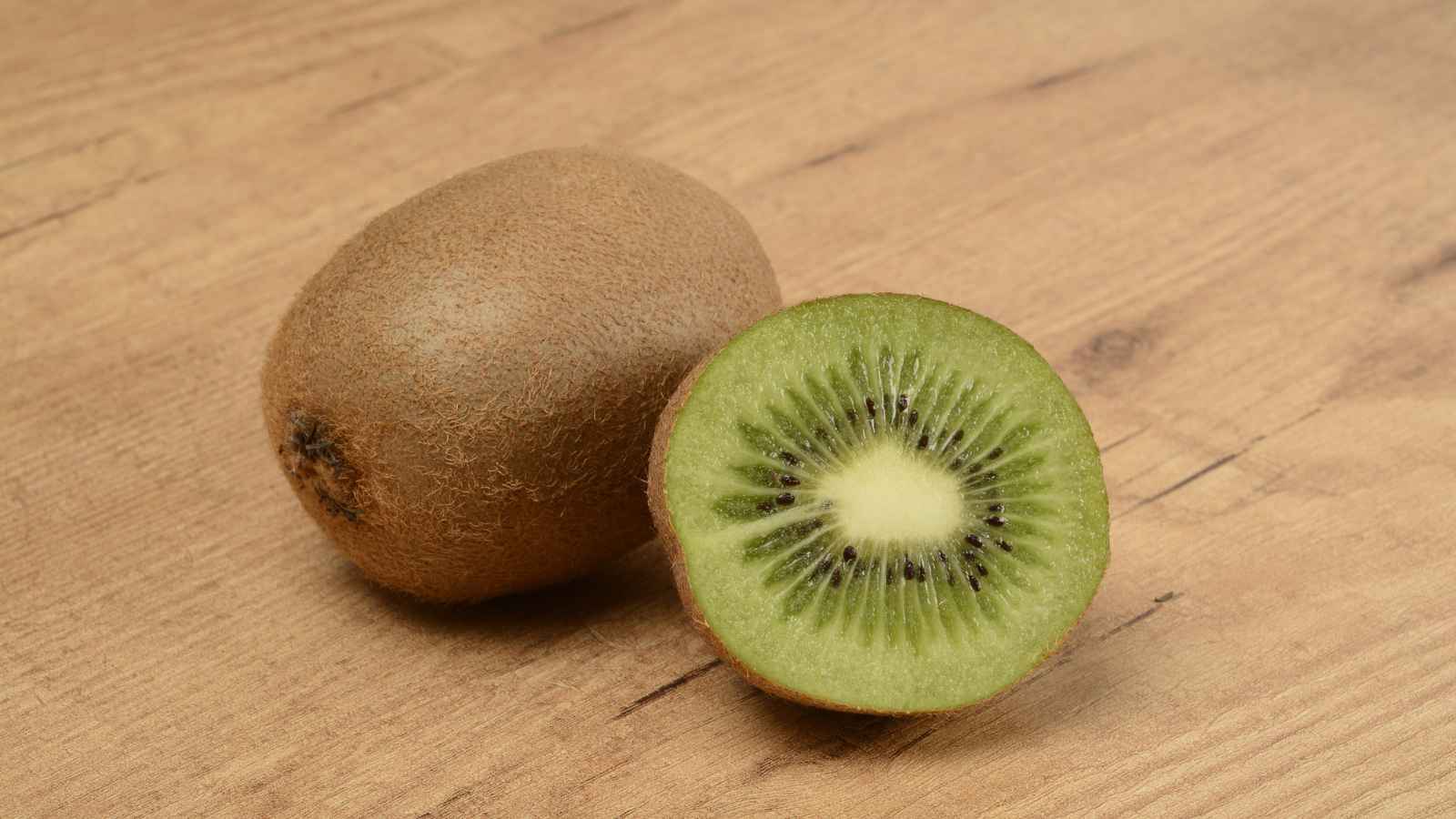
Kiwi supports red blood cells through high vitamin C and moderate folate content. 100 grams provide about 93 mg of vitamin C, while some varieties exceed 150 mg. Folate levels around 25–31 µg per 100 g support DNA synthesis in developing red cells.
Kiwi also offers small amounts of iron and copper. Its antioxidants help protect red blood cells from oxidative stress. Eating kiwi with iron-rich meals significantly enhances iron absorption.
Avocado

Avocados support red blood cell production mainly through folate and copper. 100 g provides about 81–89 µg of folate and roughly 0.19–0.2 mg of copper. Both nutrients are essential for DNA synthesis and iron metabolism.
Copper helps mobilize iron for hemoglobin production, while folate supports bone marrow activity. Avocados also supply vitamin B6, vitamin C, and healthy fats. Regular inclusion supports long-term hematologic health.
Disclosure: This article was developed with the assistance of AI and was subsequently reviewed, revised, and approved by our editorial team.
Disclaimer – This list is solely the author’s opinion based on research and publicly available information. It is not intended to be professional advice.
12 Laws And Rules About Food In Other Countries

12 Laws And Rules About Food In Other Countries
Food is more than just nourishment; it’s a reflection of culture, tradition, and, in many cases, the law. Around the world, various countries have established distinct food regulations that may surprise travelers and food enthusiasts alike.
These laws reveal how deeply societies value what ends up on their plates. Here are 12 fascinating food laws and rules from around the globe that show just how diverse and sometimes unexpected our relationship with food can be.