Data from the UK’s Unblocktober Drainage Habits Survey shows that 69% of people admit to pouring fat, oil, and grease down the sink and about 40% have flushed “flushable” wipes. These small habits quietly help create massive, costly sewer blockages.
Everyday items that seem harmless can cause significant problems when flushed or dumped down the drain. These common household items, from cooking grease to paper towels, can create clogs, damage plumbing, and even pollute the environment.
By being mindful of how we dispose of certain substances, we can keep our plumbing systems in good working order and avoid costly repairs. Here are 10 items that should never be flushed or dumped down the drain.
Grease and Oil
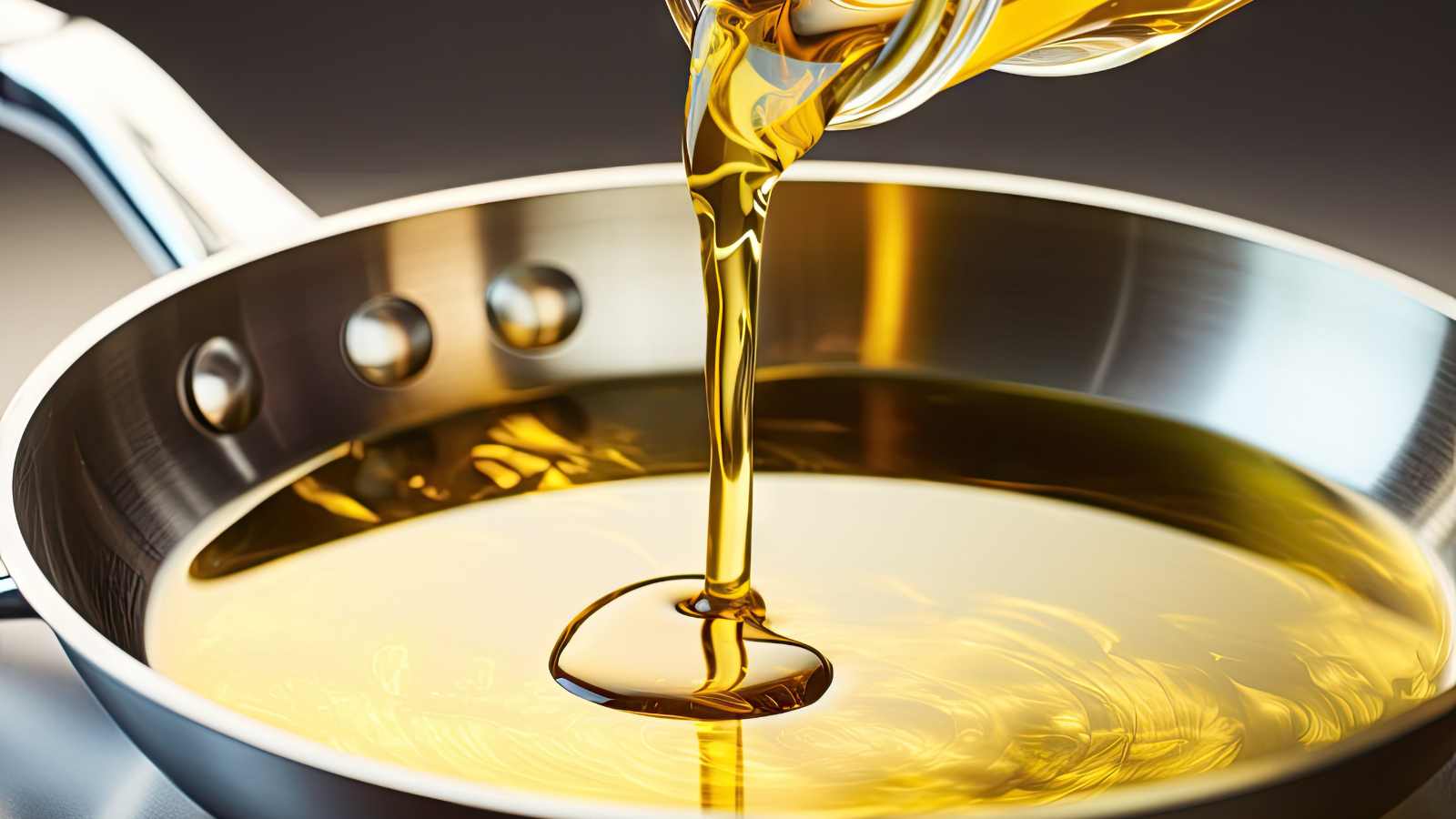
Data from the U.S. Environmental Protection Agency (EPA) shows that grease from homes, restaurants, and industry is the most common cause of reported sewer blockages, responsible for about 47% of sanitary sewer overflows in the United States.
Instead of flushing grease, let it cool, pour it into a container or jar, and then dispose of it in the trash. This simple step will help prevent pipe buildup, keep your drains running smoothly, and avoid expensive repairs.
Coffee Grounds

Coffee grounds might seem harmless, but once in your plumbing they clump into a dense mass that sticks to pipe walls and traps other debris, eventually causing slow drains or full blockages. Hot water or vinegar solutions do not dissolve the grounds, so they still accumulate over time.
Rather than flushing them, throw coffee grounds in the compost bin or trash. Not only will you avoid a plumbing issue, but you can also enrich your garden soil with this waste product.
Wet Wipes

Wet wipes retain about 90% of their structure after 24 hours in water, unlike toilet paper, which breaks down quickly. They account for more than 90% of sewer blockages and cost millions of dollars annually in plumbing and wastewater repairs.
Even those labeled as “flushable” can contribute to blockages in municipal sewage systems. Always dispose of wet wipes in the trash, regardless of what the packaging claims.
Paper Towels

Paper towels, like wet wipes, absorb liquids but don’t break down easily in water. When flushed, they often combine with grease and debris, creating thick clogs that slow drains, damage plumbing systems, and contribute to costly sewer blockages
To avoid this issue, always dispose of paper towels in the trash. While it may seem like a small act, it can save you from expensive plumbing repairs in the future.
Also on MSN: 15 timeless household hacks passed down through generations
Hair

Hair is one of the most common causes of clogged drains, particularly in bathrooms. When it mixes with soap and other debris, it can form a dense, sticky mass that blocks water flow in your pipes.
Instead of letting hair go down the drain, collect it after brushing or washing and dispose of it in the trash. Regularly cleaning hair from your sink or shower drain can prevent costly blockages and maintain proper drainage.
Cat Litter

Though some brands market their cat litter as flushable, plumbers warn that clumping litter can solidify in pipes, where even small 2–4 centimeter clumps can accumulate into multi-kilogram blockages that require professional removal and costly repairs.
Instead, dispose of cat litter in the trash or look for eco-friendly, compostable options. Using safer disposal methods will help protect both your plumbing and the environment.
Save this article
Medications

Flushing unused or expired medications down the toilet or pouring them down the drain can cause environmental damage. Many drugs do not break down properly in wastewater treatment systems, leading to chemical contamination in water supplies.
The proper way to dispose of medication is to take it to a medication take-back program or follow local disposal guidelines. This helps ensure that harmful substances are handled safely and don’t enter the water supply.
Eggshells

Eggshells may seem harmless, but plumbers say they’re a leading cause of sink blockages. Crushed shell fragments mix with grease and soap residue, creating sticky buildup that can harden inside pipes and account for roughly 17% of disposal-related clogs.
Instead of flushing eggshells, dispose of them in the trash or compost them. This keeps your plumbing system clear and allows eggshells to break down naturally in the compost, enriching the soil.
Paint

Pouring paint down the drain can severely harm plumbing and the environment. Just one liter of paint can pollute up to 1 million liters of water, and chemicals in oil-based paints corrode pipes and obstruct wastewater treatment systems.
To safely dispose of paint, take it to a hazardous waste facility or check with your local community for safe disposal programs. This helps prevent harmful chemicals from entering the environment and ensures safe, responsible disposal.
Food Scraps

Many people think it’s okay to flush leftover food scraps down the drain, but this can cause clogs. Even small food particles can accumulate over time and slow drainage or cause blockages in pipes.
Instead of flushing food scraps, dispose of them in the trash or compost. Using a garbage disposal for larger food scraps is fine, but it’s important not to overload it or dispose of fibrous or large items that could cause damage.
Key Takeaway
It’s important to be mindful of what you dispose of down the drain to protect both your home’s plumbing and the environment. Items like grease, cat litter, and wet wipes can cause significant blockages and lead to costly repairs.
By following simple disposal rules for common household items, you can save money on repairs and contribute to a cleaner, safer environment for everyone.
Disclaimer – This list is solely the author’s opinion based on research and publicly available information. It is not intended to be professional advice.
Disclosure: This article was developed with the assistance of AI and was subsequently reviewed, revised, and approved by our editorial team.
Like our content? Be sure to follow us.
10 Luxury Home Decor Touches To Elevate Your Living Space

10 Luxury Home Decor Touches To Elevate Your Living Space
I’ve tried and styled many of these ideas in my own home and for clients. The difference these small changes make is amazing. Swap harsh lighting for warm lamps, or add a wine fridge to your kitchen, and your house quickly feels less like just a place to live and more like a home you’re proud to share.
Let me walk you through ten luxury upgrades I swear by, ones that can transform your home without needing a complete remodel.