

The chores that once filled a child’s day have vanished so completely that many modern teens would barely recognize them as part of everyday life.
Today’s homes are filled with automation and convenience, making tasks like vacuuming and grocery shopping easier than ever. However, many chores that once defined childhood routines have become obsolete, and the functions of yesteryear would likely have modern teenagers refusing to participate.
The modern home is a marvel of automation and convenience that would baffle a child from a century ago. We live in an era where robots vacuum the floors and groceries arrive at the doorstep with a few taps on a screen. While technology has made our lives easier, it has also rendered many traditional household tasks completely obsolete.
Many of the chores that were once considered standard for children are now seen as grueling or even dangerous. Kids today have evolved alongside their gadgets, and their expectations for physical labor have shifted significantly. Here are ten old-fashioned chores that would likely cause a modern teenager to go on strike.
Hand-Washing the Family Car
Washing the car by hand was once a weekend ritual that involved the whole family. Kids would be armed with sponges and buckets of soapy water to scrub every inch. It was a wet and soapy afternoon that often ended with a wax job that took even more effort.
While some enthusiasts still do this, many people now prefer the speed of an automated tunnel. Most kids would rather sit in the backseat while machines do the work than lift a sponge themselves. It is a task that has shifted from a manual neighborhood tradition to a professional service.
Beating the Rugs
Before the invention of the portable vacuum cleaner, getting dust out of a carpet was a violent and outdoor affair. Children were tasked with hauling heavy rugs over a clothesline and hitting them repeatedly with a wicker. This chore was notorious for leaving kids covered in a cloud of thick gray debris and sore muscles.
The physical toll of this task was significant and required a surprising amount of upper-body strength. It is a far cry from the effortless push-button lifestyle we enjoy today.
Hand-Cranking the Wringer Washer
Doing the laundry was once a full day of manual labor. Kids were often responsible for feeding soaking wet clothes through a set of heavy rollers to squeeze out the water. This required constant hand cranking and a very careful eye to avoid getting caught in the machinery.
This task was common in American households before automatic spin cycles became affordable. Historical records note that manual laundry was extremely labor-intensive before electric washing machines became widespread. Modern kids would likely prefer to wear dirty clothes than spend an afternoon at a wringer.
Polishing the Silver
Special occasions used to require hours of tedious work involving smelly chemicals and soft cloths. Children were frequently handed the “good silver” and told to rub away every speck of tarnish until the spoons shone like mirrors. It was a repetitive and boring task that required immense patience.
While silver is beautiful, its upkeep has fallen out of fashion because it simply takes too much time. It is hard to imagine a kid today putting down their phone to spend hours on a grocery store polish project.
Delivering the Morning Newspaper
The paper route was the quintessential first job for generations of American youth. It required waking up at four in the morning to fold heavy stacks of newsprint and pedal a heavy bike through rain or snow. This chore taught responsibility, but it was also a year-round, grueling test of endurance.
The decline of print media has effectively killed this tradition for the younger generation. Industry reports show that daily newspaper circulation has dropped by over 50% since its peak in the late 20th century. Most news is now delivered online, so kids never have to leave their beds to see the headlines.
Shoveling Coal for the Furnace
Before natural gas and electricity became the norm, many homes were heated by massive coal-burning furnaces in the basement. Children were often tasked with “feeding the beast” by shoveling heavy loads of coal from the bin into the fire.
Keeping a home warm was a constant struggle that left black residue on everything. By 1940, roughly 55% of American homes still relied on coal for heating. A modern child would find the idea of manual heating completely primitive compared to a smart thermostat.
Ironing Bed Sheets and Handkerchiefs
There was a time when almost everything made of fabric was ironed to a crisp finish. This included items we would never dream of pressing today, like pillowcases, bed sheets, and even underwear. Kids were often taught to use heavy irons to remove every single wrinkle from the family linens.
The rise of synthetic fabrics and permanent-press technology has largely eliminated this chore. Research into textile history shows that the introduction of polyester in the 1950s reduced the time spent on garment care. Most kids today would consider an iron a mysterious relic of the distant past.
Cleaning the Chimney and Hearth
Save this article
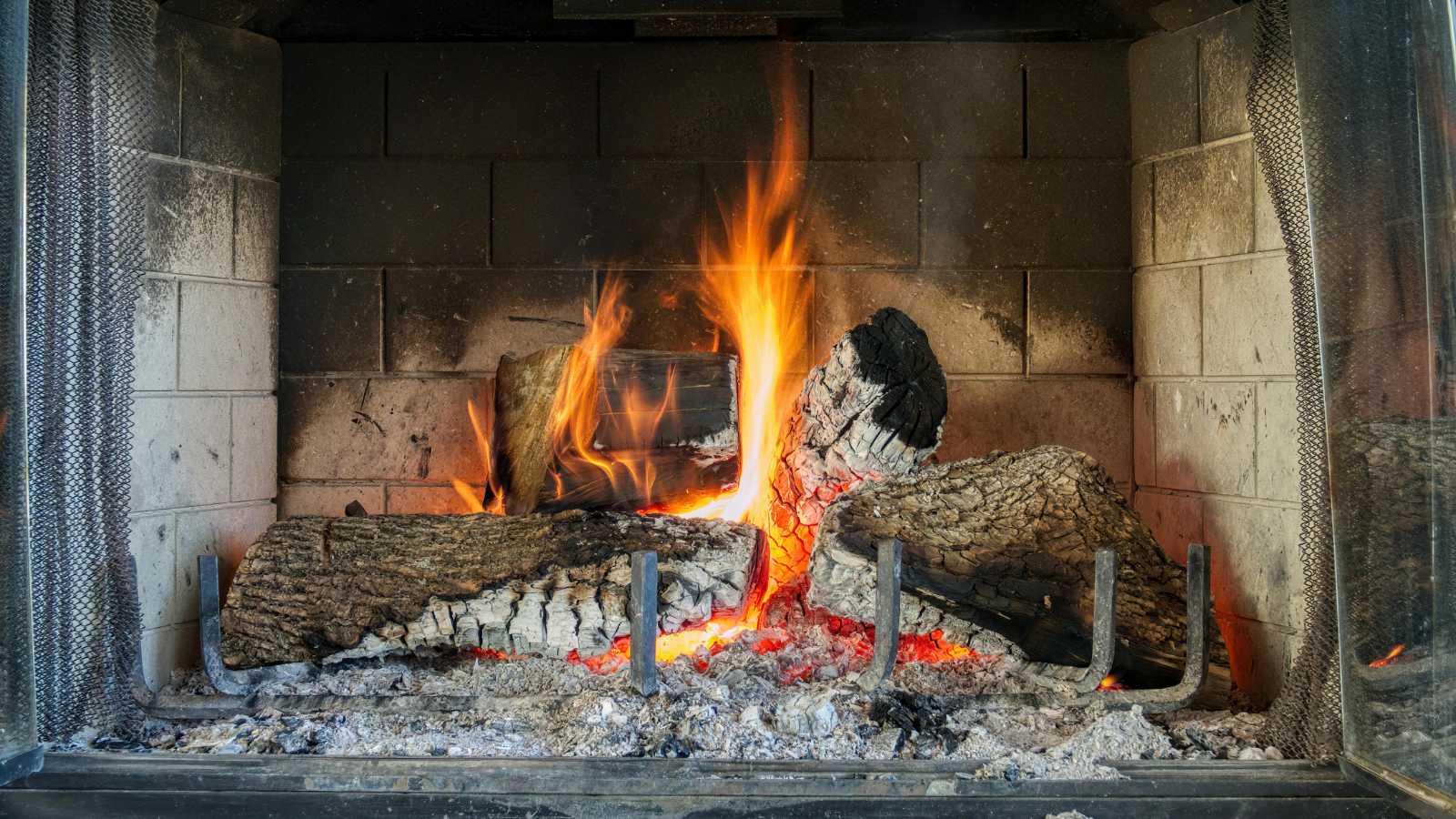
When the primary source of heat and cooking is fire, the fireplace quickly gets messy. Children were often responsible for scooping out cold piles of ash and scrubbing the soot off the hearthstones. It was an unrewarding job that left streaks of black on hands and faces for days.
Previous generations did not well understand the health risks associated with wood smoke and soot. Long-term exposure to chimney soot is now known to be linked to various medical issues, including respiratory distress. Modern safety standards would never allow a child to perform such a hazardous cleaning task today.
Emptying the Icebox Drip Pan
Before the electric refrigerator existed, the “icebox” used a giant block of ice to keep food cold. As the ice melted, the water would collect in a shallow pan hidden at the bottom of the unit. A child’s job was to carefully slide out that heavy pan and dump it without spilling a single drop on the floor.
If the pan were forgotten, the kitchen would quickly become a flooded mess. This chore was a daily necessity until the 1930s, when electric refrigeration began to dominate the market. Managing a melting block of ice is a far cry from the “set it and forget it” convenience of a modern fridge.
Darning Socks
In the past, clothing was an investment that was expected to last for years. When a hole appeared in a sock, it was not thrown away but instead painstakingly repaired with a needle and thread. Children were taught the art of darning, which involved weaving new fabric over the gap to make the sock wearable again.
The shift toward “fast fashion” has made mending a lost art for the average person. Economic data show that the price of clothing has dropped significantly relative to income over the past century. Most kids today would find it much easier to ask for a new pair of socks than to spend an hour sewing.
Key Takeaways
The disappearance of these chores reflects the massive technological and social progress of the last century. While kids today might seem “spoiled” compared to their ancestors, they are simply adapting to a world that values efficiency over manual labor.
More articles:
- They’re not loud—but Gen X is quietly running the economy
- Gen Z is starting to look more like Boomers when it comes to money
- Gen X is struggling more with credit card debt than Gen Z: 12 traps catching the middle class
Disclosure: This article was developed with the assistance of AI and was subsequently reviewed, revised, and approved by our editorial team.
Like our content? Be sure to follow us on Newsbreak.
Baby boomers don’t like these 11 Gen Z habits and are vocal about it

Baby boomers are increasingly clashing with Gen Z over everything from job loyalty to emojis at work as generational norms shift faster than ever.
Generations always find plenty of reasons to disagree with one another. Baby boomers grew up with clear rules about work, communication, and daily life. Young adults today are rewriting those rules completely and leaving older folks scratching their heads. The resulting culture clash makes family dinners and office meetings highly entertaining. Learn more.
10 things boomers say destroyed America, Gen Z thinks otherwise

A POLITICO poll found that a majority of Americans believe the country is headed in the wrong direction. About two-thirds (66%) say the U.S. is “pretty seriously off on the wrong track,” and nearly half (49%) believe America’s best days are behind them. This reflects widespread pessimism across political and generational lines.
The generational divide in 2026 has moved beyond simple “OK Boomer” memes into a fundamental disagreement over what makes a society strong. While many Baby Boomers view modern cultural shifts as signs of national decline, Gen Z sees these same changes as necessary progress or survival strategies in a “late-stage capitalist” world. Read more.
12 financial rules Gen Z is finally refusing to follow

Gen Z is dismantling decades of conventional money advice as inflation and stagnant wages force a radical rewrite of the American financial playbook.
Younger generations are completely tossing out the old money playbooks handed down by their parents. The traditional American dream of buying a house and working a corporate job for forty years feels incredibly out of touch right now. People born between 1997 and 2012 are facing terrible inflation and stagnant wages that make old advice practically useless. This generation is writing a fresh financial script that prioritizes flexibility and personal happiness over strict penny pinching. Learn More.





