

Baby boomers are increasingly clashing with Gen Z over everything from job loyalty to emojis at work as generational norms shift faster than ever.
Generations always find plenty of reasons to disagree with one another. Baby boomers grew up with clear rules about work, communication, and daily life. Young adults today are rewriting those rules completely and leaving older folks scratching their heads. The resulting culture clash makes family dinners and office meetings highly entertaining.
Older generations are quite vocal about the modern trends they simply cannot stand. They see these new behaviors as strange and confusing rather than practical or progressive. Young people are unapologetic about their choices and refuse to change their ways. Here are the specific habits that consistently drive older folks up the wall.
Job Hopping Without Hesitation

Older workers often stayed with the same company for their entire careers. Younger employees treat employment like a temporary rental agreement. Compunnel says a 2023 Deloitte study revealed that Gen Z workers change jobs every 2.3 years on average.
Boomers view this constant movement as a severe lack of loyalty. They believe you have to put in decades of hard work to earn respect. Young adults simply prefer to chase better pay and healthier environments elsewhere.
Setting Strict Boundaries

Working late into the evening was once seen as a badge of honor. Young professionals refuse to answer emails or take calls after five o’clock. They value their personal time far more than impressing the boss.
Older generations view this behavior as incredibly lazy and entitled. They remember working endless weekends to climb the corporate ladder. The concept of quiet quitting completely baffles anyone who grew up idolizing the daily grind.
Staring at Screens All Day

The digital age has completely transformed how people spend their waking hours. Younger people practically live inside their digital devices from morning until night. In 2026, Gen Z averages around nine hours of screen time per day, significantly higher than Baby Boomers, who average about three hours.
Older generations often complain that nobody makes eye contact anymore. They miss the days when people read physical newspapers or chatted with neighbors. The constant scrolling feels like a massive waste of precious time to them.
Dressing Casually for Everything

The definition of dressing up has changed drastically over the decades. Young adults wear sweatpants and sneakers to places that once required formal attire. Comfort is now their absolute top priority for any occasion.
Boomers still believe in dressing sharply out of respect for the venue. They shake their heads at people wearing athletic gear on airplanes. To them, putting on a nice pair of trousers shows that you care.
Relying on Emojis at Work

Corporate emails used to be incredibly formal and stiff. Young employees now sprinkle smiley faces and thumbs up into their professional messages. A 2025 survey by Pumble found that 88 percent of Gen Z workers find emojis helpful when communicating with coworkers.
Older managers often interpret these little pictures as highly unprofessional. They expect proper grammar and complete sentences in all business correspondence. Young adults just want to add a friendly tone to their daily messages.
Using Therapy Speak Casually

Save this article
Clinical psychology terms have successfully infiltrated everyday conversations. Young people casually diagnose their friends with toxic traits or narcissistic tendencies. They use words like gaslighting and triggering to describe minor disagreements.
Older folks prefer plain English when dealing with interpersonal conflicts. They find this clinical vocabulary overly dramatic and highly confusing. They believe you should just talk things out instead of using medical buzzwords.
Watching Television with Subtitles

Movie nights look very different now than they did twenty years ago. Young adults keep the text captions turned on for absolutely everything they watch. According to a 2024 survey by Preply, 70 percent of Gen Z viewers use subtitles most of the time when watching television.
Boomers find the floating words incredibly distracting and unnecessary. They only turn on the text if someone in the room is actually hard of hearing. Young people claim the text helps them catch quiet dialogue and process the story better.
Filming Everything for Social Media
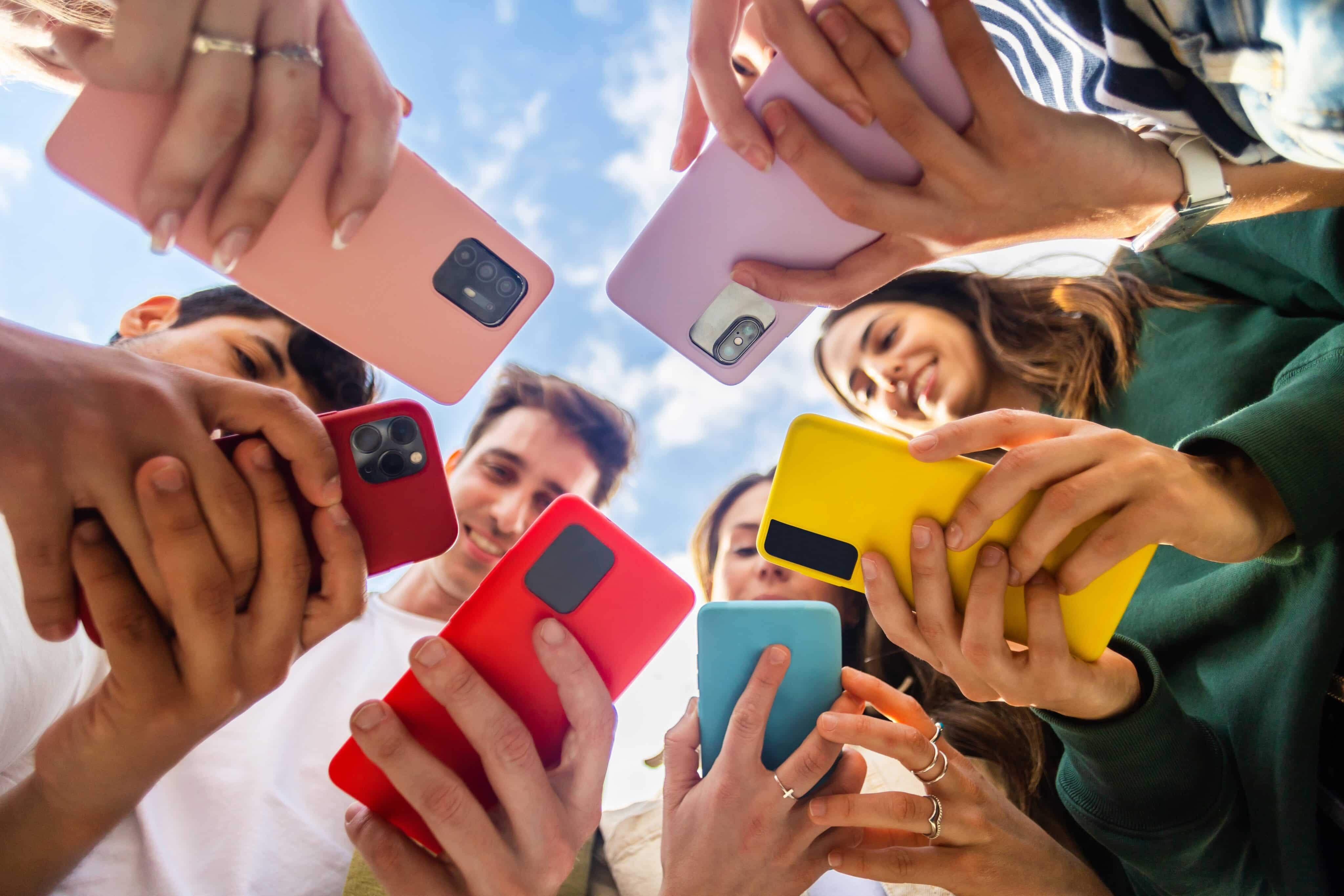
Private moments rarely stay private in the modern era. Young adults pull out their cameras to record their meals, outfits, and daily complaints. Every single mundane activity becomes content for their online followers.
Older people value their privacy and prefer to live in the moment. They find it incredibly rude when someone points a camera at them during dinner. The constant need for internet validation seems exhausting to anyone over sixty.
Refusing to Carry Cash

Physical money is rapidly disappearing from the pockets of young adults. They prefer to pay for everything with a quick tap of their smartphones. According to a 2024 Rapyd report, 69 percent of Gen Z consumers use digital wallets and debit cards weekly to avoid debt.
Older folks still love the security of having crisp bills in their wallets. They worry about what happens when the computer systems inevitably crash. Young shoppers just find digital transactions much faster and cleaner.
Depending Heavily on Technology

Basic life skills are increasingly being outsourced to applications and software. Young people use digital maps to find places right down the street. They rely on artificial intelligence to write basic emails or answer simple questions.
Older generations take pride in knowing how to find their way without a computer. They worry that young folks will be helpless if the power ever goes out. Doing things the hard way builds character in their eyes.
Thrifting for Used Clothing

Buying secondhand clothes used to be something people did strictly out of necessity. Young people have turned buying used outfits into a massive fashion trend. A Capital One Shopping research report 403 indicates that 83 percent of Gen Z consumers have purchased or are interested in secondhand clothing.
Boomers know the value of thrifting, but they also appreciate moderation. They simply cannot understand the craze and appeal of wearing a stranger’s old sweater. Young shoppers love finding rare vintage pieces while helping the environment.
Disclaimer: This list is solely the author’s opinion based on research and publicly available information. It is not intended to be professional advice.
Like our content? Be sure to follow us.





