

Gray divorce is surging as Americans over 50 rewrite the rules of marriage, retirement, and what it means to start over.
The golden years were once seen as a time for porch swings and holding hands, but that picture is rapidly changing for many older couples. Instead of settling down for a quiet retirement, a growing number of seniors are choosing to part ways and start fresh alone. This phenomenon is reshaping how we view aging and relationships in the twenty-first century.
It might seem shocking to end a marriage after thirty or forty years, yet for those living it, the choice often feels like a necessary survival tactic. People are realizing that staying in an unhappy union is too high a price to pay for the sake of tradition. The decision to split is rarely impulsive but rather the result of years of quiet reflection.
We Are Living Much Longer Lives
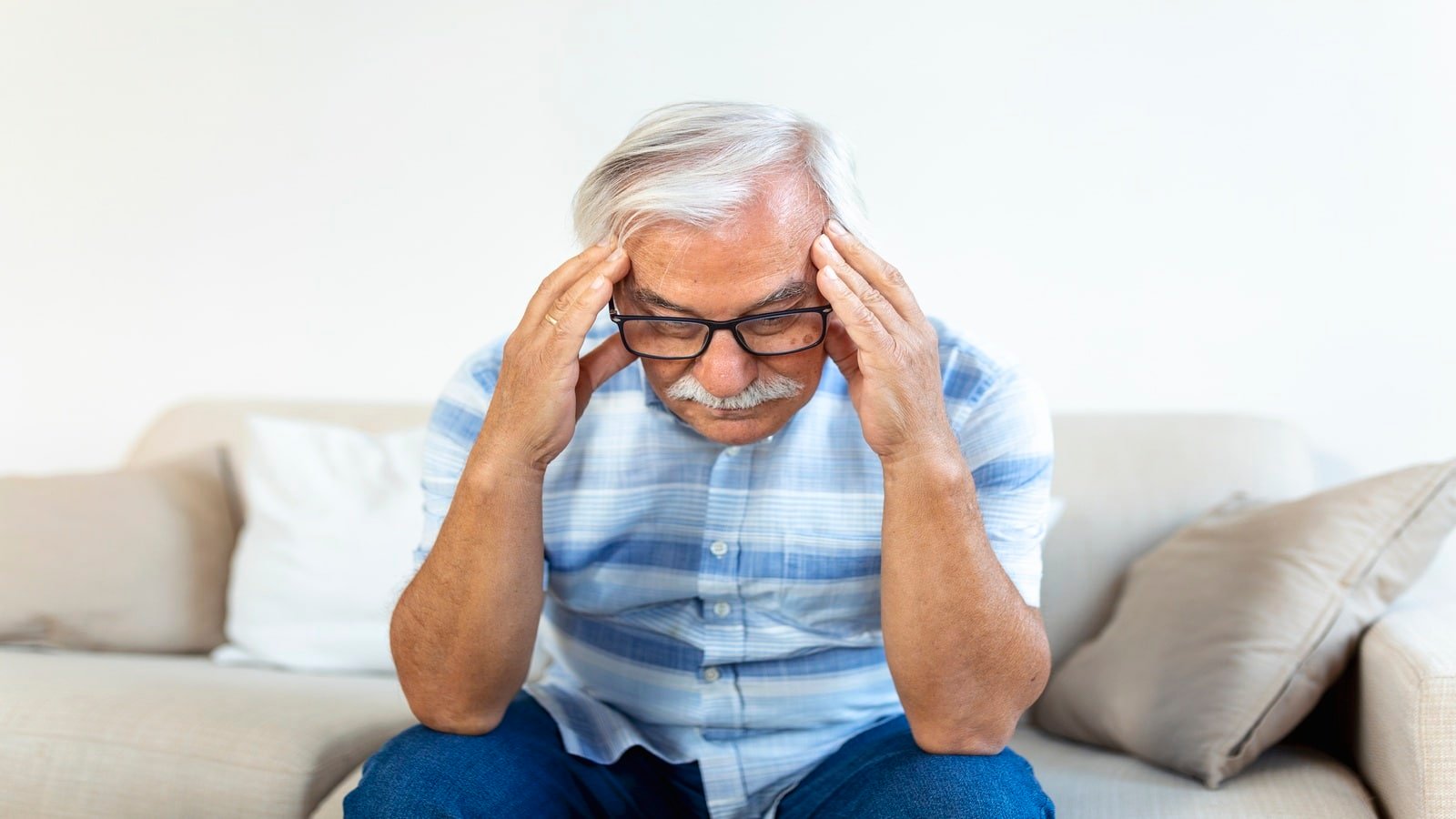
We used to think of “till death do us part” as a finish line that was reasonably close by the time we hit sixty. Now that people are living well into their eighties and nineties, that finish line has moved decades down the road. Facing another thirty years with a partner you no longer connect with can feel like an eternity rather than a comfort.
This shift in longevity forces many seniors to ask themselves if they can endure decades more of the same dynamic. They look at the calendar and realize they have enough time left to build a completely new life. Recent data from the Institute for Family Studies notes that for people ages 65 and older, the divorce rate hit 15% in 2022, roughly triple the rate from the 1990s.
Women Have More Financial Autonomy

In previous generations, women often stayed in difficult marriages simply because they had no financial means to support themselves. Today, more older women have had careers, built their own pensions, and managed their own savings. This financial independence gives them the freedom to leave unhappy situations that their mothers might have been forced to endure.
However, the financial reality of splitting up later in life remains a harsh wake-up call for many. While they can leave, they often face a steeper economic climb than their male counterparts do. According to NIH, women see their standard of living drop 45% after a gray divorce, compared to just a 21% drop for men.
The Empty Nest Reveals Cracks

For decades, raising children has served as a convenient glue that holds many couples together through the rough patches. You are so busy with soccer practice and tuition bills that you barely notice you have stopped talking to your spouse. Once the kids finally leave home, the silence that follows can be deafening.
Couples often look across the breakfast table and realize they are staring at a stranger they no longer know. Without the distraction of daily parenting duties, the fundamental lack of connection becomes impossible to ignore. Many seniors find that the only thing they have in common is the children who have now moved on.
Retirement Changes The Daily Dynamic

Retirement is supposed to be the reward for a lifetime of hard work, but it can also be a pressure cooker for relationships. Suddenly, a couple goes from seeing each other for a few hours a day to being together twenty-four hours a day. This dramatic shift in routine often exposes irritations and incompatibilities that were previously hidden by separate work schedules.
One partner might want to travel the globe while the other just wants to golf or garden in peace. These clashing visions of the future can create friction that wears down the marriage. Research from the Pew Research Center highlights that the divorce rate for adults 50 and older has remained elevated, hovering around 10 divorces per 1,000 married persons in 2023.
The Social Stigma Has Faded

Divorce was once a badge of shame that could lead to social exclusion, especially in tight-knit communities. That judgment has largely evaporated, making it socially acceptable to end a marriage at any age. Friends and family are more likely to support a senior’s pursuit of happiness than they are to judge the breakup.
We see celebrities and public figures starting over in their sixties and seventies, which normalizes the idea for everyone else. Seniors no longer feel they have to stay miserable just to keep up appearances for the neighbors. Societal acceptance has removed the guilt that used to keep many unhappily married couples under the same roof.
Save this article
Second Marriages Are Often Fragile

Many seniors are actually on their second or third marriage, and statistics show these unions are harder to keep intact. The baggage from previous relationships and the complexities of blended families can add layers of stress. It is often easier to walk away the second time because you have already survived the process once before.
The glue in second marriages can be weaker, especially when stepchildren and separate assets complicate matters. People who have divorced before are less afraid of doing it again if their needs are not being met. Modern Family Law data suggests that about 60% to 67% of second marriages end in divorce, a rate significantly higher than for first marriages.
Health Issues Create New Pressures

Aging inevitably brings health challenges, and the shift from partner to caregiver can alter a relationship’s balance. One spouse may not be willing or able to take on the heavy burden of caring for an ailing partner. Resentment can build when one person feels their own golden years are being consumed by nursing duties.
In other cases, a health scare can serve as a clarion call to stop wasting time. A brush with mortality often motivates people to pursue the life they really want while they still can. The realization that health is fleeting often pushes seniors to prioritize their own emotional well-being over a stagnant marriage.
We Simply Grow Apart Over Time

People change immensely over the course of thirty or forty years, and not always in the same direction. You might develop a passion for art and city life while your spouse insists on a quiet rural existence. It is not always about a dramatic fight, but rather a slow drift until the distance is too wide to bridge.
This gradual erosion of intimacy is one of the most common reasons cited for gray divorce. There is no villain in the story, just two people who have evolved into different versions of themselves. In fact, 36% of all Americans getting divorced are now aged 50 or older, proving that growing apart is a major driver for this demographic.
The Pandemic Forced A Hard Look

The lockdowns and isolation of recent years acted as a pressure test for millions of marriages. Stuck at home with nowhere to go, couples were forced to confront the true state of their relationship. For many seniors, the pandemic stripped away the distractions that had allowed them to ignore their marital problems.
Once the world opened back up, there was a surge of people who decided they did not want to spend another lockdown with the same person. The experience clarified what was working and what was irrevocably broken. Surviving the crisis gave many the courage to finally make the change they had been contemplating for years.
Better To Be Alone Than Unhappy

There is a growing recognition that solitude is preferable to the loneliness of a bad marriage. Seniors today are more active and socially connected, meaning they do not fear being single as much as previous generations did. The prospect of peace and autonomy is often more appealing than the constant friction of an unhappy home.
They see their remaining years as a precious commodity that should not be squandered on conflict. Choosing to be alone is seen as an act of self-respect rather than a failure. Many find that the peace of mind they gain is worth far more than the security of a ring on their finger.
Disclaimer: This list is solely the author’s opinion based on research and publicly available information. It is not intended to be professional advice.
Like our content? Be sure to follow us.