
Restaurants don’t need to raise every price when subtle psychology can persuade diners to spend significantly more without realizing it.
Ever walked out of a restaurant thinking, “Wait… how did that cost that much?” Yeah, same. You didn’t order lobster, you skipped dessert, and yet your bill looks like it went on a spending spree without you.
Restaurants don’t usually overcharge in obvious ways. They play it clever, subtle, and honestly kind of impressive if it weren’t so annoying.
I’ve eaten everywhere from hole-in-the-wall diners to polished chains, and I’ve seen these tricks pop up again and again. Some feel harmless. Others feel sneaky. All of them add up.
Let’s break down 10 subtle tactics restaurants use to overcharge customers, backed by research and real-world examples, so you can spot them next time before your wallet sighs.
Menu prices without currency symbols
Restaurants often remove dollar signs entirely from menus. You’ll see “18” instead of “$18,” and your brain relaxes just a bit.
Research from Cornell University’s School of Hotel Administration found that diners spend up to 8% more when menus remove currency symbols. Why? Your brain doesn’t register the pain of paying as strongly.
Why You Fall for It You read numbers as values, not costs. That psychological distance makes ordering feel easier, especially when you’re hungry and vibing.
No dollar sign usually means higher spending.
Strategic menu placement (The “Golden triangle”)
The eye-tracking trick: Menu designers know exactly where your eyes land first. Studies using eye-tracking technology show diners focus on the top-right, top-left, and center of a menu, often called the golden triangle.
Restaurants place their highest-margin items right there. Not the best food. Not the most popular. The most profitable.
Why It Matters: Those items often cost more but don’t offer more value. You choose them because they feel like “featured” picks.
FYI: If something sits dead center, assume it makes the restaurant serious money.
Decoy pricing to make expensive items look reasonable
Ever notice one wildly expensive item on the menu? That $78 steak isn’t there to sell. It exists to make the $42 entrée feel “reasonable.”
Behavioral economists call this the decoy effect, and it works everywhere from popcorn sizes to wine lists. A study published in the Journal of Consumer Psychology shows that people consistently choose the middle-priced option when a high-priced decoy is present.
Result: You spend more than planned while feeling smart about it.
Portion size illusions
Restaurants often use larger plates or taller glasses to make portions look bigger. Research from Cornell’s Food and Brand Lab found people pour up to 20% more into short, wide glasses than tall, narrow ones without realizing it.
You think you’re getting more value, but you’re often paying more for the same amount of food. IMO, if the plate looks massive, question the portion.
Premium language that justifies higher prices
“Handcrafted.” “Artisan.” “Farm-inspired.” These words don’t always mean better quality, but they do justify higher prices in your mind.
Research from Stanford University shows descriptive labels increase perceived value, even when the product stays identical.
They inflate prices by making simple dishes sound exclusive. Suddenly, fries become “truffle-kissed heritage potatoes.” Same fries. Higher bill.
Add-ons that quietly stack the Bill
The Death by a Thousand Upgrades. “Would you like avocado?” “Add cheese for $2?” “Upgrade the side?”
Each add-on may seem small, but studies show customers underestimate cumulative costs by 30–40% when charges are billed incrementally.
Why You Say Yes: You already committed to the meal, so another dollar or two feels harmless. Multiply that across drinks, sides, and toppings, and boom, surprise total.
Key warning sign: Servers listing upgrades verbally instead of showing prices clearly.
Default expensive options
If a meal automatically comes with fries instead of salad, or sparkling water instead of tap, most people won’t change it.
Save this article
Behavioral research from Harvard Business School shows that default options significantly influence consumer choices even when cheaper alternatives exist.
Why This Hits Your Wallet: You pay more simply by not questioning the default. And let’s be real, most of us don’t want to feel annoying by asking questions.
Price anchoring through drink menus
Alcohol carries some of the highest markups in restaurants. The average markup on wine reaches 300%, according to restaurant industry data.
Menus often list expensive cocktails or wines first to anchor your expectations. That $14 cocktail suddenly feels normal because you saw a $22 one above it.
Reality check: Drinks often cost more than the food that took an hour to prepare.
Smaller portions, same prices (Shrinkflation)
Restaurants rarely announce portion changes. They… make them smaller. Industry analysts report portion reductions of 10–20% across many casual dining chains over the last decade, while prices steadily increased.
Why You Don’t Notice: Plates stay the same size. Presentation stays polished. Your brain fills in the gaps. You pay more for less and leave wondering why you’re still hungry.
Time pressure and emotional ordering
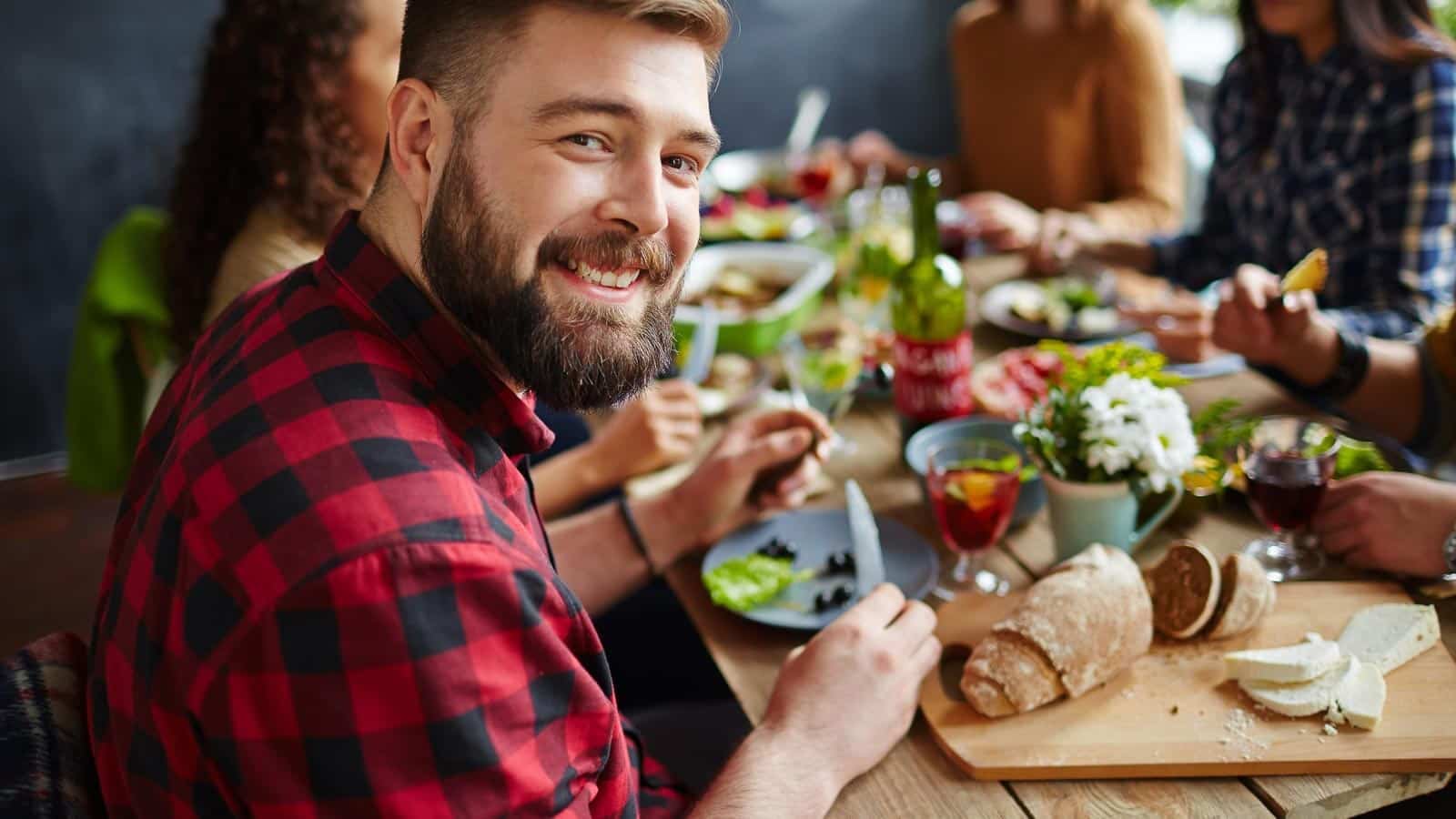
Hungry people overspend. Studies in consumer psychology consistently show that hungry customers make less price-conscious decisions and spend more overall.
Restaurants subtly increase time pressure by:
- Limiting menus during peak hours
- Rushing service
- Highlighting “limited-time” items
Why It Works: You stop comparing prices and start chasing comfort. Been there and ordered that.
Bottom line: Hunger plus pressure equals higher spending.
How to spot these tricks before you order
Here’s a quick checklist I personally use now:
- Small pauses save real money.
- Scan prices, not descriptions
- Question defaults
- Skip add-ons unless you genuinely want them
- Check portion photos online
- Slow down before ordering
Final thoughts: Eat smart, not paranoid
Restaurants aren’t villains. They run businesses, and smart pricing keeps the lights on. But understanding these subtle tactics helps you choose intentionally instead of emotionally.
Next time your bill feels suspiciously high, you’ll know why. And honestly? That awareness feels just as satisfying as dessert without the extra charge.
So tell me what the most ridiculous restaurant bill you’ve ever paid without realizing it at the time is?
More articles:
- Why you’re being asked to tip for almost everything now
- They’re not loud—but Gen X is quietly running the economy
- 12 things that used to be free but now cost money
- 10 money habits boomers see as normal that can lead to financial trouble
Tipping is getting excessive: 12 things you shouldn’t tip for
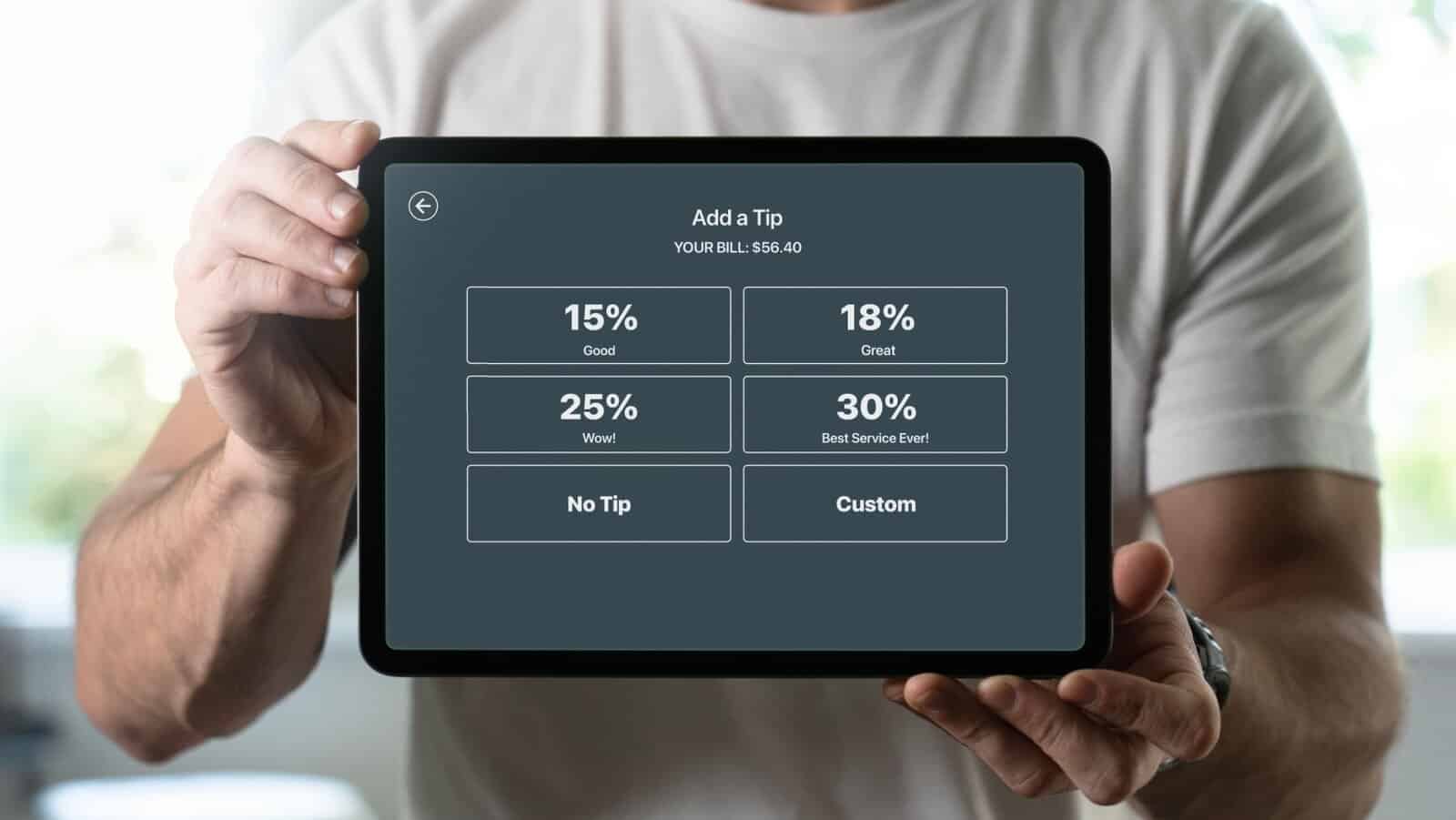
As digital payment systems expand tipping prompts into everyday transactions, many consumers are questioning where gratuity expectations should reasonably end. In fact, around 60% of people say they’re fed up with being asked to tip in more situations, and many admit they’ve tipped when they didn’t think it was warranted, according to a nationwide study of 1,000 U.S. consumers by Popmenu, a leader in restaurant technology that works with more than 10,000 restaurants.
It used to be simple: you sat down for a meal, a waiter brought your plate, and you left a little something extra for the effort. These days, it feels like every screen you touch is asking for a percentage of your money before you even get a chance to blink. Learn more.
Tipping isn’t just politeness. You might actually be getting played

Tipping often feels like a small, voluntary gesture, a quiet way to reward good service. Yet in many cases, it is less spontaneous than it seems. Research from the National Bureau of Economic Research suggests that tip prompts and default percentages can significantly influence how much people leave.
This effect persists even when service quality remains the same. What feels like generosity can be subtly guided by design. Learn more.





