What feels essential today wasn’t always considered a necessity. Items and experiences that Baby Boomers (born 1946–1964) once viewed as indulgences are now part of everyday life for Millennials (born 1981–1996). Cultural shifts, technological innovation, and lifestyle changes have transformed perceptions of what’s “necessary” versus “optional.”
A 2022 Pew Research study found that Millennials prioritize technology, wellness, and convenience far more than Boomers did at the same age, reflecting broader economic, social, and technological changes. Here are 10 examples where perspectives differ dramatically across generations.
Smartphones

For Boomers, a telephone was functional and rarely mobile. Smartphones, which Millennials consider essential for communication, navigation, and work, were unimaginable luxuries just a few decades ago.
Today, over 95% of Millennials own a smartphone, according to Pew Research, and daily life revolves around the apps and services they provide. Communication, social connectivity, and entertainment are now mobile and instant.
High-Speed Internet

Boomers grew up with dial-up connections, and home internet itself was a novelty in the 1980s. Millennials consider fast broadband or fiber connections essential for work, streaming, and social interaction.
The FCC reports that over 90% of U.S. Millennials have home broadband, whereas for Boomers, internet was a luxury many didn’t even consider. Connectivity is now a baseline expectation for work, learning, and leisure.
Streaming Entertainment
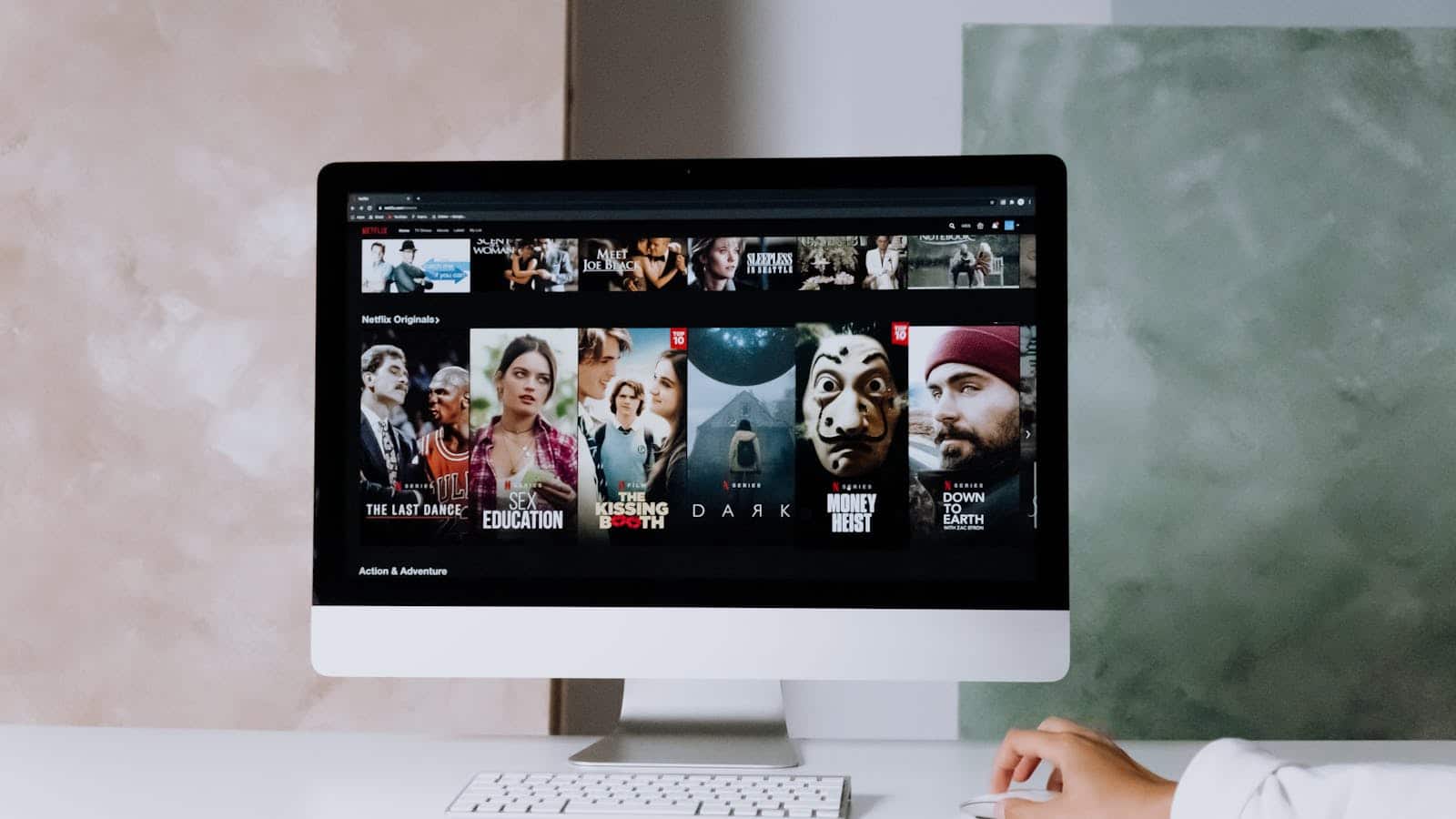
Cable TV was once the pinnacle of home entertainment for Boomers. Millennials now view services like Netflix, Hulu, and Disney+ as essential for entertainment.
A 2023 Statista report shows that streaming subscriptions in U.S. households have surpassed traditional cable subscriptions, illustrating a generational shift in media consumption. On-demand, personalized entertainment is the new standard.
Coffee-to-Go & Specialty Cafés

In the mid-20th century, coffee was a simple, home-brewed beverage. Starbucks and other specialty chains have turned daily coffee into a ritual Millennials can’t imagine skipping.
Over 64% of Millennials report purchasing coffee outside the home at least weekly, making it a perceived necessity rather than a treat. Convenience and lifestyle culture have turned luxury beverages into daily habits.
Fitness Classes and Personal Training

Gym memberships and fitness programs were considered optional for Boomers, often reserved for the wealthy. Millennials treat regular exercise, boutique fitness studios, and personal training as essentials for physical and mental well-being.
According to IBISWorld, the boutique fitness industry has grown over 100% since 2010, largely fueled by Millennials. Wellness and proactive health management are prioritized more than ever.
Organic and Specialty Foods

Save this article
Fresh produce and whole grains were standard, but organic, gluten-free, and specialty diets were luxuries for Boomers.
Millennials view these as essential to health and lifestyle, with the organic food market in the U.S. reaching over $62 billion in 2022, according to the Organic Trade Association.
Health-conscious consumption has turned previously luxury foods into everyday choices.
Travel Experiences

Boomers often saw international travel as an indulgence. Millennials treat travel and “experiential living” as essential for personal growth and mental well-being.
A 2023 Expedia survey reports that 72% of Millennials prioritize travel over material possessions, a stark contrast to older generations. Experience-based living is prioritized over traditional material accumulation.
Smart Home Devices

Home automation, smart thermostats, smart speakers, and security cameras, was unimaginable for Boomers. Millennials treat smart home tech as essential for convenience, security, and efficiency.
Consumer Reports notes that smart home device adoption has surged, with Millennials leading the charge. Technology integration into daily life is now expected rather than optional.
Streaming Music & Podcasts
Boomers purchased vinyl or cassette tapes; streaming platforms like Spotify, Apple Music, and podcasts are essential for Millennials. Instant access to information and entertainment shapes daily routines.
Remote Work Capabilities

For Boomers, working from home was a rare perk. Millennials now consider reliable remote work setups, computers, high-speed internet, and video conferencing, essential for career flexibility.
According to Gallup, nearly 60% of Millennials expect some form of remote or hybrid work, emphasizing work-life balance and flexibility as baseline needs. Flexibility, mobility, and technology integration in work life are considered standard.
Key Takeaways
What was once a luxury, specialty coffee, travel, streaming services, and smart technology, is now an everyday essential for Millennials. Shifting priorities, technological adoption, and changing lifestyle expectations have redefined what Americans view as “necessary” in modern life.
For Millennials, convenience, experience, and connectivity are no longer perks, they’re prerequisites.
Disclosure: This article was developed with the assistance of AI and was subsequently reviewed, revised, and approved by our editorial team.
Disclaimer: This list is solely the author’s opinion based on research and publicly available information. It is not intended to be professional advice.
Like our content? Be sure to follow us