Religion shapes how billions of people understand life, morality, suffering, joy, and community.
In the United States alone, surveys show that about 7 in 10 adults identify with a religious tradition, and globally more than 80% of people claim some form of religious belief.
Yet religion is often reduced to stereotypes, arguments, or headlines instead of being understood as the complex human system it truly is. Here are ten essential truths that help explain what religion really is, and why it continues to matter.
Religion is older than written history

Archaeological evidence suggests humans practiced ritual and spiritual behavior tens of thousands of years before writing existed.
Burial rites, symbols, and sacred objects appear in ancient sites across Africa, Asia, and Europe, showing that spirituality developed alongside human culture itself.
Religion is not just about God
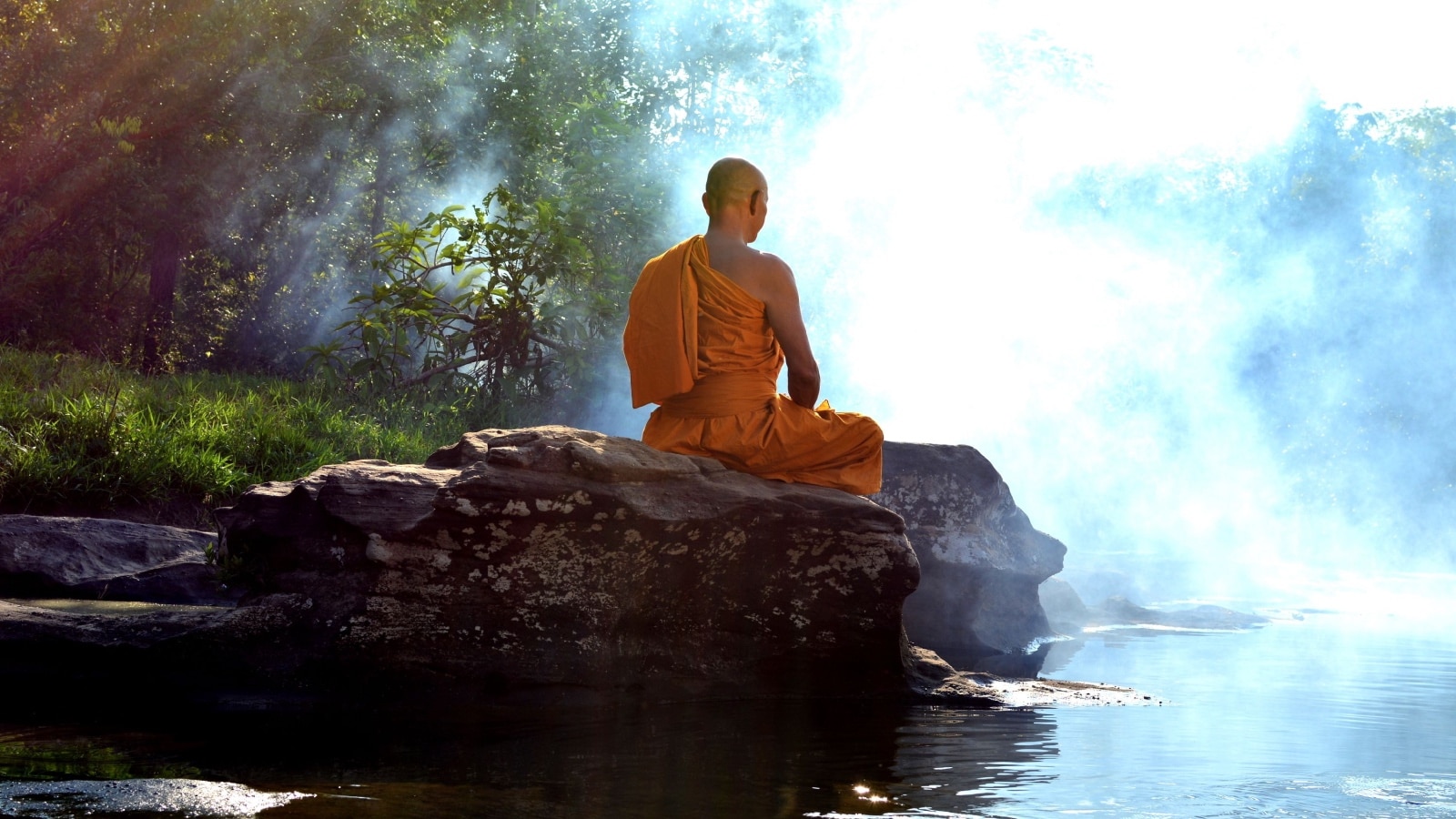
Some religions center on one God, others on many, and some on none at all. Buddhism, for example, focuses on suffering and enlightenment rather than a creator deity.
Religion often answers questions about meaning, purpose, ethics, and how to live, not only about the divine.
Most religions teach similar moral values

Compassion, honesty, generosity, self-control, and respect appear in nearly every major tradition. While beliefs differ, moral teachings often overlap, helping communities function and reduce harm.
Religion builds community, not just belief

Places of worship serve as social centers: people meet spouses, raise children, organize charity, mourn losses, and celebrate milestones there. For many, religion provides identity and belonging as much as doctrine.
Religion has inspired both peace and conflict

Faith traditions have motivated hospitals, schools, human rights movements, and disaster relief efforts. They have also been used to justify wars and discrimination. Religion itself is neutral; human behavior determines how it is used.
People rarely choose their first religion

Save this article
Most individuals inherit religion through family and culture. Later in life, some change their beliefs, adopt new traditions, or become non-religious, but early exposure strongly shapes their worldview.
Science and religion are not always enemies

Many scientists are religious, and many religious traditions accept scientific discoveries. Conflict arises when literal interpretations clash with evidence, but history shows long periods of cooperation between faith and science.
Religion changes over time

Beliefs, practices, and interpretations evolve with culture, language, and knowledge. Modern worship often looks very different from ancient rituals, even within the same tradition.
Religion strongly influences laws and politics

Ideas about marriage, human rights, charity, education, and justice often originate in religious teachings. Even in secular societies, religious values shape public debates and social norms.
Religion meets emotional needs, not just intellectual ones

Faith offers comfort during grief, hope during hardship, and structure during uncertainty. Psychology research shows that belief systems can reduce anxiety and increase resilience for many people.
Key Takeaways

You don’t have to practice a religion to understand its importance. Religion has shaped art, law, family, war, compassion, and entire civilizations. Learning how it works is one of the simplest ways to better understand people, including yourself.
Also on MSN: 14 Items Retirees Must Keep Out of Their Grocery Cart
Disclosure: This article was developed with the assistance of AI and was subsequently reviewed, revised, and approved by our editorial team.
Disclaimer: This list is solely the author’s opinion based on research and publicly available information. It is not intended to be professional advice.
Like our content? Be sure to follow us.