

Navigating Medicare can feel overwhelming, especially when you realize it doesn’t cover everything you might need. As someone who’s helped family members understand their Medicare benefits, I can tell you firsthand how important it is to know what’s not covered.
Medicare in the U.S. serves approximately 67 million to 69 million people, providing health insurance primarily to those aged 65 and older, as well as younger individuals with long-term disabilities, End-Stage Renal Disease (ESRD), or ALS. Yet many are shocked to learn that key services like dental care, vision, and long-term care aren’t included.
Understanding these gaps is essential for avoiding unexpected medical bills and planning for the future. Let’s take a look at the things Medicare won’t cover, so you can be better prepared.
Long-Term Care (Nursing Home Care)

However, it does not cover long-term care or assistance with daily activities such as bathing, dressing, or eating. According to the U.S. Department of Health & Human Services, the average cost of a private room in a nursing home is over $100,000 per year.
Medicare provides limited coverage for long-term care, but it does not cover the cost of extended nursing home stays or custodial care. Medicare will cover a short-term stay in a skilled nursing facility after a hospital stay of at least three days.
Dental Care
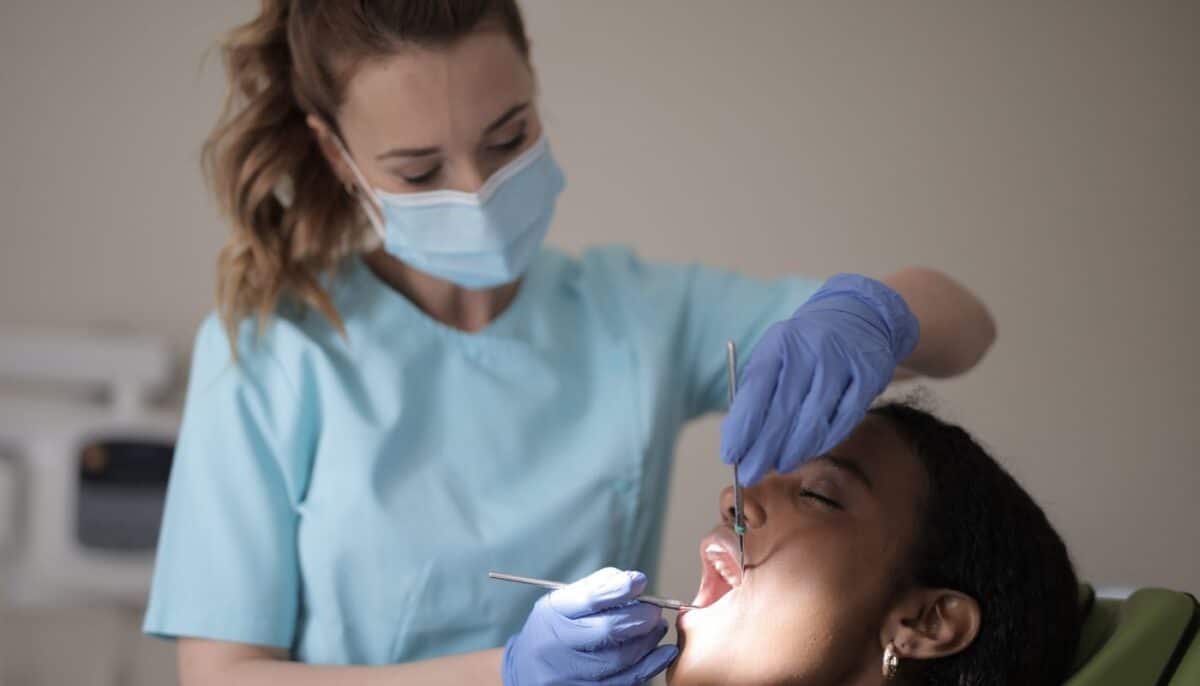
Routine dental services such as cleanings, fillings, and dentures are not covered by Medicare. Although some Medicare Advantage plans (Part C) may offer limited dental coverage, Original Medicare (Parts A and B) provides no dental benefits.
Dental health is crucial, and the lack of coverage can lead to high out-of-pocket expenses. For example, the average cost of a basic dental cleaning is about $100, and the cost of dentures can range from $1,000 to $3,000.
Vision Care

Routine vision care, including eye exams, glasses, and contact lenses, is generally not covered by Medicare. Medicare may cover certain eye care services in specific situations, such as after cataract surgery, but it doesn’t cover regular vision exams or corrective lenses.
For those requiring glasses or contacts, the costs can add up quickly, with the average pair of eyeglasses costing between $200 and $600.
Cosmetic Surgery

Medicare does not cover elective or cosmetic surgery unless it is medically necessary. For example, procedures like breast augmentation, liposuction, or facelifts are not covered.
However, if cosmetic surgery is required for medical reasons (e.g., reconstructive surgery following an injury or a mastectomy), Medicare may cover it. The lack of coverage for elective procedures can result in significant out-of-pocket expenses.
Hearing Aids

Medicare does not cover hearing aids or the exams needed to fit them. With hearing loss affecting approximately one in three people aged 65 and older, this is a significant coverage gap.
Hearing aids can be expensive, often costing $1,000 to $4,000 per ear. Many individuals find they need to explore additional coverage options or pay out of pocket for hearing aids and related services.
Acupuncture
![By Thunderchild7 from uk (Venus Mons) [CC BY 2.0 (https://creativecommons.org/licenses/by/2.0) or CC BY-SA 2.0 (https://creativecommons.org/licenses/by-sa/2.0)], via Wikimedia Commons](https://www.fodmapeveryday.com/wp-content/uploads/2017/03/Acupuncture_Doll_-_Close-up_of_Abdomen-1198x798.jpg)
Save this article
Medicare offers some coverage for alternative therapies in certain cases, but it generally does not cover acupuncture. There are exceptions for specific treatments like acupuncture for chronic pain management under certain conditions, but it is not a standard benefit under Medicare.
Individuals seeking acupuncture treatments for conditions such as chronic back pain will need to explore other options for coverage or pay out of pocket.
Prescription Drugs (Without Part D)

Original Medicare (Part A and Part B) does not cover prescription drugs, leaving beneficiaries to bear the full cost of medications. To address this gap, Medicare offers a separate prescription drug plan (Part D) that can help cover medication costs.
Without Part D, individuals will have to pay out of pocket for their prescriptions, which can lead to high costs depending on the medications they need.
Outpatient Care for Mental Health (Under Part B)

Medicare does cover inpatient mental health services, but outpatient mental health services are subject to deductibles, coinsurance, and copayments under Part B.
Therapy sessions and counseling visits, including those with psychologists or social workers, are covered, but the individual must pay a portion of the cost. Without additional insurance, the out-of-pocket expenses can accumulate, especially for long-term or frequent treatment.
Medical Equipment and Supplies

Medicare covers some medical equipment, but the coverage is not all-encompassing. Durable medical equipment (DME), such as wheelchairs or oxygen tanks, is generally covered by Medicare.
However, it does not cover many over-the-counter items, including bandages, crutches, or blood pressure monitors. Patients may need to pay out of pocket for such supplies or seek alternative insurance to help cover these costs.
Travel and International Care

Medicare provides limited coverage for healthcare services outside the United States. If you’re traveling abroad and need medical care, you will likely have to pay for it entirely out of pocket unless you have a supplemental travel insurance plan.
Some Medicare Advantage plans offer limited emergency care coverage abroad. It’s important to understand that routine medical services while traveling internationally are not covered.
Disclaimer – This list is solely the author’s opinion based on research and publicly available information. It is not intended to be professional advice.
Disclosure: This article was developed with the assistance of AI and was subsequently reviewed, revised, and approved by our editorial team.
7 Morning Rituals Women Swear By for More Energy and Confidence

7 Morning Rituals Women Swear By for More Energy and Confidence
Morning rituals don’t have to be complicated. A glass of water, a quick stretch, five minutes with your journal — these small things stack up to create significant change. Women who build these habits aren’t just “morning people”; they’re people who decided to take charge of their first hour of the day.





