

Corporate fine print quietly turns everyday “ownership” into a maze of revocable rights.
We often move through life assuming that if we pay for something, it belongs to us entirely and forever, but the fine print frequently suggests otherwise. From the digital libraries we build to the rewards we collect, actual ownership is often replaced by a temporary license or a revocable privilege. Many of the assets we treasure are actually just services we are renting, subject to terms that can change at a moment’s notice.
The reality of modern property rights is surprising, revealing that corporations and employers retain far more control over our “possessions” than we realize. It is essential to understand where your rights end and where a company’s control begins, especially as our lives become increasingly digital. Here are ten everyday things you might believe are yours, but which actually belong to someone else.
Your Social Media Content

You snap the photo and write the caption, but once you post it to a social media site, you grant that platform a massive license to use your work. While you technically retain copyright, the terms of service usually give the company a royalty-free, transferable license to use, copy, and display your content. They can use your family photos in advertisements or training data for AI without paying you a dime.
People rarely realize that they are feeding a corporate machine that monetizes their personal memories and creative output. By uploading your data, you are often agreeing to let the platform use your images in ways that would typically require a paid contract. It is a trade-off: you get free hosting and connectivity, but they get to exploit your creativity.
Your Digital Movie And Book Libraries
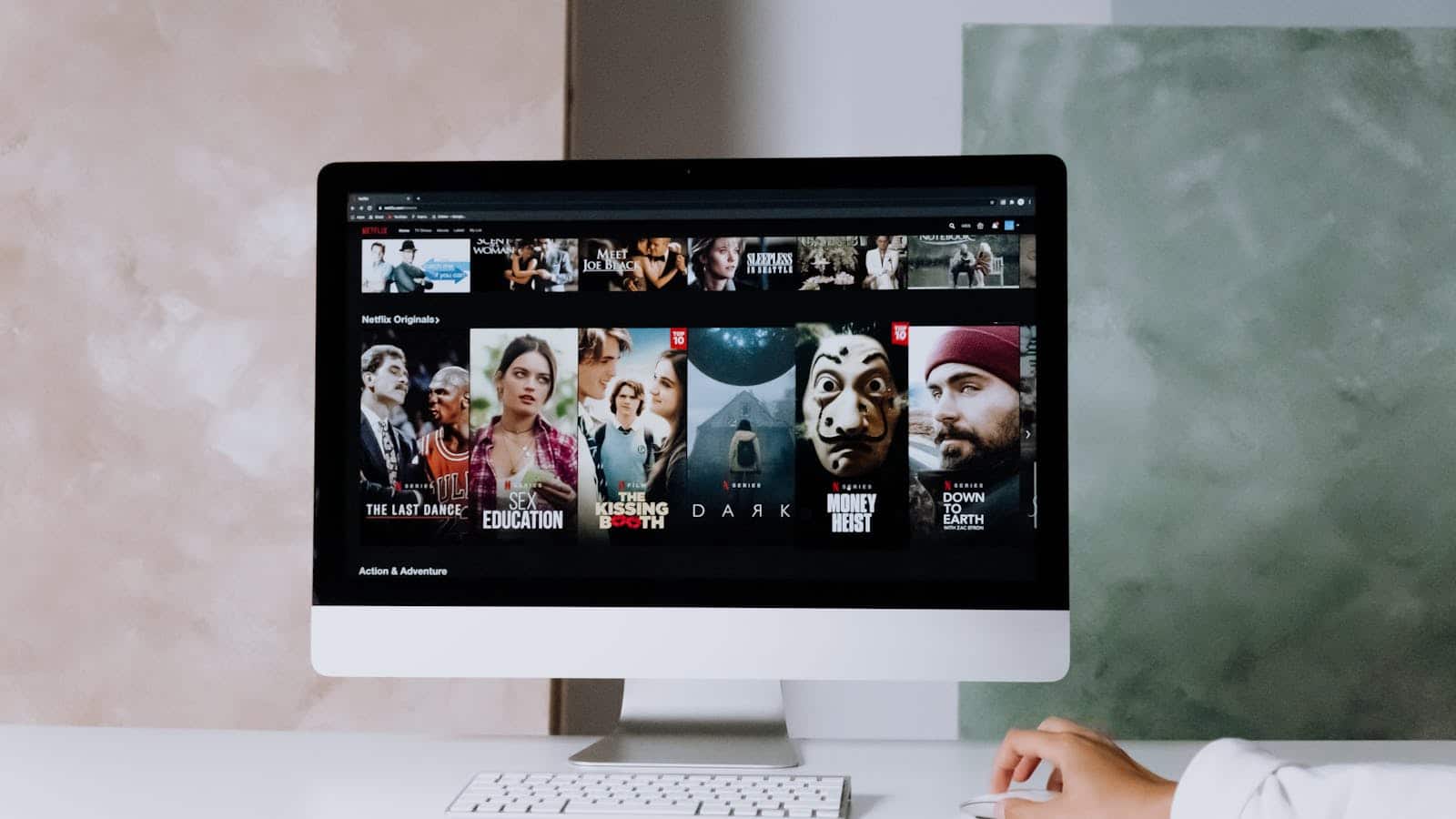
You might believe that clicking “buy” on a digital movie or e-book means it is yours forever, just like a physical DVD or paperback on a shelf. However, you are typically purchasing a revocable license to view that content, meaning the provider can remove it from your library if their licensing agreements change. We have seen instances where purchased films vanished from user accounts because a studio decided to pull the plug.
Most consumers skip the legal details explaining this arrangement because the agreements are long, boring, and full of confusing jargon. Ofcom research 403 shows that over half of internet users sign up for online platforms without ever reading the terms and conditions. If the platform you use shuts down or loses the rights to a title, your “owned” collection could disappear overnight.
The Airline Miles You Saved

Frequent flyer points feel like a hard-earned currency that you can bank for a dream vacation, but they legally remain the property of the airline. Airlines reserve the right to devalue these points, change expiration dates, or even close your account if they suspect you of violating their rules. You are essentially holding a surprisingly fragile IOU that the company can modify whenever it suits its financial interests.
The financial scale of these unspent rewards is staggering, representing a massive liability for airlines rather than a guaranteed asset for travelers. In 2020, the top five U.S. airline loyalty programs ended with a combined balance of $27.5 billion in unused loyalty program miles. If an airline goes bankrupt or alters its program, your stash of points could become worthless instantly.
Your Work Email And Slack Messages

Many employees treat their work email or messaging apps as private channels for chatting with colleagues, but these communications belong entirely to the company. Courts have consistently ruled that employers have a right to monitor communications on company-owned devices or networks. Even if you are joking around or complaining about a boss, those messages are archived corporate data.
The level of oversight in the modern workplace has grown significantly, with technology allowing bosses to see precisely what you are doing. Apploye statistics indicate that 78% of companies now use employee monitoring tools to watch their workforce’s activities. It is safer to assume that nothing you type on a work computer is ever truly private or yours to keep.
Steam And Digital Gaming Accounts

Gamers often spend thousands of dollars building up their libraries on platforms like Steam, assuming that they can pass these accounts down or sell them later. The reality is that you are subscribing to a service that grants you access to play, not ownership of the software itself. If your account is banned for any reason, you lose access to every game you have paid for, with little recourse.
These restrictions apply to your account, including a strict prohibition on selling or transferring your digital identity to anyone. According to the official policy, buying, selling, trading, or gifting a Steam account is a violation of the Steam Subscriber Agreement. You are paying for the experience of playing, but the account remains the property of the platform holder.
Unused Gift Card Balances

Save this article
Gift cards seem like cash in a plastic or digital form, but if you fail to use them, that value can legally expire or be swallowed by fees in certain states. When a retailer files for bankruptcy, your gift cards can instantly turn into worthless plastic, as you become an unsecured creditor at the back of the line. Millions of dollars are lost every year simply because people forget they have these cards tucked away in a drawer.
The amount of money that Americans inadvertently donate back to retailers through forgetfulness is truly astronomical. Bankrate reports that 43% of American adults have unused gift cards, and the total value of these unspent funds in the U.S. runs into the billions. It is smart to spend them quickly, as holding onto them carries the risk of losing that value entirely.
The Airspace Above Your House

Homeowners typically assume their property rights extend indefinitely upward, preventing anyone from intruding on the airspace above their roof. While you do control the immediate area above your home, the government controls the “navigable airspace” starting at a certain altitude. This distinction has become much more relevant with the rise of commercial drones and quadcopters buzzing over neighborhoods.
Legal disputes often arise when trying to determine exactly where a homeowner’s rights end and where the public sky begins. Case law has frequently used 500 feet as the general threshold for determining when property rights are impaired. If a plane or drone is flying above that line, it is generally technically in a public highway, not your backyard.
Money Deposited In The Bank

When you deposit cash into a savings account, you might think that specific money sits in a vault waiting for you to come back and get it. Legally, the moment you hand that cash over, it becomes the bank’s property, and you hold a claim against the bank for that amount. You are a creditor to the bank, which is why deposit insurance is so critical if a bank fails.
This distinction is why banks can lend your money to others and why you sometimes face limits on how much cash you can withdraw at once. The bank uses your funds to generate its own profit, paying you a tiny sliver of interest in exchange for the loan. If the banking system collapses, your “ownership” is just a promise to pay, backed by government guarantees.
Your Genetic Data

Taking a DNA test to find your ancestors is popular, but sending that saliva sample off often means sharing your genetic code with a private corporation. Privacy policies for these testing companies may allow them to share anonymized data with pharmaceutical companies or law enforcement. You may own your physical body, but the digital map of your DNA can become a tradable commodity.
Once your genetic information is in a database, it can be tough to completely retract or control how it is used in future research. You are essentially crowd-sourcing a massive biological dataset that companies can monetize for decades to come. It raises strange questions about who owns the rights to the very blueprint of who you are.
The Software In Your Car

Modern cars are effectively rolling computers, and while you own the tires and the engine, you likely do not own the code that runs them. Automakers use copyright laws to prevent you from tinkering with or repairing the software systems that control your vehicle’s performance. This can prevent independent mechanics from fixing your car or stop you from modifying safety features.
This shift toward software-defined vehicles means manufacturers can disable features remotely or charge for subscriptions to features like heated seats. You might have paid off the car loan, but the manufacturer still holds the keys to the operating system. It is a strange new reality where you own the hardware but only license the brain of your vehicle.
Disclaimer – This list is solely the author’s opinion based on research and publicly available information. It is not intended to be professional advice.
Like our content? Be sure to follow us.
How Total Beginners Are Building Wealth Fast in 2025—No Experience Needed

How Total Beginners Are Building Wealth Fast in 2025
I used to think investing was something you did after you were already rich. Like, you needed $10,000 in a suit pocket and a guy named Chad at some fancy firm who knew how to “diversify your portfolio.” Meanwhile, I was just trying to figure out how to stretch $43 to payday.
But a lot has changed. And fast. In 2025, building wealth doesn’t require a finance degree—or even a lot of money. The tools are simpler. The entry points are lower. And believe it or not, total beginners are stacking wins just by starting small and staying consistent.
Click here, and let’s break down how.





