A truly happy dog isn’t loud or obvious; their joy lives in the quiet moments when they feel completely safe being themselves.
Every dog owner wonders at some point if their furry best friend is truly content or just sticking around for the treats. It is natural to look for signs that confirm your pup is living their best life with you. You might notice a wagging tail or a goofy grin, but canine happiness goes much deeper than these surface-level signals.
Understanding your dog’s emotional state requires paying attention to subtle body language cues that most people miss entirely. A truly happy dog exhibits a combination of physical relaxation and social engagement that tells a bigger story. This guide breaks down the clear indicators that your four-legged companion is genuinely joyful and secure in your home.
The Wiggle Butt Phenomenon

A happy dog does not just wag their tail; they often wag their entire body in a display of pure, unadulterated joy. You will see this distinct movement starting from their shoulders and rippling all the way down to their hindquarters. It is a loose, fluid motion that indicates they are completely relaxed and thrilled to interact with you.
This “wiggle butt” greeting is vastly different from a stiff, high tail wag, which can actually signal tension or alertness rather than happiness. When the whole body curves into a C-shape, it is one of the most reliable indicators of friendliness and comfort. This behavior usually happens when you walk through the door, proving you are their favorite person.
The Look Of Love

Soft, relaxed eye contact is a profound sign of trust and affection between a dog and their human guardian. When your dog gazes at you with relaxed eyelids, their brain is releasing oxytocin, often called the love hormone. This is the same chemical bond that strengthens the connection between a mother and her infant.
Staring can be aggressive in the animal kingdom, but a soft gaze from your pup is a voluntary act of vulnerability. They are comfortable enough to hold your gaze without feeling threatened or needing to scan the room for danger. It is a silent communication that says they feel safe, secure, and happy in your presence.
Sleeping On The Job

A dog that sleeps soundly in your presence is demonstrating a high level of comfort and safety within their environment. According to recent data from HDFC Ergo and Casper in 2025, the average adult dog sleeps between 12 and 14 hours a day. If your dog is hitting this number, it means they are not plagued by anxiety or hypervigilance.
Twitching paws or soft yips during sleep indicate they are entering deep REM cycles where they can dream peacefully. A stressed dog often wakes at the slightest noise, but a happy dog knows they are protected enough to doze off completely. This ability to relax deeply is a hallmark of a stress-free and contented canine life.
Appetite

A healthy appetite is a classic sign of physical and mental well-being, but it should be balanced and not obsessive. Happy dogs approach their meals with enthusiasm, but do not necessarily act frantic or aggressive around their food bowl. Sudden changes in eating habits are often the first clue that something is wrong emotionally or physically.
However, owners must be careful not to confuse overeating with happiness, as weight issues are prevalent. A 2024 survey by the Association for Pet Obesity Prevention found that 35% of dog owners reported their pets were overweight or obese. Keeping your dog at a healthy weight is actually a key part of maintaining their long-term happiness and vitality.
The Lean In
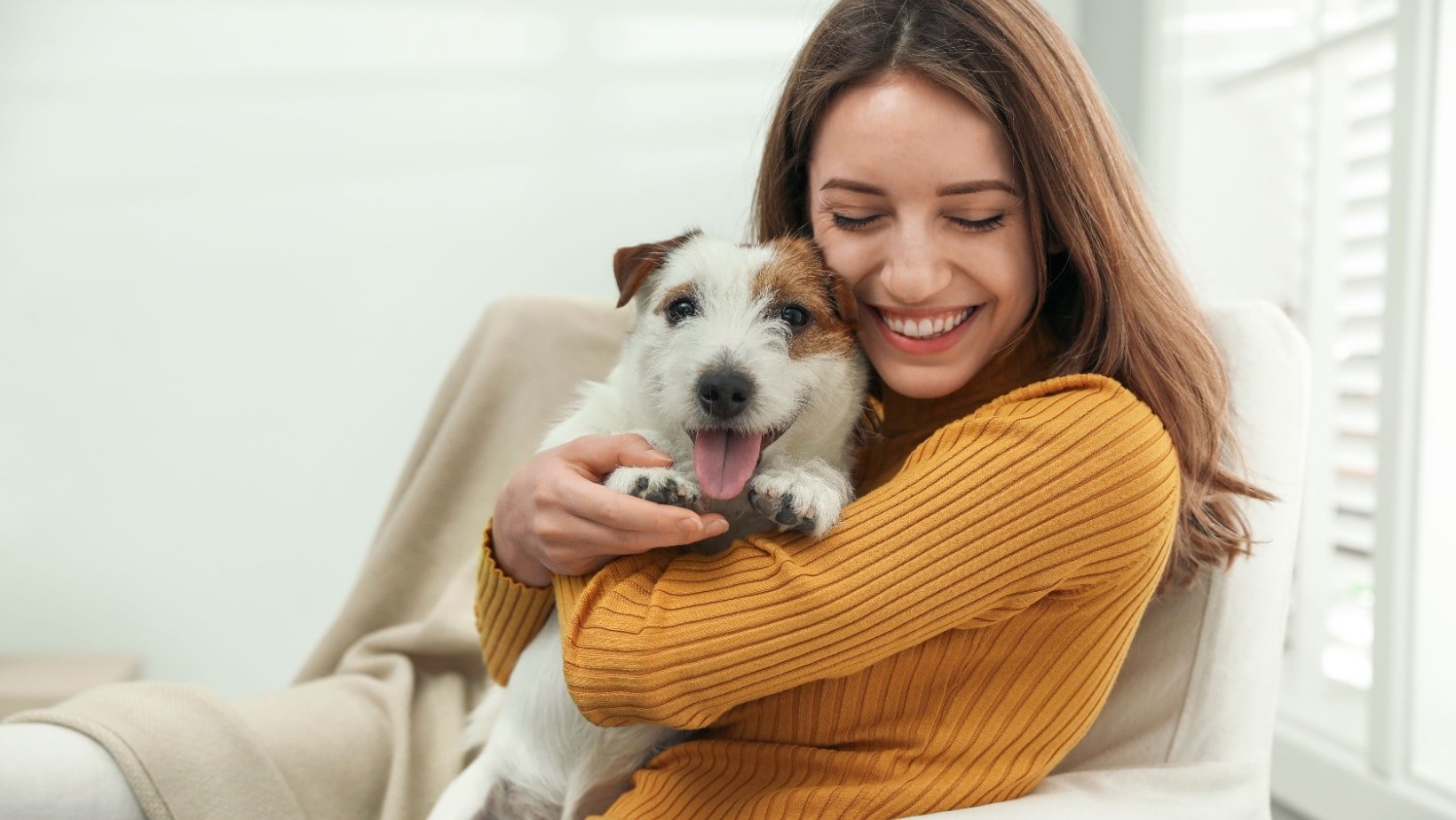
When your dog comes over and leans their full weight against your leg, it is giving you a canine hug. This physical contact is a way for them to assert their bond with you and ask for a little bit of reassurance. It is not about dominance; it is a clear request for closeness and a sign they trust you implicitly.
Save this article
You might notice this happens often when you are standing in the kitchen or sitting on the couch. By invading your personal space in this passive way, they are saying they feel safest when they are right next to you. It is a simple, undemanding gesture that speaks volumes about their level of contentment.
Zoomies And Play

The “play bow,” where a dog lowers their front end while keeping their rear in the air, is the universal invitation to play. Seeing your dog burst into a sudden sprint, often called the zoomies, is a fantastic release of happy energy. These moments show that your dog feels spirited and confident enough to let loose.
Playfulness in adult dogs is a sign that they remain young at heart and feel good physically. If your dog initiates games of fetch or tag, it means their basic needs are met, and they have energy to spare. This zest for life is contagious and is one of the clearest signs of a joyous spirit.
Belly Up Confidence

Rolling over to expose their belly is the ultimate sign of submission and trust in the dog world. By showing you their most vulnerable area, they are telling you that they have zero fear of you hurting them. It is a request for a belly rub, sure, but it is also a declaration of total security.
A dog will never expose their stomach if it feels threatened or unsure about their surroundings. This posture indicates a relaxed mental state where they feel safe enough to let their guard down completely. If your dog does this regularly, you have succeeded in creating a haven for them.
No Separation Blues
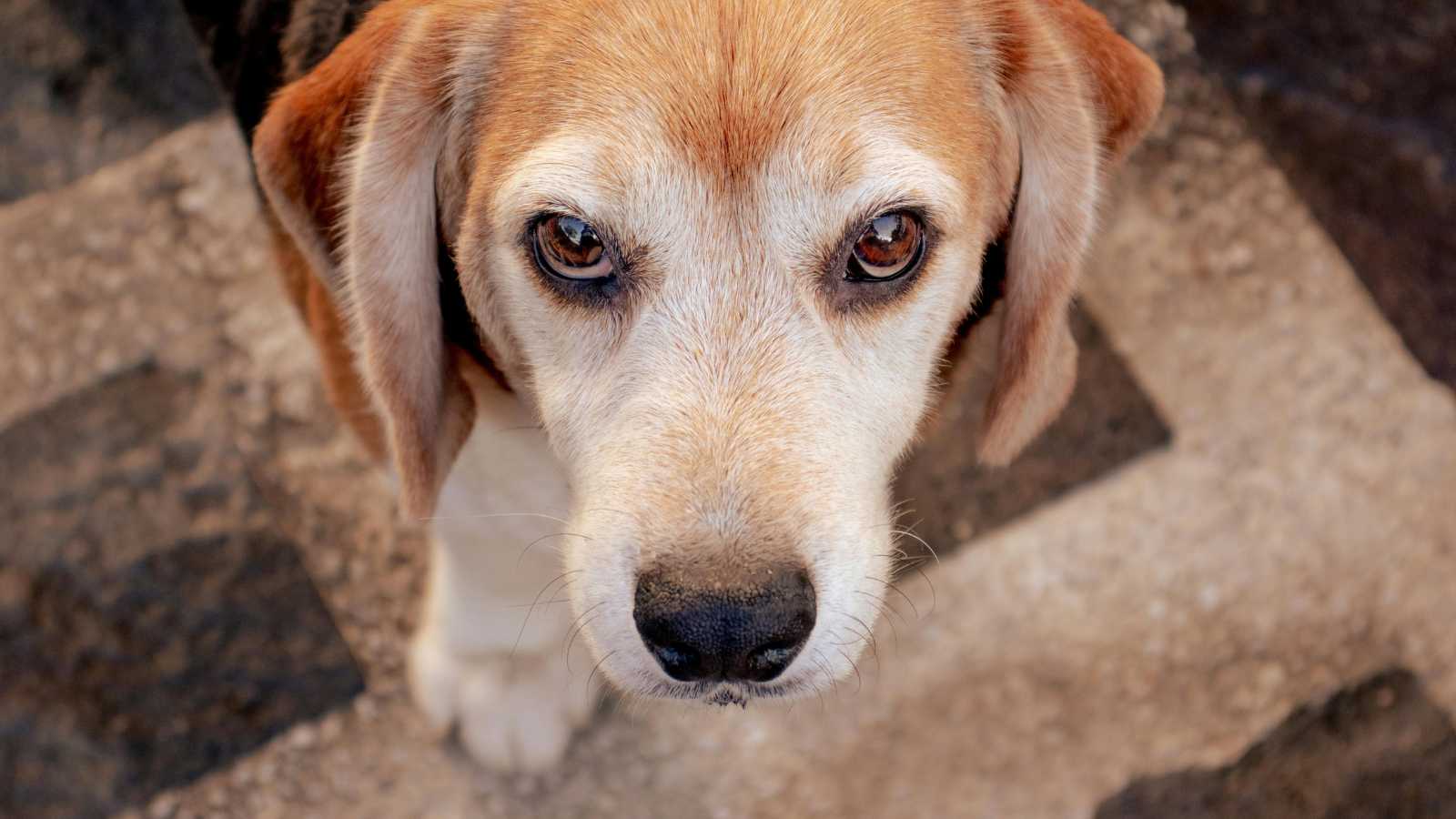
A happy dog is confident enough to be alone for short periods without panicking or destroying the house. A 2025 study from Texas A&M University found that 99.12% of U.S. dogs show at least one behavior issue, with separation anxiety being common. Therefore, a dog that remains calm when you leave is actually exceptionally well-adjusted.
If your dog settles down quietly when you grab your keys, it means they trust that you will return. This lack of drama indicates a secure attachment style and a general sense of happiness and stability. They know their routine and feel comfortable enough to wait for you patiently.
Greeting Committee

The way your dog greets you when you come home can tell you everything you need to know about their mood. A happy dog will approach you with loose body language, soft ears, and maybe even a toy in their mouth. They are eager to reconnect but not necessarily frantic or urinating from submissive excitement.
This reunion is the highlight of their day, and their enthusiasm is a direct reflection of your bond. If they bring you a gift, like a slobbery tennis ball, they are trying to engage you in their happiness immediately. It is their way of sharing their joy and welcoming you back into the pack.
The Snuggle Struggle

Seeking out physical contact on the couch or bed is a major indicator that your dog considers you their family. A 2025 survey by TotalVet revealed that 76% of American dog owners allow their dog to sleep on their bed at night. This shared downtime is crucial for reinforcing the emotional connection between pet and owner.
Dogs are pack animals, and sleeping together is an instinctual way to share warmth and protection. If your dog actively chooses to curl up beside you, they are expressing their happiness through proximity. It confirms that there is no place they would rather be than right by your side.
Disclaimer – This list is solely the author’s opinion based on research and publicly available information. It is not intended to be professional advice.
Like our content? Be sure to follow us.