

Hitting the wrong animal on the road can turn a routine drive into a case that carries fines or even jail time.
It’s a heart-stopping moment for any driver, the sudden thud and crunch that signals you’ve hit an animal. Most of the time, the unfortunate victim is a common squirrel or a deer: a tragedy, sure, but one that doesn’t usually land you in legal hot water. However, there’s a different kind of critter out there, one you should go out of your way to avoid, because if you hit it, you’re looking at a significant headache. We’re talking about animals whose protected status means an accidental kill could lead to fines and even jail time.
The thought of getting fined or imprisoned for a completely unintentional act seems like a story for the movies, but it is a reality. In the United States, a variety of animals are protected by a combination of federal and state laws. These protections, such as the Endangered Species Act and the Migratory Bird Treaty Act, were established to safeguard these vulnerable creatures. It’s a powerful reminder that our actions, whether intentional or unintentional, have consequences that extend far beyond the moment.
Gray Wolf

The gray wolf’s journey has been a rollercoaster. They were once driven to the brink of extinction and have since made a remarkable comeback in certain parts of the country. This has led to some disputes and policy changes, but in many states, they remain protected. One might think a wolf on your property is fair game, but in places like Washington, it’s a misdemeanor to kill a gray wolf unless it’s in the act of attacking your livestock.
Bald Eagle

When you see a bald eagle soaring overhead, there’s a sense of awe, a real connection to the American spirit. It’s the national bird and a symbol of freedom, so it’s probably no surprise that killing one comes with a heavy price. The Bald and Golden Eagle Protection Act, along with the Migratory Bird Treaty Act, means that harming or killing an eagle is a serious federal offense. You could face a fine of up to $250,000 and two years in prison for a felony conviction.
Grizzly Bear

Living in states like Montana or Wyoming, you might have heard of the famous Grizzly 399 and her cubs. They are practically celebrities, drawing tourists from all over the world. The grizzly bear, with its massive size and fierce reputation, is an apex predator whose survival is vital to a healthy ecosystem. Although a federal judge delisted grizzlies from the Endangered Species Act in 2017, they are still protected in the lower 48 states. Hurt one and you could land in legal hot water.
Manatee

The gentle giants of the sea, manatees, are known for their slow and tranquil nature. They often hang out in shallow coastal waters in Florida and other southern states, which puts them at risk from boat propellers. The federal Marine Mammal Protection Act, combined with the Endangered Species Act and the Florida Manatee Sanctuary Act, makes harming a manatee a federal crime. If you’re found to have killed a manatee, you could be on the hook for up to $100,000 in fines and a year in prison.
Whooping Crane

The whooping crane, an elegant bird with a striking white plumage, is another conservation success story, although its numbers remain fragile. At one point in the 1940s, there were only 20 cranes left in the wild. Thankfully, their population has since grown, but they are still protected by law. Killing a whooping crane is a serious violation of the Migratory Bird Treaty Act and the Endangered Species Act.
California Condor
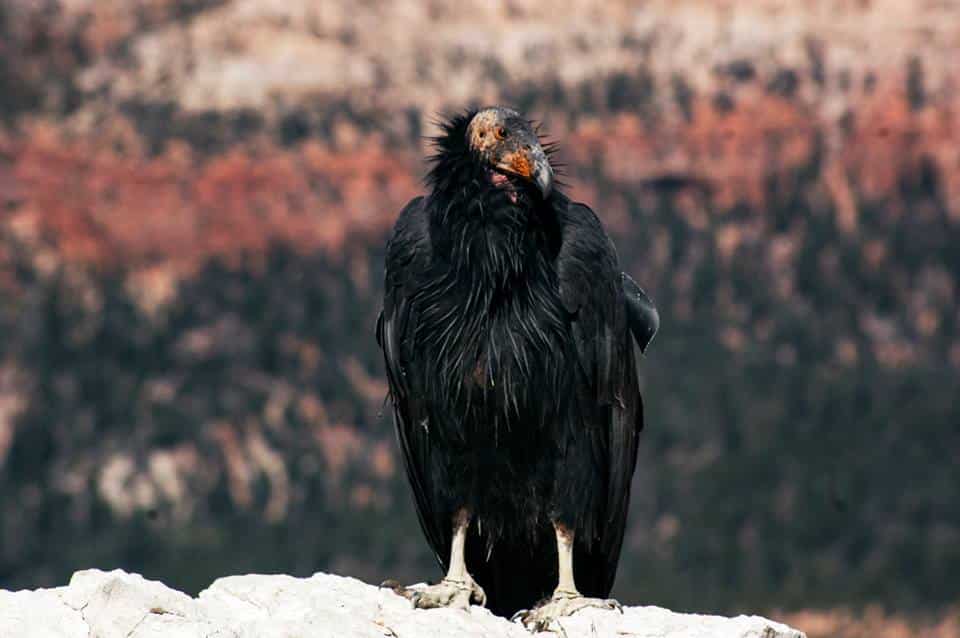
The California condor is a magnificent scavenger, with a nine-and-a-half-foot wingspan. Its numbers dwindled to just 22 individuals in the 1980s, which led to the development of a groundbreaking captive breeding program. Today, there are approximately 500 condors alive, with more than half living in the wild. Since they are so rare, they are heavily protected, and the penalties for killing one are severe. A person convicted of killing a California condor can face a felony charge with a fine of up to $250,000 and a one-year prison sentence.
Sea Turtle

Save this article
Sea turtles are amazing creatures that have roamed the oceans for millions of years. All seven species of sea turtles are listed as either threatened or endangered, which means they have some of the strongest legal protections of any animal on this list. The penalties for harming or killing a sea turtle are steep. It’s a federal offense that can result in serious consequences, with civil fines and potential criminal charges totaling thousands of dollars.
Bison

Bison, once nearly wiped out in the 19th century, are a symbol of the American West. Today, their population is stable enough that hunting is permitted in some areas under specific rules. However, the American bison is the national mammal of the United States. Killing one without a valid license, or in a national park like Yellowstone, is a federal crime.
Black-Footed Ferret
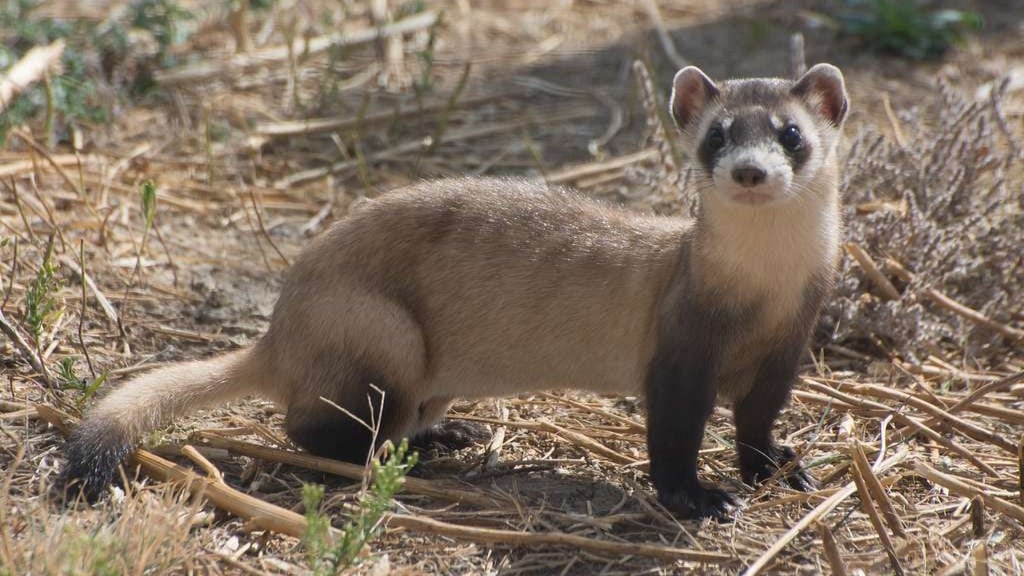
The black-footed ferret is a cute and reclusive carnivore. It was once believed to be extinct until a small population was discovered in Wyoming in 1981. This led to a massive conservation effort that has slowly brought them back from the brink of extinction. The ferrets are still incredibly rare, and a lot of work goes into reintroducing them into the wild. Their protected status means that any harm to them is a federal crime, and the consequences are in line with those for other highly protected species.
All Species Of Owl

Owls are a hoot, literally. These nocturnal birds of prey are considered protected under the Migratory Bird Treaty Act. It is against the law to kill, capture, or possess an owl or any of its parts, including feathers, without a permit. This protection applies to all species of owl, from the tiny elf owl to the great horned owl. The law is quite old, dating back to 1918, but it remains a crucial piece of legislation in conserving North American bird populations.
Red Wolf

The red wolf is a ghost in the American South. This elusive and endangered canid species was once widespread but is now found almost exclusively in a small part of North Carolina. With fewer than 30 red wolves remaining in the wild, their survival is a top conservation priority. Because they are so rare, the consequences for killing a red wolf are particularly severe.
Disclaimer – This list is solely the author’s opinion based on research and publicly available information. It is not intended to be professional advice.
How Total Beginners Are Building Wealth Fast in 2025—No Experience Needed

How Total Beginners Are Building Wealth Fast in 2025
I used to think investing was something you did after you were already rich. Like, you needed $10,000 in a suit pocket and a guy named Chad at some fancy firm who knew how to “diversify your portfolio.” Meanwhile, I was just trying to figure out how to stretch $43 to payday.
But a lot has changed. And fast. In 2025, building wealth doesn’t require a finance degree—or even a lot of money. The tools are simpler. The entry points are lower. And believe it or not, total beginners are stacking wins just by starting small and staying consistent.
Click here and let’s break down how.
5 Easy Steps to Change Any Habit

5 Easy Steps to Change Any Habit
We all click on them with the hope that just THIS time the secret to changing a bad habit or adopting a healthy one will be revealed and we’ll finally be able to stick to that diet, stop that one or ten things that might in the moment make us feel temporarily good but really just make us fat, unhealthy, sad, mad or just frustrated with ourselves.





