Scrolling past animals that are Photoshopped is fun until you realize Mother Nature has some of hers that trump Photoshop.
Nature has a way of throwing curveballs that make sophisticated photo editing look tame by comparison. You might scroll through your feed and see a creature that looks like a glitch in the matrix or a Jim Henson puppet come to life, forcing a hard double-take. It is wild to think about the biodiversity sitting right under our noses while we go about our daily grind.
We have compiled a collection of oddities that defy logic and expectations in biology class. From ocean dwellers that look like stained glass to mammals that seem assembled from spare parts, these critters are one hundred percent genuine. Get ready to have your mind bent by Mother Nature’s weirdest experiments that actually walk the earth.
The Duck-Billed Platypus
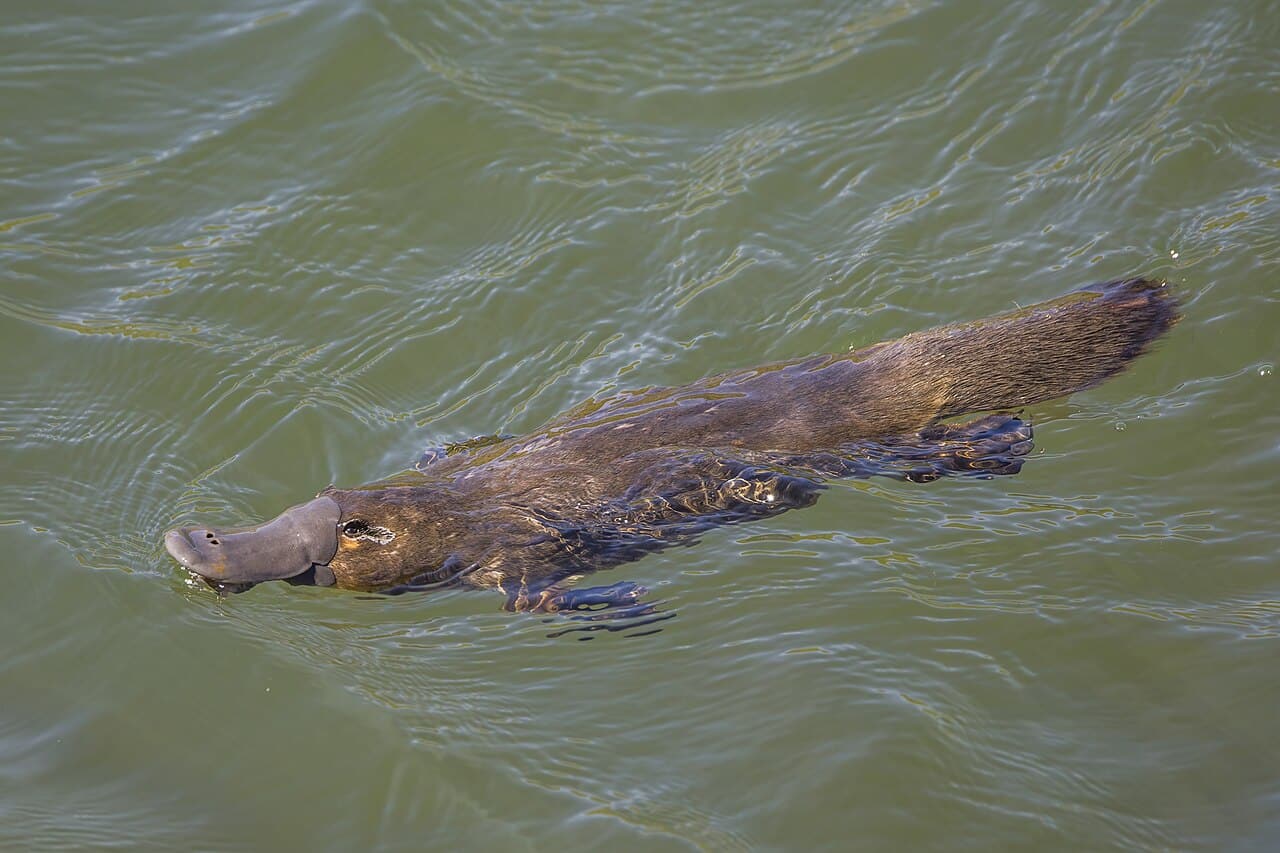
Australia always delivers the strange goods, and this mashup of a duck, beaver, and otter takes the cake. Early British scientists initially thought it was a prank and tried to remove the bill with scissors. It lays eggs yet produces milk, confusing biologists for centuries.
They use electronic sensors in their bills to find prey underwater, like a metal detector searching for shrimp. Male platypuses have venomous spurs on their hind legs that cause excruciating pain to humans. It is a biological puzzle that does not fit into a single category.
The Shoebill Stork

This bird looks like a prehistoric animatronic that escaped from a theme park and decided to haunt the swamps. Standing up to five feet tall, the shoebill possesses a stare that seems to judge your entire existence. They stay totally still for hours before lunging.
Their beak is a massive tool designed to crush lungfish and even baby crocodiles with great force. National Geographic estimates that only 3,300-5,300 of these mature prehistoric giants remain in the wild today. That number makes spotting one a rare privilege.
The Axolotl

Often called the Mexican walking fish, this amphibian looks like a Pokémon with a permanent smile plastered on its face. Unlike other salamanders, they keep their feathery gills and remain underwater their whole lives. It is basically the Peter Pan of the animal kingdom.
Scientists are obsessed with them because they can regrow entire limbs, hearts, and even parts of their brains. The Max-Planck-Gesellschaft study highlights that the genome of this species is 10 times larger than that of humans and holds key insights for regenerative medicine. They are cute but pack serious scientific potential.
The Glass Frog

Imagine looking at a frog and seeing its beating heart right through its skin like a living X-ray. Found in Central and South America, they have translucent bellies that provide extreme camouflage against leafy backgrounds. It is almost like they forgot to put their skin on.
When they sleep on leaves, they actually hide their red blood cells in their liver to become more transparent. This transparency makes them nearly invisible to predators looking up from below. Nature really pulled a disappearing act with this little guy.
The Saiga Antelope

One look at that drooping, trunk-like nose and you might think this antelope walked off the set of Star Wars. That massive schnoz actually helps filter out dust and warms up frigid air during cold winters. They resemble a Dr. Seuss drawing come to life.
While they look funny, they have faced some serious survival challenges over the last few decades. Populations crashed and were dangerously low, but conservation efforts bounced them back to over 3.9 million by 2025. It is a comeback story we love to hear.
The Blue Glaucus

This sea slug is often called the “blue dragon” and looks like a piece of intricate blown glass floating in the ocean. Despite being only an inch long, they feed on the deadly Portuguese man o’ war. Do not let the pretty colors fool you.
They steal the stinging cells from their prey and concentrate them in their own bodies for defense. Touching one can result in a sting far more painful than the jellyfish they just ate. It is small, beautiful, and absolutely dangerous.
Save this article
The Pink Fairy Armadillo

This is the smallest armadillo in the world, and it looks distinctly like a piece of salmon sushi. It has a pink shell and white, fuzzy fur and lives primarily underground on the sandy plains of Argentina. It is elusive and rarely observed by humans.
Unlike its tougher cousins, this little critter can bury itself in seconds if it feels threatened. Biologists know very little about them because they do not survive long in captivity. They are truly one of nature’s greatest mysteries.
The Okapi

At first glance, you would bet money this is a zebra, but look at the head and you see a giraffe. It is the only living relative of the giraffe, sharing a long, purple, prehensile tongue. They live deep in the dense rainforests of the Congo.
They were considered mythical by Westerners until the early 20th century because they are so adept at hiding. Mongabay estimates that approximately 10,000 to 15,000 okapis remain in the wild, largely due to habitat loss. They are secret ghosts of the forest.
The Goblin Shark

This deep-sea dweller resembles a bad practical joke, with its protruding jaw and flabby, pinkish skin. They can shoot their jaw out of their mouth at lightning speed to snatch passing prey. It is essentially the stuff nightmares are made of.
They live in the deep ocean where sunlight does not reach, so they do not need to look attractive. Oceana reports that specimens have been found at depths of 4,265 feet, suggesting that life persists in the dark. You are safe from them at the beach.
The Venezuelan Poodle Moth

Discovered relatively recently, this moth resembles a fuzzy poodle with wings. Its white fur and large black eyes give it a cuddly appearance that is rare for an insect. Internet users went wild when photos first surfaced.
It looks so manufactured that people accused the original photographer of using felt and glue. Scientists are still debating its classification, indicating that we have not yet resolved everything. Nature still has secrets up her sleeve.
The Pangolin

This mammal looks like a walking pinecone or an artichoke with legs. It is the only mammal wholly covered in scales, which are made of keratin just like your fingernails. When scared, they roll into an impenetrable ball.
Their unusual appearance makes them a target for illegal trade worldwide. Wild Africa reports that since 2014, pangolins have been the world’s most trafficked animal, with one poached every three minutes for their scales and meat. We have to do better for these scaly friends.
Disclaimer – This list is solely the author’s opinion based on research and publicly available information. It is not intended to be professional advice.
Like our content? Be sure to follow us.
How Total Beginners Are Building Wealth Fast in 2025—No Experience Needed

How Total Beginners Are Building Wealth Fast in 2025
I used to think investing was something you did after you were already rich. Like, you needed $10,000 in a suit pocket and a guy named Chad at some fancy firm who knew how to “diversify your portfolio.” Meanwhile, I was just trying to figure out how to stretch $43 to payday.
But a lot has changed. And fast. In 2025, building wealth doesn’t require a finance degree—or even a lot of money. The tools are simpler. The entry points are lower. And believe it or not, total beginners are stacking wins just by starting small and staying consistent.
Click here, and let’s break down how.