It’s wild to realize that the stuff you toss today might still be sitting around long after you’re gone.
We buy things, use them, and discard them, rarely considering their ultimate fate. Most of us assume that “away” in the trash bin means gone forever. However, the truth is that many of our common possessions are designed to last. They are engineered with materials that defy decomposition.
Long after humanity has packed its bags or punched its final timecard, what will be left? It might not be the great monuments, but the simple things. This is the stuff that will tell our story, or at least confuse future archaeologists. Get ready to look at your kitchen junk drawer in a new light.
Vinyl Records

That vintage album collection is tougher than you think. Records are made from polyvinyl chloride (PVC), a durable plastic. They were designed to withstand the physical friction of a needle repeatedly dragging through their grooves. This hardness translates to extreme longevity.
PVC is resistant to moisture and biological decomposition. If stored away from direct sunlight, a vinyl record will remain playable for well over 100 years. Left in a landfill, the physical disc will persist for centuries, a silent groove of music waiting to be found.
Glass Jars and Bottles

That pickle jar you just recycled? It has an incredibly long afterlife. Glass is made mainly from silica, or sand, which is highly stable. While we worry about its fragility, glass doesn’t really break down chemically. It just shatters into smaller and smaller, yet still glassy, pieces.
Think about “sea glass” hunters find on the beach; that’s just man-made glass worn smooth by the ocean. The New Hampshire Department of Environmental Services estimates it takes 1 million years for a glass bottle to decompose. It’s safe to say your spaghetti sauce jars will be around for a while.
The Cast Iron Skillet

If you’ve ever inherited Grandma’s skillet, you know these things are tough. Cast iron is heavy, dense, and basically just a lump of refined metal. It’s the cockroach of cookware; a little rust is just a minor inconvenience. You can scour it, re-season it, and it’s good as new.
This durability means they won’t vanish quickly, even if abandoned. While they will eventually rust away to iron oxide, this process takes centuries, even millennia, in a dry environment. These heavy pans will likely be recognizable fossils long after we stop making breakfast.
Stainless Steel Anything

Your trendy stainless steel water bottle or mixing bowl is nearly immortal. Stainless steel gets its “stainless” quality from chromium, which forms a passive, non-reactive layer on the surface. This layer protects the iron underneath from rust and corrosion. It’s the steel’s built-in defense mechanism.
Even if scratched, that protective chromium layer instantly reforms. It’s a self-healing material that scoffs at water and air. Left to the elements, it will far outlast the person who bought it, remaining intact for thousands of years, long after the plastic bottles it replaced have degraded.
LEGO Bricks

Every parent who has stepped on one knows these blocks are indestructible. That bright red 2×4 brick is made of Acrylonitrile Butadiene Styrene (ABS), a tough plastic. They were built to tolerate the toughest audience: children. That means being chewed, thrown, and stepped on without breaking.
This resilience means they remain in the environment as well. A University of Plymouth study estimated LEGOs could survive in the ocean for 100 to 1,300 years. Those little plastic bricks will continue to wash up on beaches for generations.
Ceramic Toilets and Tiles

There’s a reason archaeologists dig up pottery shards from ancient civilizations. Fired clay, or ceramic, is basically artificial rock. Your porcelain throne is one of the most durable items in your house. It’s waterproof, chemical-resistant, and won’t be broken down by bacteria.
While a house fire or earthquake might shatter them, the pieces remain. The material itself won’t decompose for tens of thousands, perhaps even a million, years. Future explorers might find our bathrooms before they find our libraries.
Styrofoam Cups

Save this article
That flimsy white cup holding your coffee is a true survivor, unfortunately. Styrofoam is expanded polystyrene, a plastic filled with air. It is notoriously non-biodegradable, meaning microbes don’t see it as food. It just sits there, breaking into smaller, polluting micro-particles.
It’s lightweight, floats, and crumbles, spreading itself far and wide. Epsole estimates suggest Styrofoam takes 500 years or more to decompose, though some scientists believe it effectively never does. It’s a permanent reminder of our desire for temporary convenience.
Aluminum Cans
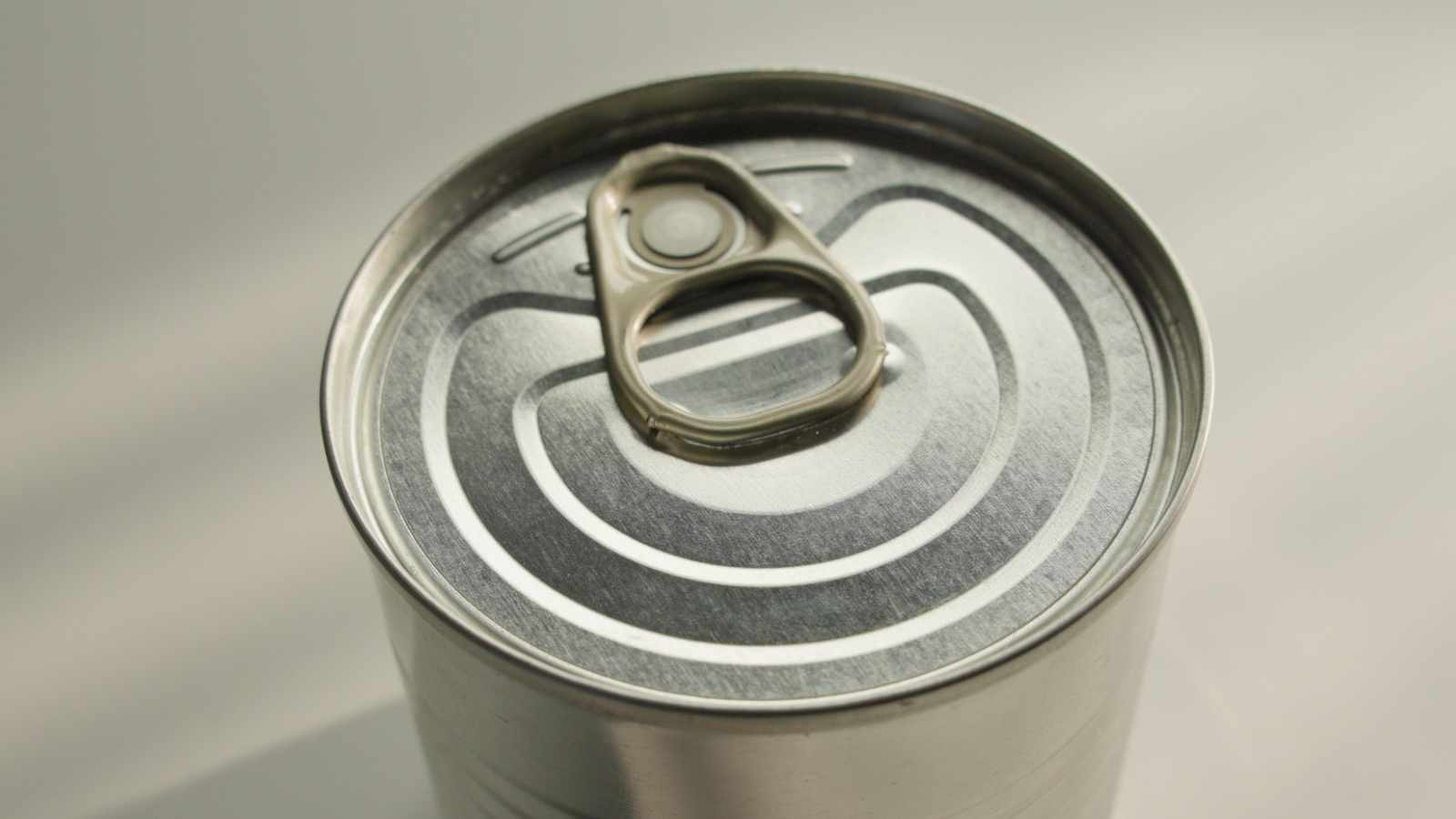
We crush them and recycle them by the millions, but the ones that escape are survivors. Aluminum is a metal that actively protects itself. When exposed to air, it instantly forms a layer of aluminum oxide. This hard, protective coating stops air and water from causing further rust.
This is why aluminum doesn’t “rust away” like iron. An aluminum can left in the wild can take 80 to 200 years to fully decompose. That’s a long time for a soda container.
Plastic Bottle Caps

Wait, just the caps? Yes, because they are often made of polypropylene (Plastic #5). This plastic is different from the PET (Plastic #1) used for the bottle itself. It’s more rigid, more brittle, and unfortunately, less likely to be recycled.
Because they are small and often discarded, they bypass many recycling systems. The Copper Sustainability Partnership says that the recycling rate for polypropylene was less than 1%. These colorful little discs will float on the oceans and litter coastlines for centuries.
Brass House Keys

How many old, unknown keys are sitting in your junk drawer right now? Keys are made of brass, an alloy of copper and zinc. This metal is prized because it doesn’t rust the way iron does.
Brass will tarnish, developing a green patina (copper oxide), but this layer actually protects the metal underneath. It won’t disintegrate or dissolve, even if buried in soil or lost in water. Long after the wooden door has rotted away, the key that locked it will remain.
Synthetic Carpets

The wall-to-wall carpet you’re standing on is likely made of nylon or polyester fibers. These synthetic materials are essentially long chains of plastic. They are resistant to moisture, mildew, and, you guessed it, decomposition.
When you rip out old carpet, it goes to a landfill, where it just sits. The EPA notes that carpets are bulky and account for approximately 2% of all landfill volume by weight. Those plastic fibers will take hundreds of years to break down, forming a comfy, permanent layer of human history.
Disclaimer – This list is solely the author’s opinion based on research and publicly available information. It is not intended to be professional advice.
Like our content? Be sure to follow us.
How Total Beginners Are Building Wealth Fast in 2025—No Experience Needed

How Total Beginners Are Building Wealth Fast in 2025
I used to think investing was something you did after you were already rich. Like, you needed $10,000 in a suit pocket and a guy named Chad at some fancy firm who knew how to “diversify your portfolio.” Meanwhile, I was just trying to figure out how to stretch $43 to payday.
But a lot has changed. And fast. In 2025, building wealth doesn’t require a finance degree—or even a lot of money. The tools are simpler. The entry points are lower. And believe it or not, total beginners are stacking wins just by starting small and staying consistent.
Click here and let’s break down how.