

Avocados have quietly climbed from trendy brunch garnish to bona fide global health superstar. In the U.S., per-capita avocado consumption has skyrocketed by nearly 260% over the last two decades, reflecting a worldwide market now worth around $19–20 billion—and on track to top $25 billion by 2030 as more people embrace plant-forward, health-conscious eating.
But the craze isn’t just about Instagrammable toast. A single avocado delivers heart-friendly monounsaturated fats, roughly 10 grams of fiber, more potassium than a banana, plus folate, vitamin K, vitamin E, and carotenoids like lutein—micronutrients that most Western diets are starving for. It’s creamy, it’s versatile, and it’s quietly revolutionizing the way we eat.
And researchers around the world are finding that people who eat them regularly often have better health markers than those who don’t. Here is what the evidence shows.
Heart Protection and Lower Cardiovascular Risk

For decades, researchers have searched for simple dietary shifts that meaningfully affect heart health. Avocados may be one of them. A 30-year Harvard-affiliated study following nearly 110,000 adults found that eating two or more servings of avocado per week was linked to a 16% lower risk of cardiovascular disease and a 21% lower risk of coronary heart disease.
The researchers didn’t stop there. They modeled what would happen if people replaced half a daily serving of foods like butter, cheese, processed meats, or eggs with the same amount of avocado. The result: significantly lower risk of heart disease. Swapping nuts or olive oil with avocado delivered similar benefits, suggesting avocados simply fit well into heart-healthy eating patterns.
A 2024 systematic review added further evidence, showing that avocado intake lowers total and LDL cholesterol, especially in people with elevated levels, without reducing HDL—a key marker of a favorable lipid profile.
Healthier Blood Fats and Cholesterol Profiles

Some of the strongest evidence for avocados comes from controlled feeding trials, where participants follow tightly monitored diets. In several of these studies, people who ate about one avocado per day for four to five weeks saw clear improvements: lower total cholesterol, lower LDL, and a reduction in oxidized LDL, which is considered more damaging to artery walls.
Other trials testing higher intakes—about 300 grams of avocado daily—found reductions in LDL of up to 23% within a week, along with a small rise in HDL. Scientists point to avocados’ high content of monounsaturated fat and natural plant sterols, which help reduce cholesterol absorption. These features make avocados a natural fit in heart-focused dietary approaches such as Mediterranean and DASH eating patterns.
Support for Weight Management and Body Composition

Now, I’m not saying avocados magically burn fat — they’re fruit, not sorcery. But population studies from the United States and Australia tell a similar story: people who regularly eat avocados tend to have lower BMI, smaller waistlines, and higher diet-quality scores. In National Health and Nutrition Examination Surveys (NHANES) from 2001–2012, typical avocado consumers ate about 76 grams per day and had higher intakes of key nutrients like fiber and potassium, along with lower overall body weight.
In 2021–2022, a randomized family study assigned households either a high-avocado allotment or none at all. Families with steady access to 14 avocados per week naturally consumed fewer calories, less saturated fat, and less sodium, suggesting that avocados may replace less nutritious foods and increase satiety in a way that supports long-term weight management.
Better Blood Sugar Control and Metabolic Health

Avocados are naturally low in carbohydrates, rich in fiber, and high in monounsaturated fat—all factors known to support stable blood sugar. Their glycemic index of around 40 means they do not cause sharp spikes after meals.
Large epidemiologic research shows that replacing saturated fats with unsaturated fats, including those found in avocados, improves insulin sensitivity and reduces type 2 diabetes risk within Mediterranean-style and plant-forward diets.
National survey data also indicate that avocado consumers have lower fasting glucose and show trends consistent with better long-term blood sugar control.
Blood Pressure Support Through Potassium and Magnesium

Potassium is one of the most important minerals for regulating blood pressure, and avocados provide more of it per half-fruit than a banana—about 487 milligrams. Together with magnesium, another mineral found in avocados, potassium helps counteract the effects of sodium and maintain normal muscle and blood vessel function.
Some clinical trials that tested avocado-rich diets also observed improved vascular function after meals, hinting that the benefits may extend beyond cholesterol to the way blood vessels respond and relax.
A Healthier, More Diverse Gut Microbiome
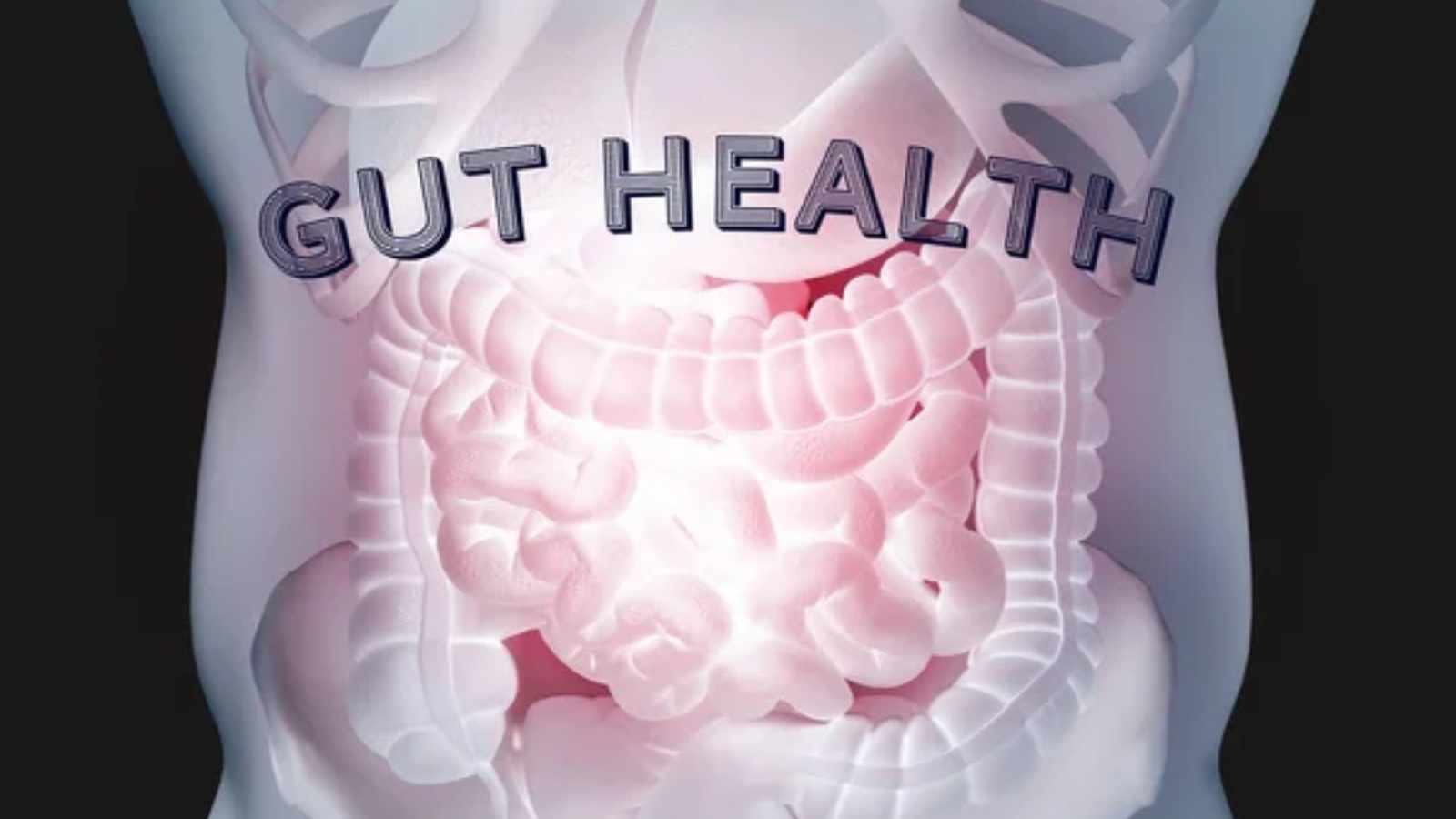
Gut health is having its main-character moment right now, and avocados are totally on trend. In a 12-week controlled trial, participants who ate one avocado daily saw increases in beneficial short-chain fatty acids, greater microbial diversity, and higher bile acid excretion, all linked with improved digestive and metabolic health.
Scientists attribute this to avocados’ mix of soluble and insoluble fiber, which acts as a prebiotic fuel source for beneficial bacteria. Family nutrition interventions show that when avocados enter the home regularly, they often displace refined grains and ultra-processed foods, further supporting a healthier gut environment.
Eye Protection From Lutein and Zeaxanthin

Save this article
Few fruits contain as much lutein and zeaxanthin as avocados—carotenoids that accumulate in the macula, the part of the eye responsible for central vision. These pigments help filter harmful blue and ultraviolet light, providing natural protection against long-term damage.
Large prospective studies link higher intakes of lutein and zeaxanthin with lower risk of age-related macular degeneration and cataracts. A small intervention also showed that eating one avocado per day increased blood lutein levels more effectively than a similar diet without avocado, likely because the fruit’s healthy fats improve carotenoid absorption.
Anti-Inflammatory and Antioxidant Effects

Chronic inflammation plays a role in many diseases, from heart conditions to metabolic disorders. Avocados offer antioxidants such as vitamin E, vitamin C, and multiple polyphenols that help reduce oxidative stress.
Several trials also report reductions in oxidized LDL particles when avocados replace saturated fat sources—an important marker of lower inflammatory activity in the arteries.
Reviews emphasize that the combination of monounsaturated fats and antioxidants supports healthier endothelial function, helping blood vessels respond better to everyday metabolic demands.
Higher Overall Diet Quality

One consistent finding across national surveys and intervention studies is that avocado consumers tend to have significantly better diet quality. They usually eat more fiber, more monounsaturated fats, more vitamins and minerals, and fewer sources of sodium and saturated fat.
In family studies, providing a weekly supply of avocados led to noticeable reductions in refined grains, processed meat, and high-sodium snacks. Researchers say avocados work partly because they replace less nutritious spreads and toppings—such as butter, mayonnaise, and processed cheese—while encouraging increased fruit and vegetable intake.
Potential Brain and Cognitive Benefits

Although research in this area is still emerging, scientists see promising signs that avocados’ nutrients may support brain health. The fruit’s monounsaturated fats help maintain healthy blood flow, while lutein, folate, and vitamin E are involved in protecting neurons from oxidative stress.
Studies have linked higher lutein levels—which can rise with regular avocado intake—to better cognitive performance, memory, and brain function in older adults. Small dietary trials involving monounsaturated-fat-rich foods have also shown improvements in attention and working memory, suggesting a possible role for avocados in long-term cognitive support.
A Fit for Many Dietary Patterns and Public Health Strategies
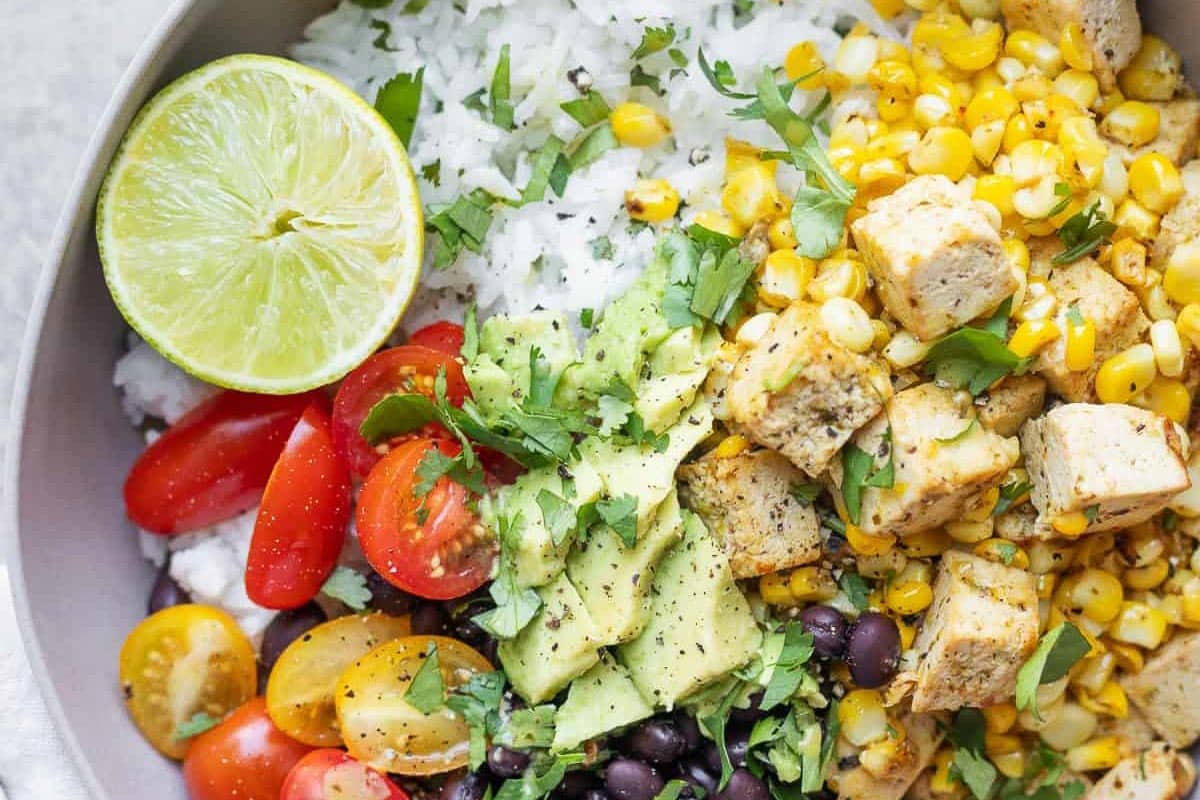
Paleo, keto, plant-based, Mediterranean, DASH, low-carb, gluten-free… avocados don’t care. They fit into pretty much every popular diet plan. They’re naturally cholesterol-free, low in sodium, and rich in unsaturated fats.
Public health researchers note that incorporating avocados into culturally familiar meals can help reduce saturated-fat consumption, especially when paired with nutrition education.
While some studies on avocados receive industry funding, a broad collection of independent cohort studies, randomized trials, and mechanistic research consistently points to genuine cardiometabolic benefits—particularly when avocados replace less healthy dietary fats or processed foods.
Final Thoughts

So yeah — avocados aren’t just Instagrammable. They’re genuinely one of the most nutrient-dense, versatile, and scientifically supported foods you can add to your routine. Mash them, slice them, blend them, or turn them into guac (the superior form, IMO) — your heart, gut, brain, eyes, and blood vessels all get something out of it.
Next time someone rolls their eyes at your avocado toast, feel free to hit them with “Actually, it’s scientifically linked to better cardiometabolic outcomes.” Then take a big bite for dramatic effect 🙂
Disclaimer – This list is solely the author’s opinion based on research and publicly available information. It is not intended to be professional advice.
Disclosure: This article was developed with the assistance of AI and was subsequently reviewed, revised, and approved by our editorial team.
20 Odd American Traditions That Confuse the Rest of the World

20 Odd American Traditions That Confuse the Rest of the World
It’s no surprise that cultures worldwide have their own unique customs and traditions, but some of America’s most beloved habits can seem downright strange to outsiders.
Many American traditions may seem odd or even bizarre to people from other countries. Here are twenty of the strangest American traditions that confuse the rest of the world.





