

You are standing in your grandma’s kitchen, watching her stir something or other in a pot that smells so good you’re pretty sure it could solve world peace. No recipe, no measurements, just pure culinary instinct and a whole lot of love. Then you realize… that same dish would have the food police knocking on her door today.
From everything bathed in butter to questionable meat storage to sugar levels that would make a dietitian cry, the dishes from grandma didn’t play by the rules, but they sure were delicious. In today’s world of avocado toast, gluten-free everything, and air fryers, these old-school classics would be considered culinary rebels.
A complete 68% of home cooks now prioritize health-conscious recipes, says the Taste of Home white paper, a number that has surged in just the last three years and is fundamentally reshaping our dinner tables.
In this article, we’ve quantified the gastronomic rebellion and calculated the exact costs of tradition in a world obsessed with optimization.
Lard-based pie crusts

Grandma’s flaky, impossibly tender pie crust owed its magic to one ingredient: rendered lard. Modern nutrition science, on the other hand, flags its saturated fat content. The American Heart Association’s updated guidelines unequivocally state that saturated fats should make up less than 6% of a person’s daily calories, a threshold that one slice of apple pie with a lard crust might easily exceed.
Consumers are now aggressively seeking alternatives, driving worldwide demand for vegetable shortening. Choosing a substitute for butter or coconut oil may feel like a prudent health investment. Still, any baker will confess to sacrificing texture and that irreplaceable, savory depth that defines an actual country pie.
Canned fruit cocktail in “heavy syrup”

A mid-century staple, ambrosia salad, or, for that matter, most any gelatin mold, was loaded with syrupy canned fruit. These days, heavy syrup is a veritable delivery system for sugar. The FDA’s new and improved nutrition labels boast “Added Sugars” in bold, and one half-cup serving of this retro cocktail packs more than 20 grams, almost the entire American Heart Association’s daily limit for women.
We now know that this spike in sugar disrupts metabolic health, and a new demand has been created for fruit packed in juice or water. This pivot seems minor on the supermarket shelf, but it dramatically recasts the nostalgic flavor profile, trading that cloying sweetness for a milder, arguably less exciting, tang.
Liver and onions

Once a weekly ritual for building “strong blood” with its immense iron and vitamin A content, liver has fallen from grace. Concerns about cholesterol and its role as the body’s filter organ that concentrates environmental toxins have led to a decline in consumption. According to ERS documentation and historical analyses, the availability of organ meat has declined since 1970.
The very qualities that made it a nutritional powerhouse now deter modern diners. But for many, the very idea of liver challenges a palate attuned to boneless, skinless chicken breasts.
Full-fat, whole milk

The milk that sat on Grandma’s table was whole, creamy, and unapologetic. The health-conscious 80s and 90s waged a successful war on fat, championing skim in its place. That movement managed to carve out a huge market share; at one point,
A recent study by PubMed suggests the fats in whole milk may aid nutrient absorption and promote satiety, sparking a modest revival. However, the decades-long public health campaign cemented “whole” as “unhealthy” in the consumer psyche, making Grandma’s default choice feel like an indulgent, calculated risk rather than a simple beverage.
Jell-O molds with canned meat

The tomato aspic or lime Jell-O mold studded with canned shrimp or Vienna, the terrifying beauty of a bygone era, broke all modern rules of culinary taxonomy.
The dish has high-sodium processed meats, questionable textural combinations, and artificial colors.GlobeNewswire’s projection notes that the food colors market is expected to exceed USD 7.79 billion by 2034, driven by strong growth in “natural and plant-based pigments.” The very market for artificial food colorants is beginning to shift under pressure from consumers seeking natural alternatives such as beet juice and turmeric extract.
It is an era of convenience and novelty that predates our obsession with whole foods. The very concept now feels alien, a culinary experiment most wouldn’t dare attempt, proving some rules exist for a very good reason.
High-sodium casserole creams

Cream of Mushroom soup was the duct tape of Grandma’s kitchen, binding green bean casseroles and tuna bakes into cohesive, salty, creamy comfort. A single can can deliver over 1,800 mg of sodium, edging precariously close to the FDA’s recommended 2,300 mg daily limit.
This has forced a strategic reformulation in home kitchens. Today’s cooks are making their roux-based sauces from scratch, with low-sodium broths and fresh mushrooms. The flavor control is better, but it also adds 20 minutes of prep time to a recipe designed for maximum efficiency, trading convenience for a healthier bottom line.
Fried foods

Before air fryers promised “guilt-free” crunch, Grandma’s fryer bubbled with everything from chicken to pies. According to the 2023 International Food Information Council report, 58% of consumers actively try to limit fried foods, citing health concerns about trans fats and acrylamides, compounds formed during high-heat cooking that the WHO has flagged as a potential health concern.
Deep-frying was an operationally expensive process, from the quarts of oil to the constant smell and safety hazards involved. Today, that same crispiness comes with a much higher premium in calories and cleaning.
Save this article
Pan drippings gravy- unthickened

Grandma’s gravy was a masterclass in resourcefulness: flour, pan drippings, and a splash of stock. This, however, yields a sauce full of saturated fat and refined carbohydrates. A simple quarter-cup serving can pack 6 grams of fat and become a substantial source of empty calories on an otherwise balanced plate.
Modern cooks still use cornstarch or arrowroot slurries to achieve the same shiny finish with a marginally more transparent calorie ledger. This tweak preserves the ritual and rich flavor but subtly reworks the velvety, unctuous mouthfeel that made the original so desirable-a proof that even small health swaps have a tangible impact on tradition.
Sugar-laden “salads”

Pistachio fluff, “watergate” salad, and other congealed desserts masquerading as salads leveraged instant pudding mixes, canned fruit, and whipped topping. These are sugar landmines; a typical recipe can include more than 60 pounds of added sugar per serving, doubling the AHA’s recommended daily maximum.
They directly conflict with the modern definition of a salad, which prizes above all else leafy greens, lean proteins, and vegetable-based fats. These desserts represent a time when sugar was something lauded rather than treated as a public health villain, and this means a profound cultural shift in how we categorize and celebrate food.
Butter as a primary cooking fat

Butter made everything better, from sautéed vegetables to a slice of toast. While butter sales remain strong, the rise of avocado oil, olive oil, and ghee has fragmented the cooking fat market. According to a Renub Research report, ResearchAndMarkets, the global olive oil market is projected to reach US$17.93 B by 2028.
This diversification reflects a more nuanced understanding of fats. While Grandma reached for butter for its reliable flavor and availability, today’s cook is making a strategic choice based on smoke point, flavor profile, and fat composition, turning what would have been a simple ingredient selection into a calculated dietary decision.
Organ meats in stuffing and stews
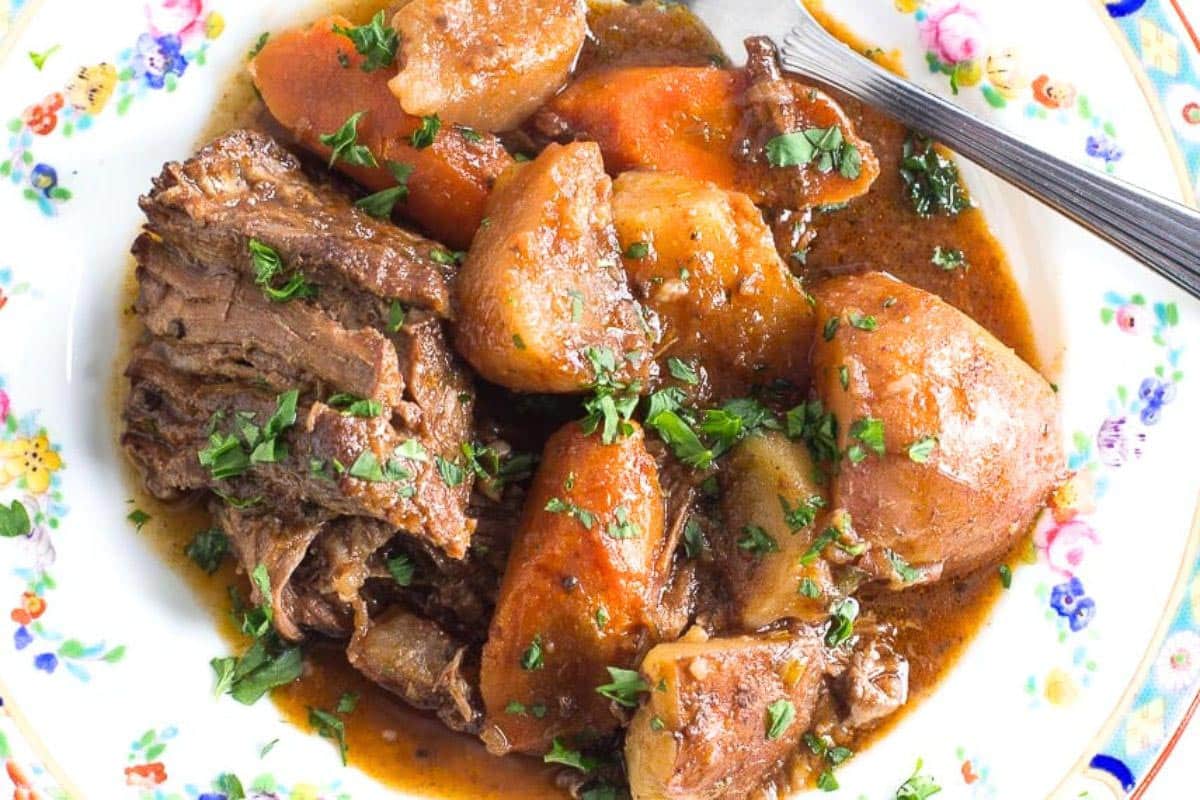
Grandma’s giblet gravy and heart-and-kidney stews honored the whole animal, minimizing waste and maximizing nutrition. The modern palate is largely separated from the realities of butchery, and as a result, it often finds organ meats unappealing due to their robust flavors and textures.
This has relegated them to a niche, “adventurous eating” category.
This disconnect means a vast source of affordable, sustainable protein goes underutilized. While celebrity chefs and sustainability advocates push “nose-to-tail” eating, mainstream adoption remains low, proving that cultural taste preferences can override both economic and environmental logic.
Home-canned non-acidic vegetables

Food preservation was an integral part of the summer harvest, but we now know that Grandma’s method for canning green beans or corn in a boiling-water bath carried a risk. Low-acid foods must be processed in a pressure canner to eliminate the risk of botulism, a rare but potentially fatal foodborne illness.
This is not about nutrition; this is about unyielding food safety. Generations of traditional canning practices are rendered void under this rule, to be replaced by more stringent, scientifically approved procedures. This is one rare instance where a loved tradition has not been updated, but it’s been entirely invalidated for our protection.
Key takeaways

Grandma’s cooking now stands at the fascinating crossroads of nostalgia and modern nutritional science, a testament to resourcefulness and love. Evolving guidelines on fat, sodium, and sugar have fundamentally redefined our platonic ideal of a “healthy” meal, making many of our classic dishes non-compliant.
The surge in health-conscious consumerism, inspired by updated FDA labeling and nutritional research, has shifted our shopping towards whole foods and natural substitutes.
They were created for a different set of priorities: fighting scarcity, achieving maximum flavor with available ingredients, and efficiently feeding a family. These dishes teach us, above all, that our relationship with food is never static; it is a dynamic ledger constantly balanced between the comfort of tradition and the calculated investments of modern wellness.
Disclaimer – This list is solely the author’s opinion based on research and publicly available information. It is not intended to be professional advice.
Disclosure: This article was developed with the assistance of AI and was subsequently reviewed, revised, and approved by our editorial team.
20 Odd American Traditions That Confuse the Rest of the World
20 Odd American Traditions That Confuse the Rest of the World
It’s no surprise that cultures worldwide have their own unique customs and traditions, but some of America’s most beloved habits can seem downright strange to outsiders.
Many American traditions may seem odd or even bizarre to people from other countries. Here are twenty of the strangest American traditions that confuse the rest of the world.





