The internet once felt like an all‑you‑can‑eat buffet of free perks. Today, that feast has been fenced off with paywalls, premium buttons, and monthly charges that quietly pile up.
Companies discovered that convenience and time are commodities. Data from Qualtrics XM Institute shows that 72% of consumers are willing to pay extra for premium experiences, with two-thirds willing to spend specifically for better customer service.
Wi-Fi on flights starting at $5.99 and apps like Spotify, Dropbox, and Duolingo that restrict core features behind subscriptions show that ‘free’ is now merely a tactic to attract users.
Email Services (Extra Storage & Features)

I remember when creating an email account felt like unlocking endless digital space. Back then, “unlimited storage” seemed permanent. Today, Gmail and Outlook cap free accounts at 15 GB, and both aggressively promote paid storage plans starting at $1.99/month for 100 GB.
As Google notes, “All accounts come with up to 15 GB of storage… Upgrades start at $1.99/month.” Since email underpins work, banking, and personal life, monetizing convenience makes sense. Still, it’s striking how quickly “unlimited” became tiered, with price tags attached proving that, as Clive Humby once said, “Data is the new oil.”
Music Streaming

Back in the day, music meant radio dials and messy MP3 playlists. Streaming felt revolutionary when it arrived free with ads, but the model quickly shifted. Now, convenience is a subscription business:
Spotify counts over 230 million premium subscribers out of over 600 million users, while Apple Music has 108 million paying listeners generating billions in revenue.
As the RIAA notes, streaming makes up 84% of U.S. music industry revenue. It’s striking that we’ve moved from owning songs outright to essentially renting access to them. Or as one critic put it, ‘We don’t own music anymore; we rent it.’
Mobile Apps

Apps once felt complete; download them, and you had the full experience. Now, most arrive labeled “free,” but within minutes, you’re staring at a paywall. Want extra features? Pay. Want to remove ads? Pay. Do you want to actually enjoy the app without interruptions? That’s another payment.
The freemium model dominates today, with developers earning more from in-app purchases than upfront costs. From a business perspective, it’s a smart and sustainable approach. From a user’s perspective, though, it often feels like you’re only getting half a product unless you upgrade.
Public Wi-Fi
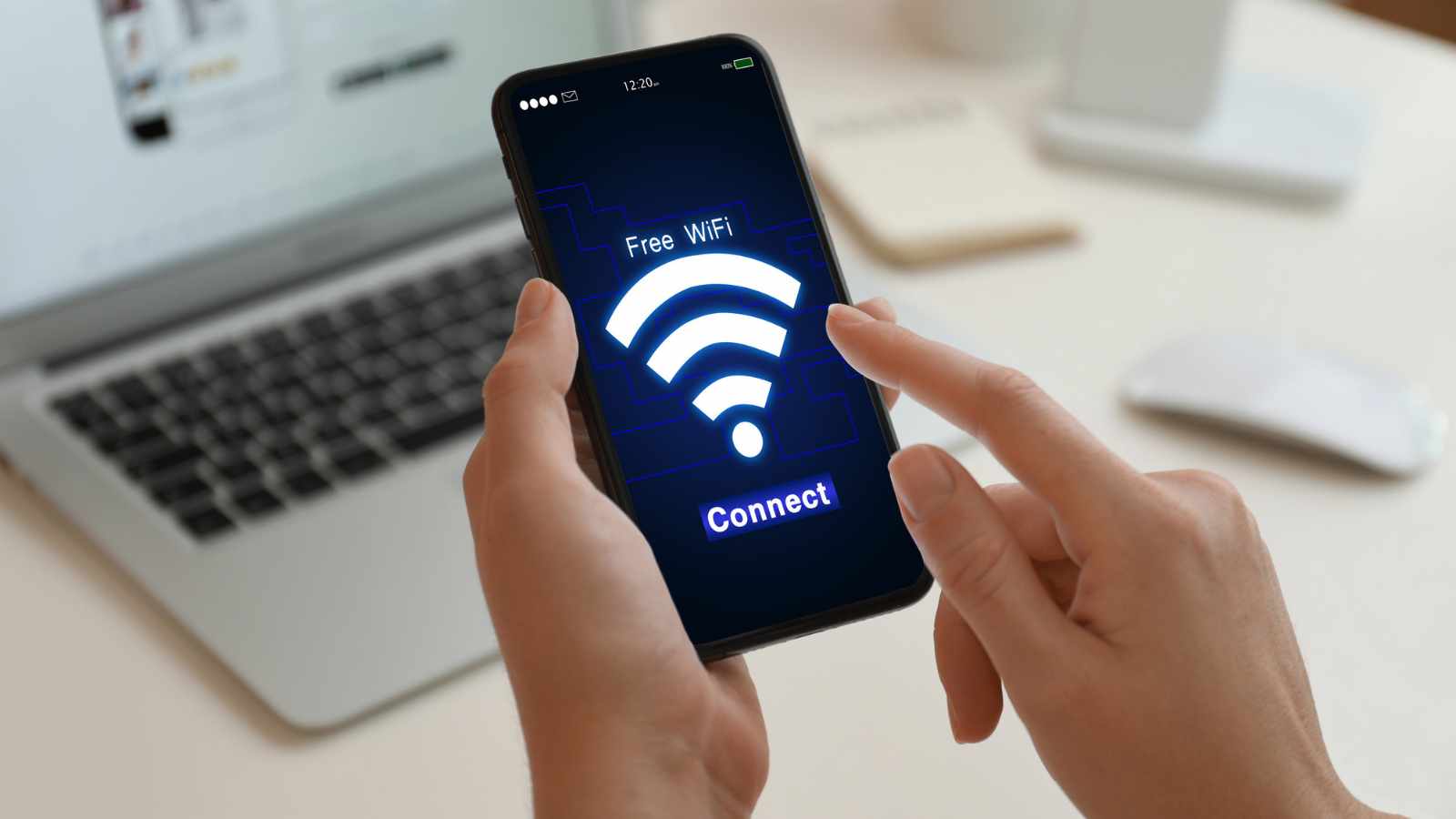
Airports and hotels have taken this even further, offering “basic free Wi‑Fi” that barely loads a webpage, while charging extra for usable speeds.
At LAX and JFK, Boingo Wireless runs premium networks, while hotels like Marriott and Hilton restrict high‑speed access to paying guests or loyalty members.
Airlines such as Spirit charge $5.99 per flight for reliable Wi‑Fi, and American Airlines limits free high‑speed access to loyalty program members.
The result is a two‑tier system: what’s advertised as free often feels like a teaser, leaving travelers frustrated when basic service fails to meet modern needs.
Online News

There was a time when clicking on an article meant you could read it from start to finish. Now, many sites block access after just a few paragraphs with a paywall. As advertising revenue declines, news outlets increasingly rely on subscriptions to sustain themselves.
Major publications like The New York Times and The Washington Post have led this shift, building strong digital subscription models. From a business perspective, it’s understandable that they need funding to support quality journalism.
Still, as a reader, it can feel frustrating when you want to access a single article without committing to a plan.
Cloud Storage

Cloud storage once felt like a generous perk, sign up and get gigabytes free. However, over time, those limits shrank, and upgrading became almost unavoidable.
Today, Google caps free accounts at 15 GB, Dropbox at just 2 GB, and Apple’s iCloud at 5 GB, with paid plans starting at $0.99–$1.99/month. As TechRadar notes, “Cloud storage has become as essential as electricityyou don’t think about it until it’s gone.”
In response, services now aggressively push premium tiers, turning necessity into business. This shift from free abundance to paid necessity illustrates how convenience itself has become a business model.
Gaming (Online Play & DLCs)

Save this article
Gaming once meant buying a full title and enjoying everything it had to offer. Today, the model has shifted to where you pay for the game, then pay again for online access, and often pay more for downloadable content (DLCs).
Consoles like PlayStation and Xbox require subscription fees to play online, and microtransactions add yet another layer of cost. What used to be a one‑time purchase has become a long‑term financial commitment.
Many players have bought a “full” game that still feels incomplete after spending more.
TV and Movies

Cable was once the pricey way to watch TV, so streaming services emerged as the cheaper alternative. Ironically, that promise has faded. Today, you often need multiple subscriptions to access all the shows you want.
Netflix, Disney+, Amazon Prime, and countless others quickly add up, turning “cord‑cutting” into a new kind of bundle. I once tallied my subscriptions and realized I had basically rebuilt cable, only with sleeker branding and separate apps. Funny how the cycle came into full circle.
Software Tools

Cable was once the pricey way to watch TV, so streaming services were once a one‑time purchase: you paid once and owned it outright. Today, nearly everything runs on subscriptions.
Adobe sets the tone with its Creative Cloud, shifting Photoshop and other tools into monthly plans. Microsoft Office soon followed with Office 365, now Microsoft 365, built around recurring payments.
From a company’s perspective, this model ensures steady revenue and ongoing updates. From a user’s perspective, though, it often feels like you never truly own the software anymore, just rent access to it.
Maps and Navigation Features
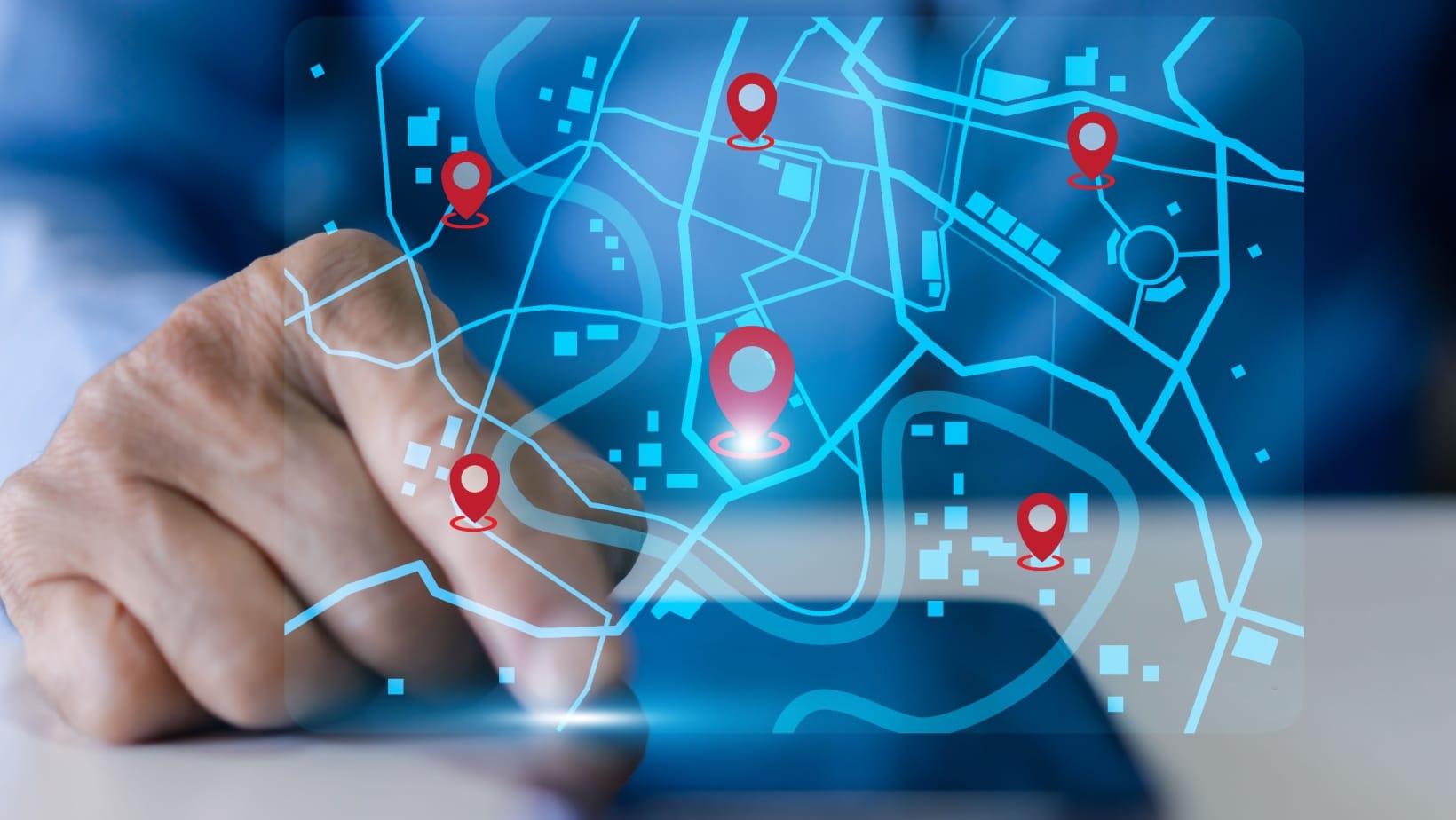
Basic navigation features remain free, but many apps now reserve advanced options behind a paywall. Offline maps, ad‑free experiences, and enhanced tools often require subscriptions or one‑time purchases.
Google Maps still dominates with broad free access, yet competitors monetize more aggressively, nudging users toward premium tiers. It’s a subtle shift, but noticeable: “free” rarely means fully functional anymore. What once felt like open access has gradually become a tiered system in which convenience and completeness come at a cost.
Customer Support

Premium customer support is no longer a fringe idea. Surveys show that roughly 72% of consumers are willing to spend extra for premium experiences, and about two-thirds would pay specifically for better customer service (Qualtrics XM Institute).
Companies are capitalizing: airlines, software providers, and even banks now offer priority support tiers, effectively turning customer service into a paid upgrade. As CX Dive notes, “Businesses are testing paid tiers for customer service and support to unearth new revenue streams, manage costs and offer higher levels of service for specific customer segments.”
In practice, this means those willing to spend more get heard sooner, while everyone else waits. It’s a slippery slope; access to help becomes less about urgency or need and more about who can afford it.
Social Media Reach

Social media began as a free way to connect and grow organically, but that landscape has changed. Today, if you want meaningful reach, especially for business or brand promotion, you often must pay.
Platforms like Facebook and Instagram limit organic visibility, making boosted posts and ads the primary way to reach audiences.
I’ve seen content barely reach followers unless it’s promoted, which shows how “free exposure” isn’t really free anymore. What started as open access has evolved into a pay‑to‑play system where visibility depends on budget.
Final Thoughts

In the end, what changed isn’t just the disappearance of “free” perks; it’s the realization by companies that convenience, access, and time are commodities people will pay for. Subscriptions, paywalls, and premium tiers all reflect that shift.
Sometimes the trade feels worthwhile, offering smoother experiences or better service; other times it feels like paying to avoid frustration. The bigger question is whether we’re truly buying value or simply renting relief from inconvenience.
Disclaimer: This list is solely the author’s opinion based on research and publicly available information. It is not intended to be professional advice.
Like our content? Be sure to follow us.