

Roughly 46% of Americans say they do not view capitalism positively as of 2025, according to Gallup polling. This marks a decline from 60% positive views in 2021, showing growing skepticism toward the system.
It’s funny how we can wake up feeling perfectly fine, then somehow end the day questioning our worth without anything major even happening. I’ve had days where one ad, one email, or one awkward checkout moment quietly flipped my mood.
Capitalism doesn’t usually shout when it messes with self-esteem; it whispers. And those whispers sneak into very ordinary moments we barely notice until they pile up.
Productivity becomes your personality

Somewhere along the way, being busy turned into a badge of honor. When people ask how you’re doing, “busy” often feels like the safest answer. Research from the American Psychological Association shows that burnout and stress are at all-time highs across professions, with productivity demands being a major driver.
On slower days, it’s easy to feel lazy or behind, even if rest is exactly what you need. Ever catch yourself feeling guilty for doing nothing, even when nothing was scheduled?
Your income feels like a scorecard

Money quietly becomes a shortcut for measuring success. Even when we know it’s not the full picture, paychecks still carry emotional weight.
A large-scale psychology study found that financial satisfaction is more strongly linked to current well-being, while income levels better predict long-term changes in well-being. You can be financially stable and still feel inadequate if someone else earns more. That comparison game rarely ends well.
Social media highlights economic gaps

Online feeds rarely show financial struggle in real time. Instead, we see vacations, home upgrades, and lifestyle wins.
This intensifies economic comparison, especially among younger adults. Even when you know it’s curated, it still stings.
Also on MSN: 10 Gentle Reminders for Anyone Who Feels Burnt Out
Ads suggest you’re always one upgrade away
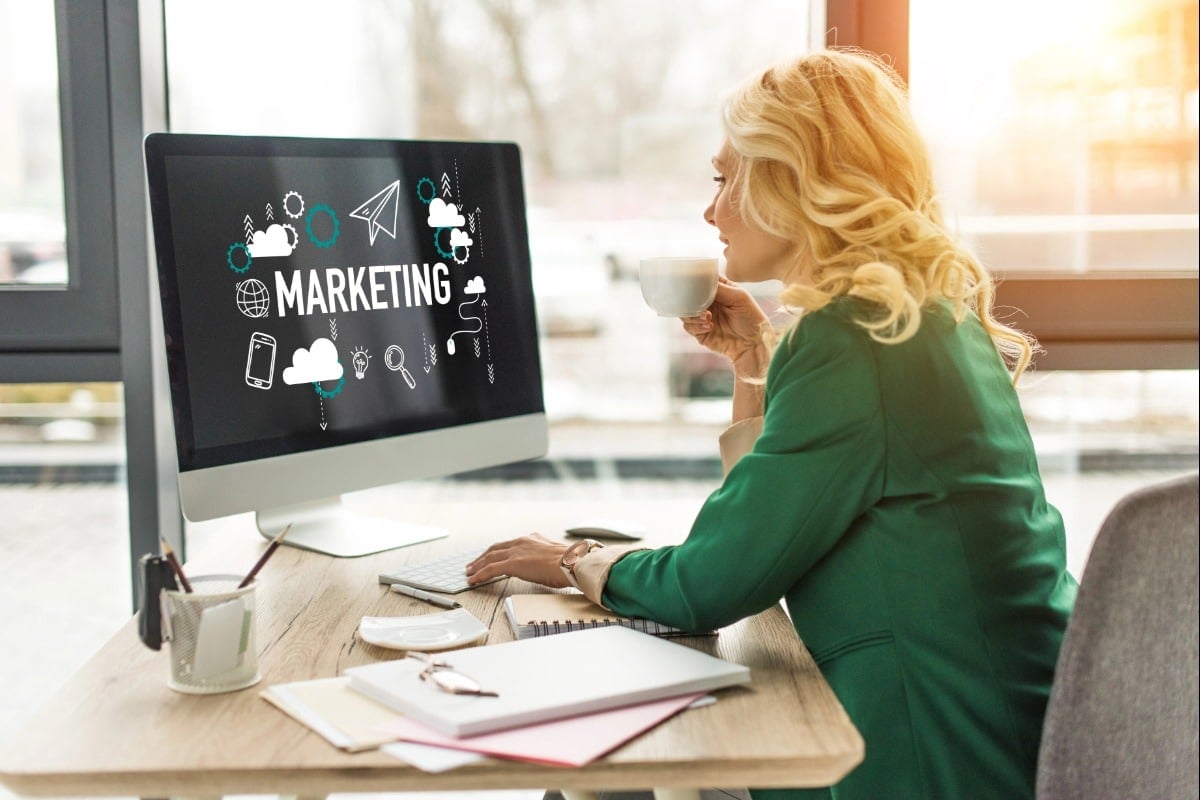
Marketing thrives on making normal feel insufficient. The average American sees between 4,000 and 10,000 ads per day, many of which subtly point out what you lack.
Over time, this can chip away at your self-image without you realizing it. You weren’t unhappy with your phone until a commercial told you it was outdated. Isn’t it strange how contentment can vanish so quickly?
Shopping becomes emotional regulation

Retail therapy exists for a reason. Buying something new can temporarily lift mood, which is linked to dopamine spikes.
The crash afterward can feel personal, like you fell for something silly. Over time, self-worth can get tangled up in what you can afford. That’s a challenging loop to break.
Success stories ignore survival stories

We’re flooded with narratives about entrepreneurs who “made it.” Fewer stories highlight people who worked hard and stayed afloat, which is most people.
Unrealistic success benchmarks can lower self-evaluation. If success only looks one way, everything else feels like failure. But survival itself takes effort.
Job titles start to define self-worth

“What do you do?” is often the first question we ask new people. It sounds harmless, but it carries a lot of weight. Occupational prestige heavily influences how people are treated and how they see themselves.
If your job isn’t flashy or doesn’t match your education, doubt can creep in. Even meaningful work can feel small if it doesn’t come with status.
Education becomes a lifelong debt marker

Save this article
Higher education is often framed as the path to security. Yet student loan debt in the U.S. has surpassed $1.8 trillion.
Carrying that debt can quietly erode confidence, especially when outcomes don’t match expectations. Feeling behind financially can bleed into how capable you feel overall. It’s hard not to internalize systemic problems.
Time becomes a commodity, not a need

When time equals money, slowing down feels risky. People often judge themselves harshly for not using every hour efficiently.
Even hobbies can start to feel unproductive. When did enjoyment start needing justification?
Hustle culture turns rest into failure

Rest used to be neutral. Now it can feel suspicious. Reports show that around 63% of workers regularly check emails outside work hours, even when not required to.
When downtime feels undeserved, self-esteem takes a hit. Have you ever relaxed and still felt like you were doing something wrong?
Worth gets tied to buying power

Being able to afford specific experiences opens doors socially. When money limits participation, it can feel personal instead of structural. Financial barriers can affect self-esteem and a sense of belonging.
You might skip events not because you don’t want to go, but because it’s complicated to explain why you can’t. That silence can feel heavy.
Personal value gets confused with market value

Capitalism is excellent at assigning prices, not meaning. When everything has a cost, it’s easy to internalize the idea that value must be earned constantly.
That mindset can quietly follow you home, into relationships and self-talk. You start measuring yourself instead of understanding yourself. And that’s a heavy thing to carry.
Key takeaways

Capitalism shapes self-esteem in subtle, everyday ways that often feel personal but aren’t. Many of these pressures come from systems designed for profit, not well-being.
Noticing them can create space for gentler self-talk and better boundaries. Sometimes the most radical thing you can do is stop measuring yourself by someone else’s scoreboard.
Disclaimer – This list is solely the author’s opinion based on research and publicly available information. It is not intended to be professional advice.
Disclosure: This article was developed with the assistance of AI and was subsequently reviewed, revised, and approved by our editorial team.
20 Odd American Traditions That Confuse the Rest of the World
20 Odd American Traditions That Confuse the Rest of the World
It’s no surprise that cultures worldwide have their own unique customs and traditions, but some of America’s most beloved habits can seem downright strange to outsiders.
Many American traditions may seem odd or even bizarre to people from other countries. Here are twenty of the strangest American traditions that confuse the rest of the world.
20 of the Worst American Tourist Attractions, Ranked in Order

20 of the Worst American Tourist Attractions, Ranked in Order
If you’ve found yourself here, it’s likely because you’re on a noble quest for the worst of the worst—the crème de la crème of the most underwhelming and downright disappointing tourist traps America offers. Maybe you’re looking to avoid common pitfalls, or perhaps just a connoisseur of the hilariously bad.
Whatever the reason, here is a list that’s sure to entertain, if not educate. Hold onto your hats and explore the ranking, in sequential order, of the 20 worst American tourist attractions.





