

Have you ever found yourself carefully washing a Ziplock bag? Or maybe you feel a tiny thrill when you turn leftover chicken into a whole new meal? These aren’t just quirky habits; they’re financial blueprints, drawn up for us long before we even knew what a budget was.
It sounds wild, but our core money habits are often set by the time we’re just seven years old, according to a 2013 study from Cambridge University. While we were busy learning to tie our shoes, we were also absorbing powerful, yet unspoken, lessons about money and finances.
Here are 12 ingrained habits that many of us still carry.
You’re a Master of Leftovers

You don’t just see a half-eaten roast chicken in the fridge. You see a game plan: chicken sandwiches for lunch tomorrow, a rich broth from the bones on Wednesday, and a hearty soup to finish the week.
This is a creative mindset of “waste not, want not” that was often baked into us during childhood, especially if our parents were stretching a tight budget. It’s a direct echo of the resourcefulness that defined the Great Depression, when every scrap of food was a precious resource.
The impact is huge. The average American family of four throws out a staggering $1,600 in produce alone every year. On a larger scale, the U.S. discards nearly 40 million tons of food annually, accounting for 22% of the waste in our landfills.
This old-school habit has a cool, modern twist, too. Food-waste reduction apps like Too Good To Go have exploded in popularity, with over 50 million downloads. The app lets you “rescue” delicious, unsold food from local restaurants and stores at a huge discount. It turns saving food into a fun, tech-savvy mission.
Cooking From Scratch is Your Default Setting

When a recipe calls for a cake, you instinctively reach for flour and eggs, not a pre-made mix. Your pantry is a fortress of staples—rice, beans, pasta, spices—ready for any culinary mission. This habit often comes from growing up with parents or grandparents who lived by the simple, powerful belief that “everything made at home is better for you than store-bought.”
And they were right, especially when it comes to your wallet. The numbers are pretty stark: a home-cooked meal costs, on average, around $4 to $6 per person. A similar meal from a restaurant? You’re looking at $15 to $20 or more. That’s a huge difference.
It’s not just about money, either. Research shows that planning your meals is linked to a healthier, more diverse diet. One study even found that people who spend more than an hour a day on food prep tend to eat more fruits and vegetables.
You See Potential in a Worn-Out Pair of Jeans

A shirt is missing a button. A favorite pair of jeans has a hole in the knee. For many, this is a trip to the trash can. For you, it’s a trip to the sewing kit. This is the “make do and mend” philosophy, a practical skill passed down from generations who understood that things were meant to last.
This quiet act of repair is more powerful than you might think. A report from the environmental NGO WRAP states that for every five items of clothing we repair, we avoid buying four new ones. That’s a huge impact! Mending a simple hole in a wool sweater instead of replacing it saves over 16 kilograms of CO2e; that’s enough energy to leave a lightbulb on for over 50 days.
“Thrift Store” is Your Favorite Designer

You know the thrill. Sifting through racks of clothes and discovering that one-of-a-kind gem for a fraction of its original price. For many of us, thrifting started as a way to save money, but it often blossoms into a full-blown love for unique, sustainable, and well-made fashion.
Choosing secondhand is one of the most impactful environmental decisions you can make with your wardrobe. It’s also an ethical choice. Thrifting is a direct vote against the “fast fashion” industry, which has faced heavy criticism for its labor practices. As activist Livia Firth puts it with a powerful analogy, “Fast fashion is like fast food. After the sugar rush, it just leaves a bad taste in your mouth”.
You’re a Pro at the “Hand-Me-Down” Handoff

In your family, a really good winter coat might have a life story that spans three kids, two cousins, and a decade of adventures. This is the culture of the hand-me-down, a beautiful and practical tradition that’s a cornerstone for many families. It’s about seeing the enduring value in something that’s simply been outgrown, not used up.
The impact of this simple act is enormous. Americans throw away over 81.5 pounds of clothing per person every single year, and a shocking 85% of it ends up in a landfill. Hand-me-downs are a direct and powerful counterpunch to that waste.
But it’s about more than just clothes and money. The act of passing items on teaches kids profound lessons about sharing, community, and being grateful for what they have. It builds a sense of connection.
You’re a DIY Daredevil (Sometimes)

When the kitchen sink starts to drip, your first thought isn’t to call a plumber; it’s to check YouTube. This self-reliant spirit often comes from watching our parents tackle repairs themselves, teaching us that with a little patience, we can often be our own solution.
It’s a popular instinct. A survey by Angi found that 81% of homeowners have taken on a DIY project, with saving money being the top motivator for 62% of them. However, the path of the DIYer is paved with good intentions… and a few mishaps. The same survey found that nearly 80% of people made a mistake during their project, and 47% said it ended up being more expensive than they expected.
The real return on investment isn’t always financial. It’s the confidence gained, the new skills learned, and the deep satisfaction of having built or fixed something with your own two hands.
You Trust the Store Brand

You’re in the grocery aisle, looking at two cans of diced tomatoes. One has a famous logo and a higher price tag. The other is the store’s own brand, which costs 40 cents less and has the exact same ingredients. For you, it’s a no-brainer. This is a habit of rational, value-focused thinking, likely learned from a parent who knew that a fancy label doesn’t change what’s inside the can.
This simple choice has a massive economic impact. In 2023 alone, generic and biosimilar drugs saved the U.S. healthcare system an incredible $445 billion, according to the Association for Accessible Medicines. These generics account for 90% of all prescriptions filled but make up only 13% of total prescription drug spending. The average copay for a generic drug is just $6.16, while the average for a brand-name equivalent is nearly nine times higher.
The modern era has seen a fascinating evolution of this habit with the rise of “premium” store brands. Labels like Costco’s Kirkland Signature or Wegmans’ house brand have become so trusted for their quality that they’ve developed their own powerful brand loyalty, flipping the old script on its head.
You Unplug Everything

Before you leave the house or go to bed, you do a quick scan, unplugging the toaster, the phone charger, and the TV. This habit is a classic, passed down from parents who were trying to shave every possible penny off the monthly electricity bill. It was a tangible way to fight back against an invisible expense.
That “phantom power” is very real. Even when they’re turned off, your electronics are still sipping energy. This idle consumption can account for up to 10% of your home’s total electricity use. With the average U.S. household spending over $1,600 a year on electricity, that’s real money leaking out of your walls. By being more efficient, households can cut their energy costs by as much as 25%.
Luckily, smart power strips can automatically detect when a device is in standby mode and cut the power to it, saving you the effort of unplugging everything one by one.
Save this article
You’d Rather Walk (or Take the Bus)

If your destination is a mile or two away, your first instinct isn’t to grab the car keys. You’d rather walk, bike, or hop on the bus. This habit might be ingrained from growing up in a city where public transit was the norm, or from being in a family where one car had to be shared, forcing everyone to be expert-level planners.
The financial benefit is enormous. According to the American Public Transportation Association, a family that gets rid of one car and relies on public transit can save over $13,000 every year. Plus, avoiding aggressive driving habits like speeding and rapid acceleration can improve your gas mileage by up to 40%, saving you even more at the pump.
There’s a social cost to driving, too. Robert Putnam, the author of the famous book Bowling Alone, discovered a fascinating link: for every extra 10 minutes you spend commuting by car each day, your social connections decrease by 10%.
While traditional bus and train ridership has struggled in some areas, the desire for a walkable, car-free lifestyle is actually on the rise, especially among millennials. The old frugal habit of “not driving” is no longer a simple choice. It’s now a complex daily calculation, weighing the cost, convenience, time, and environmental impact of a whole ecosystem of competing ways to get from point A to point B.
You Cut Your Own Hair (or Your Family’s)

This is the final frontier of DIY frugality. While others book salon appointments, you’re breaking out the clippers and scissors in your own bathroom. It’s a habit born from ultimate self-reliance and a healthy skepticism about paying for something you believe you can handle yourself.
The savings are undeniable. One analysis found that a man who cuts his own hair can save around $350 a year, with a 10-year savings value of over $3,400. A more recent calculation from 2024 put the annual savings even higher, at $740.
This habit comes with a unique calculation of risk versus reward. Financially, the return on investment is huge. Socially, the risk is also huge—a bad haircut is impossible to hide.
While better tools and online tutorials have lowered the technical risk, the social risk is always there. It makes this a fascinating psychological test: how much potential embarrassment are you willing to trade for a guaranteed financial gain? The answer says a lot about your job, your social life, and your own self-confidence.
You Make Your Own Coffee

That daily trip to the coffee shop? Not for you. Your morning ritual involves the familiar sounds and smells of brewing your own coffee right at home. This is a classic frugal habit, rooted in an understanding of how small, daily savings can compound into something massive over time.
Let’s talk numbers. A daily store-bought coffee can easily cost you $2.67 or more. Making it at home? We’re talking around $0.30 a cup. That simple switch can save you about $1,000 a year. If you were to invest that grand, it could grow to over $94,000 in 30 years, assuming a 7% average return. That’s not just coffee money; that’s a serious boost to your retirement.
Of course, for many, coffee is a non-negotiable part of life. We’re now in the era of the “prosumer”—the professional-level consumer. People are investing in high-quality grinders, fancy espresso machines, and futuristic gadgets like the CAYE Smart X, which boasts “reverse gravity extraction” to make cafe-quality drinks at home.
This reveals a common journey for the homebrewer. The habit often starts as a way to save money, but it quickly blossoms into a full-blown hobby. The goal shifts from just saving a few dollars to a passionate quest for the perfect bean, the perfect grind, and the perfect brew. It’s a beautiful evolution from pure frugality to dedicated connoisseurship.
You Actually Use Your Library Card

For you, the library isn’t just a place for students. It’s a treasure chest of free books, movies, music, and knowledge. This is a habit often instilled by parents who championed reading and knew the value of incredible community resources.
And you’re in good company. In the 2023-2024 fiscal year, California’s public libraries alone had over 20.9 million cardholders who checked out more than 144.7 million physical items and 64.5 million digital ones.
Today’s library is so much more than just books on a shelf. It’s a digital powerhouse. Your library card can give you access to E-books and audiobooks through apps like Libby and Hoopla, movie and TV streaming services like Kanopy, online learning platforms like LinkedIn Learning and Udemy, and free passes to local museums and cultural attractions.
The library card has become the ultimate life hack, in an age of “subscription fatigue,” where we’re all juggling monthly payments for Netflix, Spotify, Audible, and a dozen other services. It’s a single key that unlocks a world of entertainment and knowledge that others are paying hundreds of dollars a year for. The old frugal habit of “going to the library” has evolved into a brilliant modern strategy for managing your digital life.
A Final Thought

These habits are more than just ways to save money. They are chapters in our personal financial stories, written for us in childhood and edited by us in adulthood. They connect us to our past, ground us in the present, and empower us to build a more secure and intentional future.
So the next time you find yourself saving a rubber band or turning leftovers into a feast, give yourself a little credit. You’re not being cheap, you’re being resourceful. And that’s a skill that never goes out of style.
Disclaimer – This list is solely the author’s opinion based on research and publicly available information. It is not intended to be professional advice.
16 Grocery Staples to Stock Up On Before Prices Spike Again
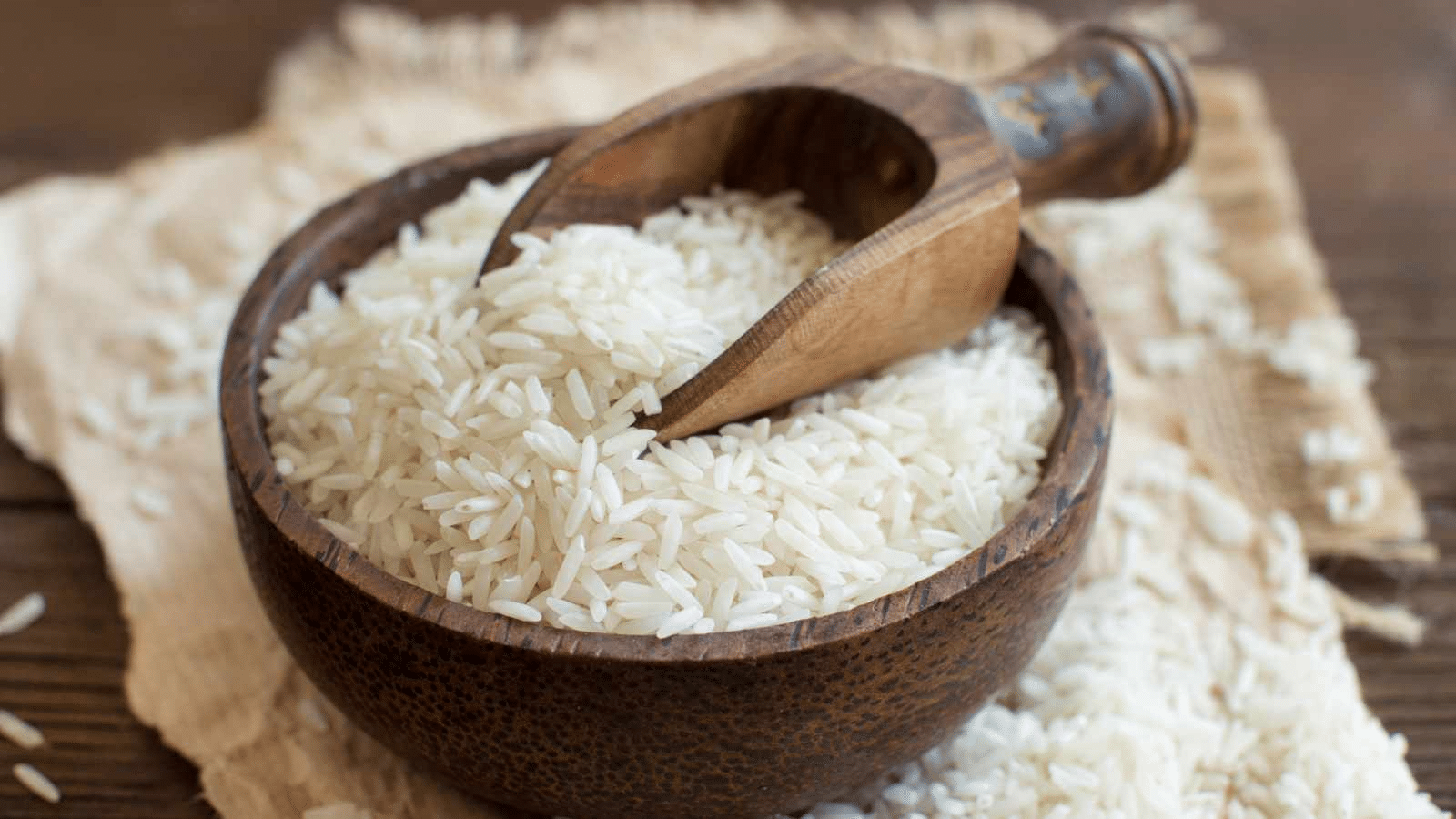
16 Grocery Staples to Stock Up On Before Prices Spike Again
I was in the grocery store the other day, and it hit me—I’m buying the exact same things I always do, but my bill just keeps getting higher. Like, I swear I just blinked, and suddenly eggs are a luxury item. What’s going on?
Inflation, supply-chain delays, and erratic weather conditions have modestly (or, let’s face it, dramatically) pushed the prices of staples ever higher. The USDA reports that food prices climbed an additional 2.9% year over year in May 2025—and that’s after the inflation storm of 2022–2023.
So, if you’ve got room in a pantry, freezer, or even a couple of extra shelves, now might be a good moment to stock up on these staple groceries—before the prices rise later.
6 Gas Station Chains With Food So Good It’s Worth Driving Out Of Your Way For
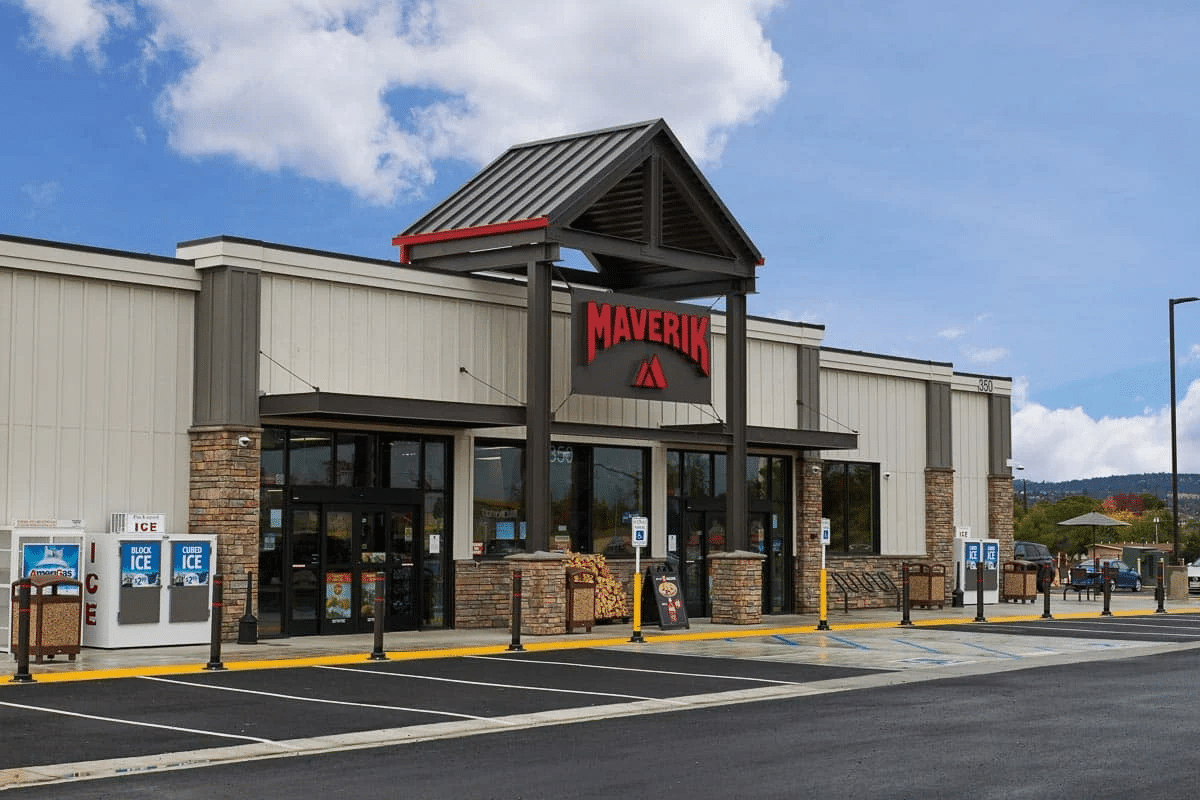
6 Gas Station Chains With Food So Good It’s Worth Driving Out Of Your Way For
We scoured the Internet to see what people had to say about gas station food. If you think the only things available are wrinkled hot dogs of indeterminate age and day-glow slushies, we’ve got great, tasty news for you. Whether it ends up being part of a regular routine or your only resource on a long car trip, we have the food info you need.
Let’s look at 6 gas stations that folks can’t get enough of and see what they have for you to eat.





