

Forget oranges—some little-known fruits contain more than 30 times the vitamin C, reshaping what healthy eating really looks like.
When was the last time you thought about vitamin C? It’s probably the first thing that comes to mind when you’re feeling a little under the weather or sipping on a glass of orange juice.
Vitamin C is a vital player in collagen production, reducing oxidative stress, and even lowering your risk for chronic conditions like heart disease. Surprising, right? Despite its importance, studies show that millions still struggle with vitamin C deficiency, especially in low-income areas and among older adults who don’t have consistent access to fresh produce.
So, how can you easily boost your vitamin C intake? The answer might be simpler and tastier than you think. In fact, some fruits pack way more vitamin C than your classic orange. Let’s explore 12 fruits that could be your next vitamin C powerhouse and find out just how much they can benefit your health!
Kakadu Plum
If vitamin C were crowned king, Kakadu plum would wear the crown with pride. Hailing from Australia, this small fruit has earned its title as the richest natural source of vitamin C, packing an astounding 2,300 to 3,150 mg per 100g; more than 30 times the amount found in an orange. This makes it the undisputed champion in terms of vitamin C content.
In fact, just a tiny serving of Kakadu plum powder provides 100% of your daily needs, making it a popular choice in skin and immune products. So, if you want the ultimate boost, this is your go-to. And while it’s a little hard to find fresh outside Australia, the freeze-dried powder offers all the benefits.
Acerola Cherry
Acerola cherry may look small, but it’s a giant when it comes to vitamin C. With around 1,678 mg per 100g, it offers nearly 1,864% of the daily value. That’s right, just a small handful (about 30g) of these cherries provides enough vitamin C for the entire day.
Known for its tangy flavor, acerola cherries have been used in juices and supplements for years and are known to support immune function and collagen production.
Camu Camu
Camu camu is another tropical fruit that’s quickly gaining attention, especially in powdered form. Native to the Amazon, camu camu contains about 120 mg of vitamin C per serving, meaning a single 5g teaspoon provides more than half of your daily needs.
Besides vitamin C, camu camu also contains polyphenols and carotenoids, which may support cellular protection and help reduce inflammation. While you might not find fresh camu camu easily, the powder form is an excellent addition to smoothies or yogurt.
Guava
Move over, oranges. Guava is a tropical superstar that delivers a serious vitamin C punch. One medium-sized guava (about 55g) can give you 125.6 mg of vitamin C, surpassing the daily recommended intake for most adults.
With 228 mg of vitamin C per 100g, guava easily outperforms oranges and other citrus fruits. Beyond vitamin C, guava is rich in fiber, potassium, and carotenoids, and has been shown to support blood sugar control.
Blackcurrants
Blackcurrants are small, dark berries that pack a hefty dose of vitamin C. With 181 mg per 100g, blackcurrants provide more than double the vitamin C of oranges. Their dark hue signals high levels of anthocyanins, antioxidants that support vascular health and reduce oxidative stress.
In fact, studies show that blackcurrant extracts are linked to improved immune function and may even reduce the risk of infections during the cold season.
“Blackcurrants are a powerhouse for immune health, and their high vitamin C content makes them a natural defense against illness,” says Dr. Sarah Thompson, a clinical nutrition expert.
Kiwi
Kiwi may not get as much attention as other fruits, but it’s a hidden gem when it comes to vitamin C. A single kiwi (about 69g) provides 64 mg of vitamin C, covering 71% of the daily value.
A full cup of sliced kiwi can provide nearly twice the vitamin C of an orange, along with fiber, vitamin K, and folate. Kiwi is also a great fruit for gut health, and its combination of vitamin C and serotonin may even help improve sleep.
Strawberries
Strawberries are one of the easiest and most accessible ways to boost your vitamin C intake. A single serving of about half a cup (76g) of strawberries provides 44.7 mg of vitamin C, and a full cup can easily exceed the 90 mg daily requirement.
As one of the top contributors to global vitamin C intake, strawberries also provide fiber and polyphenols, which are linked to heart health and weight management.
Papaya
Papaya is another tropical fruit that often gets overlooked, but it’s a fantastic source of vitamin C. A single cup of papaya provides about 88 mg of vitamin C, easily exceeding the daily requirements.
In addition to vitamin C, papaya contains digestive enzymes (like papain) that help break down proteins, making it a great choice for those with digestive discomfort.
“Papaya’s combination of vitamin C and digestive enzymes make it a fantastic option for both immunity and digestion,” says Dr. Linda Parsons, a gastroenterologist.
Oranges
Oranges might not be the highest in vitamin C anymore, but they’re still one of the most important contributors to vitamin C intake globally.
A medium orange contains about 69.7 mg of vitamin C, covering 77-93% of the daily recommended intake. Oranges are widely consumed, available year-round, and easy to include in your diet.
Grapefruit
Half a large grapefruit can provide 57.1 mg of vitamin C, which is a significant portion of your daily requirement. Besides vitamin C, grapefruit is rich in fiber and a mix of phytochemicals linked to improved cholesterol and weight management.
Save this article
However, it’s important to note that grapefruit can interact with certain medications, so people on statins or blood pressure meds should check with their doctor before increasing grapefruit intake.
Mango
Mangoes are not only delicious, but they also provide beta-carotene, which converts to vitamin A in the body and helps with skin and eye health.
Depending on the variety, 100g of mango can provide more than 35 mg of vitamin C. Mangoes are often enjoyed in tropical regions, contributing to the seasonal intake of vitamin C, especially among children and young adults.
Cantaloupe and Other Melons
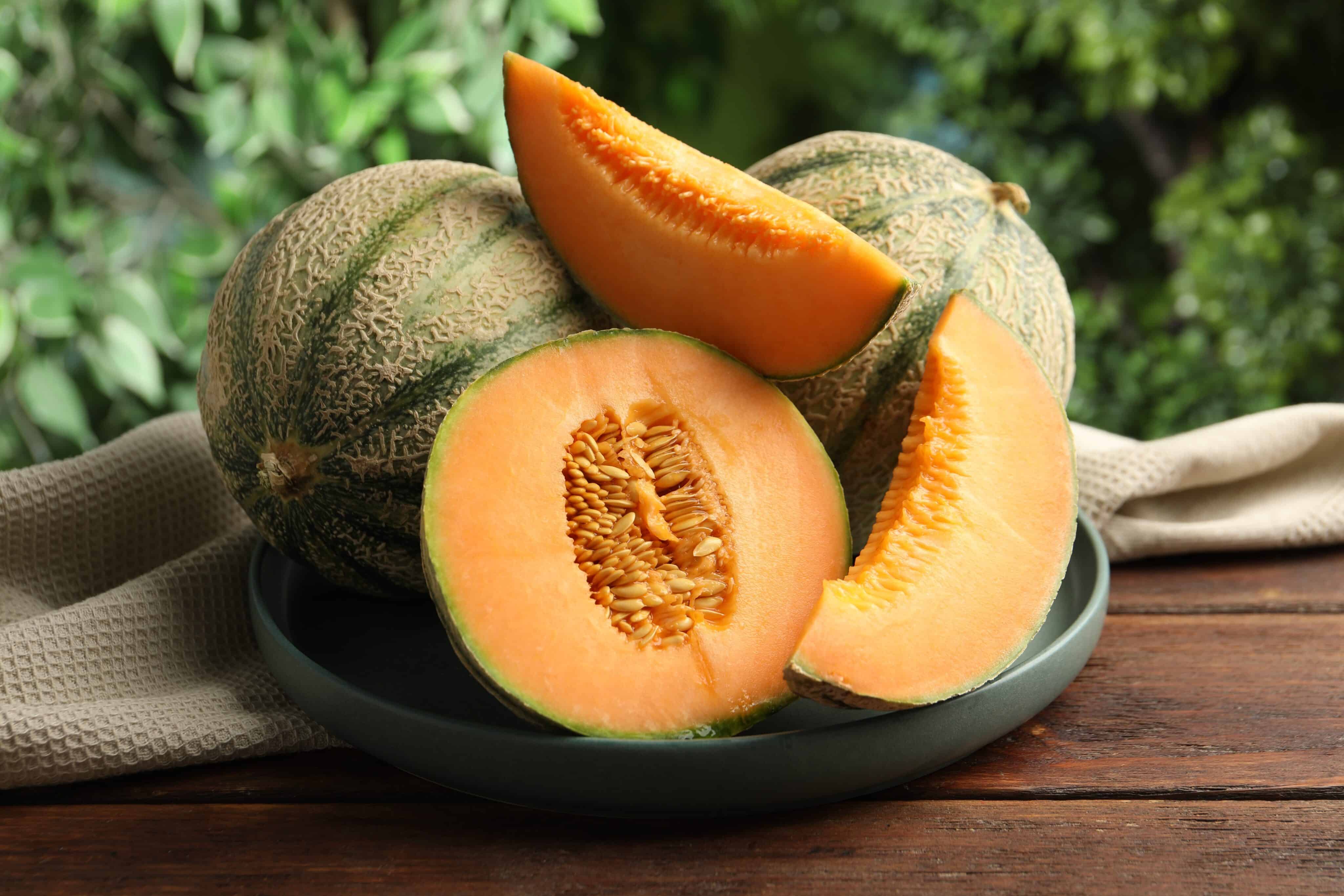
Cantaloupe is a hydrating, gentle source of vitamin C. Just half a cup of diced cantaloupe (80g) provides 29.4 mg of vitamin C, while other melons contribute smaller amounts.
Because melons are mostly water, they are easier on sensitive stomachs than more acidic fruits like citrus. This makes them a practical option for older adults or those recovering from illness.
“Melons like cantaloupe offer hydration and vitamin C in a way that’s easier on the stomach, making them a great option for people who need a mild fruit,” says Dr. Linda Harris, a nutritionist.
Why Vitamin C Still Matters
Vitamin C isn’t just for preventing colds. It’s a powerful antioxidant that helps with collagen formation, wound healing, and overall immune function.
Emerging research shows that higher vitamin C levels are linked to a 25-30% lower risk of cardiovascular disease and may even help reduce the severity of respiratory infections.
Despite its reputation as a cold-fighter, vitamin C is essential for a range of functions, and deficiency can lead to more severe health problems, especially in areas with limited access to fresh produce.
Key Takeaways
Kakadu plums lead the pack with over 2,300 mg of vitamin C per 100g, while everyday fruits like kiwi, papaya, and strawberries are excellent, accessible sources.
Vitamin C is linked to more than just immunity; it supports skin health, collagen formation, cardiovascular protection, and even digestive health.
Despite exotic fruits like acerola cherries and camu camu taking the spotlight, oranges, guava, and kiwi remain among the most reliable sources of vitamin C worldwide.
Food-first approach: Experts recommend getting your vitamin C from fruits and vegetables rather than supplements to ensure you’re also getting other essential nutrients.
More articles:
- 10 antioxidant-rich foods that support immune defense
- Why yogurt and fruit may be one of the smartest snacks for long-term health & decreasing belly fat
- 12 reasons carrot juice should be part of your daily routine
Disclosure: This article was developed with the assistance of AI and was subsequently reviewed, revised, and approved by our editorial team.
Like our content? Follow us on Newsbreak.
Common spices linked to colon cancer prevention

In the quiet routine of seasoning a meal, you may be adding small, powerful defenses against one of the most common cancers.
Your spice rack might actually be hiding some powerful health benefits. It turns out that a handful of common pantry staples pack a serious punch against serious illnesses. Medical researchers are looking closely at how everyday seasonings can fight back against cellular damage in the digestive tract. Learn more.
12 ways extreme heat can change the way your body handles coffee

In places where the air no longer cools after sunset, even something as routine as coffee can feel like a different choice.
Your morning cup is still part of many people’s daily rhythm, but in hotter regions, extreme heat can change how the body responds to it. Across parts of the American Southwest, sustained high temperatures and longer heat waves have made hydration and heat stress more important factors in everyday habits. Learn more.
The key to better sleep and steady energy might come down to one mineral missing in your diet
Most people focus on getting more energy during the day and better sleep at night, but one key nutrient plays a role in both.
Magnesium supports muscle function, nerve signaling, and sleep regulation, yet many people don’t get enough of it through their daily diet. Health experts note that even mild deficiencies can affect rest, recovery, and overall well-being. Learn more.





