Grocery prices in the U.S. are still feeling the aftershocks of inflation. According to the U.S. Bureau of Labor Statistics, food prices have jumped roughly 27% since 2019, putting sustained pressure on household budgets.
A report from Purdue University shows that the average American household spends about $133 per week on groceries, totaling nearly $7,000 annually. And despite that spending, affordability remains a major issue: A LendingTree survey shows that about half of Americans say it’s difficult to afford food right now, with many changing how, and what, they buy.
That’s why certain grocery items feel like easy cuts. They look expensive, unnecessary, even indulgent. But once you stop buying them, the hidden costs, time, waste, convenience, and even higher spending elsewhere start to show up.
Here are 12 grocery items that may seem overpriced… until you try living without them.
Pre-Cut Fruits And Veggies

Pre-sliced pineapple and ready-to-roast veggie trays look like time savers, especially on a busy weeknight. The packaging screams “healthy and convenient,” which is why so many of us toss them into the cart without a second thought. The catch is that you are paying someone else to do five minutes of chopping.
Food writers who have done the math have found that pre-cut produce can cost around three times as much as whole vegetables, once you factor in the extra labor and packaging. One breakdown showed fresh broccoli at about $1.59 per pound versus bagged, pre-cut broccoli at roughly $2.50 per pound, a markup of about 57 percent. If you can handle a cutting board and a podcast, you can keep that premium in your pocket.
Name-Brand Breakfast Cereal

That colorful box at eye level is basically a marketing billboard you bring home. Kids love the mascots, adults love the nostalgia, and stores know it. Generic versions on the bottom shelf often use similar ingredients for a much smaller price.
Even modest price differences matter when you buy the same product every week. With food-at-home prices up and cereal costs rising faster than some other categories, those brand-name premiums quietly chip away at your monthly budget. If you can live without the cartoon character on the box, your wallet will thank you.
Prepared Deli Meals

Rotisserie chickens, hot bar sides, and “heat and eat” pastas are lifesavers on nights when you are too tired to cook. They feel cheaper than takeout, so it is easy to justify grabbing them a few times a week. The problem is that those little boxes add up fast over a month.
Grocery industry research shows just how popular prepared foods have become. One recent report found that about 49 percent of shoppers buy ready-made meals at least once a month, while only 17 percent say they cook from scratch every day. If your cart keeps wandering past the deli, scaling back even one or two prepared meals a week can free up serious cash.
Bagged Salad Kits

Bagged salad kits make eating greens painless: dressing, toppings, and shredded lettuce all in one. The downside is you are paying extra for the chopping, mixing, and those tiny packets of add-ins. Once you realize you can buy a whole head of lettuce and a bottle of dressing for less, the kit looks less magical.
Price comparisons have shown that convenience salads often carry hefty markups. You are essentially paying restaurant-style margins inside your own grocery store, especially when the kit wilts after a couple of days. Buying whole greens, a big bag of nuts, and your favorite dressing can stretch into multiple salads for the cost of one kit.
Bottled Water

Bottled water feels harmless at a dollar or two here and there, especially when you grab it with lunch or at the checkout. But buying case after case means you are literally paying a premium for something that already flows out of your tap. Add a reusable bottle and a filter, and the price gap gets wild.
Recent cost breakdowns show just how big that gap is. One 2026 analysis estimated that tap water in the U.S. averages around 1 cent per gallon, while bottled water often runs 2.50 dollars per gallon or more, with some single-serve habits effectively costing over 8 dollars per gallon. Switching to filtered tap water can turn a thousand-dollar-a-year habit into spare change.
Fancy Yogurt Cups

Those single-serve yogurts with fruit layers, granola toppers, and dessert-style flavors can be surprisingly pricey. It feels like a small snack, but the per-ounce cost is usually much higher than a big tub. You are also paying for extra packaging that ends up in the trash.
Buying a large container of plain yogurt and adding your own fruit or honey cuts the price and the sugar. You get more control over what you eat and how much you spend. A few glass jars and a big tub can turn an expensive snack habit into an affordable daily staple.
Save this article
Single-Serve Coffee Drinks

Those chilled mocha bottles and fancy canned lattes are basically dessert in disguise, and the price tag proves it. Tossing one or two into your basket “as a treat” becomes a routine faster than you think. Before long, your caffeine habit is eating a chunk of your grocery budget.
Cost comparisons between home-brewed coffee and café-style drinks are eye-opening. One 2025 guide showed that a daily coffee shop drink at around $3 to $5 can run $90 to $150 a month, while brewing at home often costs $15 to $30 for the same period. Grabbing a bag of good beans and a reusable cup can save you hundreds of dollars a year without giving up your morning ritual.
Pre-Shredded Cheese

Pre-shredded cheese is another classic time saver that quietly charges you for convenience. Those little anti-caking agents keep the shreds from sticking, but they also mean you are paying more per ounce for less actual cheese. A block and a grater take a few extra minutes, but the result tastes fresher.
Whole blocks are usually cheaper per pound and melt better in casseroles and tacos. Once you do the math on the price tags, the grater starts to look like a money-printing machine. If you cook a lot of pasta, pizza, or nachos, switching to block cheese can save you real dollars each month.
Flavored Oatmeal Packets
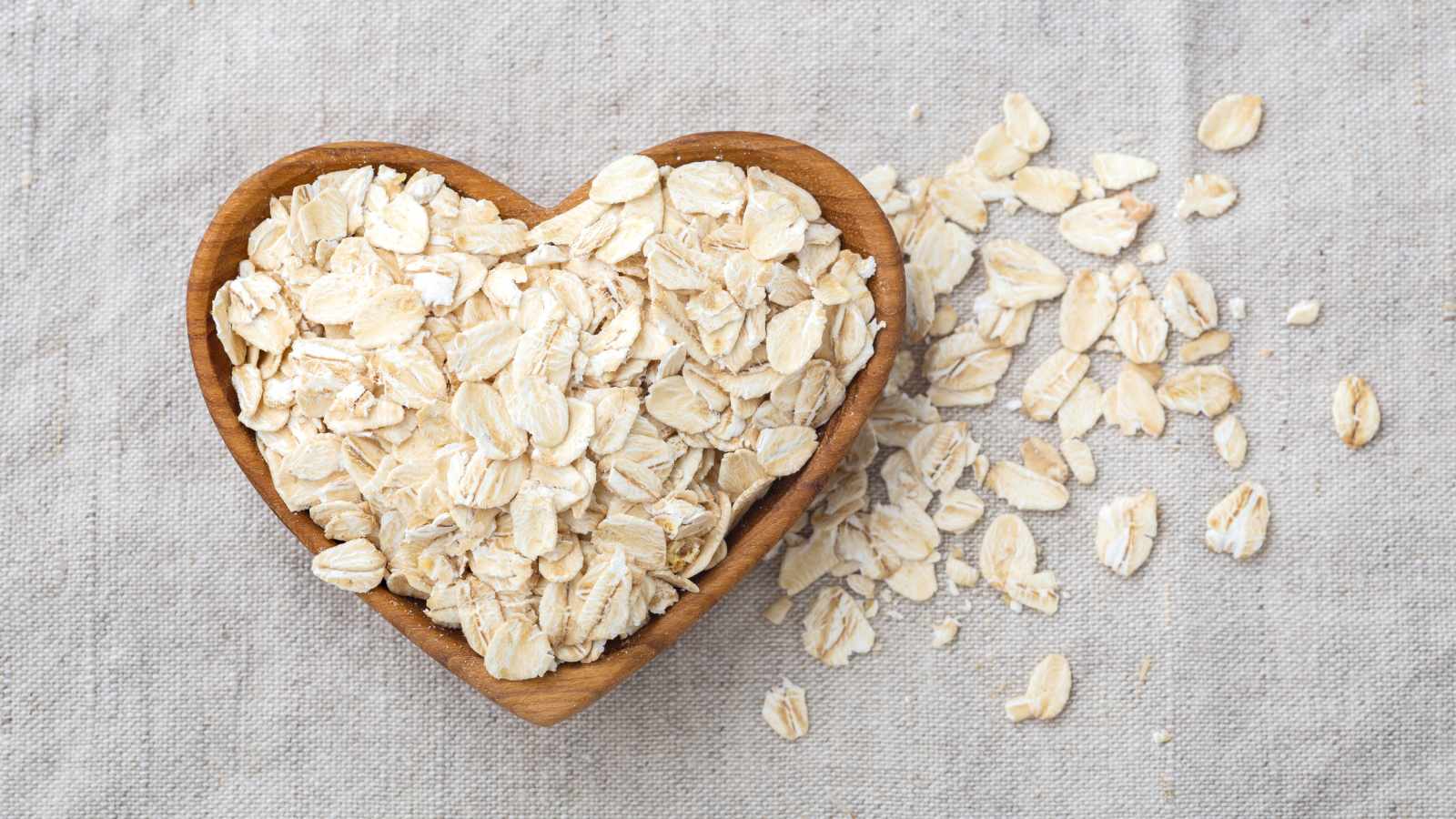
Those little instant oatmeal packets promise “maple and brown sugar” or “apples and cinnamon” in under two minutes. They feel cheap, but you are mostly paying for convenience and extra sugar. A big canister of plain oats plus your own toppings costs less and tastes better.
Grocery price data shows that basic pantry staples have risen, but not as sharply as more processed items. Federal inflation figures for 2023 noted that the overall “food at home” index rose 1.3 percent over 12 months, while categories like cereals and bakery products climbed 2.6 percent. Swapping processed packets for bulk oats is one of the easiest ways to lower breakfast costs without sacrificing warmth or flavor.
Refrigerated Ready-To-Bake Dough

Cans of biscuits, pizza dough, and cookie dough are fun “pop and bake” shortcuts. They are great in a pinch, but they turn flour, butter, and sugar into premium products. Baking even simple versions from scratch costs a fraction of the price and lets you control the ingredients.
Yes, scratch baking takes more time, but it also makes treats feel special rather than automatic. Rolling out dough once a week instead of buying it pre-made can become a cozy ritual. Your grocery bill drops, and your kitchen starts to smell like a bakery without the bakery-level markup.
Pre-Marinated Meat

Those marinade-soaked chicken breasts and seasoned steaks look grill-ready the second you walk by. It feels like you are paying for flavor, but you are mostly paying for someone to pour sauce into a bag. A bottle of marinade and plain meat gives you several meals for the price of one.
Marinated cuts are often a few dollars more per pound than their plain counterparts. Over months of backyard barbecues and weeknight dinners, that difference adds up. Buying plain meat and a simple seasoning blend lets you keep the flavor and ditch the premium.
Individually Wrapped Snack Packs

Mini bags of chips, cookies, and crackers are a lunchbox staple for many families. They look affordable at the moment, but the per-ounce price is usually much higher than that of a full-size bag. You are essentially paying for plastic and portion control.
Grabbing a big bag and separating it into reusable containers or small bags at home takes a few minutes on Sunday. The savings over a school year or busy work season can be huge. You still get grab-and-go convenience without paying grocery-store prices for excess packaging.
Key Takeaway

Most of the “overpriced” items on your list are really convenience fees in disguise. Once you swap bottled water for a filter, pre-cut produce for whole veggies, and single-serve snacks for bulk buys, you start to feel like you got a quiet raise without changing your income. The more often you ask, “Am I paying for food or just convenience?” the faster your grocery bill starts shrinking.
Disclaimer – This list is solely the author’s opinion based on research and publicly available information. It is not intended to be professional advice.
Like our content? Be sure to follow us