

Tax season in America often feels less like paperwork and more like a national sport where the rules keep shifting, and you’re always playing from behind. But here’s the twist: the tax game isn’t quite what most folks expect.
For instance, in 2022, the IRS handed out average refunds of about $3,200, meaning millions had more withheld than they needed.
So, pour yourself a coffee (or something stronger), because we’re diving into 12 hard truths about who’s really paying taxes in America, and some of them might catch you off guard.
The Top 1% Carry a Huge Load

Here’s the reality check: the wealthiest 1% of Americans shoulder roughly 40.1% of all federal income taxes, which is a jaw-dropping share when you think about it.
That means while they’re sipping champagne on private jets, they’re also writing some of the biggest checks to Uncle Sam. But don’t feel too sorry for them. These folks hire the armies of accountants who know every loophole in the book.
They can shuffle money through deductions, credits, and clever tax strategies faster than most of us can say “refund.” So yes, they pay a ton, but they also know how to bend the system to their advantage.
Middle-Class Families Feel the Squeeze

Middle-class households don’t carry the largest share of federal income taxes, but they definitely feel the sting more than anyone else. Why? Because unlike the wealthy, they don’t have offshore accounts, fancy tax shelters, or high-powered accountants working overtime to shave their bills.
Instead, they’re juggling mortgages, student loans, childcare costs, and grocery receipts that seem to grow longer every week. When tax season rolls around, that deduction feels less like a civic duty and more like someone just swiped into your wallet.
IMO, this is where the system shows its cracks. Middle-class families pay plenty, but without the safety nets the rich enjoy; the burden hits harder.
The Poor Pay More Than You Think
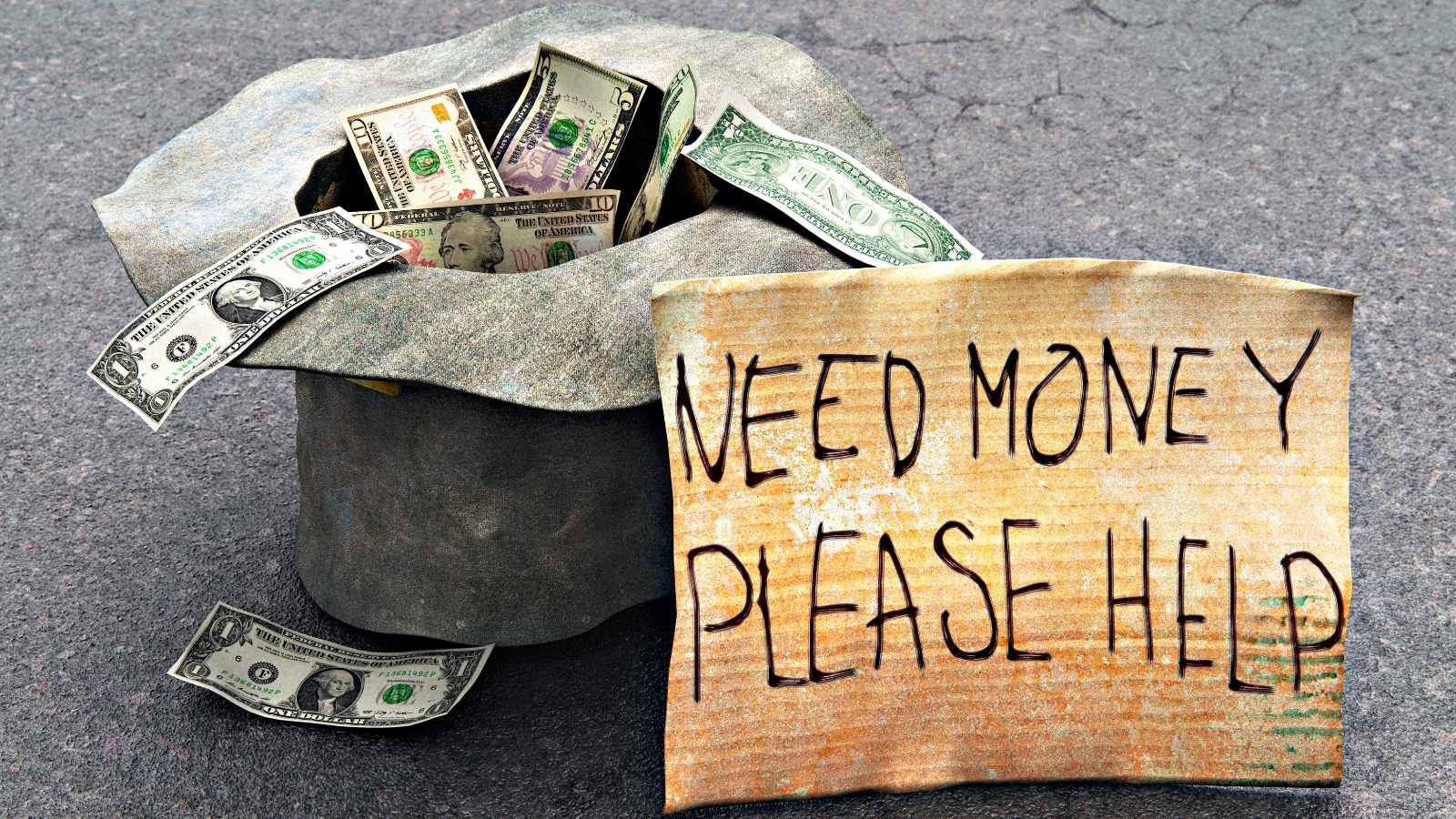
Many people assume low-income Americans don’t pay taxes, but that’s a huge misconception. While they may not owe federal income tax, they still contribute through payroll, sales, and excise taxes that hit them every single day.
Think about it, every gallon of gas, every pack of cigarettes, every fast-food meal comes with a tax baked in. Even a simple trip to Walmart means they’re paying into the system with every swipe of their card.
So, while the headlines often focus on income tax, the reality is that lower-income households still shoulder a meaningful burden, often without the financial cushion to soften the blow.
Corporations Play a Different Game

Big corporations often boast about paying “zero” in federal income taxes, and unfortunately, that’s not just talk. They manage this by leaning heavily on deductions, credits, and loopholes that everyday taxpayers can’t access.
Amazon is a prime example. There have been years when it reported billions in profits yet paid little to nothing in federal income taxes. Adding fuel to the debate, the corporate tax rate dropped from 35% to 21% in 2017 under the Tax Cuts and Jobs Act.
Since then, politicians across the U.S. have kept pushing for corporate tax reform, arguing that the system unfairly lets massive companies play by different rules while small businesses and workers end up carrying more of the burden.
Payroll Taxes Hit Harder Than Income Taxes

For many workers, payroll taxes like Social Security and Medicare actually take a bigger bite out of their paychecks than federal income taxes, and that’s the sneaky part most people don’t notice because the money disappears automatically.
In fact, payroll taxes brought in about $1.3 trillion in 2021, roughly 32% of total federal revenue, while individual income taxes accounted for 50% of total federal revenue.
A worker earning $50,000 pays about $3,825 in payroll taxes annually, which can exceed their federal income tax bill after deductions and credits. That’s why your paycheck always looks smaller than you hoped; those automatic deductions add up fast.
State Taxes Change the Game

Living in California means you’re paying some of the highest state income taxes in the country, with rates that can climb above 13% for top earners. Compare that to Texas or Florida, where state income tax doesn’t exist, and it sounds like a win, right? Not so fast.
Those states make up the difference with higher sales and property taxes, so you’ll still feel the pinch when you shop or pay your mortgage.
For example, Texas has one of the highest property tax rates in the U.S., averaging around 1.6% of home value, while California’s is closer to 0.7%. In the end, it’s less about escaping taxes and more about choosing your poison.
The Wealthy Use Capital Gains to Their Advantage

Save this article
Here’s something a lot of people don’t realize. Wealthy Americans don’t just live off salaries; they make a big chunk of their money from investments. And the twist? That income is often taxed less.
While top earners can pay up to 37% on regular income, long-term capital gains are taxed around 20%, plus a small surtax for the highest earners.
So, someone making millions from stocks might actually pay a lower rate than a teacher earning a paycheck. In fact, IRS data once showed that the top 400 households averaged about 23%. Fair or not, it shows how the system tends to favor investment income over wages.
Small Businesses Often Get Crushed

Running a small business may sound exciting, but tax season quickly reveals the hidden costs. Owners face self-employment taxes of 15.3% (covering Social Security and Medicare), plus payroll taxes for employees, state and local levies, and compliance expenses.
According to the IRS, small businesses collectively pay hundreds of billions in federal taxes each year, often at higher effective tax rates than large corporations, which can exploit deductions and loopholes.
For example, while mom-and-pop shops struggle with paperwork and cash flow, big chains frequently minimize their tax bills. It’s one reason small businesses often feel squeezed while larger competitors thrive.
Tax Refunds Are Basically an Interest-Free Loan

That big refund check you celebrate every spring isn’t free money; it’s simply the government returning what you overpaid. In other words, you’ve been giving Uncle Sam an interest‑free loan all year.
The IRS reported that in 2022, the average tax refund was about $3,200, meaning millions of Americans had more tax withheld from their paychecks than necessary.
While it feels nice to get a lump sum back, it also means you lost the chance to use that cash during the year, whether to pay bills, invest, or save. Put simply, adjusting your withholdings could keep more money in your pocket month to month, rather than waiting until tax season.
The IRS Targets the Poor More Than the Rich

Audits may sound like they target the wealthy, but in reality, low‑income taxpayers, especially those claiming the Earned Income Tax Credit (EITC), are disproportionately audited.
Why? Because it’s cheaper and easier for the IRS to review straightforward returns than to pursue billionaires with complex filings and teams of lawyers. In fact, studies have shown that EITC recipients are audited at rates comparable to, or even higher than, those of the richest households.
The result is a system that often feels upside‑down: everyday workers face scrutiny while the ultra‑wealthy can shield themselves behind resources and complexity. Doesn’t exactly scream fairness, does it?
Consumption Taxes Hit Everyone

Sales taxes don’t discriminate by income; everyone pays the same rate at the register. Buy a soda, pay the tax, whether you’re a millionaire or living paycheck to paycheck. The difference is that lower‑income households spend a larger share of their earnings on taxable goods and services, making sales taxes regressive.
Studies show that families in the lowest income brackets devote a much higher share of their income to consumption taxes than wealthier households, who save or invest more. It’s one of those hidden truths of the tax system: the burden falls hardest on those least able to afford it, quietly widening inequality.
The System Rewards Complexity

Taxes often feel deliberately confusing, and that’s not entirely accidental. A complex system creates opportunities for those with access to accountants, lawyers, and resources to navigate loopholes and minimize their bills. Meanwhile, the average taxpayer hopes their software files correctly before the deadline.
In fact, the IRS estimates Americans spend over 6 billion hours annually on tax compliance, with small businesses and individuals bearing the brunt of that burden. The result? Wealthier households and corporations can “game” the system, while everyday filers wrestle with forms and software glitches.
It’s less about fairness and more about who can afford to play complexity games.
Key Takeaways

At the end of the day, America’s tax system feels like a mixed bag that touches everyone, but not in the same way. The wealthy pay a big share but often ease the load through loopholes and investment perks.
The middle class feels the steady squeeze from income and payroll taxes, while lower-income households face higher sales taxes and stricter audits.
Then there are corporations, navigating the system in ways that seem worlds apart from everyday taxpayers. No wonder tax debates never go away; they really come down to one question: Who is the system actually working for?
Disclaimer: This list is solely the author’s opinion based on research and publicly available information. It is not intended to be professional advice.
Like our content? Be sure to follow us





