

Water is everywhere. It covers over 70% of our planet, makes up about 60% of our bodies, and even rains down from the sky. We ingest it, bathe in it, and utilize it every day.
However, this common material is anything but usual. Water is a molecular marvel with incredible characteristics that make life on Earth possible. Here are twelve incredible facts and feats of water that showcase its strange science and life-supporting importance.
Water Is a “Universal Solvent”

Water’s ability to dissolve more substances than any other liquid has given it the title “universal solvent.” The molecules of water are polar in structure, with hydrogen atoms having a partial positive charge and oxygen atoms having a partial negative charge.
This polarity enables water to attract and pull apart the molecules of other substances, including salts, sugars, minerals, and gases. This attribute is essential for life.
It carries vital nutrients in our bloodstream, moves minerals through plant roots, and sustains entire ecosystems in aquatic environments.
Ice Is Less Dense Than Liquid Water

Water is one of the few substances on our planet whose solid state is less dense than its liquid state. When water freezes, its molecules form a rigid, open lattice-like structure.
This structure takes up less space than the disordered molecules of liquid water, allowing ice to float. Try to imagine what would occur if ice sank! Lakes and seas would freeze from the bottom upward, annihilating all aquatic life and rendering it essentially impossible for the ice to melt in the spring.
Floating ice acts as an insulating layer that protects the liquid water and the life within it.
Water Has Extremely High Surface Tension

Ever wondered how a water strider can skate across a pond? The answer is surface tension. Water molecules are strongly attracted to one another, a phenomenon called cohesion.
At the surface, these molecules cling together so tightly that they create a thin, elastic-like film. Water’s surface tension is the highest of any liquid besides mercury.
This characteristic enables insects to walk on water and also facilitates the creation of water droplets and the upward movement of water through plant roots in a process known as capillary action.
Most of Earth’s Water Is Not Drinkable

Despite our planet appearing to be a world of water, the vast majority of it is not available for human consumption. A complete 97.5% of the Earth’s water is saltwater in the oceans. And of that 2.5% freshwater, nearly 68.7% is locked up in glaciers and ice caps.
That leaves less than 1% of the Earth’s water available for human use in rivers, lakes, and underground aquifers. This scarcity is one reason why water conservation is such an essential key to our communities’ and the environment’s continued prosperity.
Water Can Defy Gravity

Water can move against the force of gravity through a process known as capillary action. This occurs when the adhesive forces (water molecules adhering to other substances) are more potent than the cohesive forces (water molecules bonding to other water molecules).
One example is when you put a paper towel in water and watch the fluid move up the fibers. This remarkable feat is essential for plants, allowing water to travel from the roots to the top of the stem and into the leaves, thereby nourishing the entire plant.
One Tree Can Move Hundreds of Gallons a Day

Utilizing the power of both capillary action and transpiration, one large oak tree can transport a massive amount of water. A mature oak tree can lift over 100 gallons of water from the ground and transpire it through its leaves on a warm, dry day.
This process, known as transpiration, keeps the tree cool and plays a vital role in local weather by adding humidity. So giant sequoia trees are capable of transporting more than 500 gallons per day, demonstrating the incredible hydraulic force of nature.
Water Regulates Earth’s Temperature

Water has a very high specific heat capacity, which means it requires a lot of heat to raise its temperature. This allows the massive oceans on our planet to act as a global climate control system.
Oceans absorb solar energy during the day and in summer, preventing the planet from getting too hot. They then release this heat gradually at night and during winter, which makes the coastal areas warmer than the interior lands.
Without this moderating effect, the Earth would experience far more extreme temperature shifts.
Hot Water Can Freeze Faster Than Cold Water

Save this article
This is contradictory, but under certain conditions, hot water will freeze quickly than cold water. Known as the Mpemba effect, this has left scientists stumped for centuries.
Although not fully understood, present theories suggest that warmer water evaporates more quickly, thereby reducing the total amount that needs to freeze. A second theory is that hot water has fewer dissolved gases, which can imperceptibly alter its freezing point. Whatever the cause, it is a curious anomaly in water’s behavior.
The Human Body Is Made Largely of Water

Water is the vital component of life as we know it. The human body is composed of about 60% water in an adult. In infants, this is even higher, at about 75% water. Our brains and hearts are about three-quarters water, and our lungs are around 83% water.
Every cell, tissue, and organ in your body needs water to function correctly. It helps regulate body temperature, transport nutrients, eliminate waste, and lubricate joints.
You Can Go Longer Without Food Than Without Water

While one can survive more than three weeks without food, one would typically survive just three or four days without water. Dehydration sets in quickly and impacts everything from mental functioning to muscular strength.
This significant difference highlights water’s vital and ongoing role in the body’s most fundamental metabolic processes. It is the most essential nutrient for survival.
Water Carved the Grand Canyon

The sheer power of water is on full display at the Grand Canyon. It has taken about five or six million years for the relentless flow of the Colorado River to carve out this massive canyon, which is 277 miles long, up to 18 miles wide, and over a mile deep.
The river’s steady erosion, grinding away sediment and rock downstream, demonstrates how water, given sufficient time, can sculpt even the most dramatic landscapes. It stands as evidence of the gradual and persistent power of nature’s most essential liquid.
Earth Has the Same Amount of Water Today as It Did Millions of Years Ago

The water on Earth is part of a closed system called the hydrologic cycle. It means that all the water on Earth today is the same amount that existed when the dinosaurs roamed the Earth.
The water in your glass might have been in some long-ago ocean or poured down on a stegosaurus. Water continuously cycles from evaporation to condensation to precipitation between the oceans, air, land, and back. It is never lost, but altered and redistributed around the globe.
Key Takeaways

Water is truly a remarkable substance. Its unusual chemical structure enables it to be a powerful solvent, a global temperature regulator, and the foundation of all life. As mundane and straightforward as it might appear, water is a force of nature that has formed our planet and sustains all life on Earth.
So the next time you have a sip, think about the incredible journey those molecules have been on and the fantastic things they can do daily.
Disclaimer – This list is solely the author’s opinion based on research and publicly available information. It is not intended to be professional advice.
6 Gas Station Chains With Food So Good It’s Worth Driving Out Of Your Way For

6 Gas Station Chains With Food So Good It’s Worth Driving Out Of Your Way For
We scoured the Internet to see what people had to say about gas station food. If you think the only things available are wrinkled hot dogs of indeterminate age and day-glow slushies, we’ve got great, tasty news for you. Whether it ends up being part of a routine or your only resource on a long car trip, we have the food info you need.
Let’s look at six gas stations that folks can’t get enough of and see what they have for you to eat.
16 Grocery Staples to Stock Up On Before Prices Spike Again
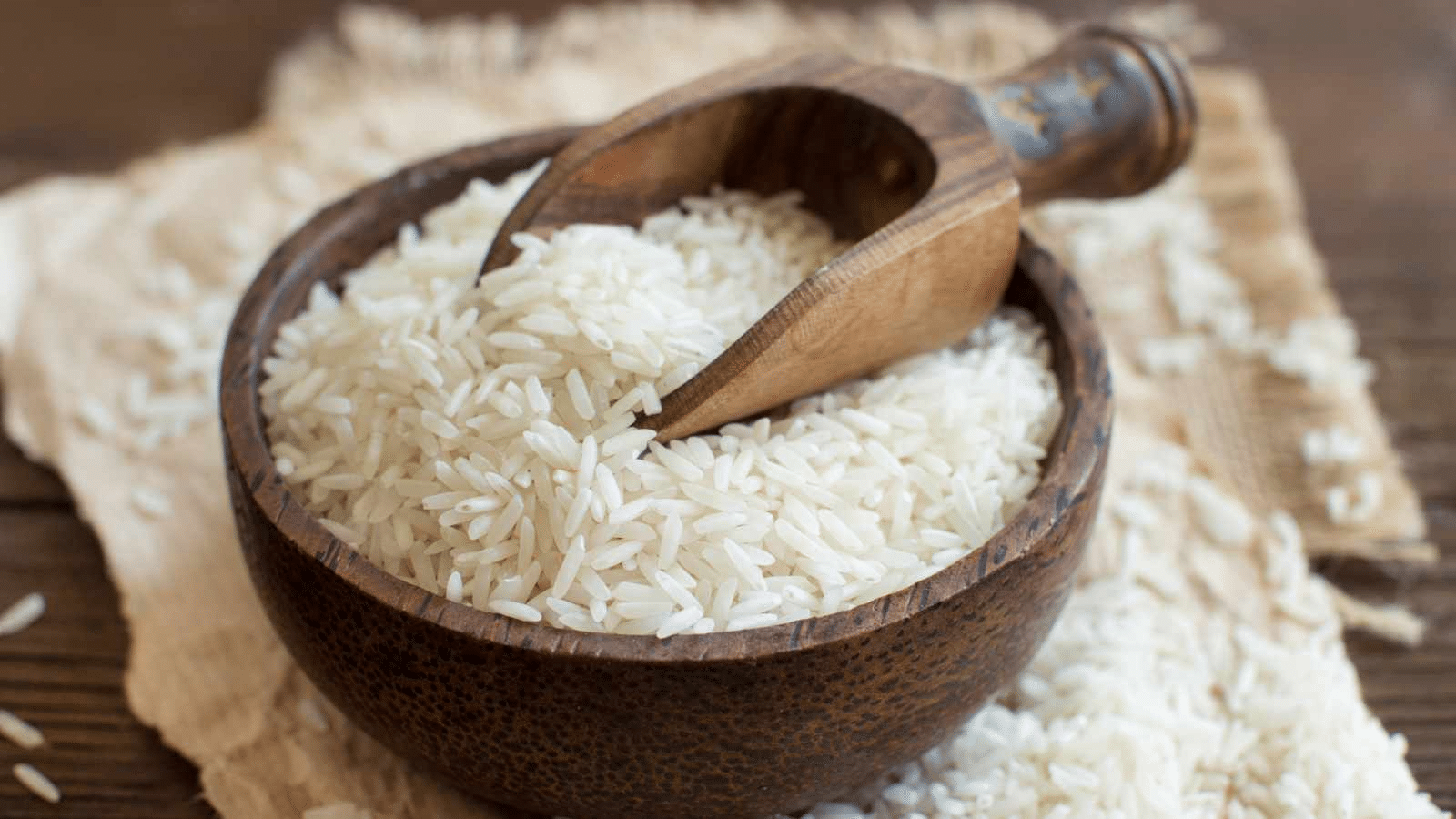
16 Grocery Staples to Stock Up On Before Prices Spike Again
I was in the grocery store the other day, and it hit me—I’m buying the same things I always do, but my bill just keeps getting higher. Like, I swear I just blinked, and suddenly eggs are a luxury item. What’s going on?
Inflation, supply-chain delays, and erratic weather conditions have modestly (or, let’s face it, dramatically) pushed the prices of staples ever higher. The USDA reports that food prices climbed an additional 2.9% year over year in May 2025—and that’s after the inflation storm of 2022–2023.
So, if you’ve got room in a pantry, freezer, or even a couple of extra shelves, now might be a good moment to stock up on these staple groceries—before the prices rise later.
Like our content? Be sure to follow us.





