

You might think your blue bin is doing wonders for the planet, but the truth about recycling is a lot messier than it seems.
People want to do their part for the planet, dutifully tossing empty bottles and boxes into the blue bin with a sense of accomplishment. It feels like a simple act of goodness, a small daily contribution that keeps guilt at bay and our landfills a little less crowded. But beneath the surface of this virtuous habit lies a tangled web of misconceptions that might be doing more harm than good.
The reality of waste management is far messier than the clean, green symbols on our packaging would have us believe. While we blindly trust the process, many of us are unknowingly making mistakes that clog up the system and render good materials useless. It is time to clear the air, debunk the folklore, and look at what actually happens to your trash after it leaves the curb.
Plastic Can Be Recycled Infinitely

There is a widespread belief that plastic is like aluminum or glass, a material that can be melted down and reborn over and over again without losing quality. We see a plastic bottle and imagine it becoming another bottle, then another, in an endless loop of sustainability that keeps the material out of the trash. In reality, plastic fibers shorten and degrade every single time they are processed, meaning they can only be reused once or twice before becoming useless.
Because the quality diminishes so rapidly, most “recycled” plastic actually gets downcycled into lower-quality items like carpet fiber or plastic lumber, which eventually end up in a landfill anyway. This limitation makes plastic a dead-end material rather than a circular one, yet we continue to treat it as a permanent resource. A report from The Recycling Partnership revealed that we currently trash 79% of all recyclables in our homes, partly because the system for plastics is so confusing and ineffective.
The Arrows Symbol Guarantees Recyclability

Most of us look for that familiar triangle of chasing arrows on the bottom of a container and assume it is a green light to toss it in the recycling bin. We have been trained to view that little stamp as a universal seal of approval, promising that the item will be whisked away and turned into something new. However, that symbol often identifies the type of resin used to make the product, not whether your local facility can actually process it.
Manufacturers slap this logo on almost everything, including plastics that no curbside program in the country will accept, creating a false sense of security for consumers. It is a marketing tool as much as a technical identifier, leading millions of well-meaning people to fill their bins with trash that looks like recycling. You have to check your local guidelines because that little triangle is essentially meaningless without the right local infrastructure to back it up.
You Can Leave Food In Containers

We often toss a peanut butter jar or a takeout container into the bin with just a quick rinse—or sometimes no rinse at all—thinking the recycling plant will handle the cleaning. It seems logical that a high-tech facility would have industrial washers capable of blasting away the remnants of our lunch before processing the material. The truth is that food residue is a major contaminant that can ruin an entire batch of perfectly good recyclables.
When paper or cardboard gets soaked with grease or sauce, the fibers cannot be separated during the pulping process, making the material impossible to recycle. Even for plastics, excessive food waste acts like a poison in the system, gumming up machinery and lowering the value of the baled material. According to WRAP’s Recycling Tracker, a staggering 82% of residents mistakenly put non-recyclable or dirty items in their bins, causing massive headaches for processors.
Putting It In The Bin Ensures It Gets Recycled

This is perhaps the most comforting lie we tell ourselves: that once an item drops into the blue bin, our job is done and the system will take care of the rest. We assume there is a magical sorting fairy at the other end who will find a home for every odd bit of packaging we wishfully discard. This practice, known as “wishcycling,” actually slows down sorting lines and increases the cost of recycling for everyone involved.
Facilities are designed to handle specific shapes and materials, and when you throw in a garden hose or a bowling ball, it can damage equipment and endanger workers. Just because you want something to be recyclable does not make it so, and your good intentions might actually send tons of good material to the dump. If you are not 100% sure an item is accepted in your specific area, the most responsible choice is actually to throw it in the trash.
Coffee Cups Are Just Cardboard

Walking down the street with a paper coffee cup feels harmless enough, especially since it looks and feels like standard cardstock that should be easily recyclable. We finish our latte, toss the cup in the paper bin, and assume it will come back as a notebook or a cardboard box in its next life. What most people miss is the thin plastic lining on the inside that prevents the hot liquid from turning the cup into mush.
That plastic coating is incredibly difficult to separate from the paper fibers, meaning standard paper mills cannot process these cups at all. Unless you take them to a specialized facility, your morning coffee habit is generating waste that is destined for a landfill, not a recycling plant. Data from Recycling Bins highlighted that only about 6% of the billions of paper cups used annually actually get recycled.
Recycling Consumes More Energy Than It Saves

Skeptics love to argue that the trucks, sorting facilities, and processing plants required for recycling burn more fossil fuels than simply making new products from scratch. It is a cynical view that gives people an excuse to stop sorting their waste, claiming the environmental cost of the process outweighs the benefits. While the logistics do require energy, extracting and refining virgin materials is almost always vastly more destructive and energy-intensive.
Save this article
Mining bauxite for aluminum or drilling for oil to make plastic requires massive amounts of power and disrupts ecosystems on a global scale. Recycling allows us to bypass that initial extraction phase, locking in huge energy savings even when you account for the transport and processing. Producing a can from recycled aluminum saves 95% of the energy needed to make one from raw materials, proving that the math remains firmly in favor of recycling.
Biodegradable Plastic Goes In The Recycling Bin
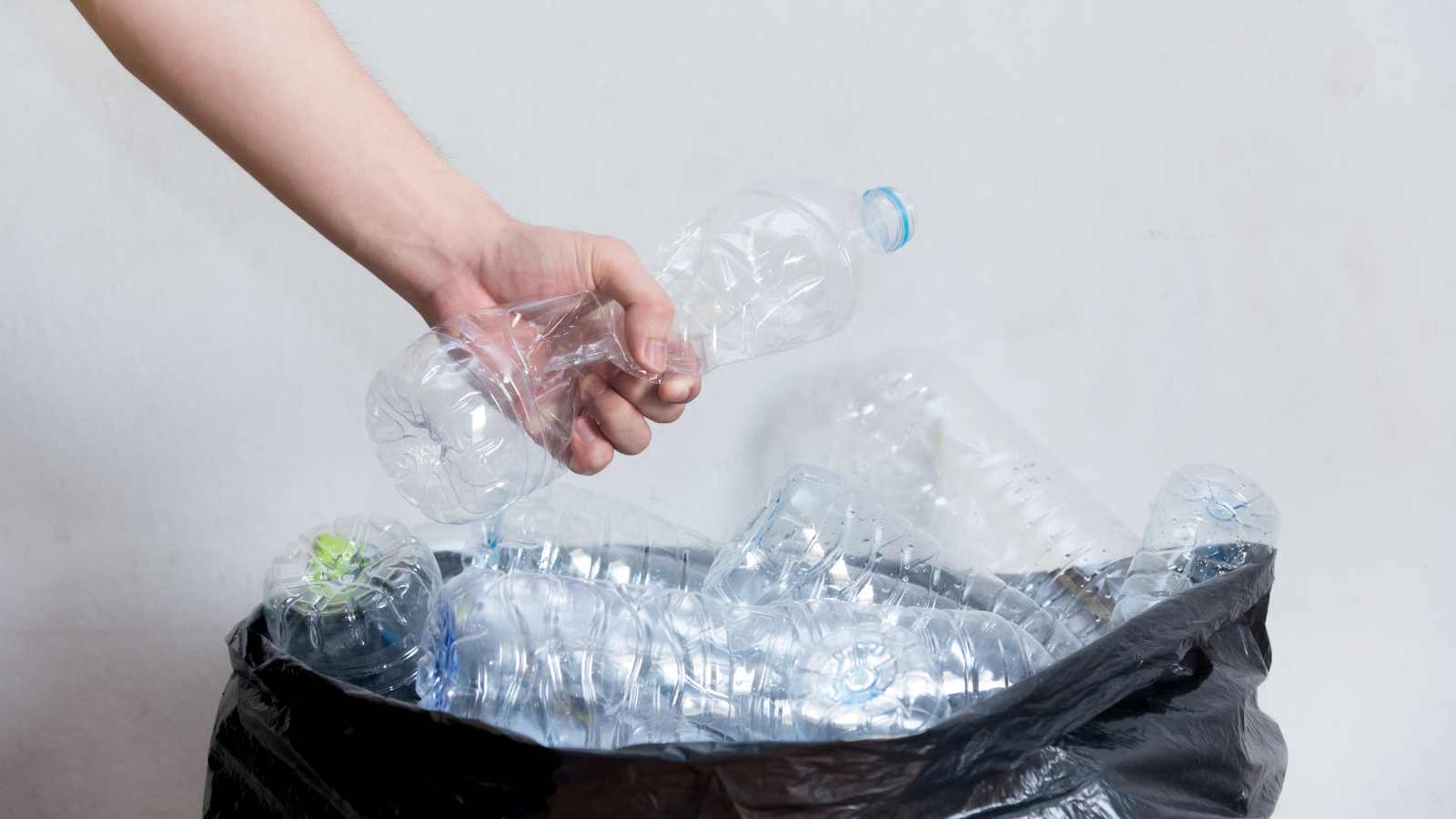
The word “biodegradable” sounds like a miracle solution, promising that the material will simply vanish back into the earth without leaving a trace. We see a fork or a cup labeled “compostable” and instinctively feel it belongs with the other green-friendly items in the recycling bin. But these bioplastics are chemically different from standard plastics and will contaminate the recycling stream if mixed in.
They are designed to break down under very specific conditions found in industrial composting facilities, not in a recycling melter or a backyard compost heap. If you throw a biodegradable spoon in with your PET bottles, you are effectively creating a mixed-material mess that lowers the quality of the recycled batch. Unless you have access to a commercial composting service, these eco-sounding items unfortunately belong in the general trash.
You Need To Remove All Tape From Boxes

For years, diligent recyclers spent hours peeling every strip of packing tape and removing every staple from their shipping boxes before breaking them down. We imagined that any stray bit of adhesive or metal would jam the pulping machines and render the cardboard unusable. Modern recycling mills are actually quite robust and equipped with screens and filters that can easily handle tape, labels, and staples.
The pulping process turns the cardboard into a slurry, allowing heavy items like staples to sink and light items like plastic tape to float and be skimmed off. You can save yourself a lot of time and anxiety by simply flattening the box and tossing it in, tape and all. The American Forest & Paper Association reported in August 2025 that the U.S. cardboard recycling rate sits between 69% and 74%, proving that our current habits are working well.
Electronics Can Be Tossed In Regular Bins

We live in a gadget-obsessed culture where old phones, charging cables, and broken headphones pile up in our junk drawers until we finally purge them. It is tempting to dump these small electronics into the recycling bin, assuming they are made of metal and plastic that can be recovered. However, e-waste contains hazardous materials like lead and mercury that can leach into the environment if processed incorrectly.
Furthermore, the lithium-ion batteries inside many of these devices are a massive fire risk when crushed in a standard recycling truck or facility. They need to be taken to specific e-waste drop-off points to be safely dismantled and stripped for valuable metals. The UN’s 2024 Global E-waste Monitor found that less than 23% of the massive amount of electronic waste generated globally is properly documented as recycled.
Glass Recycling Is A Waste Of Time

Some people have heard rumors that glass is too heavy to transport and often breaks, leading them to believe that recycling it is no longer economically viable. They think that because glass is made from sand, returning it to the earth is harmless, so they stop bothering to separate their bottles and jars. While glass is heavy, it is also one of the few materials that is 100% recyclable endlessly without any loss in purity or quality.
When glass is collected and processed correctly, it can be back on the shelf as a new bottle in as little as 30 days, creating a perfect closed loop. The issue usually lies in single-stream recycling, where glass breaks and contaminates paper, but that does not mean the material itself is worthless. If your community offers a separate glass drop-off or collection, participating is one of the most effective recycling actions you can take.
Small Items Like Straws Will Get Recycled

It seems logical that if a plastic bottle is recyclable, the plastic straw or bottle cap that came with it should be recyclable too. We toss these tiny bits of plastic into the bin, assuming they will get melted down right alongside the larger containers. The reality is that recycling machinery is built for large items, and small objects literally fall through the cracks of the sorting conveyor belts.
These small pieces end up getting swept away with the debris and sent to the landfill, or worse, they get jammed in the gears of the sorting equipment. Unless you can securely screw a cap back onto a bottle so it travels as one unit, those small loose bits are better off in the trash. Size matters in recycling, and anything smaller than a credit card is usually too difficult for standard facilities to capture.
Recycling Is The Only Solution We Need

We have been sold the idea that as long as we recycle, we can continue consuming as much as we want without consequence. It functions as a moral license, allowing us to buy single-use products guilt-free because we plan to put the packaging in the correct bin later. Recycling should actually be the last resort in the waste hierarchy, coming only after we have reduced our consumption and reused what we already have.
Focusing solely on recycling distracts us from the real problem, which is the sheer volume of disposable waste we generate in the first place. The most effective way to help the planet is not to recycle more, but to throw away less by choosing durable, reusable alternatives. We cannot recycle our way out of a consumption crisis; we have to stop creating the waste to begin with.
Disclaimer: This list is solely the author’s opinion based on research and publicly available information. It is not intended to be professional advice.
Like our content? Be sure to follow us.





