
Research suggests that empathy is declining, and the language we use every day may be playing a bigger role than we realize.
Ever hear a phrase that felt like a slap wrapped in a smile? Turns out, those subtle digs can do real damage. A 2025 study cited in The Compassion Report found that 61% of Americans believe empathy and compassion have declined in recent years.
Long-term exposure to emotionally disconnected relationships can leave people feeling drained, isolated, and deeply dissatisfied. It’s a quiet crisis—and it starts with the words we choose.
“You’re overreacting.”
This phrase instantly invalidates someone’s emotions. It tells them their feelings are too much to handle. That’s a fast way to make anyone shut down. A better approach is to ask, “What’s making you feel this way?” Instead of judging the reaction.
“I don’t see what the big deal is.”
This one sounds harmless, but feels dismissive. It says the other person’s pain doesn’t matter. Everyone feels things differently, and empathy means respecting that. Ever had your stress brushed off? Not fun.
“That’s your problem, not mine.”
“That’s your problem, not mine” might sound like a boundary-setting, but it often comes across as a cold dismissal. It shuts down emotional connection by signaling that someone’s struggles aren’t worth your concern. A 2025 State of Marriage study found that 41.9% of women cited emotional distance and loneliness as major issues harming their relationships. Clearly, empathy isn’t just nice to have—it’s essential for keeping love and trust alive.
“I’m just being honest.”
That’s usually code for “I’m being rude.” Honesty without kindness feels like a slap. Genuine empathy balances truth with tact. You can be direct without sounding like a bulldozer.
“You always make everything about you.”
This line often hides defensiveness. It shifts blame instead of trying to understand. Sometimes people just want to be heard. Empathy listens before labeling.
“Just get over it.”
If empathy had an arch-nemesis, this would be it. It pressures someone to stop feeling pain on their schedule. Healing doesn’t happen on command. Compassion waits—it doesn’t rush.
“I had it worse.”
This one turns pain into a competition. It replaces connection with comparison. Everyone’s experience is valid, no scoreboard needed. Empathy comforts instead of competing.
“You’re too sensitive.”
People often say things like “You’re just being emotional” to dodge accountability and shift blame. It dismisses someone’s experience instead of addressing the behavior that caused it.
A 2025 State of Marriage study found that nearly 39% of respondents said their partner frequently minimized their feelings, a pattern linked to higher conflict and lower relationship satisfaction. Empathy doesn’t mean fixing everything—it means validating that those feelings matter.
“I don’t care.”
Ouch. That phrase slices straight through trust. It signals zero emotional investment. If you say this often, it might be time to question why you’re still there.
“You should be grateful.”
Gratitude is good, but not when forced. This phrase minimizes real pain by preaching positivity. People can feel thankful and hurt at the same time. Empathy makes space for both.
Save this article
“That’s not my fault.”

Maybe it’s not—but empathy isn’t about blame. It’s about connection. Saying this shuts down understanding fast. Try “I get why that upset you” instead.
“I don’t want to talk about this.”
Everyone needs space sometimes, sure. But using this constantly kills communication. It tells your partner their feelings don’t deserve attention. Empathy faces discomfort instead of avoiding it.
The Takeaway
The good news is that empathy isn’t just a personality trait—it’s a skill that can be strengthened, one conversation at a time. The words we choose have the power to either deepen someone’s pain or make them feel seen and understood.
Replacing dismissive phrases with curiosity, patience, and compassion won’t solve every problem, but it can transform the way we connect with the people we care about. In a world where so many people feel unheard, choosing empathy may be one of the simplest and most meaningful changes we can make.
More articles:
- 12 lies movies taught us about love and relationships
- 10 toxic patterns that ruin relationships over time
- 13 careers that can strain relationships
Men say they’re opting out of relationships
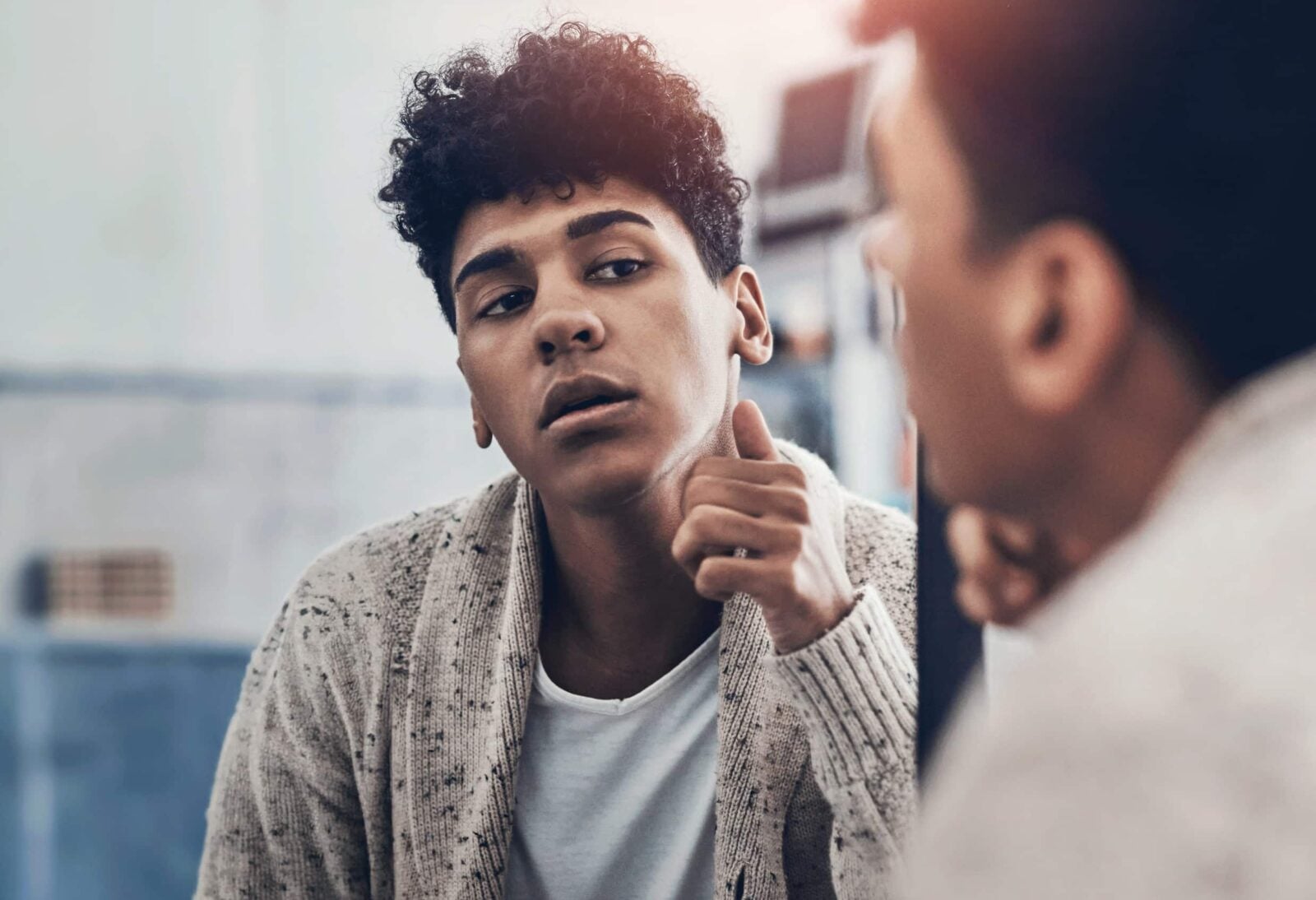
Man, mirror and check face for skincare, pimples and routine with reflection in morning at apartment. Person, glass and thinking with dermatology, cosmetics and touch for hygiene in bathroom at house
In 2026, shifting cultural expectations and hard data reveal a growing number of men opting out of long-term relationships altogether.
For decades, the standard path for most men was to find a partner, settle down, and start a family. But walk into any local coffee shop or gym today, and you will hear a different story brewing. A growing number of men are hanging up their dating shoes and deciding that the juice simply is not worth the squeeze anymore. According to the Pew Research Center, about half of men below 30 (51%) are single. Learn more.
The hardest relationships are with people who constantly do these 8 things
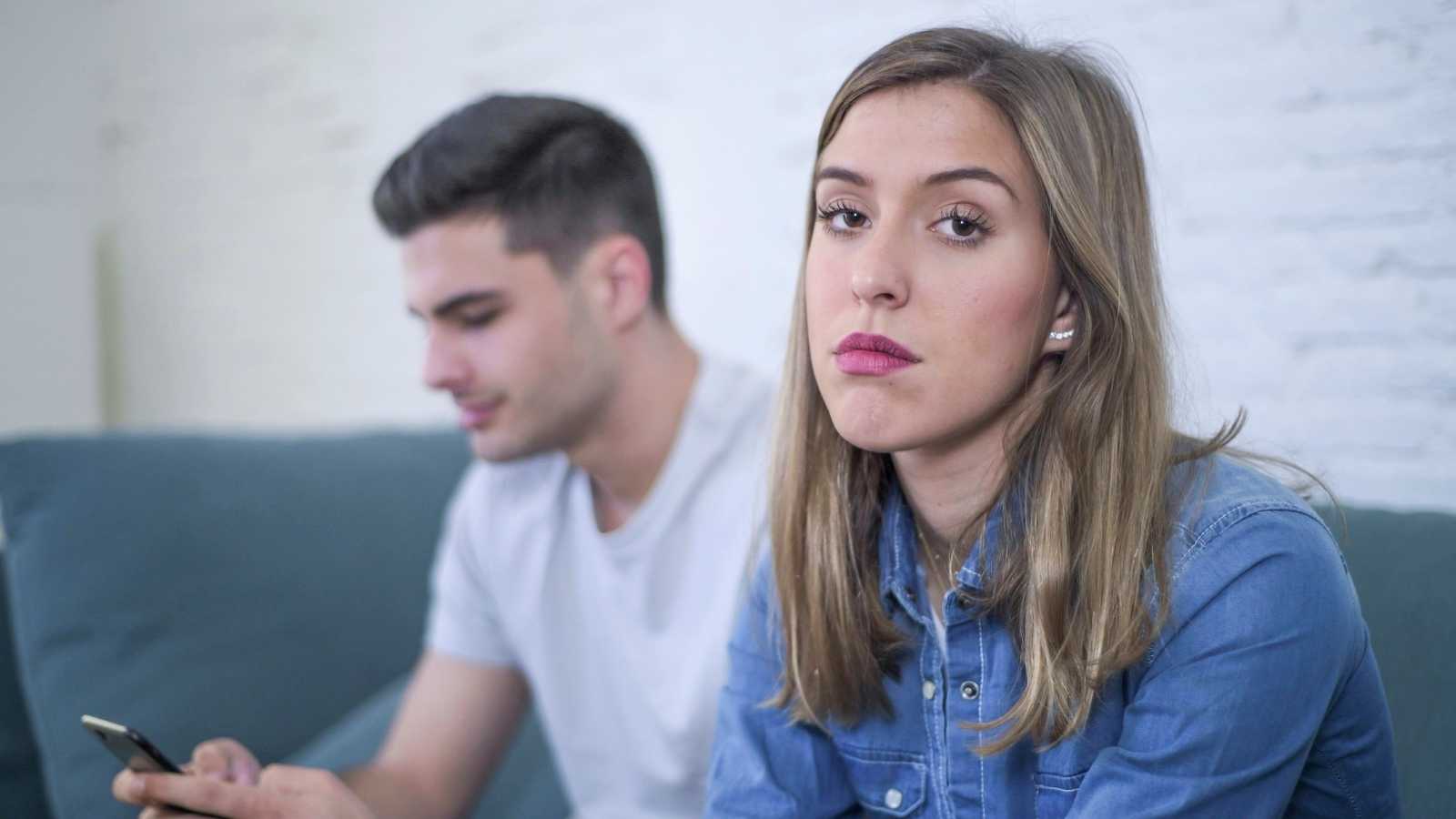
Data on toxic dynamics shows that even one or two unhealthy patterns can sharply increase stress, anxiety, and burnout in relationships, yet some people repeat the same draining habits day after day, and these 8 behaviors make being with them feel almost impossible.
Relationships are built on trust, communication, and mutual respect, but some people make it harder to maintain a healthy connection. When you’re constantly dealing with someone who exhibits toxic or draining behaviors, it can feel like an emotional rollercoaster. Although every relationship has its ups and downs, certain patterns of behavior can make it much harder than it needs to be. Learn more.
12 things modern women choose instead of chasing relationships

Modern women are redefining what it means to live a full, meaningful life. Marriage and relationships are no longer the ultimate markers of success or fulfillment.
Recent trends show that women are increasingly prioritizing personal growth, career advancement, and emotional well-being over traditional romantic commitments. It’s estimated that 45% of women ages 25–44 will be single by 2030, according to a Morgan Stanley study, reflecting a deliberate choice rather than circumstance. Learn more.





