

You ever notice how apocalypse movies make the end of society look almost… cinematic? In reality, it’d be far less dramatic and way more chaotic, with most of us wandering around trying to remember where we last left a working flashlight.
According to the United Nations University World Institute for Development Economics Research, some of the clearest warning signs of societal collapse are falling trust, rising inequality, and increasing stress on basic resources. And it’s not just theory — more than half of the global population says they barely trust their government, and nearly 40% believe life is worse than it was 50 years ago.
Let’s walk through what life could look like after everything falls apart, in a way that feels a little startling, a little funny, and very, very real.
Food becomes the main event of your day
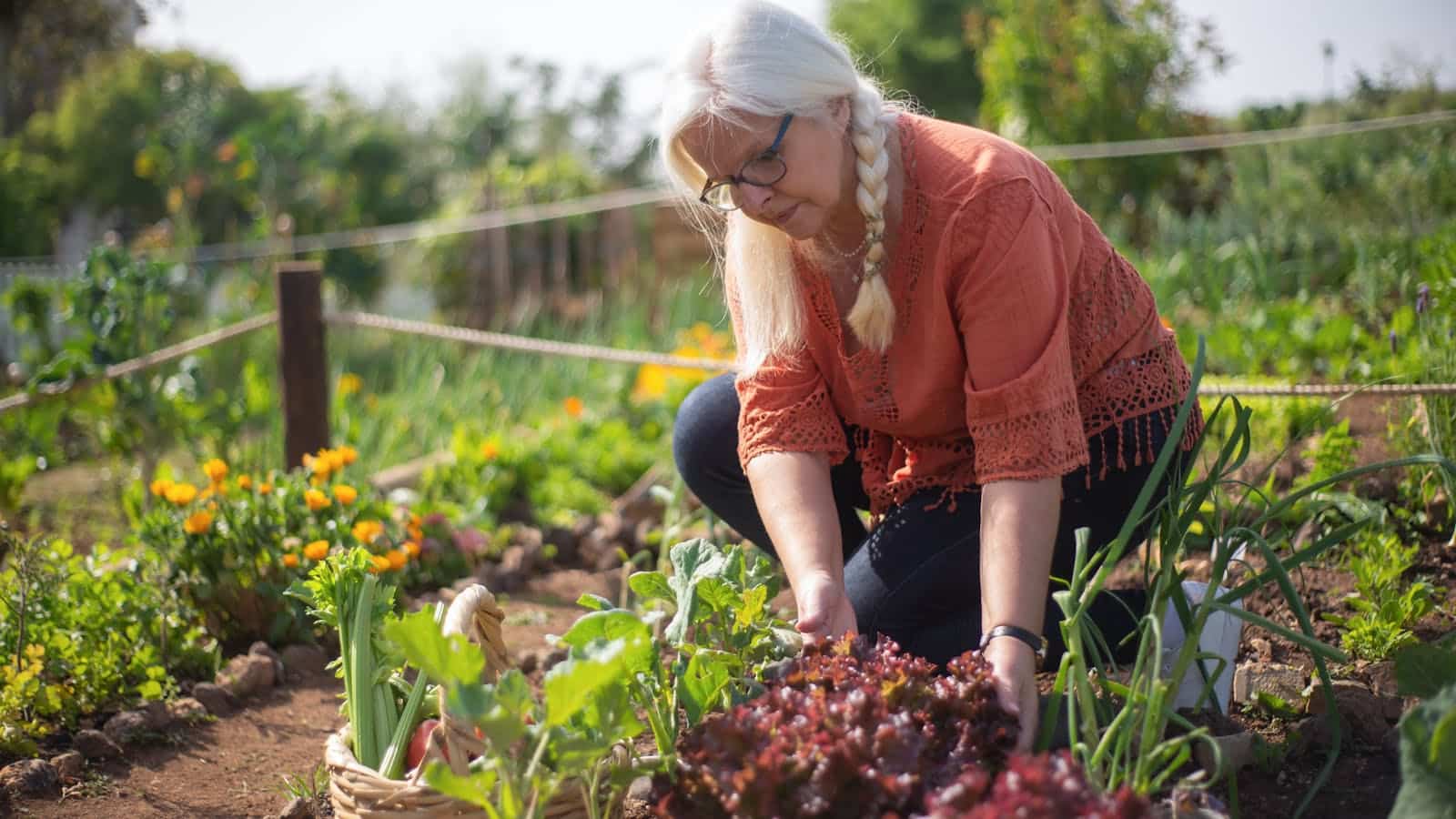
The first thing people obsess over isn’t luxury—it’s calories. Disasters disrupt access, availability, and utilization of food, forcing communities to devote most of their daily effort to securing meals.
A FAO report notes that disasters have caused $3.8 trillion in crop and livestock losses over 30 years. This represents an annual average loss of $123 billion, amounting to 5 percent of worldwide agricultural gross domestic product.
You’d suddenly appreciate things you used to ignore, like canned beans or a neighbor who still knows how to garden. You might even become hyper-aware of seasons because your meals depend on them. And yes, you’d probably start naming your tomato plants because they’d be your new coworkers.
Technology turns into treasure—until it dies

The first few weeks would still rely heavily on scavenged tech, batteries, and old devices. But once maintenance stops, most digital tools degrade quickly. A laptop becomes useless without power, a phone becomes little more than a flashlight, and the entire world suddenly feels bigger.
Still, you’d keep every device “just in case,” because hope is stubborn. One day, you’d swear you heard a faint radio signal and convince everyone to gather around.
Skills become more valuable than money

Once currency loses meaning, practical knowledge takes center stage. People who know how to repair things, treat injuries, or grow food become the new VIPs. In past collapses and crisis zones, communities often shifted into “skill-based economies” where expertise was the main trade.
You might find yourself wishing you’d paid attention during that one YouTube tutorial about fixing a leaky pipe. And yes, your friend who always loved crafts might become the neighborhood legend because they can sew.
Also on MSN: 13 safe U.S. havens if society collapses
People form tight-knit micro-communities fast

When systems crumble, people cluster into small groups for safety, stability, and sanity. Research shows that group cooperation actually increases during major disasters, not decreases.
You’d likely reconnect with people you barely spoke to before simply because they live close enough to walk to. The neighbor whose name you’ve forgotten suddenly becomes someone you rely on for clean water or news.
Healthcare becomes community-based and creative

With hospitals inaccessible, people rely on shared knowledge and makeshift tools. You’d find yourself learning things your grandparents used to know because it’s now essential.
Even simple injuries become serious concerns, which means everyone becomes more careful. And you’d quickly realize how heroic someone with first-aid training truly is.
Nature slowly takes over your city

Plants, animals, and everything in between move fast when humans stop maintaining the environment. We’ve already seen this in abandoned towns, where vegetation increases by up to 30% within a few years and wildlife returns almost immediately.
You could wake up one morning to find vines crawling over old storefronts or deer casually strolling down the street. You’d probably start feeling like the place belongs more to them than us.
You rediscover just how dark the night actually gets
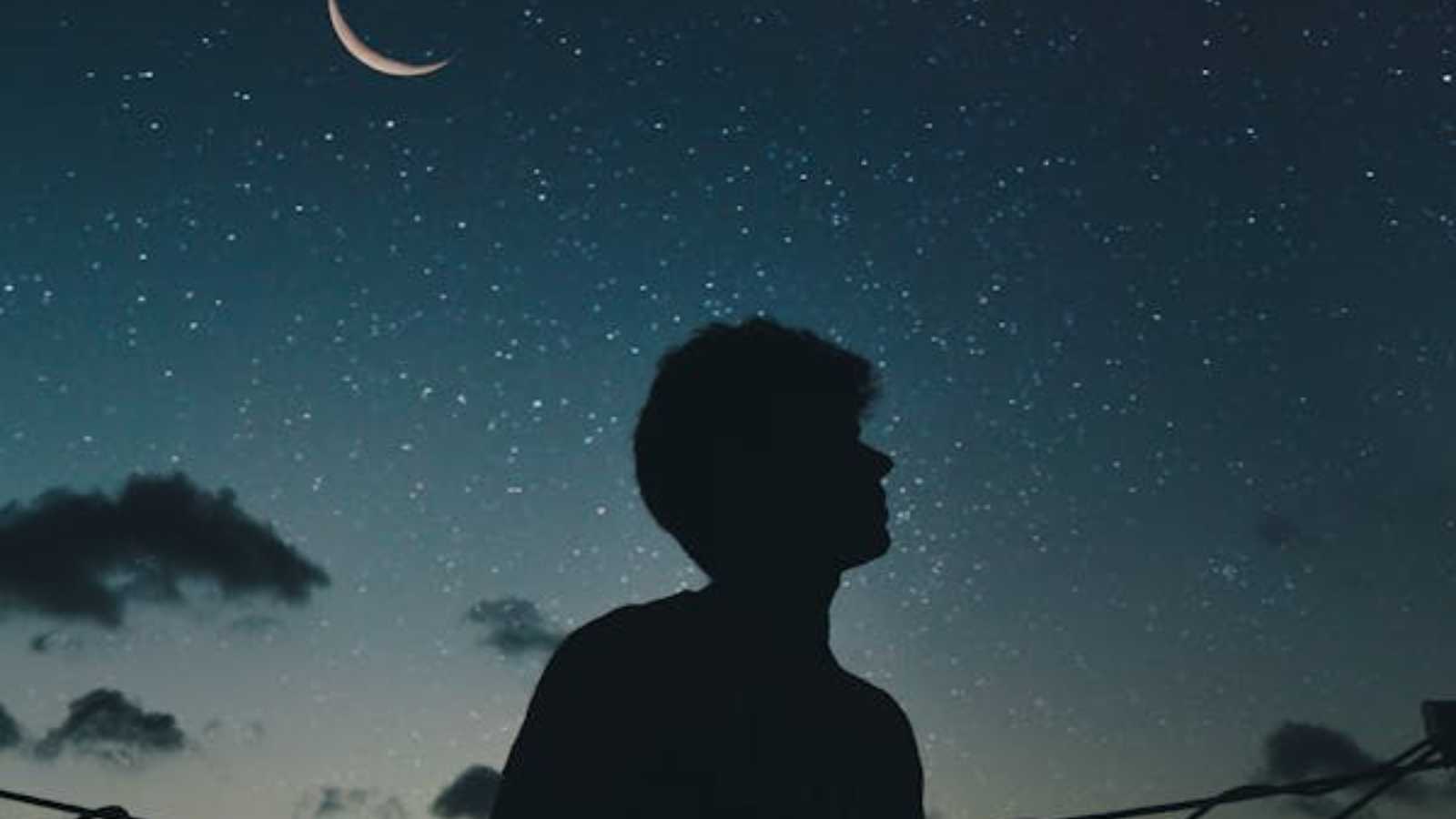
Without electricity, nights become a totally different experience. Light pollution currently affects 80% of Americans, so most of us haven’t seen a truly dark sky in decades.
After a collapse, you’d learn very quickly that the dark is not just dark—it’s deep. Even simple tasks feel risky when you can’t see more than a foot ahead. And you’d absolutely start going to bed much earlier because no one is burning precious fuel for vibes.
Old routines disappear—and unexpected new ones appear

Save this article
With no more strict schedules, your days flow differently. You stop measuring time in work hours and start measuring it in tasks like gathering firewood or checking crops.
People who once planned their lives around Google Calendar suddenly run on “sunrise and hunger” time. At first, it’s chaotic, then it feels oddly freeing. And yes, you’d absolutely brag about waking up early even though there’s nowhere to be.
Clean water becomes priceless

Modern water systems are so dependable that most people don’t even think about them. But after a collapse, water purification becomes a daily, and often exhausting, task. You’d find yourself boiling water constantly, filtering it, or using methods you never thought you’d learn.
Studies show that without piped water, many people rely on rivers and ponds that are often polluted with waste, leading to more waterborne diseases. Suddenly, that Brita pitcher feels like a luxury relic from a golden age.
You learn to appreciate the smallest joys

A warm meal. A dry pair of socks. A moment where everything feels still. People become more grateful for tiny comforts during long-term stress.
And eventually, you start realizing that joy hasn’t disappeared—it just hides in simpler places now.
Stress becomes an everyday background sound

Your brain adapts to uncertainty, but it doesn’t mean the stress goes away. Studies on long-term crisis survivors show that trauma exposure leads to persistent dysregulation of cortisol (both elevated and blunted responses), which can last years after the crisis.
You learn to function in survival mode, but you never stop listening for danger. It becomes second nature to think three steps ahead. And weirdly, you get really good at savoring calm moments because they feel rare and precious.
People cling to stories and memories

With modern entertainment gone, storytelling becomes the main form of bonding. Human history proves that stories help communities process fear and maintain identity during collapse.
You’d find yourself repeating family tales or inventing new ones around a fire. Even younger people start holding onto memories like they’re currency. And sometimes, those shared stories become the glue that keeps everyone going.
Key takeaways
Life after a societal collapse isn’t glamorous—it’s gritty, strange, and unexpectedly human. People adapt faster than they expect, but the adjustment reshapes everything, including daily routines and community bonds.
The things we take for granted today become the pillars of survival tomorrow. And even in the toughest conditions, people still find ways to connect, laugh, and build meaning.
Disclaimer – This list is solely the author’s opinion based on research and publicly available information. It is not intended to be professional advice.
Disclosure: This article was developed with the assistance of AI and was subsequently reviewed, revised, and approved by our editorial team.
14 Things That Label You as ‘Uneducated’ on Social Media

14 Things That Label You as ‘Uneducated’ on Social Media
Welcome to the digital world, a place as intriguing as treacherous, where your online persona can instantly charm or alarm others. In this realm, your social media presence is your calling card, a digital mirror reflecting your thoughts, beliefs, and, perhaps, inadvertently, your level of education. Yet, fear not! This guide is here to help you navigate the vast ocean of social media with grace and wisdom.
14 Boomer Habits That Are Making a Comeback
14 Boomer Habits That Are Making a Comeback
As trends in lifestyle and culture ebb and flow, certain habits from previous generations resurface, influencing new generations in unexpected ways. The boomer generation is now seeing many of its beloved practices and preferences re-emerge, often taking on a modern twist that appeals to today’s youth.
These 14 resurgent boomer habits reflect nostalgia and a growing appreciation for simplicity and authenticity in an increasingly changing world.





