The Pura Vida dream is cracking as more Americans abandon Costa Rica amid soaring costs and strained infrastructure.
Costa Rica has long been the poster child for the “Pura Vida” dream, attracting waves of retirees and digital nomads seeking a simpler life. However, recent data suggests a shift is underway, as thousands of Americans quietly pack up and return home each year.
It turns out paradise comes with a heavy price tag, and for many, the cost is becoming too high to bear in the current economic climate. While the scenery remains stunning, practical issues like rising costs and infrastructure struggles are driving a reverse migration back to the States.
Bureaucratic Nightmares

Trying to get legal residency can feel like running a marathon in quicksand with no finish line in sight. The paperwork is endless, the appointments are often canceled without notice, and the rules seem to shift with the wind every few months.
Many Americans give up after years of waiting and legal fees, deciding that the stress of staying legal just isn’t worth the hassle anymore. Simple tasks like opening a bank account or getting a driver’s license can take days of queuing and frustration.
The Rising Cost Of Living

Many expats move south expecting to live like kings on a pauper’s wage, but they are often shocked by the sticker price at the grocery store. Imported goods like peanut butter or cereal can cost double what they do in the United States, quickly wrecking a carefully planned monthly budget.
The days of cheap living are fading fast as the colón fluctuates and global inflation hits this small Central American nation hard. You might find yourself counting pennies just to afford the same lifestyle you left behind, realizing that money does not stretch as far as you hoped.
Real Estate Sticker Shock

Finding an affordable home has become a near-impossible task for those without deep pockets or a massive savings account. Prices in popular expat hubs like Tamarindo or Santa Teresa now rival those in Florida or California, pushing out the average retiree.
The finance required to secure a property is substantial, often draining savings accounts much faster than anticipated. Rent prices have also surged, meaning that the dream of a cheap tropical bungalow is essentially a thing of the past.
The Endless Traffic Jams

You might imagine breezy drives through the rainforest, but the reality is often hours spent sitting in a gridlocked car. The infrastructure simply has not kept up with the population growth, turning a ten-mile trip into a two-hour ordeal that tests your patience. A Tico time Report has previously ranked Costa Rica’s road quality among the worst in the region.
Potholes are a common feature of the roads, often deep enough to swallow a tire and cause significant damage to your vehicle. Travel between towns can be exhausting and dangerous, taking the joy out of exploring the beautiful countryside that drew you there.
The Heat And Mold Battle

The tropical climate is impressive for a week, but living in a sauna 24/7 takes a heavy toll on your comfort and your home. High humidity means that everything you own is constantly under attack from mold, ruining clothes, electronics, and leather goods. The average moisture often hovers between 70% and 85%, creating a constant level of dampness.
Maintaining the beauty of your home requires constant vigilance and the constant running of expensive dehumidifiers to keep fungus at bay. You spend half your time cleaning green fuzz off your furniture. It impacts your health and respiratory system in ways you might not expect.
Petty Crime Concerns

While it is generally safer than in many other countries in the region, petty theft remains a persistent issue, keeping residents on high alert. You cannot leave anything valuable on your porch or in your vehicle without risking it disappearing within minutes. Costa Rica reported over 907 homicides in 2023, indicating a troubling rise in violent crime rates nationally.
This constant need for security bars on windows and high walls creates a prison-like atmosphere that contradicts the open, free feeling people crave. You have to be constantly vigilant about your surroundings, which creates a low-level stress that never really goes away. It can make you feel vulnerable in your own neighborhood.
Healthcare Wait Times

The public health system, known as the CAJA, is affordable but plagued by agonizingly long wait times for routine procedures. It is not uncommon to wait months or even years for a specialist appointment or a necessary surgery. Reports indicate that waiting lists for certain surgeries can stretch over 500 days.
While private care is excellent, it is becoming nearly as expensive as care in the United States for those paying out of pocket. Without a robust insurance plan, a medical emergency can become a financial catastrophe that forces a return to Medicare coverage back home.
The High Price Of Electronics

Save this article
If your laptop breaks or you need a new phone, prepare to pay a premium that will make your wallet weep. This makes staying connected a costly endeavor.
This makes planning for technology upgrades a significant headache for digital nomads and retirees alike who rely on these tools. Many people end up flying back to the States to buy a computer, only to realize the flight is cheaper than the tax.
Cultural Isolation

Living in a gated community with other expats can create a bubble that prevents proper integration into the local culture. Many Americans struggle to form deep relationships with locals due to language barriers and cultural differences. This can lead to a shallow social existence that feels unfulfilling.
This isolation leads to a sense of loneliness that no amount of sunshine can cure over the long term. You might find yourself missing the deep, unspoken understanding of your home culture, feeling like a permanent outsider looking in.
Creepy Crawlies Everywhere
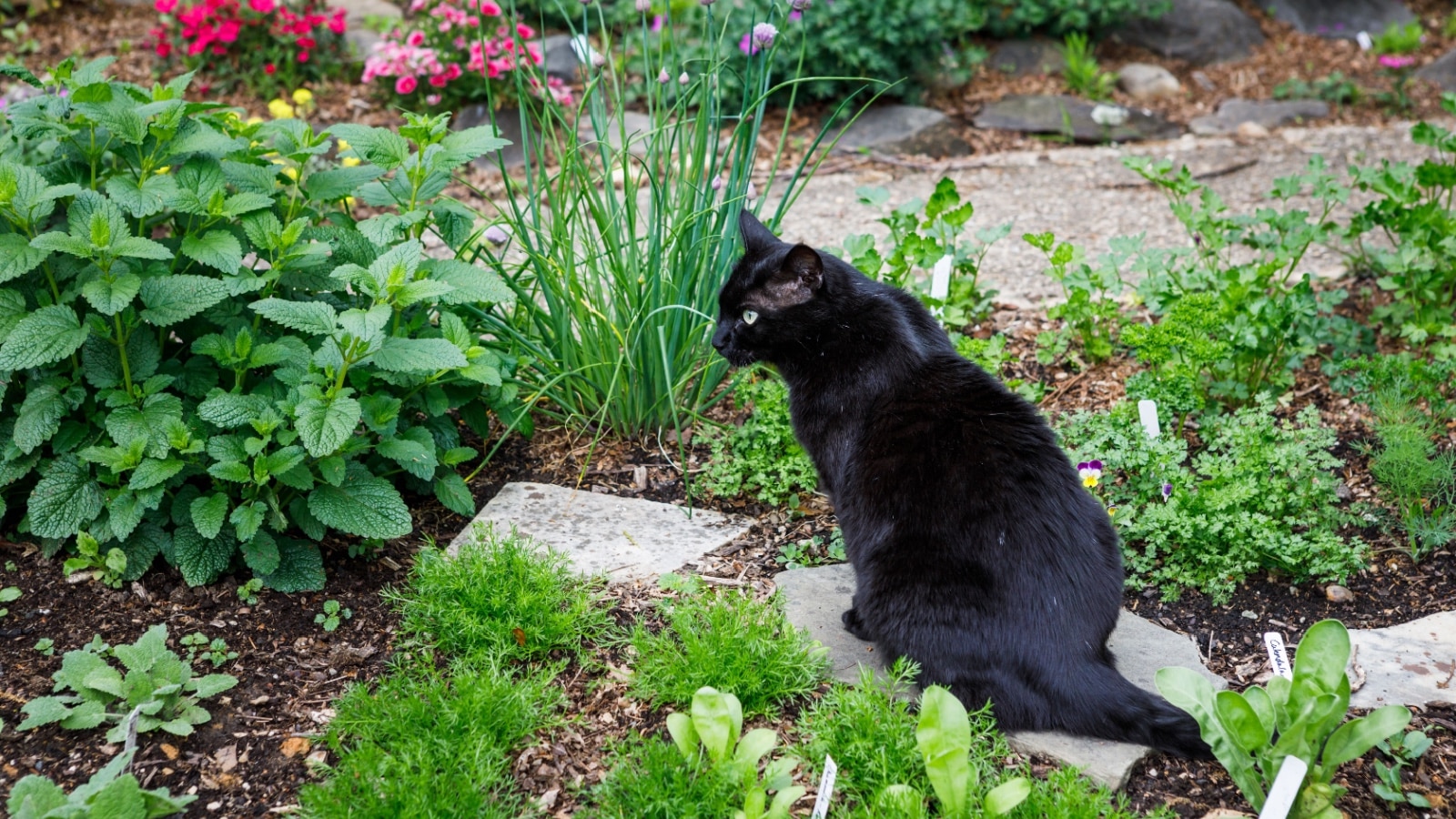
Sharing your home with nature takes on a new meaning when scorpions and giant spiders become your actual roommates. It is not just an annoyance; it can be a genuine danger for you and your beloved pet while exploring the garden. You have to learn to live with creatures that would send most people screaming.
You have to shake out your shoes every morning and check your bedsheets before climbing in at night to avoid a sting. The relentless presence of insects and critters wears down your nerves, making you long for a sterile, sealed apartment.
Limited Career Opportunities

Unless you are a digital nomad with a remote job, finding work locally is legally complex and financially unrewarding. Laws strictly protect local jobs, meaning you cannot just pick up a shift at a bar or offer consulting services easily. You are essentially locked out of the local labor market.
This lack of professional inspiration and income can lead to boredom and a loss of purpose for younger expats. Without the ability to contribute and earn, the days can start to feel long and empty after the novelty wears off.
Missing The Conveniences

You will miss the ease of one-stop shopping and the vast variety of products available back home in the US. Trying to find the specific ingredients for your grandmother’s Thanksgiving recipe or a special diet can be a frustrating treasure hunt.
Sometimes you just want a specific breakfast cereal or a comfort food that isn’t on the shelves there. The charm of fresh markets fades when you realize you cannot get the simple items that make life easier. It creates a longing for the convenience of American retail.
Key Takeaway

While Costa Rica offers incredible beauty, the reality of daily life often involves high costs, safety concerns, and bureaucratic hurdles.
Many Americans eventually realize that visiting paradise is terrific, but living there requires a level of patience and financial management that makes moving back home the more intelligent choice.
Disclaimer: This list is solely the author’s opinion based on research and publicly available information. It is not intended to be professional advice.
Disclosure: This article was developed with the assistance of AI and was subsequently reviewed, revised, and approved by our editorial team.
20 Odd American Traditions That Confuse the Rest of the World
20 Odd American Traditions That Confuse the Rest of the World
It’s no surprise that cultures worldwide have their own unique customs and traditions, but some of America’s most beloved habits can seem downright strange to outsiders.
Many American traditions may seem odd or even bizarre to people from other countries. Here are twenty of the strangest American traditions that confuse the rest of the world.
20 of the Worst American Tourist Attractions, Ranked in Order

20 of the Worst American Tourist Attractions, Ranked in Order
If you’ve found yourself here, it’s likely because you’re on a noble quest for the worst of the worst—the crème de la crème of the most underwhelming and downright disappointing tourist traps America offers. Maybe you’re looking to avoid common pitfalls, or perhaps you’re just a connoisseur of the hilariously bad.
Whatever the reason, here is a list that’s sure to entertain, if not educate. Hold onto your hats and explore the ranking, in sequential order, of the 20 worst American tourist attractions.