

What if the golden years you’ve worked so hard to reach become the time you stop prioritizing your own well-being? A 2025 meta-analysis published in the International Journal of Nursing Knowledge reveals a startling reality: 27% of seniors experience self-neglect, a condition that ranges from poor hygiene to skipping critical medical appointments. Far from being a simple case of laziness, self-neglect arises from a complex web of underlying issues.
Medicare data underscores the far-reaching consequences, with preventable health complications adding over $1 billion annually in unnecessary costs to the healthcare system. This burden extends beyond finances, profoundly affecting millions of American families and creating ripples that impact far more than just individual health.
Self-neglect among older adults has reached epidemic levels. As the baby boomer generation continues aging, with approximately 10,000 Americans turning 65 every day, the urgency to recognize and address these 12 patterns of self-neglect has never been greater.
Physical Limitations Make Daily Tasks Overwhelming

According to the Centers for Disease Control and Prevention (CDC), 54.4 million adults live with arthritis, and the prevalence of this disease grows with age, rising at an increasing rate starting at age 65. Every day activities, such as buttoning a shirt, opening a jar of medicine — even getting out of bed — become exhausting tasks for which many seniors have an easy solution.
As the National Institute on Aging notes, 79 percent of older adults live with at least one chronic condition, and even the most basic forms of self-care can feel overwhelming. What used to be a five-minute task now takes close to 30, and in many cases, seniors are discouraged before they even start their day.
Depression Undermines Motivation for Self-Care
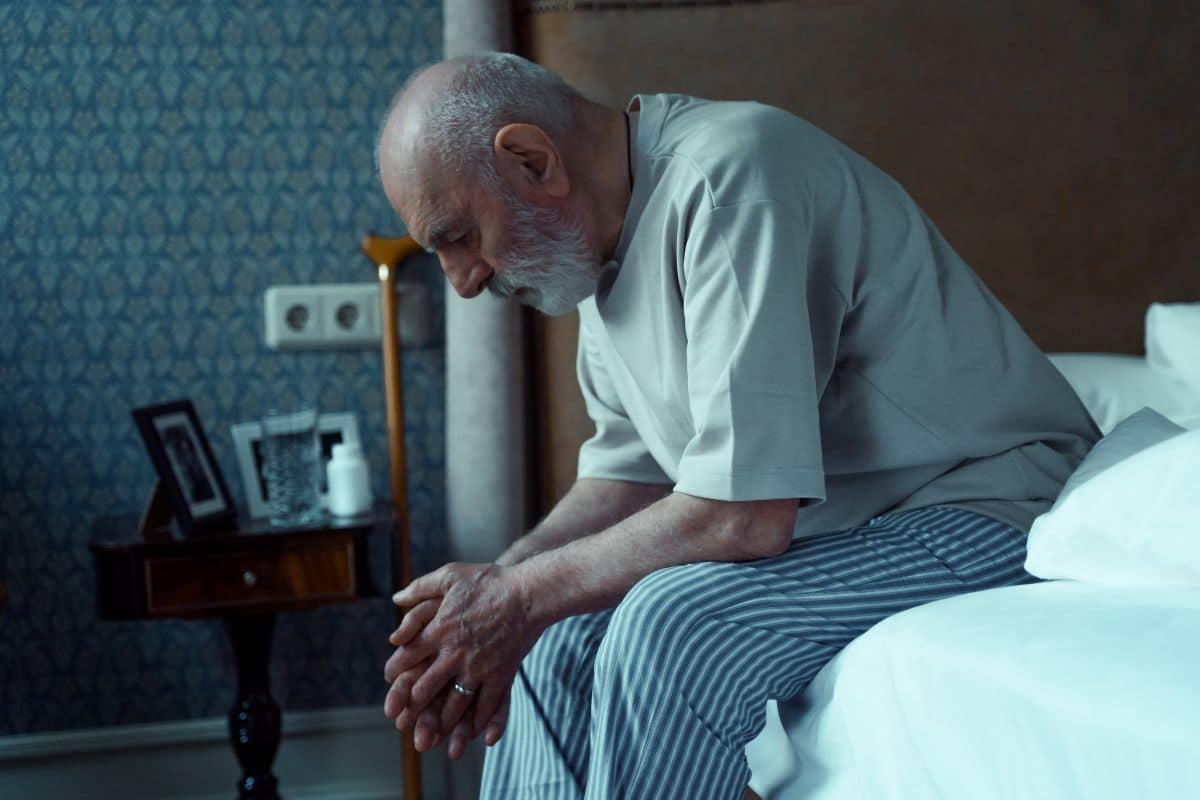
An estimated 6.5million American adults aged 65 and older are affected by depression, according to the National Alliance on Mental Illness. This illness robs its sufferers of the ability to perform even the most basic activities of daily living.
The World Health Organization recognizes depression as one of the main contributors to the burden of disability, and increasing age elevates risk for depression among older adults, with grief, a sense of isolation, and declining physical health among older adults contributing to the risk.
Depression also affects cognition, which can make it difficult to remember when medications need to be taken or to maintain a routine. This produces hazardous discontinuities in care that accumulate over time and result in avoidable health crises.
Social Isolation Removes Accountability Partners

The natural accountability that comes from in-person human connections can be lost. Friends or family who used to offer “softer” compliments, fashion tips, or healthy reminders may no longer be around on a daily basis.
Elderly people living alone often neglect their appearance and health because nobody else will notice the decline, and many are left to drift alone without outside validation or encouragement.
The COVID-19 pandemic has exacerbated the isolation trend, with the closing of senior centers and social distancing measures cutting off important support networks. Other seniors who were once socially active were all of a sudden entirely on their own, experiencing a significant backslide in self-care that persisted after things reopened.
Access to Care Resources Is Financially Restricted

Over 17 million Americans over the age of 65 are economically challenged, living at the federal poverty level or below. Fixed incomes often necessitate choosing between medications, healthy food, and basic toiletries. According to the Employee Benefit Research Institute, health costs are absorbing household expenditures among poverty-stricken seniors, offering little room for other expenses.
Medicare pays for most healthcare, but it does not cover dental, vision, or hearing care, and it fails to provide catastrophic coverage, leaving significant gaps in healthcare coverage and impacting quality of life. The Kaiser Family Foundation has documented that the average Medicare beneficiary incurs $ 5,460 in out-of-pocket costs annually for healthcare, putting them in a significant financial squeeze and deterring many from the care they need.
Learned Dependency and Loss of Independence

Following repeated experiences of being let down or frustrated, older adults may feel that they have lost control over their own needs. This behavioural barrier influences decision-making and decreases motivation to try self-care interventions. Family members can sometimes reinforce learned helplessness by doing for the older adults what they can still do with help.
Energy and Motivation Sucked by Side Effects from Medications

Almost 9 in 10 adults age 65 and older use prescription drugs, and about 54% use four or more prescription drugs, according to the National Center for Health Statistics. These drugs generally elicit side effects such as fatigue, poor cognition, and lack of motivation. Symptoms, such as fatigue, dizziness, nausea, and depression, are the most common and have detrimental effects on daily activities of life. The addition of many different drugs acts to generate a more complicated set of drug interactions, which serve to enhance side effects.
Chronic Pain Makes Self-Care Activities Unbearable

The CDC emphasizes that 36.0% of adults aged 65 or older suffer from chronic pain symptomatic enough to limit daily activities, and neuropathy, turning everyday self-care activities into significant pain. Pain also interferes with sleep, and fatigue leads to a decrease in motivation for self-care. Chronically ill pain patients get less restful sleep per night than do those who don’t have chronic pain, creating a cycle in which the pain management is more complex to maintain and self-care feels more out of reach.
The Death of Loved Ones Makes It Difficult To Maintain Oneself

Save this article
The failure of the elderly to care for themselves in response to their spousal, friendship, or parental loss is heavily influenced by grief. Grief can be a time when the upkeep of oneself seems empty and impossible. The widowed are all-too-commonly heard expressing that dressing up no longer has any purpose and there’s no one to appreciate it.
The ripples of grief not only cause emotional pain — they weigh people down practically. The responsibilities were often divided between husband and wife, with spouses juggling care and daily routines; now, survivors feel overwhelmed by what they had never managed alone. This logistical burden exacerbates emotional grief so that self-care seems not merely complicated, but an impossibility.
Avoidant Behaviors as a Result of Health Anxiety

A fear of medical issues often leads seniors to shun the care that could help preserve their health. Seniors sometimes avoid going to the doctor because they are afraid they’ll hear something they’d rather not; they may not monitor themselves because they don’t want bad news. Some seniors may avoid looking in mirrors to avoid seeing physical decline, or they may wear oversized clothing to disguise uncomfortable weight changes.
Sensory Impairments Create Safety Concerns

Age-related hearing loss affects 25% of adults ages 65-74 and 50 percent of those 75 and older, according to the National Institute on Deafness and Other Communication Disorders. These sensory changes can make self-care feel risky or impossible to do safely.
Diminished vision can also limit one’s ability to see the remaining soap on the skin, properly apply medications, or determine when clothes need to be changed. Hearing impairment can make it difficult to hear running water or to notice hazards while bathing. Social stigma due to sensory loss also leads to reduced motivation for self-help. Instead of risking misunderstandings due to conversation misperceptions or food stains on their clothing, older people will avoid contact with others, which leads to more isolation and more patterns of self-neglect.
Overwhelming Healthcare System Navigation

In that scenario, seniors face challenges in their efforts to age healthily due to complications in today’s healthcare system. Medicare, by itself, is composed of multiple parts, supplemental insurance decisions, and coverage gaps, which can confound even well-informed patients. Older adults aged 65 and older whose incomes were under 200% of the federal poverty level were underinsured at the highest rate(37%).
The complex scheduling of appointments with various specialists, centralized collection of test results, and organization of insurance approvals can tax organizational capacities that might be impaired in the setting of cognitive dysfunction or frailty.
Age-Related Identity Shifts Reduce Self-Worth

Retirement, body changes, and role transitions can transform the way senior people experience themselves and their value. Changes in identity also shape health behaviors among older adults.
An older adult who defines themselves by their work or physical ability will find it difficult to find meaning in self-care when the latter is no longer relevant. Cultural narratives about the experience of aging tend to focus on loss, rather than the promise and continued potential for growth.
Key Takeaways

Physical limitations, mental health matters, social isolation, financial pressures, and systemic obstructions form perfect storms that can sink even those who once felt pretty competent.
Identifying these patterns helps families, healthcare providers, and communities to identify and design interventions to treat root causes, not just symptoms. Elder abuse awareness and intervention can allow older adults to retain dignity, health, and quality of life in their twilight years. The solution is as complex as the problem, requiring integration with health and social service systems, as well as with families, so that older Americans receive the support they need to continue taking good care of themselves.
Disclaimer – This list is solely the author’s opinion based on research and publicly available information. It is not intended to be professional advice.
16 Grocery Staples to Stock Up On Before Prices Spike Again
16 Grocery Staples to Stock Up On Before Prices Spike Again
I was in the grocery store the other day, and it hit me—I’m buying the exact same things I always do, but my bill just keeps getting higher. Like, I swear I just blinked, and suddenly eggs are a luxury item. What’s going on?
Inflation, supply-chain delays, and erratic weather conditions have modestly (or, let’s face it, dramatically) pushed the prices of staples ever higher. The USDA reports that food prices climbed an additional 2.9% year over year in May 2025—and that’s after the inflation storm of 2022–2023.
So, if you’ve got room in a pantry, freezer, or even a couple of extra shelves, now might be a good moment to stock up on these staple groceries—before the prices rise later.
6 Gas Station Chains With Food So Good It’s Worth Driving Out Of Your Way For

6 Gas Station Chains With Food So Good It’s Worth Driving Out Of Your Way For
We scoured the Internet to see what people had to say about gas station food. If you think the only things available are wrinkled hot dogs of indeterminate age and day-glow slushies, we’ve got great, tasty news for you. Whether it ends up being part of a regular routine or your only resource on a long car trip, we have the food info you need.
Let’s look at 6 gas stations that folks can’t get enough of and see what they have for you to eat.





