

Restaurants run on controlled chaos. Servers juggle multiple tables, shifting priorities, and nonstop customer requests, often under time pressure that leaves little room to reset. A NeuroLaunch report highlights that this constant strain contributes to chronic stress, burnout, and even long-term anxiety for many in the industry, which is why servers learn to read situations fast.
Those first 30 seconds matter—not out of judgment, but survival—because pattern recognition helps them anticipate problems before they escalate. This list is a peek behind the apron.
Ignoring the host or greeting

When someone walks straight past the host stand or avoids a simple greeting, it quietly raises flags for the staff. Hosts manage the rhythm of the dining room, so skipping them often signals impatience before a single word is spoken. Servers notice this right away because that same impatience tends to resurface later—during drink orders, food timing, or the check.
Research from the University of Texas at Austin helps explain why this matters: impatience is closely tied to a psychological “need for closure,” or the urge to complete tasks quickly and eliminate waiting altogether. In a restaurant setting, that unmet need shows up fast, shaping first impressions and subtly influencing how staff anticipate the rest of the interaction.
Sitting anywhere without asking

Choosing your own table might feel harmless, but it disrupts section assignments. Servers are scheduled and paid based on those sections, not vibes.
A table that seats itself can accidentally overload one server and short another. In busy restaurants, that imbalance slows service for everyone. It’s a small move with a ripple effect.
Treating kids or companions dismissively
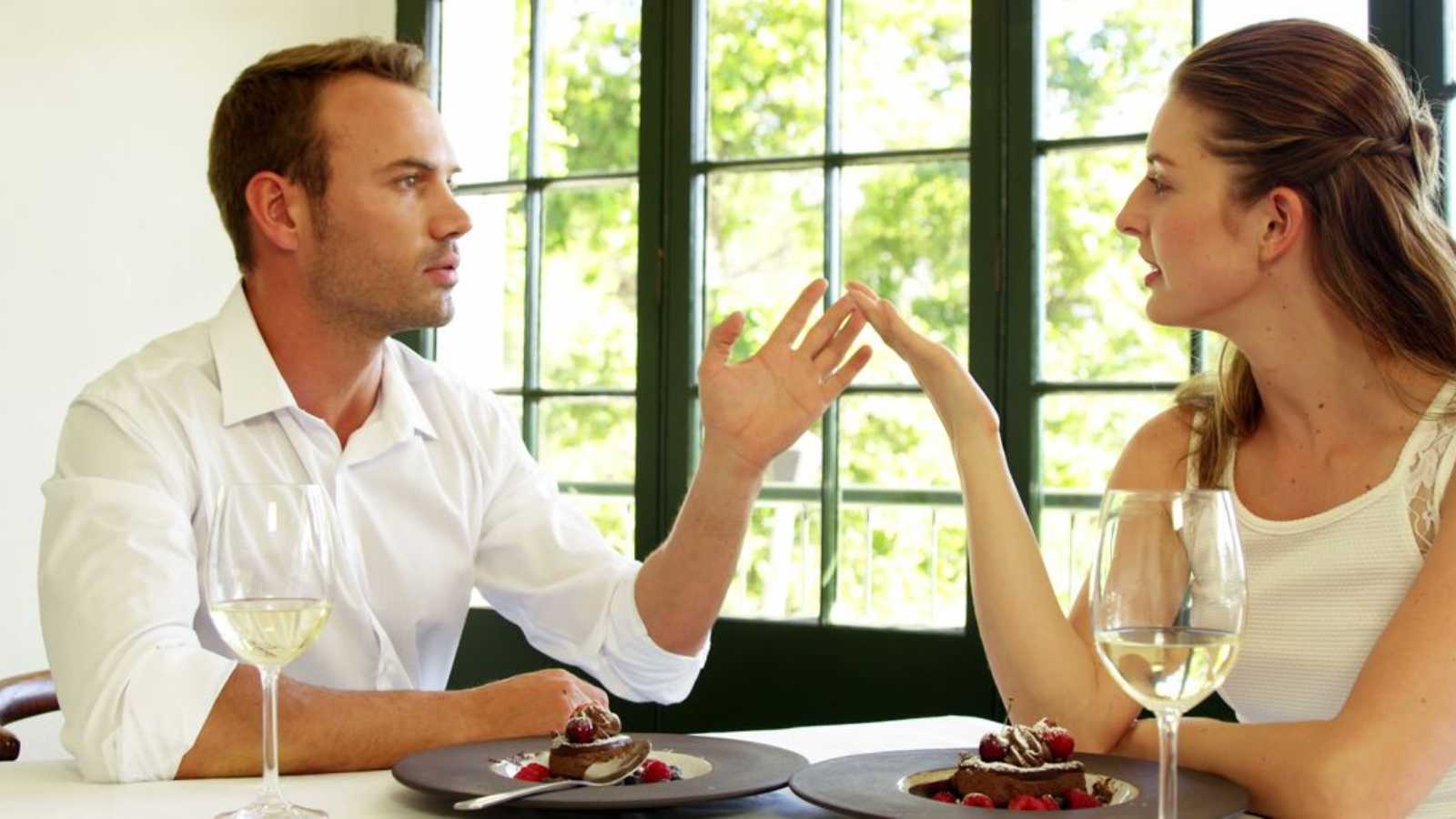
Servers pay close attention to how guests treat the people they’re with. Eye rolling, snapping, or talking over others stands out immediately. Those behaviors often extend to the staff later.
Restaurant workers report that table dynamics strongly predict tipping and satisfaction. Kindness is contagious, even across the table.
Also on MSN: 10 fish dishes to avoid ordering at restaurants
Opening menus before acknowledging the server

This one is subtle but telling. When a server greets the table and gets silence or a nod without eye contact, it often signals low engagement.
Servers rely on quick cues to pace the meal and prioritize tasks. Research shows that perceived respect affects service quality and emotional labor. A simple “hi” goes a long way, doesn’t it?
Asking about prices with visible irritation

Budget questions are normal, but tone matters. Servers can tell the difference between curiosity and resentment. When frustration shows early, it often resurfaces when the bill arrives.
Price sensitivity increases stress for both buyers and sellers. A calm question keeps the mood intact.
Declaring you’re “a really good tipper”

Ironically, servers hear this phrase before some of the lowest tips. Self-proclaimed generosity doesn’t always match outcomes.
Experienced servers quietly adjust expectations when they hear it. Actions speak louder at the end of the meal.
Asking for substitutions immediately

Research shows that 70% of diners are more likely to return if their special requests are met. Customizing isn’t wrong, but doing it before understanding the menu raises eyebrows.
Some kitchens can’t easily accommodate swaps, especially during peak hours. Servers know that early heavy modifications often lead to more later.
Not putting phones away during introductions

Save this article
Glancing at a phone while the restaurant server is speaking sends a clear message. It suggests the interaction is an interruption, not part of the experience.
Servers then keep things strictly transactional. Divided focus reduces perceived warmth.
Ordering before everyone is ready

Rushing the order can throw off kitchen timing. Servers plan courses and pacing based on group readiness. When one person pushes ahead, it complicates that rhythm.
Restaurant coordination is key to smooth service. Meals tend to taste better when timing feels right.
Complaining before anything goes wrong

Preemptive complaints are a big signal. Statements like “We’ve had bad service everywhere lately” put servers on edge. It frames the experience as a potential conflict instead of a shared moment.
Psychologists note that expectation bias can shape outcomes in social interactions. Starting neutral gives everyone room to succeed.
Making jokes at the server’s expense

Humor can be fun, but servers instantly clock punch down jokes. Comments about tips, intelligence, or authority land awkwardly.
Laughter should make everyone comfortable, not just the table. If you wouldn’t say it to a coworker, maybe skip it.
Asking “Who’s actually in charge here?”

This question often hints at control issues. Restaurants operate as teams, not hierarchies visible to guests. Servers hear this most often right before a complaint escalation.
Confrontational language increases service breakdowns. Trust usually works better than testing authority.
Key takeaways
Servers aren’t looking for perfection, just basic awareness and respect. Small behaviors at the start shape how the entire meal unfolds.
Most red flags come from impatience, not bad intentions. When guests and servers meet each other halfway, everyone enjoys the experience more.
Disclaimer – This list is solely the author’s opinion based on research and publicly available information. It is not intended to be professional advice.
Disclosure: This article was developed with the assistance of AI and was subsequently reviewed, revised, and approved by our editorial team.
20 Odd American Traditions That Confuse the Rest of the World
20 Odd American Traditions That Confuse the Rest of the World
It’s no surprise that cultures worldwide have their own unique customs and traditions, but some of America’s most beloved habits can seem downright strange to outsiders.
Many American traditions may seem odd or even bizarre to people from other countries. Here are twenty of the strangest American traditions that confuse the rest of the world.
20 of the Worst American Tourist Attractions, Ranked in Order

20 of the Worst American Tourist Attractions, Ranked in Order
If you’ve found yourself here, it’s likely because you’re on a noble quest for the worst of the worst—the crème de la crème of the most underwhelming and downright disappointing tourist traps America offers. Maybe you’re looking to avoid common pitfalls, or perhaps just a connoisseur of the hilariously bad.
Whatever the reason, here is a list that’s sure to entertain, if not educate. Hold onto your hats and explore the ranking, in sequential order, of the 20 worst American tourist attractions.





