Products long considered everyday essentials are now under renewed scrutiny as federal regulators respond to new safety data and security concerns. From household items to digital services, a growing number of familiar products may soon face restrictions or outright bans.
We often think of the products we buy as permanent fixtures in our lives, but government agencies are constantly reviewing what is safe for the public. Items that were once considered standard household staples are now facing scrutiny due to new scientific data or national security concerns. Federal regulators are moving faster than ever to remove products they deem dangerous or unfair to consumers.
From the appliances in your kitchen to the apps on your phone, nothing is safe from potential regulation. These proposed bans aim to improve public safety and save consumers from hidden costs or long-term medical issues. Here are twelve things that might soon disappear from American shelves and services.
Methylene Chloride Paint Strippers
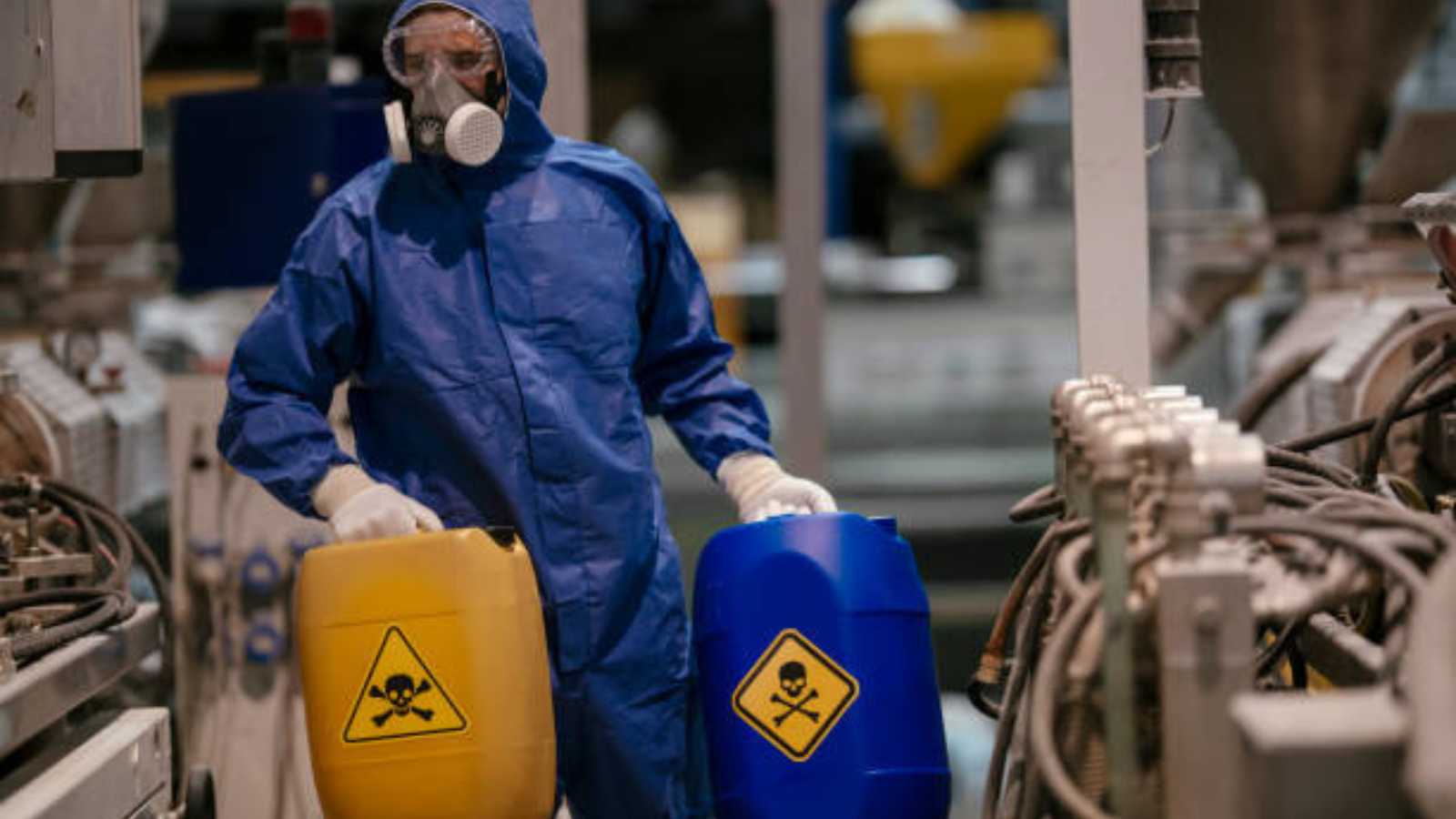
The EPA has finalized a ban on most uses of methylene chloride, which is a chemical widely used in paint strippers. The ban protects do-it-yourselfers and professional contractors from a product that can kill in minutes.
The risks associated with this chemical are severe and have been documented for decades. The EPA determined that long-term exposure poses an unacceptably high cancer risk for workers without proper protection. It is a necessary prohibition to keep home renovations from turning deadly.
Menthol Cigarettes
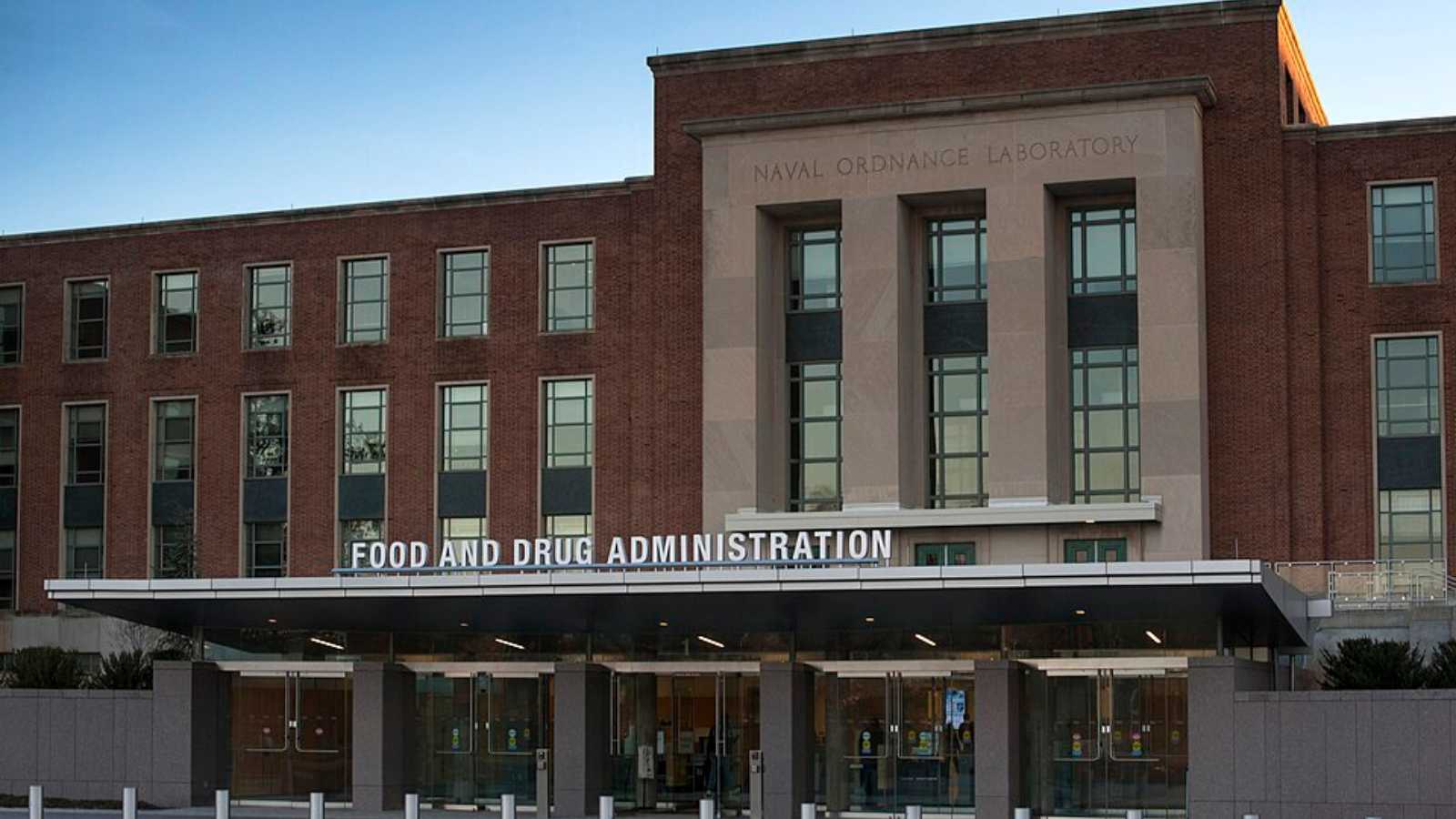
The Food and Drug Administration has spent years working toward a total ban on menthol as a characterizing flavor in cigarettes. This move targets addiction at the source by removing the most popular flavored tobacco product left on the market.
Public health experts believe this single regulatory change could save hundreds of lives over the next few decades. The FDA estimates that eliminating menthol cigarettes could prevent between 324,000 and 654,000 smoking-attributable deaths over the next forty years. It is a massive step toward improving the nation’s health.
Gas Stoves (New Efficiency Standards)

While the federal government has stated it will not seize existing stoves, new regulations could effectively ban around half of the current models on the market. The Department of Energy is pushing for stricter efficiency standards that would force manufacturers to redesign their products significantly.
The primary concern is the release of nitrogen dioxide, which can be harmful to the respiratory system, especially in children. A peer-reviewed study published in 2022 estimated that 12.7% of current childhood asthma in the US is attributable to gas stove use. Homeowners may soon have to switch to induction to meet new codes.
TikTok

Congress passed legislation forcing the Chinese parent company of TikTok to divest the app or face a nationwide ban. The clock is ticking for the company to find a buyer before app stores are forced to remove it.
The potential ban would disrupt the digital lives of a massive portion of the American population. The app currently boasts 170 million users in the United States who use it for entertainment and business. A ban would force these creators to migrate their entire lifestyle to new platforms.
Red Dye No. 3

This synthetic food coloring is already banned in cosmetics but remains legal in food despite known cancer risks in animals. It is commonly found in candies, baked goods, and even in medicines marketed directly to children.
Removing this dye would require thousands of major food brands to reformulate their recipes. The Environmental Working Group identified nearly 3,000 food products sold in U.S. grocery stores still contain Red Dye No. 3. Consumers are becoming increasingly wary of these artificial additives in their diet.
Non-Compete Agreements

The Federal Trade Commission voted to ban non-compete clauses that prevent workers from switching jobs within their industry. The goal is to give employees the freedom to seek better opportunities without fear of legal retaliation.
The impact of this ban would be felt across almost every sector of the economy. The FTC estimates that banning these clauses would affect about 30 million American workers who are currently bound by them. It is a move designed to put more power and money back into employees’ hands.
New Gas-Powered Cars Image

Save this article
While not an immediate total ban, the EPA has finalized strict emissions standards that will effectively phase out most new gas cars. States like California have gone a step further by mandating that all new car sales must be zero-emission in the near future.
This transition marks the end of the internal combustion engine era for passenger vehicles. The EPA projects that under the final rule, electric cars could account for the majority of new light-duty vehicle sales within a decade. It is a massive shift that will change how you buy and drive your car.
Formaldehyde in Hair Straighteners

The FDA has proposed a ban on formaldehyde and other formaldehyde-releasing chemicals in hair-smoothing products. These treatments are popular for straightening textured hair, but they release carcinogenic fumes when heated. Consumers are exposed to these dangerous vapors during the application process.
The link between these chemical straighteners and serious health issues has become impossible to ignore. A major NIH study found that women who used these products were more than twice as likely to develop uterine cancer compared to those who did not. This ban aims to protect women from sacrificing their safety for beauty.
Junk Fees

The White House and the FTC are cracking down on hidden “junk fees” that appear at the end of online transactions. The proposed rule would require businesses to show the full price, including all mandatory fees, right from the start.
These deceptive pricing practices drain significant cash from American wallets every year. The Biden administration claims that these hidden fees cost American consumers more than $20 billion annually. Eliminating them would make it much easier for families to manage their monthly budget.
Water Beads
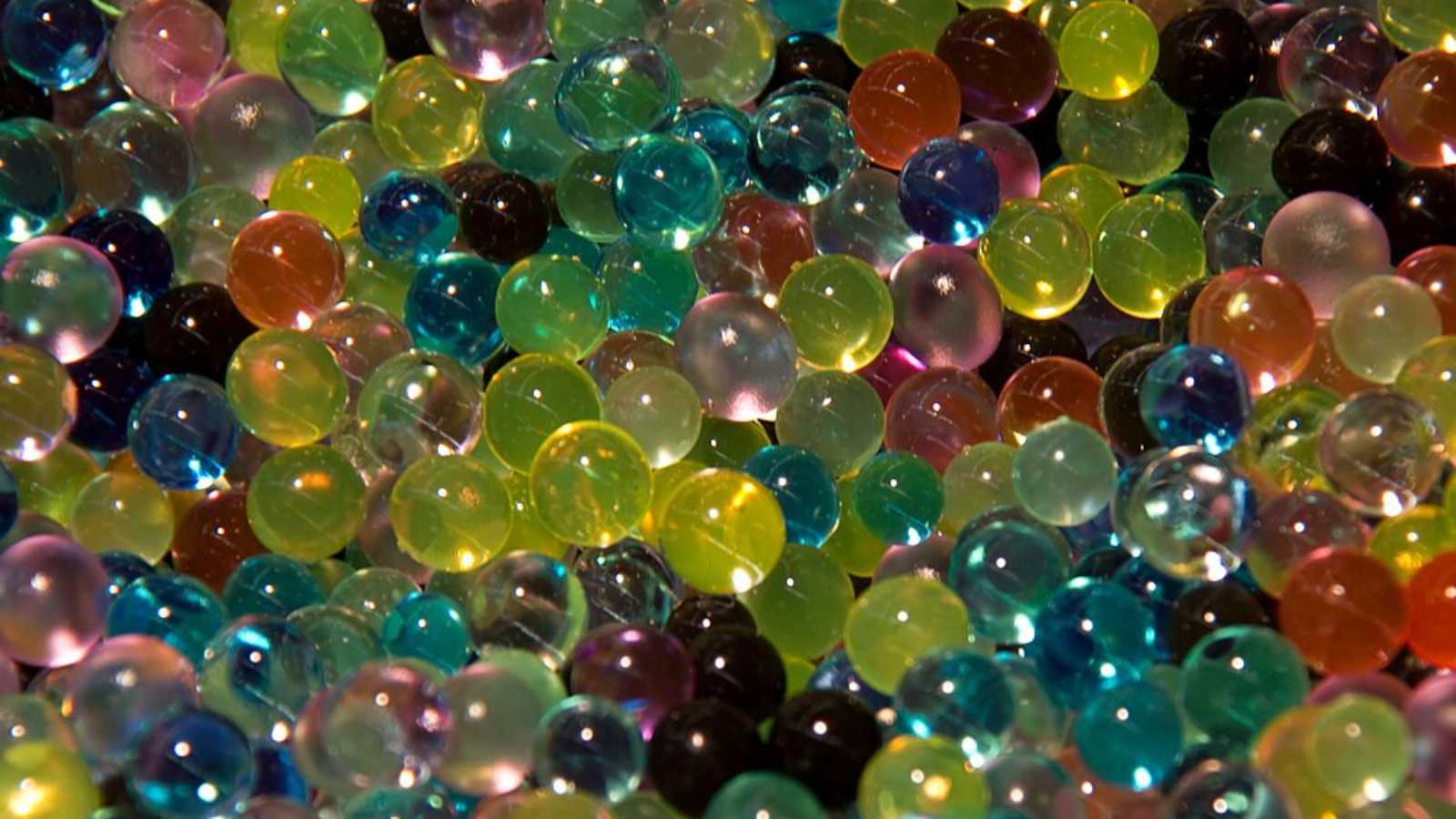
These colorful, super-absorbent polymer balls are sold as sensory toys, but they pose a deadly risk to small children. The Consumer Product Safety Commission has deemed them a significant hazard and is pushing to remove them from the market.
The number of injuries associated with these seemingly harmless toys is alarming. Thousands of emergency room visits have been linked to water bead injuries in the United States over the past few years. Parents are urged to throw them away immediately to prevent tragic accidents.
Single-Use Hotel Toiletries
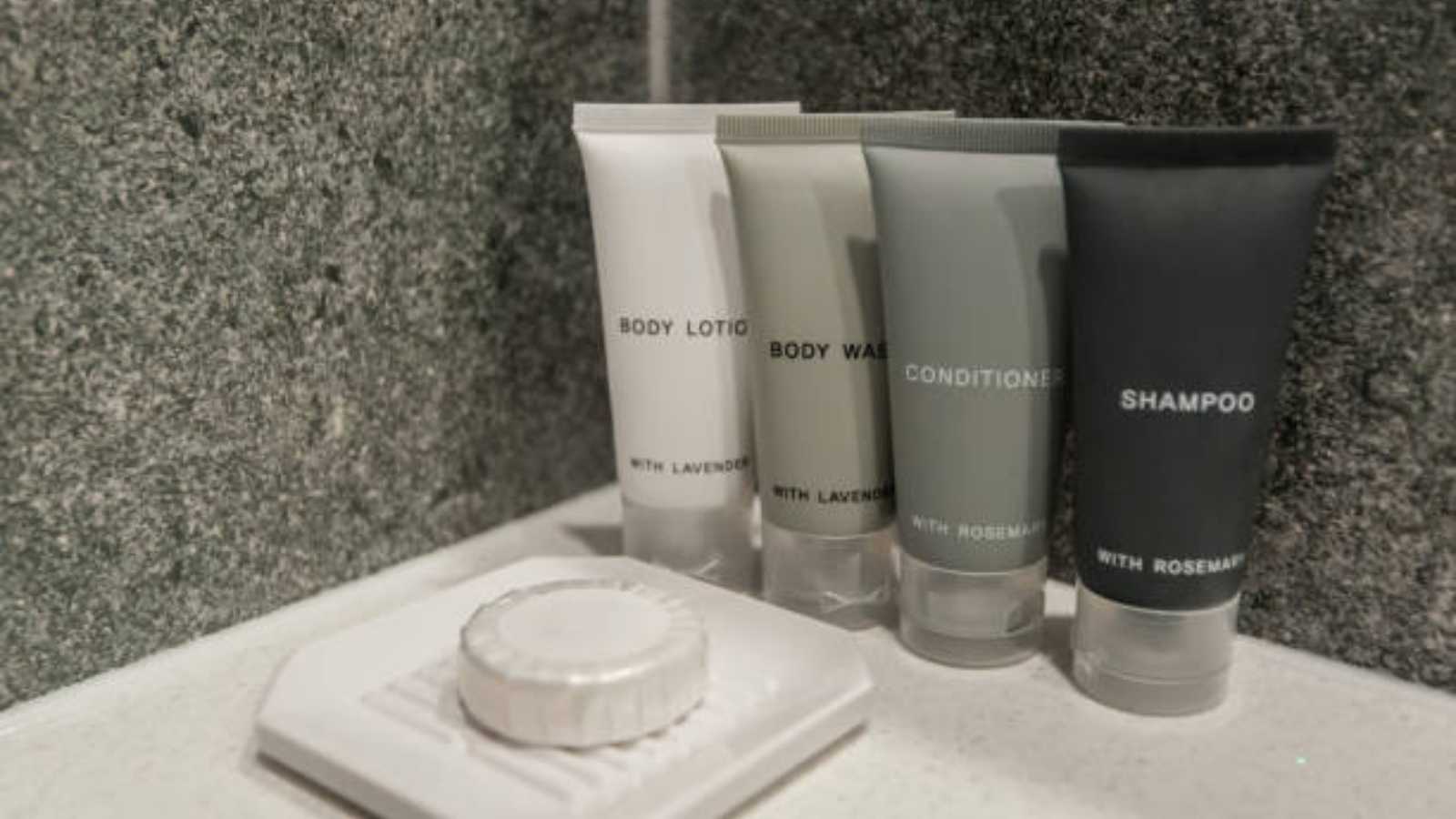
The days of taking home tiny bottles of shampoo and conditioner are numbered as bans sweep the hospitality industry. Several states have already implemented laws banning hotels from providing single-use plastic toiletry bottles. Hotels are switching to large wall-mounted dispensers to reduce plastic waste.
This small change in hotel amenities adds up to a massive reduction in environmental impact. Major hotel chains report that this switch prevents large amounts of plastic from entering landfills each year. It is a greener way to handle your hygiene.
PFAS in Food Packaging

“Forever chemicals,” known as PFAS, are often used in food packaging to prevent grease from soaking through wrappers. However, the FDA announced that manufacturers have voluntarily agreed to phase out greasing substances containing PFAS.
The prevalence of these chemicals in our bodies is a primary concern for scientists and regulators. Studies have found traces of PFAS in the blood of nearly all Americans tested. Banning them from wrappers is a critical step to stop the contamination.
Key Takeaways

The regulatory landscape is shifting rapidly as agencies prioritize safety and fairness over industry convenience. These potential bans reflect a growing awareness of how everyday products impact our long-term well-being. Staying informed about these changes helps you make more intelligent choices for your home and family.
Disclaimer: This list is solely the author’s opinion based on research and publicly available information. It is not intended to be professional advice.
Disclosure: This article was developed with the assistance of AI and was subsequently reviewed, revised, and approved by our editorial team.
Like our content? Be sure to follow us